
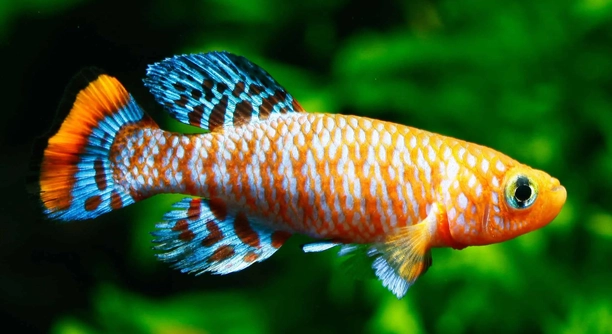
Killi fish are small, colorful freshwater fish often kept as pets in home aquariums. They are known for their hardy nature and ability to adapt to various environments. Many fish enthusiasts wonder about their feeding needs and survival.
Killi fish cannot survive for long without feeding, as they require regular nutrition to maintain energy and health. While they can tolerate short periods of fasting, extended food deprivation leads to weakness and eventually death.
Understanding their feeding habits and care needs is important for keeping killi fish healthy and thriving in captivity.
How Long Can Killi Fish Go Without Food?
Killi fish are quite resilient, but like all living creatures, they need food regularly. Generally, they can survive without food for about 5 to 7 days, depending on their age and health. Younger fish or those under stress may not last as long without eating. In nature, killi fish sometimes face periods of low food availability, so they have developed some ability to cope with short-term fasting. However, in captivity, it’s best to avoid letting them go hungry for more than a few days. Prolonged lack of food can weaken their immune system, making them more vulnerable to illness. It’s important to keep a close eye on your killi fish’s behavior during any fasting period and provide food as soon as possible to support their health.
Skipping meals for a few days is sometimes unavoidable, but it should never become a habit for your killi fish.
Knowing the limits of their fasting tolerance helps prevent unnecessary health risks and keeps your fish active and strong.
Signs of Starvation in Killi Fish
When killi fish don’t get enough food, they start showing clear signs of starvation. They may become lethargic, spending more time resting and less time swimming actively. Their colors might fade, and they can lose weight, causing their bodies to look thinner than usual. You might notice that they stop responding quickly or seem uninterested in food when it’s offered. Starvation weakens their immune system, increasing the chance of diseases. It’s essential to recognize these signs early and take action by improving feeding routines and water quality. A healthy diet combined with a clean environment gives killi fish the best chance to recover and thrive.
Keeping a close watch on your fish’s behavior and appearance helps catch problems before they worsen.
Feeding killi fish regularly with small portions of nutritious food supports their energy and longevity. Avoid overfeeding, which can also harm their health and water conditions. A balanced diet usually includes live or frozen foods like daphnia, brine shrimp, or bloodworms, which mimic their natural meals. Sometimes, flakes or pellets formulated for small carnivorous fish can supplement their diet. Consistency is key; feeding once or twice a day in small amounts is ideal. Remember, sudden changes in feeding habits can stress the fish. When introducing new foods, do it gradually to avoid upsetting their digestive system. Maintaining good water quality through regular cleaning also helps your killi fish absorb nutrients better and stay healthy. A well-fed killi fish displays vibrant colors, lively movement, and a strong immune response.
Feeding Frequency and Amount for Killi Fish
Killi fish thrive when fed small amounts regularly, ideally once or twice a day. Overfeeding can pollute the tank and harm their health.
Feeding small portions prevents leftover food from decomposing and keeps the water cleaner. These fish have small stomachs, so giving them too much at once can cause digestive issues. A good rule is to offer only what they can eat within two to three minutes. This approach helps maintain stable water conditions and avoids stressing your fish. Consistency in feeding times also helps their metabolism stay balanced.
It’s best to vary their diet with live or frozen foods like daphnia or brine shrimp. Occasionally supplementing with flakes or pellets designed for carnivorous fish keeps their nutrition balanced. Remember, it’s better to underfeed slightly than to overfeed and risk water quality problems.
Can Killi Fish Survive Without Food for Extended Periods?
Killi fish cannot survive long without food because they rely on regular feeding to maintain their energy and immune system. Extended fasting weakens them quickly.
Even though they may survive a week without food, anything longer can be harmful. Their metabolism needs nutrients daily to support growth, repair, and basic functions. Without food, their bodies start to break down fat and muscle, leading to weakness. Starvation increases vulnerability to infections and reduces their ability to swim and escape threats. In captivity, it’s crucial to avoid prolonged periods without feeding by planning ahead for vacations or emergencies. Temporary fasting may be possible, but it should be short and carefully monitored to avoid health problems.
Providing a stable feeding routine ensures killi fish stay healthy and active, which helps them live longer and enjoy better quality of life.
Preparing for Short Absences
If you need to be away for a day or two, killi fish can usually manage without food. Their natural ability to cope with short fasting helps them survive these brief periods.
For absences longer than two days, consider asking someone to feed them or use an automatic feeder. This prevents stress and health issues from prolonged hunger.
Best Foods for Killi Fish
Killi fish prefer protein-rich diets that mimic their natural prey. Live or frozen foods like daphnia, bloodworms, and brine shrimp are ideal because they provide essential nutrients and encourage natural hunting behavior. These foods keep them healthy and active, supporting vibrant colors and strong immune systems. While flakes and pellets can supplement their diet, they should not be the only food source. Variety is key to meeting their nutritional needs and preventing boredom.
Risks of Overfeeding
Overfeeding leads to poor water quality and health problems for killi fish.
How long can killi fish survive without food?
Killi fish can survive without food for about five to seven days under normal conditions. Their bodies can handle short periods of fasting since they sometimes face limited food sources in the wild. However, longer fasting times weaken them and cause health problems. Younger or stressed fish will survive less time without food.
What happens to killi fish if they don’t eat enough?
If killi fish don’t get enough food, they become weak and less active. Their colors fade, and they may lose weight, showing signs of malnutrition. Over time, their immune system weakens, making them prone to infections and disease. Without proper nutrition, they lose strength and may eventually die.
Can killi fish survive on just flakes or pellets?
Flakes and pellets alone aren’t the best food for killi fish. They need protein-rich foods that mimic their natural diet, like live or frozen daphnia, brine shrimp, or bloodworms. Flakes and pellets can supplement their diet but shouldn’t be the main food source. Variety ensures better health and vitality.
How often should I feed my killi fish?
Feeding once or twice a day with small portions is ideal. Killi fish have small stomachs and digest food quickly, so it’s better to give them little food often rather than one large meal. Overfeeding can pollute the tank and harm their health.
Can killi fish fast occasionally?
Yes, killi fish can tolerate short fasts of a day or two without serious harm. Occasional fasting can even help with digestion and prevent overfeeding. However, fasting for longer than a few days should be avoided, especially in captivity.
What signs show that my killi fish is starving?
Signs include reduced activity, faded colors, weight loss, and lack of interest in food. Starving fish may stay at the bottom of the tank or hide more than usual. Early detection helps prevent serious health decline.
How do I prepare killi fish for being away from home?
For short absences of one or two days, no special preparation is usually needed. For longer trips, arrange for someone to feed them or use an automatic feeder. Avoid overfeeding before you leave, as uneaten food can foul the water.
Is it harmful to feed killi fish live food only?
Feeding live food regularly is beneficial because it is nutritious and encourages natural hunting behaviors. However, relying solely on live food can limit diet variety. It’s best to include frozen options and occasionally pellets or flakes to cover all nutritional needs.
Can killi fish eat plant-based foods?
Killi fish are primarily carnivorous and don’t digest plant material well. Their diet should focus on protein-rich animal foods. Small amounts of algae or plant matter may be eaten, but it’s not a significant part of their nutrition.
How does water quality affect killi fish health during fasting?
Good water quality is critical, especially when fish are fasting or stressed. Clean water supports their immune system and reduces the risk of infections. Uneaten food or waste can quickly pollute the tank, so regular cleaning and water changes are important.
What should I do if my killi fish refuses to eat?
First, check water conditions and temperature, as poor water quality can reduce appetite. Try offering different foods, such as live or frozen options, to stimulate interest. Sometimes stress or illness causes refusal to eat; if the problem continues, seek advice from a fish care specialist.
Can overfeeding harm killi fish as much as underfeeding?
Yes, overfeeding can cause digestive problems, poor water quality, and obesity. Excess food decays and pollutes the tank, leading to harmful ammonia levels. Feeding small portions and removing leftovers keeps fish healthy and their environment stable.
Is fasting recommended for killi fish?
Occasional short fasting can be safe and sometimes beneficial to their digestion. However, prolonged fasting should be avoided to prevent malnutrition and stress. A regular, balanced feeding routine is best for their overall health.
Killi fish are small but delicate creatures that need proper care to stay healthy and happy. Feeding them regularly is very important because they cannot survive long without food. While they can manage short periods without eating, going too long without food weakens them and can cause serious health problems. Understanding their feeding needs helps avoid mistakes that could harm these fish. Keeping a balanced routine of feeding ensures they get the nutrition they need to grow, stay active, and resist illness.
Providing the right amount and type of food is also key. Killi fish do best with protein-rich foods like live or frozen daphnia, brine shrimp, and bloodworms. These foods match their natural diet and help keep their colors bright and energy high. Flakes or pellets made for carnivorous fish can be used to add variety but should not be the main source of food. Overfeeding should be avoided since leftover food can dirty the water and cause health problems. Feeding small portions once or twice a day is enough for these fish and helps keep their environment clean.
Good water quality and regular tank maintenance go hand in hand with proper feeding. Clean water supports their immune systems and overall health. If killi fish are left hungry for too long or are overfed, they become more vulnerable to diseases. Watching for signs of starvation or overfeeding is important so you can act quickly. With proper care, feeding, and a clean environment, killi fish can live longer and show their natural beauty and lively behavior. Taking the time to meet these basic needs is what keeps killi fish thriving in your aquarium.

Hello,
If you enjoy the content that we create, please consider saying a "Thank You!" by leaving a tip.
Every little bit helps us continue crafting quality advice that supports the health, happiness, and well-being of pets around the world, for pets of all shapes, sizes, and species.
We really appreciate the kindness and support that you show us!