
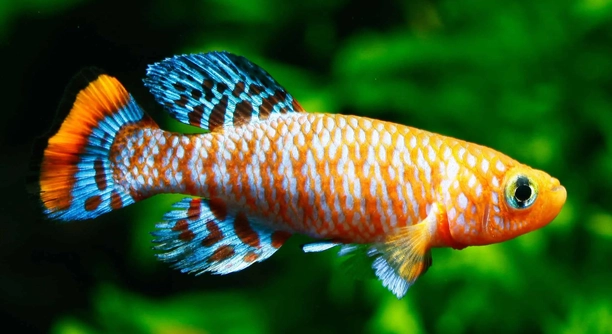
Killifish are popular freshwater fish known for their vibrant colors and adaptability. They are often kept in home aquariums where tank conditions are carefully maintained. Accidents like tank crashes can disrupt their environment suddenly.
Killifish can survive tank crashes if immediate action is taken to restore stable water conditions and minimize stress. Their resilience depends on the severity of the crash, water quality, and how quickly they are returned to a safe habitat.
Understanding how to respond after a tank crash is important for keeping killifish healthy. This article explains what steps to take to improve their chances of survival and recovery.
What Happens During a Tank Crash
A tank crash happens when the water quality in an aquarium rapidly deteriorates. This often results from a sudden spike in harmful substances like ammonia and nitrites, which are toxic to fish. Such spikes can occur due to overfeeding, filter failure, or the introduction of too many fish at once. When a crash happens, the beneficial bacteria responsible for breaking down waste in the tank die off or become overwhelmed. This disrupts the nitrogen cycle, allowing toxins to build up quickly. Killifish are sensitive to these changes, and exposure to high toxin levels can cause stress, illness, or death. The severity of the crash depends on the cause and how long it goes unnoticed. Immediate water testing is essential to understand the extent of the problem. Regular maintenance and monitoring can help prevent crashes, but when one occurs, swift action is necessary to protect the fish.
Recognizing the signs of a tank crash early can save your killifish. Monitoring water quality regularly is key.
Taking quick steps to fix water issues after a crash involves partial water changes to dilute toxins. Removing uneaten food and debris reduces further waste buildup. Using water conditioners can neutralize harmful chemicals temporarily. Reestablishing the beneficial bacteria is important and can be supported by adding bacterial supplements. Keeping the tank temperature stable and reducing stressors like bright lights or excessive movement helps the fish recover. Observing your killifish closely for signs of distress or illness allows for timely intervention. Patience is important, as full recovery of the tank’s ecosystem may take several days or weeks. By following these steps, you increase the chances your killifish will survive and return to normal behavior.
How to Support Killifish After a Crash
After a tank crash, creating a calm and stable environment for your killifish is essential. Avoid sudden changes in water temperature or chemistry. Feeding should be minimal and of high quality to avoid further water contamination. Using a quarantine or hospital tank can isolate sick or weak fish to prevent the spread of disease. Regular small water changes are better than large, infrequent ones, as they keep conditions steady. Testing water parameters daily helps track improvement or ongoing issues. Ensuring the filter system is functioning well and not overloaded will maintain water clarity. Adding live plants may also aid in improving water quality by absorbing nitrates. Recovery may take time, but proper care during this phase helps killifish regain strength and vitality.
Supporting killifish post-crash requires consistent care and attention to water conditions.
A steady routine focused on water quality and reducing stress is critical for healing. Reintroducing beneficial bacteria through commercial additives or by transferring filter media from a healthy tank accelerates the nitrogen cycle restoration. Observing fish behavior for appetite and activity levels provides clues about their recovery. Avoid overcrowding the tank to reduce competition and stress. Maintaining proper lighting and temperature suited to killifish species helps their immune system function well. Avoid chemical treatments unless absolutely necessary, as they can further disturb the fragile ecosystem. Staying patient and diligent with care routines promotes a successful recovery. Your killifish can return to their colorful, active selves with proper support following a tank crash.
Signs Your Killifish Is Struggling After a Crash
Changes in behavior or appearance often indicate your killifish is struggling. Look for signs like lethargy, loss of appetite, clamped fins, or unusual swimming patterns. Physical symptoms may include faded colors, rapid gill movement, or sores.
Stress from poor water quality weakens their immune system, making them vulnerable to infections. They may hide more or stay near the surface to breathe easier if oxygen levels are low. Early detection helps prevent serious health issues. Watch your fish closely for these warning signs to act quickly.
Prompt action involves checking water parameters and improving conditions. Testing ammonia, nitrite, and nitrate levels gives a clear picture of water health. If levels are unsafe, partial water changes and filtration upgrades are necessary. Providing clean, stable water supports recovery and reduces stress. Treatment for secondary infections might be needed, depending on symptoms. Maintaining a calm environment helps your killifish regain strength more effectively.
Preventing Future Tank Crashes
Preventing tank crashes requires consistent maintenance and monitoring. Regular water testing, partial water changes, and avoiding overfeeding keep the tank stable. Proper filtration and avoiding overcrowding are also essential.
Setting a routine that includes weekly water parameter checks prevents sudden issues. Avoid introducing too many fish at once, as this can overwhelm the system. Feed killifish only what they can eat within minutes to reduce waste buildup. Keeping a balanced environment with live plants and a healthy bacterial population supports water quality naturally. Investing in reliable equipment like filters and heaters suited to your tank size reduces risks. Being proactive limits the chance of another crash and protects your killifish’s health in the long run.
Immediate Steps to Take After a Tank Crash
First, test your water to identify toxic levels of ammonia, nitrites, or nitrates. Perform a partial water change of 25-50% to dilute harmful substances quickly. Remove any uneaten food or debris that could worsen water quality.
Adjust your filter to ensure it is working properly. If needed, add biological filter media or bacterial supplements to help rebuild beneficial bacteria faster.
Feeding Killifish After a Crash
Feed sparingly to avoid adding waste. Choose high-quality, easily digestible foods to support recovery. Avoid overfeeding, as uneaten food can cause water quality to decline rapidly.
Using Water Conditioners and Treatments
Water conditioners can neutralize chlorine, chloramines, and ammonia temporarily, providing immediate relief. Use treatments specifically designed for aquarium use and follow instructions carefully to avoid harming your fish or beneficial bacteria.
Monitoring Your Killifish’s Recovery
Keep a close watch on their behavior and physical condition. Look for signs of improvement or distress daily, adjusting care as needed to support their health.
FAQ
Can killifish survive a severe tank crash?
Killifish can survive a severe tank crash if the water quality is restored quickly and stress is minimized. The faster you act to reduce toxins like ammonia and nitrites, the better their chances. Severe crashes may cause lasting health issues, but with proper care, recovery is possible.
How often should I test my tank water to prevent crashes?
Testing your tank water once a week is usually sufficient for established tanks. However, after a crash or in new setups, daily testing helps catch problems early. Regular checks for ammonia, nitrites, nitrates, and pH keep conditions stable and protect your fish.
What are the most important water parameters for killifish?
Killifish thrive in water with ammonia and nitrite levels at zero. Nitrate should be kept below 20 ppm. pH preferences vary by species but generally range from 6.0 to 7.5. Temperature should stay between 72°F and 78°F to keep them healthy.
Can I use medications after a tank crash?
Medications should be used cautiously and only when necessary. Some treatments can harm beneficial bacteria and worsen water quality. Treat symptoms like fungal or bacterial infections only if they appear. Always follow dosage instructions and consider quarantining affected fish.
Will killifish behavior change after a tank crash?
Yes, stressed killifish may become less active, hide more, or show erratic swimming. Appetite loss is common. These behaviors often improve with water quality restoration and reduced stress. Patience is key during recovery.
How long does it take for a tank to recover from a crash?
Recovery time depends on the crash’s severity and how quickly corrective actions are taken. Minor crashes may resolve within a few days, while severe ones can take weeks. Regular monitoring and care support faster recovery.
What role do beneficial bacteria play in preventing tank crashes?
Beneficial bacteria break down fish waste and toxins in the tank. They keep ammonia and nitrite levels low. If these bacteria die off, toxic substances accumulate quickly, causing crashes. Maintaining a healthy bacterial population through proper filter care and avoiding harsh chemicals is vital.
Is it safe to add new fish after a tank crash?
It is best to wait until water parameters stabilize before adding new fish. Introducing fish too soon can overload the system and trigger another crash. A stable tank ensures better survival and health for all inhabitants.
Can live plants help prevent tank crashes?
Yes, live plants absorb nitrates and provide oxygen, improving water quality. They also offer hiding spots, reducing stress for killifish. While plants alone cannot prevent crashes, they support a balanced and healthy aquarium environment.
How can I reduce stress for killifish after a crash?
Keep lighting low and avoid sudden movements around the tank. Limit handling or netting fish during recovery. Maintain stable water temperature and provide hiding places with plants or decorations. Reducing stress helps boost their immune system and speeds healing.
What signs indicate a killifish is recovering well?
Signs of recovery include increased activity, normal swimming behavior, regained appetite, and restored vibrant coloration. The fish will spend less time hiding and show curiosity in their environment again.
Can partial water changes alone fix a tank crash?
Partial water changes are a key step in fixing a crash by diluting toxins, but they are not always enough. Addressing the cause of the crash, such as overfeeding or filter failure, and restoring beneficial bacteria are also necessary for full recovery.
Should I use bottled bacteria after a crash?
Bacterial supplements can help reestablish the nitrogen cycle faster, especially after a crash. Use reputable products designed for aquariums and follow the instructions. They support natural filtration but do not replace good maintenance practices.
How can I tell if my filter is working properly?
A properly working filter should circulate water quietly and consistently without unusual noises or leaks. Water clarity should be maintained, and beneficial bacteria should thrive on filter media. Regular cleaning and monitoring are important to keep the filter efficient.
What should I avoid doing after a tank crash?
Avoid overfeeding, sudden large water changes, and adding too many fish at once. Do not use harsh chemicals or medications unless necessary. These actions can add stress or further destabilize water quality, delaying recovery.
Final Thoughts
Tank crashes can be very stressful for both killifish and their owners. These events happen when water quality quickly worsens, making the environment unsafe for the fish. Killifish are sensitive to changes in water conditions, so a crash can affect their health seriously. However, with quick and proper care, many killifish can survive and recover. Acting fast by testing the water, performing partial water changes, and removing waste helps reduce harmful toxins. Maintaining a stable environment supports their recovery and prevents further damage.
Preventing tank crashes is always better than fixing them. Regular tank maintenance is essential to keep water quality stable. This includes testing water parameters like ammonia, nitrites, and nitrates on a weekly basis. Avoid overfeeding your fish, as leftover food decomposes and causes spikes in harmful substances. Using the right filter and cleaning it as needed keeps beneficial bacteria healthy. These bacteria play a key role in breaking down fish waste and keeping the nitrogen cycle balanced. Keeping the tank properly stocked with an appropriate number of fish also reduces the risk of crashes.
Even after a crash, killifish can often return to their normal behavior and appearance with steady care. It’s important to be patient and consistent during recovery. Observe your fish daily for signs of improvement or illness. Minimize stress by keeping lighting low and offering hiding places. If infections develop, treat them carefully without harming the tank’s natural balance. Remember, the health of your killifish depends on a clean, stable environment. Taking these steps will help your fish thrive and make your aquarium a safe, vibrant space.

Hello,
If you enjoy the content that we create, please consider saying a "Thank You!" by leaving a tip.
Every little bit helps us continue crafting quality advice that supports the health, happiness, and well-being of pets around the world, for pets of all shapes, sizes, and species.
We really appreciate the kindness and support that you show us!