
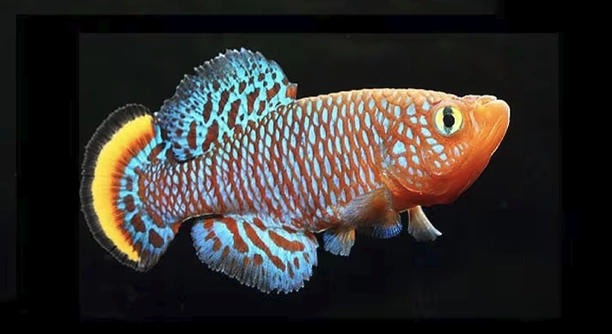
Killi fish and tetras are popular choices for home aquariums. Many fish keepers want to know if these two species can live peacefully together. Both have unique behaviors and care needs that affect their compatibility.
Killi fish can share tanks with tetras under specific conditions, such as appropriate tank size, hiding spaces, and similar water parameters. Careful monitoring is required to prevent aggression, as killi fish may be territorial, while tetras generally prefer schooling.
Learning about their interactions helps create a peaceful environment for both species. Understanding their needs can make your aquarium more enjoyable and balanced.
Understanding Killi Fish Behavior and Needs
Killi fish are known for their vibrant colors and active swimming habits. They usually prefer calm waters and enjoy having plenty of plants or hiding spots to retreat to when feeling threatened. These fish can sometimes be territorial, especially males during breeding seasons. Their behavior can vary depending on the species, but most killis are peaceful if their space is respected. They prefer water with a slightly acidic to neutral pH and moderate temperatures. Killi fish eat small live or frozen foods and sometimes flakes, making feeding relatively easy. Tank mates need to be chosen carefully since aggressive or very active fish might stress them out. By keeping the environment stable and ensuring enough cover, killis can thrive in community tanks.
Killi fish often appreciate a well-planted aquarium with gentle water flow. These conditions help reduce stress and encourage natural behavior.
To keep killi fish healthy, it’s important to maintain clean water and avoid overcrowding. They do best with fish that have similar temperaments and environmental needs. Providing a peaceful space reduces stress and helps prevent conflict with tetras or other species.
Tetras and Their Tank Requirements
Tetras are small schooling fish that thrive in groups of six or more. They are active swimmers and prefer slightly acidic to neutral water conditions, similar to killis. Tetras are generally peaceful and can adapt well to community tanks. Their diet includes flakes, pellets, and small live foods, making feeding convenient. Because they swim mostly in the middle and upper parts of the tank, tetras usually do not compete directly with bottom-dwelling or slow-moving fish. Their social nature means they feel safer and less stressed when kept in groups. They also benefit from plants and hiding spots but need open swimming space as well.
When considering tank mates, tetras work best with species that won’t nip fins or disrupt their schooling behavior.
Tetras can coexist well with killis if their environmental needs overlap and the tank is large enough to allow separate territories. Providing plenty of plants and decorations helps reduce stress and aggression. Avoid overcrowding to keep the water quality high and the fish healthy. Regular observation is necessary to spot any signs of bullying or territorial disputes early. Balancing the tank environment benefits both species and allows them to display natural behaviors without conflict. Choosing peaceful tetras, such as neon or cardinal tetras, further improves the chance of a harmonious community aquarium.
Tank Setup for Killi Fish and Tetras
A tank size of at least 20 gallons is recommended for keeping killis and tetras together. Plenty of plants and hiding spots reduce stress and territorial behavior. Moderate water flow suits both species well, and stable water conditions are essential for their health.
Providing dense planting allows killis to feel secure and gives tetras room to school freely. Driftwood and leaf litter can mimic natural environments, helping both species feel comfortable. Avoid overcrowding, as too many fish increase aggression and reduce water quality. Using gentle filtration ensures clean water without creating strong currents that stress the fish. Lighting should be moderate to support plant growth without stressing the fish.
A well-planned layout separates open swimming spaces for tetras and sheltered areas for killis. This balance helps reduce conflicts and promotes peaceful coexistence. Regular maintenance keeps the environment stable and comfortable for both species.
Feeding and Care Tips
Both killis and tetras enjoy a varied diet, including flakes, frozen foods, and live foods like brine shrimp or daphnia. Feeding small amounts multiple times a day prevents overfeeding and keeps water clean.
Killi fish benefit from occasional live or frozen foods, which support their health and vibrant colors. Tetras eat well from flakes but appreciate variety for better nutrition. Monitoring feeding habits helps spot any health issues early.
Regular water changes and stable temperature, between 72-78°F, help maintain their well-being. Observing fish behavior ensures they are eating well and not stressed. A balanced diet and clean water keep both species active and healthy in a shared tank.
Potential Challenges When Keeping Killi Fish and Tetras Together
Killi fish males can become territorial, especially during breeding. This may cause stress for tetras if hiding spots are limited. Careful observation helps catch early signs of aggression.
Tetras are generally peaceful but may nip fins if stressed or crowded. Proper tank size and hiding spaces reduce this risk.
Signs of Stress and Aggression to Watch For
Watch for chasing, nipping, or hiding behavior as signs of stress or aggression. Loss of color or refusal to eat can also indicate problems. Early detection allows adjustments before serious harm occurs.
Adjusting Tank Conditions if Issues Arise
If aggression appears, increase plants and decorations to create more hiding spaces. Separating overly aggressive killis may be necessary. Regular water changes and maintaining proper temperature can also reduce stress.
When to Separate Killi Fish and Tetras
If conflicts persist despite changes, separating the species is best for their well-being. Peaceful environments are crucial for both to thrive.
FAQ
Can Killi fish and tetras live together peacefully?
Yes, they can live together peacefully if the tank is properly set up. Both species need enough space, hiding spots, and stable water conditions. Avoid overcrowding and keep an eye on their behavior to prevent stress or aggression.
What tank size is best for keeping killis and tetras?
A minimum of 20 gallons is recommended. This size provides enough room for tetras to school and killis to establish their own territories. Larger tanks make it easier to maintain water quality and reduce conflicts between fish.
What water conditions do killis and tetras prefer?
Both prefer slightly acidic to neutral pH (around 6.0 to 7.0) and temperatures between 72°F and 78°F. Stable water parameters are important. Sudden changes can cause stress and illness.
Are killis aggressive toward tetras?
Male killis can be territorial, especially during breeding. However, with enough hiding places and space, aggression is usually minimal. Female killis and tetras tend to be peaceful.
How often should I feed killis and tetras?
Feed small amounts two to three times a day. Both species enjoy flakes, frozen, or live foods like brine shrimp or daphnia. A varied diet keeps them healthy and colorful.
What signs show that killis or tetras are stressed?
Look for hiding, loss of color, reduced appetite, or unusual swimming. Aggression such as chasing or nipping can also indicate stress. Address issues quickly to avoid health problems.
Can I keep other fish with killis and tetras?
Yes, but choose peaceful species that tolerate similar water conditions. Avoid large, aggressive, or fin-nipping fish. Suitable tank mates include small rasboras, peaceful catfish, and shrimp.
How do I reduce aggression in a community tank with killis and tetras?
Provide plenty of plants, decorations, and hiding spaces. Keep the tank spacious enough to reduce territorial disputes. Monitor fish closely and separate aggressive individuals if needed.
What should I do if aggression becomes a problem?
Try rearranging the tank to disrupt territories. Increase hiding spots and plants. If aggression continues, separate the aggressive fish into a different tank to prevent harm.
How important is water quality for these fish?
Water quality is very important. Regular water changes and proper filtration help keep the environment clean. Poor water quality can lead to stress, disease, and aggression.
Are killis difficult to care for compared to tetras?
Killis require slightly more attention to water stability and hiding places. Tetras are generally easier to care for and more adaptable. Both can thrive with proper tank conditions.
Can killis and tetras breed in a community tank?
Killis may breed in a well-maintained tank with suitable conditions, but tetras rarely breed in community tanks. Breeding killis requires specific setups with plenty of plants or spawning mops.
Is it okay to keep just one male killi with tetras?
Yes, keeping a single male killifish reduces aggression issues. Multiple males can be territorial and fight, so it’s safer to have only one male with tetras.
How do I introduce killis and tetras to the same tank?
Introduce tetras first, allowing them to settle. Add killis slowly afterward. Monitor closely for any signs of stress or aggression during the introduction phase.
What kind of plants are best for a killi and tetra tank?
Live plants like Java moss, Anubias, and floating plants provide hiding spots and improve water quality. Dense planting helps killis feel secure and offers tetras places to dart around.
Can I keep killi fish and tetras in a planted tank?
Yes, a planted tank is ideal. Plants reduce aggression by breaking sight lines and creating territories. They also improve oxygen levels and water quality, benefiting both species.
Final Thoughts
Killi fish and tetras can live together in the same tank if you provide the right conditions. Both species have similar water needs, which makes it easier to keep them in one aquarium. The key is to give them enough space and plenty of plants or hiding spots. This helps reduce stress and gives each fish a place to feel safe. Overcrowding should be avoided because it can lead to aggression and poor water quality. Maintaining stable water parameters, like temperature and pH, is also important for their health and happiness.
While killis can be a bit territorial, especially males, tetras are usually peaceful schooling fish. This means the killis may claim certain areas, but with enough room and hiding places, the tetras can swim freely without much trouble. It is important to choose the right types of tetras — smaller, peaceful species like neon or cardinal tetras work best. Watching the fish closely in the first few weeks is crucial to spot any signs of stress or aggression. If problems arise, adjusting the tank setup or separating the fish may be necessary to keep all of them safe.
In the end, combining killis and tetras can create a colorful and lively aquarium, but it requires some planning and care. A well-maintained tank with clean water, good food, and a balanced environment helps both species thrive together. Keeping an eye on their behavior and tank conditions will help prevent issues before they become serious. With patience and attention, you can enjoy the beauty and activity of both killis and tetras sharing the same space peacefully.

Hello,
If you enjoy the content that we create, please consider saying a "Thank You!" by leaving a tip.
Every little bit helps us continue crafting quality advice that supports the health, happiness, and well-being of pets around the world, for pets of all shapes, sizes, and species.
We really appreciate the kindness and support that you show us!