
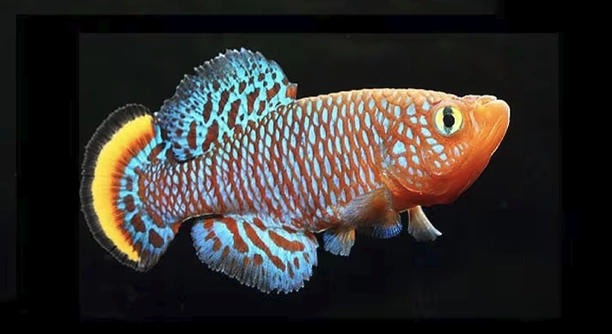
Killi fish are popular in home aquariums for their bright colors and lively behavior. Many hobbyists enjoy watching them explore their tanks and interact with their environment. Understanding how they respond to changes can improve their care.
Killi fish do sense tank vibrations through specialized sensory organs called the lateral line system. This system detects water movement and vibrations, helping the fish navigate, avoid danger, and communicate within their environment.
Knowing how killi fish perceive vibrations offers useful insight into their behavior and well-being. This information can help create a better, more comfortable habitat for these delicate fish.
How Killi Fish Detect Vibrations
Killi fish have a sensory system called the lateral line, which runs along their sides. This system helps them pick up vibrations and movement in the water. When the tank vibrates, the tiny hair cells inside the lateral line sense the changes in water pressure. This allows the fish to respond quickly, whether to avoid danger or to find food. Vibrations can come from different sources, like nearby movement, equipment running, or even tapping on the glass. The lateral line helps killi fish stay aware of their surroundings without needing to see everything. This sense is crucial because water can carry information that eyes might miss. Killi fish rely on this to stay safe and comfortable in their tank. Keeping the tank environment stable and calm reduces stress on the fish, making them healthier and more active.
The lateral line is very sensitive to even slight vibrations. This sensitivity allows killi fish to react instantly to changes in their tank environment.
Understanding how killi fish detect vibrations can help aquarists manage tank activity and reduce stress. Proper placement of equipment and gentle handling minimizes unnecessary disturbances, supporting a healthier habitat for these delicate fish.
Sources of Tank Vibrations
Tank vibrations often come from equipment like filters, air pumps, or nearby household appliances. These devices create low-frequency vibrations that travel through the water and the tank walls. Even small movements near the tank, like footsteps or tapping the glass, send waves that killi fish can feel. Vibrations might also come from water changes or adjusting decorations inside the tank. Constant or strong vibrations can stress fish and change their behavior. Reducing these disturbances helps maintain a calm environment. Using soft pads under equipment or placing the tank on a stable surface can lessen vibration transmission. Understanding where vibrations come from allows for better tank setup and care. Minimizing vibration exposure supports the natural behavior and health of killi fish over time. A quiet, stable tank environment is ideal for keeping these fish comfortable and stress-free.
Effects of Vibrations on Killi Fish Behavior
Vibrations can make killi fish uneasy and cause sudden movements. They may hide more often or swim erratically when vibrations are frequent or strong.
When vibrations occur, killi fish react instinctively. This can include darting around the tank or freezing in place. Persistent vibrations may increase stress levels, which can affect their feeding and social behavior. Over time, stress from constant disturbance can weaken their immune system, making them more vulnerable to illness. Creating a stable environment with minimal vibration exposure is important to support natural behavior and overall health.
Some killi fish might adapt to regular low-level vibrations, but this does not eliminate stress completely. Observing changes in activity or hiding behavior can help identify if vibrations are affecting them. Keeping tank equipment well-maintained and minimizing external disturbances helps protect their well-being. Small changes, like moving noisy appliances away, can improve the fish’s comfort and reduce harmful stress reactions.
Reducing Tank Vibrations for Killi Fish
Tank vibrations can be reduced by placing equipment on vibration-dampening pads or mats. These absorb and limit the transfer of vibrations through the tank structure.
Using quiet, low-vibration equipment is another effective way to protect killi fish. Filters and pumps designed for minimal noise help keep the tank environment calm. Positioning the tank away from heavy foot traffic or loud appliances also reduces disturbances. Additionally, securing tubing and cables prevents them from rattling against the tank. Monitoring vibration sources regularly ensures the fish’s habitat remains peaceful. Taking these simple steps can improve the comfort and health of killi fish over time, supporting their natural behavior and reducing stress.
Signs of Stress from Vibrations
Killi fish showing stress from vibrations may swim erratically or hide more often than usual. These behaviors signal discomfort and a need for a calmer environment.
Other signs include loss of appetite and faded colors. Stress can weaken their immune system, making them prone to illness.
How to Monitor Vibrations in Your Tank
Regularly observe your tank to notice any changes in your killi fish’s behavior. Look for sudden darting, hiding, or changes in feeding habits. Using a vibration meter or smartphone apps can help detect unusual vibrations. Keeping track allows you to identify and reduce harmful disturbances early, maintaining a peaceful environment for your fish.
Tank Setup Tips to Minimize Vibrations
Place your aquarium on a stable, level surface to reduce shaking and vibrations. Avoid locations near heavy foot traffic or loud appliances to limit disturbances.
Equipment Maintenance
Routine checks and maintenance of filters and pumps help prevent excess vibrations caused by wear or loose parts.
FAQ
Can killi fish get used to tank vibrations?
Killi fish may become somewhat accustomed to regular, low-level vibrations over time. However, this does not mean they are completely unaffected. Persistent or strong vibrations can still cause stress and affect their health. It’s best to keep vibrations to a minimum to ensure their well-being.
What equipment causes the most vibrations in a fish tank?
Filters, air pumps, and water pumps are the most common sources of vibrations in an aquarium. They often produce low-frequency vibrations that travel through the water and tank walls. Some equipment, especially older or poorly maintained devices, can cause louder or more intense vibrations.
How can I test if my tank is vibrating too much?
Observing your fish’s behavior is a simple way to tell if vibrations are affecting them. If they swim erratically, hide often, or stop eating, vibrations may be the cause. You can also use vibration meters or smartphone apps designed to detect vibrations. Checking for loose equipment or noisy parts can help identify the source.
Are vibrations harmful to all types of fish?
Vibrations affect many fish species, but sensitivity varies. Killi fish, with their lateral line system, are quite sensitive to changes in water movement and vibrations. Some fish tolerate vibrations better, but generally, minimizing vibrations creates a healthier environment for all aquarium inhabitants.
Can vibrations cause physical harm to killi fish?
Vibrations alone usually do not cause direct physical harm. However, they can lead to stress, which weakens the immune system and makes fish more susceptible to disease. Prolonged stress from constant vibrations can indirectly affect their health over time.
How often should I check my equipment to reduce vibrations?
It’s good practice to inspect your equipment every one to two weeks. Look for loose parts, worn-out components, or buildup that might increase vibrations. Regular maintenance keeps your equipment running smoothly and quietly, reducing unnecessary disturbance to your fish.
Will placing the tank on a carpeted floor help reduce vibrations?
Yes, placing a tank on a carpeted floor or using vibration-dampening mats under the stand can absorb some vibrations. These materials act as cushions that reduce the transmission of vibrations from the surface below, helping create a calmer environment for your fish.
Is it safe to tap on the tank glass to get my killi fish’s attention?
Tapping on the glass can create vibrations that stress killi fish. It’s better to avoid tapping or knocking on the tank. Instead, try gentle movements or feeding signals to interact with your fish without causing unnecessary disturbance.
Can loud noises outside the tank affect killi fish through vibrations?
Yes, loud noises, especially those that cause vibrations in the surrounding environment, can be felt by killi fish. Vibrations from footsteps, appliances, or music can travel through floors and walls into the tank, potentially causing stress. Keeping the tank in a quieter area reduces this risk.
How do I know if a filter or pump is causing too much vibration?
If you notice increased noise, shaking, or your fish behaving unusually after installing or servicing equipment, the device might be vibrating too much. Check for loose fittings, worn-out parts, or improper placement. Using vibration-dampening pads can help reduce this problem.
Can adding decorations or plants help reduce the effects of vibrations?
Decorations and plants don’t reduce vibrations themselves but can provide hiding places for killi fish. This helps them feel secure and less stressed when vibrations occur. Dense plants or structures break up open space, giving the fish areas to retreat.
Are smaller tanks more affected by vibrations than larger tanks?
Smaller tanks tend to transmit vibrations more directly to the water because there is less volume to absorb the movement. Larger tanks can sometimes buffer vibrations better. Regardless of tank size, minimizing vibrations is important for the fish’s comfort and health.
Can adjusting the water level help reduce vibration sensitivity?
Lowering the water level slightly might reduce how vibrations travel through the water column, but the difference is usually small. The best approach is to focus on controlling the source of vibrations and ensuring the tank setup is stable and secure.
Do killi fish use their sense of vibrations to communicate?
Yes, killi fish can use water vibrations to communicate with each other. The lateral line system helps them detect subtle signals, especially during mating or territorial behaviors. Vibrations help them understand their surroundings and interact with other fish.
Is it normal for killi fish to react to my movements near the tank?
It is normal. Killi fish are sensitive to vibrations caused by nearby movements, including when you approach or move around the tank. They use these signals to stay alert and safe. Gentle movements near the tank can reduce sudden stress reactions.
Can a poorly maintained tank increase vibration levels?
Yes, a poorly maintained tank with dirty or clogged equipment can cause pumps and filters to work harder, resulting in more vibrations and noise. Regular cleaning and maintenance keep equipment running smoothly and reduce unnecessary vibration exposure.
What are the long-term effects of ignoring vibration issues in a killi fish tank?
Ignoring vibrations can cause ongoing stress, leading to weakened immune systems, reduced lifespan, and behavioral problems in killi fish. Chronic stress affects their ability to feed, reproduce, and fight disease. Preventing and managing vibrations supports a healthier, happier fish.
Killi fish are delicate creatures that rely heavily on their senses to navigate and survive in their environment. One of the key ways they interact with their surroundings is through detecting vibrations in the water. This ability helps them respond to changes, avoid danger, and communicate with other fish. Because of this sensitivity, vibrations in the tank can affect their behavior and overall health. Understanding how killi fish sense and react to these vibrations is important for anyone who keeps them as pets. It allows tank owners to create a better living space that supports the fish’s natural needs and reduces unnecessary stress.
Managing vibrations in a fish tank involves paying attention to equipment and the tank’s location. Filters, pumps, and other devices often cause vibrations that travel through the water and tank walls. Even small disturbances, like tapping on the glass or footsteps nearby, can create vibrations that disturb killi fish. By placing equipment on vibration-absorbing pads, using quieter devices, and situating the tank away from heavy activity, the impact of these vibrations can be greatly reduced. Regular equipment maintenance is also key to preventing extra vibrations caused by worn or loose parts. These steps help keep the tank environment calm and stable, which benefits the fish’s health and behavior.
Taking care of killi fish means paying attention to both their physical environment and their reactions to it. Watching for signs of stress or unusual behavior can help detect when vibrations are causing problems. Simple changes, like moving noisy appliances or adding plants for hiding spots, can make a significant difference. While killi fish may adapt somewhat to low-level vibrations, minimizing these disturbances is the best way to support their well-being. A quiet, stable tank not only helps fish feel safe but also encourages natural activity and longevity. Overall, understanding and managing tank vibrations is a key part of responsible care for these beautiful, sensitive fish.

Hello,
If you enjoy the content that we create, please consider saying a "Thank You!" by leaving a tip.
Every little bit helps us continue crafting quality advice that supports the health, happiness, and well-being of pets around the world, for pets of all shapes, sizes, and species.
We really appreciate the kindness and support that you show us!