
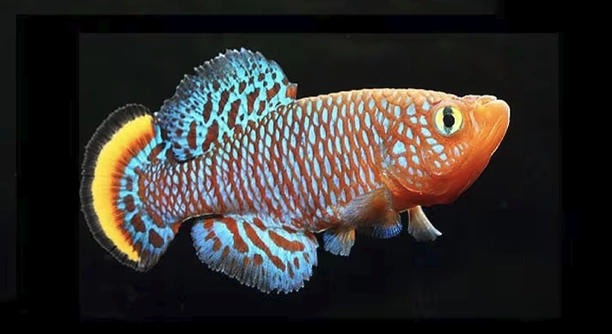
Killi fish are small, colorful freshwater fish that many hobbyists enjoy keeping. They are known for their vibrant patterns and interesting behaviors. These fish can adapt to various tank setups, making them popular for different aquarium styles.
Killi fish can live in filterless tanks under certain conditions. Maintaining excellent water quality through regular water changes and careful monitoring is essential to support their health without a mechanical filter. Proper tank size, minimal feeding, and stable water parameters are also critical.
Understanding the key care factors for filterless tanks will help ensure your killi fish thrive in this environment. This article outlines the practical steps to create a safe and healthy home for them.
Importance of Water Quality in Filterless Tanks
Maintaining good water quality is the most important factor when keeping killi fish in a filterless tank. Without a filter, waste and toxins can build up quickly, which can harm your fish. Regular water changes are necessary to keep ammonia, nitrites, and nitrates at safe levels. It’s best to do partial water changes weekly, replacing about 25-30% of the water. Using a water conditioner helps remove chlorine and other harmful chemicals from tap water. Monitoring water parameters with test kits is also essential. Keeping the tank clean by removing leftover food and debris helps prevent water quality issues. You should avoid overfeeding since excess food decomposes and pollutes the water. Adding live plants can improve water conditions by absorbing some toxins and providing oxygen. Overall, staying on top of water quality will help your killi fish stay healthy in a filterless environment.
Proper water maintenance reduces stress and illness risks for your fish. It creates a safer, more stable habitat.
Clear water and balanced chemistry make a huge difference in your killi fish’s health and behavior. With consistent care, your tank can remain a thriving home. Knowing how to manage water quality without a filter ensures your fish live comfortably and grow well. Paying attention to these details means fewer problems and a happier tank environment for your aquatic pets.
Tank Setup and Environment
A well-planned tank setup supports killi fish in filterless systems.
Choosing the right tank size matters; at least 10 gallons is recommended for a small group. This size allows for stable water conditions and enough swimming space. A tight-fitting lid prevents fish from jumping out. Substrate choice is flexible, but smooth gravel or sand works well to avoid harming delicate fins. Adding plenty of hiding spots with plants, rocks, or decorations gives the fish shelter and reduces stress. Temperature should be kept steady between 72°F and 78°F, as killi fish prefer warm water. Light levels should be moderate to mimic their natural environment. Using a gentle air stone can help with oxygen circulation since there is no filter. Setting up your tank thoughtfully creates a healthy space where your killi fish feel safe and thrive without filtration.
A proper environment ensures your fish’s well-being and longevity in a filterless tank.
Feeding and Nutrition in Filterless Tanks
Feeding killi fish the right amount is crucial in a filterless tank. Overfeeding can quickly degrade water quality. It’s best to offer small portions once or twice daily, only what they can consume in a few minutes.
Providing a varied diet helps keep killi fish healthy. Live or frozen foods such as brine shrimp, daphnia, and bloodworms are excellent choices that mimic their natural diet. High-quality flake or pellet foods can supplement this, but live foods remain the best source of nutrition. Feeding smaller amounts more frequently helps prevent waste buildup, which is especially important without a filter to remove excess nutrients. Avoid feeding more than necessary to keep the tank clean and reduce the risk of water pollution.
Proper feeding habits not only support fish health but also contribute to stable water quality in a filterless setup. Being mindful of food quantity and quality helps maintain a balanced environment for your killi fish to flourish.
Monitoring Fish Health Without a Filter
Close observation of your killi fish is essential when there is no filtration. Early signs of stress or illness can include changes in behavior, appetite, or appearance.
Regularly check for common issues like fin damage, unusual spots, or lethargy. Testing water parameters frequently helps identify potential problems before they worsen. Keeping a clean tank and promptly removing uneaten food lowers disease risk. Quarantining new fish before adding them to the tank prevents introducing illnesses. If you notice any health concerns, acting quickly with proper treatment and adjusting care routines can prevent serious complications. Maintaining good water quality, feeding properly, and providing hiding spots all support fish resilience.
A proactive approach to monitoring health ensures your killi fish stay strong in a filterless tank. Vigilance and care can reduce stress and promote long-term well-being.
Benefits of a Filterless Tank for Killi Fish
Filterless tanks create a quieter environment that some killi fish find less stressful. The absence of strong water currents helps them swim comfortably. It also allows for easier control over water parameters through manual care.
Without a filter, there is less risk of small fish getting trapped or injured by strong suction. This can make the tank safer for delicate species like killi fish.
Suitable Tankmates for Filterless Killi Fish Tanks
Choosing compatible tankmates is important to maintain harmony. Peaceful, small species that don’t require strong filtration work best. Avoid aggressive or fast-swimming fish that might stress killi fish.
Community shrimp or snails can be good additions, helping with algae and debris. Always research compatibility before introducing new species to avoid conflicts and maintain water quality.
Common Mistakes to Avoid
Overfeeding is the most common error in filterless tanks, leading to rapid water degradation. Skipping regular water changes can cause toxic buildup and harm fish health. Avoid overcrowding to prevent stress and waste overload.
Using Plants to Improve Water Quality
Live plants absorb nutrients and provide oxygen, which benefits filterless tanks. They also offer shelter, reducing fish stress. Selecting hardy species like Java moss or Anubias helps maintain a stable environment.
FAQ
Can killi fish survive long-term in a filterless tank?
Yes, killi fish can survive long-term in a filterless tank if the water quality is carefully maintained. Regular water changes and monitoring are essential to prevent harmful waste buildup. With proper care, they can live healthy lives without mechanical filtration.
How often should I change the water in a filterless tank?
Water changes should be done weekly, replacing about 25-30% of the water each time. This schedule helps keep ammonia and nitrate levels low. More frequent changes might be needed if the tank is heavily stocked or if water parameters fluctuate.
What signs indicate poor water quality in a filterless tank?
Cloudy water, foul smells, and stressed or lethargic fish are signs of poor water quality. Elevated ammonia or nitrite levels can cause fish to gasp at the surface or show unusual behavior. Regular testing helps catch problems early.
Is it necessary to use a water conditioner?
Yes, using a water conditioner is important to remove chlorine and chloramine from tap water during water changes. These chemicals are toxic to fish and can cause health issues if not neutralized.
Can live plants replace the need for a filter?
Live plants help improve water quality by absorbing nutrients and producing oxygen, but they cannot fully replace a filter. Plants support the tank ecosystem but manual maintenance and water changes remain necessary.
What type of food is best for killi fish in filterless tanks?
A varied diet including live or frozen foods like brine shrimp, bloodworms, and daphnia is best. High-quality flakes or pellets can supplement, but live foods provide optimal nutrition and promote natural feeding behaviors.
How many killi fish can I keep in a filterless tank?
It’s recommended to keep a small group in tanks of at least 10 gallons. Overcrowding increases waste and makes maintaining water quality difficult. Keeping fewer fish reduces stress and promotes healthier conditions.
Are there any risks to fish health without a filter?
Without a filter, waste accumulates faster, which can lead to toxic water conditions if not managed. Fish may become stressed or more vulnerable to disease. Vigilance with water changes and tank cleaning is necessary to reduce risks.
Should I use an air stone in a filterless tank?
Using an air stone is helpful as it improves oxygen circulation, especially in tanks without water movement from a filter. It creates gentle water surface agitation, increasing gas exchange and supporting fish health.
Can I keep other species with killi fish in a filterless tank?
Yes, but tankmates must be peaceful and compatible with killi fish. Small shrimp or snails work well as they help clean the tank without disturbing the fish. Avoid aggressive or large fish that might stress or harm them.
What is the best substrate for a filterless killi fish tank?
Smooth gravel or fine sand is ideal to prevent injury to delicate fins. Substrate should be easy to clean to avoid debris buildup, which is more critical without filtration to remove waste.
How important is temperature control in a filterless setup?
Maintaining a steady temperature between 72°F and 78°F is very important. Sudden changes can stress fish and weaken their immune systems. A reliable heater and thermometer help keep conditions stable.
How do I prevent algae growth without a filter?
Limiting light exposure to 8-10 hours a day, controlling feeding, and adding live plants can reduce algae growth. Regular water changes also help keep nutrient levels low, which discourages excessive algae development.
What should I do if water parameters become unstable?
Perform immediate partial water changes and check feeding routines. Reduce stocking levels if necessary. Using test kits frequently can help detect imbalances early so you can take quick action to protect your fish.
Can I add beneficial bacteria supplements to help maintain water quality?
Yes, adding bacterial supplements can support the biological balance by breaking down waste products. However, they do not replace regular water changes or good tank maintenance practices.
These FAQs cover common concerns for keeping killi fish in filterless tanks. Careful attention to water quality, feeding, and tank environment will support their health and longevity without a filter.
Keeping killi fish in a filterless tank is possible with careful attention to their environment and water quality. Without a filter, you take on more responsibility for maintaining clean water through regular changes and monitoring. This extra effort is important because waste and toxins can build up quickly, which can harm your fish. It’s essential to keep the tank clean, avoid overfeeding, and test water parameters often. When these steps are followed, killi fish can live happily and healthily in a filterless setup.
Another key factor is creating the right environment for your fish. A tank with enough space, proper temperature, and plenty of hiding spots will help reduce stress and support their natural behavior. Adding live plants not only makes the tank look better but also helps improve water quality by absorbing some harmful substances and adding oxygen. Keeping the tank peaceful by selecting suitable tankmates and avoiding overcrowding also contributes to the well-being of your killi fish. With these conditions met, you can successfully maintain a balanced aquarium without relying on a filter.
In summary, while filterless tanks require more hands-on care, they can be a rewarding way to keep killi fish. Paying close attention to feeding habits, water changes, and tank setup ensures a safe and comfortable home for your fish. This method may not suit everyone, especially those who prefer low-maintenance aquariums, but it offers a chance to observe and connect with your fish in a unique way. With patience and commitment, a filterless tank can be an enjoyable and healthy environment for your killi fish.

Hello,
If you enjoy the content that we create, please consider saying a "Thank You!" by leaving a tip.
Every little bit helps us continue crafting quality advice that supports the health, happiness, and well-being of pets around the world, for pets of all shapes, sizes, and species.
We really appreciate the kindness and support that you show us!