
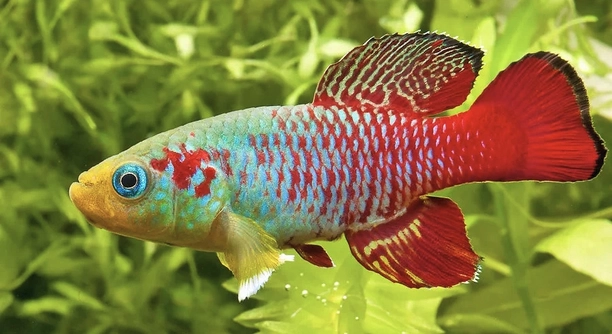
Killifish are small, colorful fish often kept in home aquariums. Many fishkeepers wonder if these lively fish can survive outside in a pond all year long. Their unique needs make this a topic worth exploring carefully.
Killifish can live in a pond year-round only under specific conditions. They require stable water temperatures, proper shelter, and protection from harsh weather. Without these factors, their survival throughout winter months is unlikely, especially in colder climates.
Understanding how to create a suitable pond environment is essential for keeping killifish healthy outside. This article will explain the key points to consider for their long-term care in a pond setting.
Understanding Killifish Habitat Needs
Killifish are native to warm, shallow waters with plenty of vegetation. They thrive in environments where water temperature stays fairly steady and there is adequate cover to hide from predators. When considering a pond, it’s important to mimic these natural conditions as much as possible. Ponds that freeze during winter or have extreme temperature swings can be very stressful or even deadly to killifish. Providing aquatic plants and shaded areas helps replicate their natural habitat, offering places to rest and breed safely. Proper water quality is also crucial, so regular monitoring and maintenance are needed to keep ammonia and nitrate levels low. Killifish also prefer slightly acidic to neutral water pH, so testing and adjusting the pond water can improve their comfort and health.
Keeping killifish in a pond year-round requires thoughtful preparation and ongoing care to match their natural environment closely.
Killifish survival in outdoor ponds depends on stable conditions, good water quality, and adequate shelter throughout the year.
Managing Seasonal Changes in Ponds
Killifish are sensitive to cold temperatures and require stable warmth to thrive. In colder regions, outdoor ponds often freeze or become too cold for killifish to survive the winter months. This makes it necessary to consider supplemental heating or bringing the fish indoors during cold seasons. Even in milder climates, sudden temperature drops can stress killifish, weakening their immune system and making them vulnerable to disease. To manage seasonal changes, it helps to have a deeper section in the pond that does not freeze as easily or use floating plants that provide some insulation. If moving fish indoors, using a proper aquarium setup with controlled temperature and water quality is essential for their continued health.
Planning for temperature changes is key to preventing killifish loss during colder months.
It’s important to monitor the weather and pond conditions regularly to decide when extra protection or relocation of killifish is necessary. This preparation ensures they remain healthy and reduces the risk of winter mortality. Additionally, feeding should be adjusted to their slower metabolism during cooler periods, providing less food but maintaining nutrition. Having a clear plan for seasonal care helps maintain a stable environment for killifish in your pond and increases their chances of surviving year-round.
Pond Size and Depth Considerations
A pond’s size and depth play a major role in keeping killifish healthy. Smaller, shallow ponds warm up quickly but also cool down fast, which can stress the fish. Deeper ponds offer better temperature stability but may need more maintenance to keep water quality high.
Deeper ponds allow killifish to find refuge in cooler, stable water during hot or cold weather. A depth of at least two feet is recommended to prevent the pond from freezing solid in winter. Larger ponds also help dilute waste and reduce harmful toxins, but they require more plants and regular cleaning. The surface area should have plenty of floating or submerged vegetation to provide hiding spots and breeding areas.
When choosing a pond, balance size with maintenance capability. A well-planned pond with sufficient depth and vegetation supports a stable environment for killifish throughout the year. Remember that a larger pond often means more stable water conditions, which benefits these delicate fish.
Feeding Killifish in Outdoor Ponds
Killifish need a diet rich in protein, usually in the form of live or frozen foods. In outdoor ponds, feeding can be tricky since they also rely on natural insects and small aquatic creatures.
During warmer months, killifish actively hunt insects, worms, and larvae in the pond. Supplemental feeding with high-quality flakes or pellets helps maintain their health, especially when natural food is limited. It’s important not to overfeed, as leftover food can pollute the pond and harm water quality. In colder months, their metabolism slows down, so feeding should be reduced accordingly to avoid excess waste and water contamination.
Feeding killifish requires attention to their natural behavior and seasonal needs. A balanced diet and proper feeding schedule support their well-being in an outdoor pond environment. Careful feeding practices also help maintain water clarity and overall pond health.
Water Quality Maintenance
Good water quality is essential for killifish survival in ponds. Regular testing for ammonia, nitrites, and nitrates helps keep the environment safe.
Changing a portion of the pond water regularly prevents toxin buildup. Using a gentle filter improves water circulation without stressing the fish.
Predators and Protection
Ponds attract birds, frogs, and other animals that may prey on killifish. Providing plenty of plants and hiding spots helps reduce their risk.
Netting or pond covers can be used to physically protect killifish from predators, especially during vulnerable times like spawning.
Breeding Killifish in Ponds
Killifish lay eggs among dense plants or in substrate. Providing plenty of vegetation encourages natural breeding behavior.
Pond conditions need to be stable and clean to support healthy egg development and fry survival.
Seasonal Pond Care
Adjusting water changes and cleaning routines with the seasons helps maintain a healthy environment year-round.
Reducing disturbances during colder months helps killifish conserve energy and stay healthy.
FAQ
Can killifish survive freezing temperatures?
Killifish are not built to handle freezing temperatures. If a pond freezes completely or even partially for long periods, killifish will likely not survive. They need temperatures that stay above about 50°F (10°C) to remain healthy. In colder areas, it’s best to move them indoors during winter.
What is the ideal water temperature for killifish in a pond?
Killifish thrive in temperatures between 68°F and 75°F (20°C to 24°C). Temperatures outside this range can stress the fish. Sudden drops or rises in temperature should be avoided, as killifish do not tolerate rapid changes well.
How often should pond water be changed when keeping killifish?
Changing about 10-20% of the pond water every one to two weeks helps maintain water quality. This keeps toxin levels low and supports healthy fish. Always use dechlorinated water that matches the pond’s temperature and pH.
Are killifish aggressive toward other pond fish?
Killifish are generally peaceful but can show some territorial behavior during breeding. They usually coexist well with other small, non-aggressive fish. Avoid housing them with larger or aggressive species that may stress or harm them.
Can killifish breed successfully in outdoor ponds?
Yes, killifish can breed in outdoor ponds if conditions are stable and plants or substrate are available for egg laying. The water must be clean and temperature steady. Fry will need protection from predators and good water quality to survive.
What plants are best for killifish ponds?
Floating plants like duckweed or water lettuce provide shade and shelter. Submerged plants like hornwort or java moss offer hiding places and breeding sites. These plants also help improve water quality by absorbing excess nutrients.
How do I protect killifish from predators?
Dense vegetation offers natural cover. Adding netting or mesh over the pond can keep out birds and larger animals. Avoid placing the pond near areas frequented by predators when possible.
Can killifish live in a pond without a heater?
In warm climates, ponds without heaters can support killifish year-round. In colder climates, heaters or indoor tanks are necessary during winter. Otherwise, cold temperatures will be fatal.
What is the lifespan of killifish in outdoor ponds?
With proper care, killifish can live one to three years outdoors. Survival depends on stable water conditions, food availability, and protection from extreme weather and predators.
How should I feed killifish in a pond?
Feed killifish small amounts of protein-rich foods like live or frozen brine shrimp, daphnia, or specially formulated flakes. Supplement natural insect feeding during warmer months, and reduce feeding when temperatures drop.
How do I know if killifish are stressed in my pond?
Signs of stress include faded colors, reduced activity, hiding excessively, or poor appetite. Water quality issues or temperature changes are often causes. Regular monitoring and quick action can help reduce stress.
Is it necessary to quarantine new killifish before adding them to a pond?
Quarantining new fish for at least two weeks helps prevent the spread of diseases to your pond population. Observe them closely for signs of illness during this period.
Can killifish survive in ponds with fluctuating pH levels?
Killifish prefer slightly acidic to neutral pH (around 6.0 to 7.0). Large or rapid pH swings can be harmful. Regular water testing and adjustments are recommended to maintain a stable environment.
What are common diseases killifish face in ponds?
Common issues include fungal infections, parasites, and bacterial diseases, often caused by poor water quality or stress. Maintaining clean water and a balanced diet helps prevent these problems.
Can I keep killifish with other aquatic creatures in the pond?
Killifish generally coexist well with small, peaceful pond species like snails or shrimp. Avoid aggressive fish that might harm or compete with them for food and space.
Killifish are delicate fish with specific needs that must be met to keep them healthy in an outdoor pond. They require stable water temperatures, clean water, and plenty of plants or hiding spots to feel secure. Because killifish come from warm, calm waters, they do not do well in ponds that freeze or experience extreme temperature swings. In regions with colder winters, extra care is needed, such as moving them indoors or using pond heaters to protect them from the cold. Ensuring a proper habitat is key to their survival throughout the year.
Water quality is one of the most important factors when keeping killifish in a pond. Regularly checking the water for harmful chemicals like ammonia, nitrites, and nitrates helps prevent health problems. Partial water changes and the use of filters can improve water conditions, making the environment safer for the fish. Adding live plants also helps by providing natural filtration and shelter. Feeding killifish a balanced diet with protein-rich foods supports their health but avoiding overfeeding is essential to prevent water pollution. These simple steps contribute greatly to maintaining a healthy pond environment.
Finally, protecting killifish from predators and seasonal changes improves their chances of thriving year-round. Ponds can attract birds and other animals that may eat the fish, so creating plenty of hiding places and considering protective netting is helpful. Seasonal care, such as adjusting feeding and water maintenance routines, also supports their wellbeing. While killifish are beautiful and rewarding to keep, their delicate nature means they require thoughtful planning and consistent care. With the right environment and attention, killifish can live happily in outdoor ponds throughout the year.

Hello,
If you enjoy the content that we create, please consider saying a "Thank You!" by leaving a tip.
Every little bit helps us continue crafting quality advice that supports the health, happiness, and well-being of pets around the world, for pets of all shapes, sizes, and species.
We really appreciate the kindness and support that you show us!