
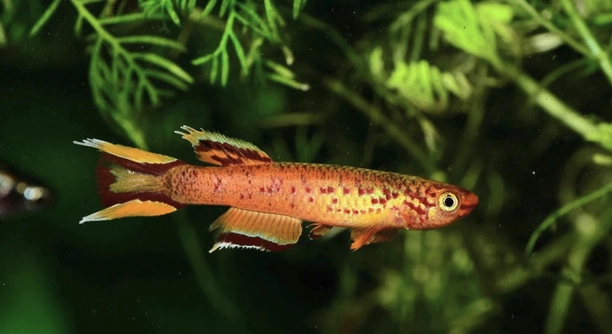
Killi fish are small, colorful freshwater fish often admired by aquarium enthusiasts. Many hobbyists consider adding them to their tanks because of their unique appearance and behavior. Understanding how they interact with other fish is important before introducing them.
Killi fish can be kept in community tanks, but caution is needed. They may display territorial behavior and aggression, especially males, which can stress or harm other fish. Proper tank size, hiding spots, and compatible tank mates help reduce conflicts.
Learning how to create a peaceful environment for killi fish ensures a healthier tank for all its inhabitants. This article will explore the best practices for keeping them successfully in community setups.
Behavior and Temperament of Killi Fish
Killi fish are known for their vibrant colors and active swimming patterns, but their behavior can vary widely depending on the species. Some killis are peaceful, while others may show aggression, especially during breeding periods. Males often become territorial, defending their space against other males or similar-looking fish. This can lead to chasing or fin nipping if the tank is too small or crowded. Female killis are usually less aggressive and tend to be more social. Observing your killi fish closely will help you understand their individual temperaments. Providing plenty of hiding spots and plants can reduce stress and give the fish areas to retreat. This helps maintain a more balanced tank where aggression is kept to a minimum. It’s important to select tank mates that can tolerate the killis’ activity level and temperament to avoid unnecessary conflicts.
Killi fish temperament can change with the environment, so monitoring interactions is key for a peaceful community tank.
Creating a tank setup with appropriate decorations and enough space can greatly improve the social dynamics. Adding floating plants or dense vegetation encourages natural behaviors and gives shy fish places to hide. Avoid placing killis with overly aggressive or very passive fish, as both can lead to stress. Regular observation and adjusting the tank environment will support the wellbeing of all species involved.
Choosing Compatible Tank Mates
Selecting suitable tank mates is critical to keeping killi fish happy and healthy. Ideal companions are generally small, peaceful fish that do not compete aggressively for territory or food. Avoid large or highly territorial fish that may intimidate or harm killis. Fast swimmers or those occupying different tank levels can coexist well, as they reduce direct encounters. Invertebrates like shrimp or snails may also be good additions but check species compatibility carefully. The goal is to create a community where fish can coexist without constant stress or conflict. Regularly reviewing tank dynamics and making adjustments helps maintain a stable environment for killis and their tank mates.
Tank Setup for Killi Fish
A well-planned tank setup is essential for killi fish to thrive. They need plenty of plants, hiding spots, and a secure lid since some species can jump. Water quality should be stable, with moderate filtration and gentle flow.
Plants like Java moss, floating plants, and dense greenery provide shelter and breeding areas. A soft substrate helps replicate their natural habitat and keeps them comfortable. Lighting should not be too strong, as killis prefer dimmer conditions. Maintaining a water temperature between 72°F and 78°F suits most species. Frequent water changes and monitoring parameters like pH and hardness will keep the environment healthy. Keeping a low-stress setting with enough space helps reduce aggression and supports their natural behavior.
A tank size of at least 10 gallons is recommended for a small group, with larger tanks preferred for community setups. Proper decoration and space reduce fighting and promote peaceful interactions.
Feeding Killi Fish in Community Tanks
Killi fish enjoy a varied diet including live foods like daphnia, bloodworms, and brine shrimp. High-quality flakes or pellets can be used to supplement their nutrition. Feeding small portions two to three times daily prevents overfeeding and maintains water quality.
Since killis are carnivorous, protein-rich food supports their health and vibrant colors. In community tanks, feeding time should ensure all fish get adequate nutrition without competition. Offering food in multiple spots helps shy or slower fish access meals. Observing eating habits will help identify if any fish are being outcompeted or stressed during feeding.
Maintaining a balanced diet promotes energy and reduces aggressive behavior caused by hunger. Adjusting feeding routines based on the tank population keeps all fish well-fed and content.
Common Health Issues in Killi Fish
Killi fish are generally hardy but can suffer from common freshwater diseases like ich and fin rot. Poor water quality and stress increase their risk of illness. Regular tank maintenance helps prevent health problems.
Monitoring fish behavior and appearance can catch early signs of disease. Quarantining new fish before adding them to the community tank reduces risks.
Breeding Killi Fish in Community Tanks
Breeding killis in community tanks is challenging because males may become aggressive while protecting eggs. Providing plenty of hiding places and separating fry quickly improves survival rates. Many hobbyists use separate breeding tanks to protect young fish and reduce stress on adults.
Water Conditions for Killi Fish
Stable water parameters with a pH around 6.0–7.5 and soft to moderately hard water suit most killi species. Avoid sudden changes to prevent stress and illness. Maintaining temperature between 72°F and 78°F supports their health and activity.
Managing Aggression Among Killi Fish
Aggression is common, especially between males. Providing ample space and hiding spots helps reduce fights. Separating overly aggressive fish prevents injury and stress in the community tank.
FAQ
Can killi fish live peacefully with other fish?
Killi fish can live peacefully with other fish if the tank is set up properly and compatible species are chosen. They tend to be territorial, especially males, so tank size and hiding spots are important. Peaceful, similarly sized fish that don’t compete aggressively work best as tank mates.
What tank size is best for a community with killi fish?
A minimum of 10 gallons is recommended for a small group of killi fish. Larger tanks, around 20 gallons or more, work better for community setups. This gives enough space for territories and reduces stress from crowding.
What type of plants should I use with killi fish?
Dense plants like Java moss, hornwort, and floating plants provide good shelter. These plants create hiding spots for shy fish and breeding areas for killis. Avoid very sharp or rough plants that might harm delicate fins.
How often should I feed killi fish?
Feed killis small amounts two to three times a day. Their diet should include live or frozen protein-rich foods like bloodworms, daphnia, and brine shrimp. Supplement with high-quality flakes or pellets, but avoid overfeeding to keep water clean.
Can killi fish jump out of the tank?
Yes, some killi species are known to jump. A tight-fitting lid is necessary to prevent escapes. Floating plants can also help reduce jumping by providing cover near the water surface.
How do I know if my killi fish is stressed?
Signs of stress include hiding more than usual, loss of color, lethargy, and reduced appetite. Aggression or unusual swimming patterns can also indicate stress. Checking water parameters and tank conditions often helps solve these issues.
Are killi fish compatible with shrimp and snails?
Many killi fish may eat small shrimp or snail babies. Larger or fast-moving shrimp species might coexist, but it depends on the specific killis and tank setup. Observing interactions closely helps determine compatibility.
What water parameters do killi fish prefer?
Killi fish thrive in slightly acidic to neutral water, with a pH between 6.0 and 7.5. They prefer soft to moderately hard water and temperatures from 72°F to 78°F. Stable conditions are crucial to avoid stress.
How do I breed killi fish in a community tank?
Breeding in a community tank is difficult due to male aggression and the risk to eggs or fry. Providing dense plants helps, but many keepers use separate breeding tanks to protect young fish and reduce adult stress.
How should I manage aggression among killi fish?
Aggression is common, especially between males. Provide enough space and hiding spots to reduce fights. If aggression persists, separate aggressive individuals to prevent injury and stress in the tank.
How often should I do water changes in a community tank with killi fish?
Weekly water changes of 20–30% help maintain good water quality. Regular cleaning prevents buildup of harmful chemicals and supports fish health. Monitoring water parameters helps decide if more frequent changes are needed.
Are killi fish good for beginners?
Killi fish require careful attention to water quality, tank mates, and tank setup. They are not the easiest fish for beginners but can be kept successfully with proper research and care. Their unique colors and behaviors make the effort worthwhile.
Can killi fish tolerate different water temperatures?
Most killis prefer stable temperatures between 72°F and 78°F. Sudden temperature changes can cause stress or illness. Tropical species may need heaters, while some temperate species tolerate cooler water but still benefit from stable conditions.
What signs indicate a healthy killi fish?
Bright, vibrant colors, active swimming, and regular feeding show a healthy killi. Clear eyes and intact fins also indicate good health. A calm social behavior without excessive hiding or aggression suggests they are comfortable.
Is it necessary to quarantine new fish before adding them to a community tank with killis?
Yes, quarantining new fish helps prevent introducing diseases or parasites that could harm your killis and other tank inhabitants. A quarantine period of two to four weeks is recommended before adding new fish to the main tank.
Killi fish are interesting and colorful additions to many home aquariums. They can live in community tanks if the right conditions are met. Their behavior varies depending on species, but many killis are territorial, especially males. This means they may sometimes act aggressive toward other fish. Because of this, it is important to choose tank mates carefully and provide enough space and hiding places for all fish. A tank with plenty of plants and decorations can help reduce conflicts and make the fish feel safer.
Maintaining proper water conditions is also key to keeping killi fish healthy. They prefer soft to moderately hard water with a stable temperature between 72°F and 78°F. Regular water changes and monitoring water quality help avoid stress and illness. Feeding killis a balanced diet with live or frozen foods, supplemented with quality flakes or pellets, supports their health and vibrant colors. Paying attention to their behavior during feeding times ensures all fish get enough food without competition.
In summary, keeping killi fish in a community tank requires thoughtful planning and care. Providing a suitable tank size, compatible fish, plenty of hiding spots, and stable water conditions can lead to a peaceful environment. While some challenges may arise, such as aggression or breeding difficulties, proper management and observation help create a balanced and healthy aquarium. With patience and attention, killi fish can thrive alongside other peaceful species, adding beauty and activity to your tank.

Hello,
If you enjoy the content that we create, please consider saying a "Thank You!" by leaving a tip.
Every little bit helps us continue crafting quality advice that supports the health, happiness, and well-being of pets around the world, for pets of all shapes, sizes, and species.
We really appreciate the kindness and support that you show us!