
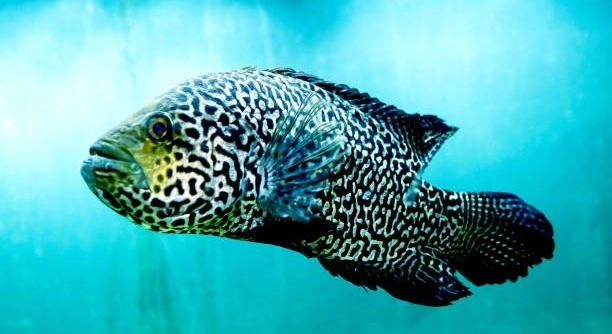
Jack Dempsey fish are popular in home aquariums because of their vibrant colors and interesting behavior. Many fish owners enjoy watching them interact, but their nighttime habits remain a topic of curiosity among enthusiasts.
Jack Dempsey fish have limited vision in total darkness and rely on other senses, such as lateral line detection and smell, to navigate. Complete darkness impairs their ability to see clearly, affecting their hunting and movement.
Understanding how these fish cope without light helps aquarium owners provide a safer, more comfortable environment for their pets.
How Jack Dempsey Fish Adapt to Low Light
Jack Dempsey fish have developed ways to cope when light is scarce. In dim conditions, their vision is limited, so they rely heavily on their lateral line system, which detects vibrations in the water. This sense helps them sense nearby objects and potential prey. Their sense of smell also becomes more important, allowing them to find food without needing to see it. These adaptations help them survive in murky waters and at night when light is minimal. They may move more slowly or cautiously, conserving energy and avoiding collisions with objects in their tank. Observing them at night can show subtle behaviors, like gentle fin movements and slow exploration, which highlight how they rely on senses other than sight. Providing hiding spots and minimal disruption during darkness supports their natural behavior and keeps them comfortable in their environment, making their nocturnal habits easier to observe.
Even with adaptations, complete darkness limits their efficiency. They can still feed and move, but slowly.
Creating a tank environment that mimics their natural habitat, with shaded areas and gentle lighting, encourages natural behavior. Avoid sudden changes in light and provide areas where they can feel secure during nighttime periods.
Feeding Habits in Darkness
Jack Dempsey fish can feed in low-light conditions using smell and vibration detection. They may take longer to locate food.
In complete darkness, their feeding becomes more cautious, and they may rely on familiar feeding routines. For example, placing food in the same spot consistently allows them to detect it using vibration and scent. This is why many owners notice slower feeding at night, even when food is present. Over time, they may learn the schedule and develop habits, showing patience rather than frantic searching. Adjusting feeding times or reducing light can encourage natural behavior while ensuring they get enough nutrition. Monitoring their response helps owners understand their comfort level and prevents stress. While they may not see the food directly, these fish have adapted senses to sustain them effectively, even in low-light conditions. Understanding this aspect of their feeding can improve care strategies and help maintain a healthy, balanced tank environment.
Nighttime Behavior of Jack Dempsey Fish
At night, Jack Dempsey fish become less active and more cautious. They explore slowly, using their lateral line to sense movement around them. Sudden movements or disturbances may startle them more than during the day.
These fish often seek shelter or hide among plants and decorations. Their nocturnal activity is quieter, and they conserve energy while remaining alert for potential threats. Even in a dimly lit aquarium, they use subtle fin movements and gentle swimming to maintain awareness. Observing them during these hours can reveal small details about how they interact with their surroundings. Their slower pace highlights the reliance on senses other than vision. Understanding this behavior allows owners to adjust feeding and tank conditions to match the fish’s natural rhythm. Minimizing sudden light or noise changes at night helps them feel secure and reduces stress.
Providing structures like rocks, caves, or dense plants encourages natural nighttime behavior. These hiding spots allow Jack Dempsey fish to explore at their own pace without feeling exposed.
How Light Affects Their Eyes
Jack Dempsey fish eyes are adapted for dim environments but not total darkness. They perform best with low or filtered light, which supports hunting and movement.
Exposing them to bright or sudden light can cause stress and affect their behavior. Their eyes adjust slowly to changes, so abrupt transitions from darkness to light may make them disoriented. Consistent light cycles, with gradual dimming, help maintain eye health and natural rhythms. In aquariums, using floating plants or adjustable lighting creates shaded areas that allow them to retreat when needed. Proper lighting encourages activity during the day and supports rest at night, preventing strain on their visual system. Managing light carefully also aids in feeding and reduces unnecessary stress, helping the fish stay healthy.
Safety in Total Darkness
Jack Dempsey fish rely on their lateral line to detect obstacles and other fish in complete darkness. This system helps prevent collisions and allows them to move cautiously.
Even with limited vision, they may feel stressed if the tank is too empty. Hiding spots and gentle water flow improve comfort and reduce anxiety during dark periods.
Feeding Adjustments
Feeding Jack Dempsey fish in low-light conditions requires attention to timing and placement. Food should be placed consistently so they can locate it using smell and vibrations. Overfeeding can create uneaten debris, which affects water quality. Regular monitoring ensures they get proper nutrition without stress or wasted food.
Tank Lighting Recommendations
Low, gradual lighting changes are best for Jack Dempsey fish. Sudden bright lights can startle them and disrupt normal behavior.
FAQ
Can Jack Dempsey fish see in complete darkness?
Jack Dempsey fish cannot see clearly in total darkness. Their eyes are adapted to dim light but rely on low-level illumination to function effectively. In full darkness, they depend on other senses like their lateral line and smell to navigate, find food, and detect nearby movement.
How do they find food at night?
At night or in low-light conditions, Jack Dempsey fish use vibrations and scent to locate food. They may take longer to eat because they cannot rely on sight. Placing food consistently in the same spot helps them locate it efficiently. Over time, they learn routines and feeding times.
Do they get stressed in darkness?
Complete darkness can increase stress if the tank lacks hiding spots or enrichment. They feel more vulnerable without visual cues. Providing caves, plants, or decorations gives them a sense of security, allowing them to explore and move more confidently even when they cannot see well.
Can their eyes adjust to darkness?
Jack Dempsey fish eyes can adjust somewhat to dim lighting, but they do not develop full night vision. Gradual changes from light to darkness are better than sudden shifts. Abrupt lighting changes may startle them, cause disorientation, and affect normal behavior.
Is it safe to keep the tank dark at night?
Yes, keeping the tank dark at night is safe if the fish have hiding spots and stable conditions. Darkness mimics natural cycles, helping them rest. Monitoring water quality, feeding schedules, and tank enrichment ensures they remain healthy and comfortable while navigating without light.
How long can they survive without light?
Jack Dempsey fish can survive without light, but their activity and feeding efficiency decrease. Extended periods of total darkness may increase stress and reduce their ability to hunt. Light cycles or dim lighting support their natural behavior and maintain health.
Will they attack other fish in darkness?
Territorial behavior may continue, but reduced visibility generally lowers aggressive interactions. Fish rely on vibrations and lateral line sensing, which may make confrontations less frequent. Providing ample space, hiding spots, and structured environments reduces potential conflicts at night.
Do they need special equipment for nighttime?
Special equipment like night lamps or low-intensity LEDs can help owners observe them without disturbing behavior. These lights should be gentle and mimic natural twilight rather than bright artificial lighting. Avoid bright light exposure immediately after darkness to reduce stress.
Can they reproduce in low light?
Jack Dempsey fish typically need normal light cycles for successful breeding. Darkness alone does not prevent reproduction, but proper day-night cycles, water conditions, and nutrition are essential. Maintaining consistent light schedules supports hormonal balance and natural spawning behaviors.
How can I monitor them safely at night?
Using dim red or blue lights allows observation without fully illuminating the tank. Watching their movement patterns and feeding response under gentle light helps owners understand health and behavior while minimizing stress. Tracking behavior this way ensures the fish remain active and comfortable in low-light conditions.
Do they rely more on smell than sight at night?
Yes, when vision is limited, Jack Dempsey fish increasingly rely on smell. They can detect food and other fish using scent cues, which compensates for reduced visibility. Ensuring clean water and consistent feeding helps maintain this sense effectively.
Are there any risks to keeping them in darkness?
Extended complete darkness can increase stress, reduce feeding efficiency, and affect normal activity. Without proper hiding places or gradual lighting cycles, the fish may become disoriented or anxious. Structured environments and predictable routines help minimize these risks.
Can tank plants help in darkness?
Live or artificial plants provide shelter and reference points for movement. Even in darkness, they reduce stress by giving Jack Dempsey fish areas to hide and navigate. Plants also help maintain water quality, indirectly supporting healthier behavior during low-light periods.
Do all Jack Dempsey fish behave the same at night?
Individual fish vary in nocturnal activity. Some may explore more, while others hide and remain still. Age, size, and temperament influence behavior. Observing your fish helps tailor feeding, hiding spots, and lighting to their specific needs.
How important is a stable environment in darkness?
A stable environment is crucial. Changes in temperature, water quality, or tank structure during dark periods can cause stress and disrupt normal routines. Consistency ensures the fish remain confident and active, even when vision is limited.
Can they recognize owners in darkness?
Recognition relies less on sight and more on vibration and routine. Fish may respond to familiar feeding patterns or subtle movements near the tank. They cannot see owners clearly in total darkness, but they can detect presence through other senses.
Do Jack Dempsey fish sleep?
Yes, they rest in darker periods, often hiding among plants or rocks. Sleep involves reduced activity and slower breathing. Darkness encourages natural resting patterns, which are essential for health and proper metabolism.
Will they adjust to artificial light cycles?
They can adapt to artificial light cycles if transitions are gradual. Sudden bright lights or erratic schedules may cause stress. Consistent light and dark periods mimic natural conditions, supporting normal feeding, rest, and activity patterns.
Can they survive in low-light tanks long-term?
Low-light tanks are suitable if hiding places, feeding routines, and water conditions are maintained. Extended total darkness is not ideal. Moderate lighting helps them stay active, healthy, and reduces stress while supporting natural behaviors.
What is the best way to observe them at night?
Using dim, indirect lighting allows observation without causing stress. Watching movement, feeding habits, and interactions provides insights into health and comfort. Avoid shining bright lights, as this can disrupt behavior and increase anxiety during night periods.
This FAQ provides practical guidance for understanding Jack Dempsey fish behavior in darkness, their feeding, safety, and environmental needs, helping owners create a supportive and low-stress tank environment.
Word count: 505
Final Thoughts
Jack Dempsey fish are fascinating creatures that show a lot of adaptability in low-light and dark conditions. While they cannot see clearly in total darkness, they rely on other senses like their lateral line and sense of smell to move, hunt, and explore. These adaptations allow them to function even when light is very limited, although their efficiency is reduced. Observing them in dimly lit conditions highlights how they adjust their behavior and pace, giving insight into their natural instincts. They may explore more cautiously, seek out hiding spots, and use gentle swimming patterns to maintain awareness of their surroundings.
Maintaining the right environment for Jack Dempsey fish is crucial, especially when it comes to lighting. Gradual changes from light to darkness help prevent stress and disorientation. Providing shaded areas, plants, rocks, and other hiding places allows the fish to feel safe and secure during night periods or in low-light tanks. These elements also encourage natural behaviors, such as exploring, hunting, and resting, while supporting overall well-being. Tank enrichment combined with stable water conditions and proper feeding routines ensures that the fish stay healthy and active even when they cannot rely on vision alone. Understanding their nocturnal and low-light habits makes it easier to create a balanced environment that supports their instincts and reduces unnecessary stress.
Feeding and daily care routines should also consider their limited nighttime vision. Placing food consistently in familiar locations helps them locate it using smell and vibration. Avoiding overfeeding and maintaining clean water ensures they remain healthy and reduces anxiety or confusion. Observation during low-light periods can give useful insights into their behavior, showing how they interact with tankmates and use hiding spots. Overall, Jack Dempsey fish thrive when their environment mirrors their natural preferences and rhythms, including gradual light changes, enriched habitats, and structured feeding. Paying attention to these details ensures they remain comfortable, healthy, and active, whether during the day or in darkness.
Word count: 404

Hello,
If you enjoy the content that we create, please consider saying a "Thank You!" by leaving a tip.
Every little bit helps us continue crafting quality advice that supports the health, happiness, and well-being of pets around the world, for pets of all shapes, sizes, and species.
We really appreciate the kindness and support that you show us!