
Write in a simplistic style, 3 paragraphs for the intro of the article: “Can Jack Dempsey Fish Recover from Shock?”. Make it sound partially friendly. Follow the format mentioned. Do not say: “Picture this” or “Stay tuned” or “Dive” or “Delve”; Use the Format:; Paragraph: 35 words that will be a short intro to the article. (use a simplistic style and a neutral tone, avoid using questions) Examples:; “Do you love baking pies but find yourself wondering how long your pie dough will stay fresh in the fridge?”; “Have you ever wondered how …”; “Do you ever find yourself …“; “Have you ever …” ; “Are your…”; “Is your…”; “Do your brownies sometimes end up too oily, leaving you with a less-than-perfect treat?”; Paragraph: A straight to the point response to the question in the title that is 40 words long (bold this paragraph, use a formal tone, like you are writing a research paper).; Examples: ; “The simplest way to get your pie to brown on the bottom is by baking it on the lowest oven rack. Placing your pie closer to the heat source allows the bottom crust to crisp up and brown evenly and quicker.”; “The main reason your no-knead bread is too wet is due to overproofing. Allowing the dough to rise for too long can cause it to become excessively hydrated and lose its structure”; “Ferrets stare at their owners as a sign of affection and curiosity. This gaze is a way of bonding and showing trust. Additionally, ferrets are naturally curious creatures, and they may be observing you to learn more about their environment.”; “The most common reason why your bundt cake is not cooking in the middle stems from incorrect oven temperature. Ovens can be finicky and inconsistent, leading to uneven baking. A simple way to avoid this problem is to use an oven thermometer.”; Paragraph: 20 words that will make the reader want to keep reading the rest of the article. (use a simplistic style and a neutral tone) (Do not say ”Curious to“, avoid using questions, avoid saying “Delve”); Examples:; “While the tiny trimmings may seem harmless, there is a deeper story behind your guinea pigs barbering adventures.” ; “Leaving pizza dough refrigerated is a common practice for many, however, it is beneficial to know how leaving it out may impact the cooking process.”; “From the art of toppings and the battle of sauces to the influence of ovens, we will uncover the secrets that make each slice unique.”.; “Understanding these factors will not only help you address current issues but also ensure your axolotls long-term health and happiness in its aquatic habitat. Dive in to explore more!”; “So, what can you do to get your axolotl back on track?“; “Your guinea pigs deserve a well-balanced diet, and we are here to guide you through the ins and outs of incorporating eggplant into their munch-worthy repertoire.”; Note: do not exceed the given word count.; Note: pretend you are a woman.
Causes of Shock in Jack Dempsey Fish
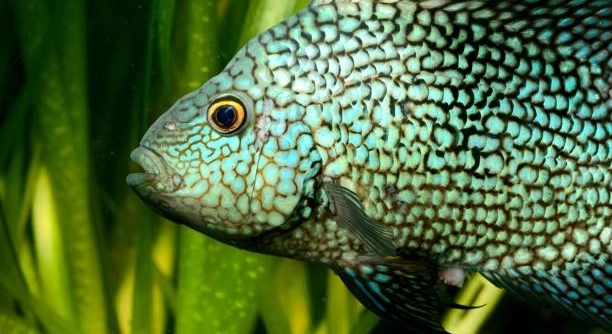
Jack Dempsey fish can experience shock for several reasons. Sudden changes in water temperature often trigger stress, as these fish prefer stable, warm waters. Poor water quality, like high ammonia or nitrite levels, can also overwhelm their system quickly. Overhandling or aggressive tank mates may frighten them, causing rapid breathing or hiding. Even a new tank setup without proper acclimation can lead to shock. Diet changes or overfeeding sometimes add extra stress on their metabolism. It’s important to observe behavior daily and notice early signs such as lethargy, clamped fins, or lack of appetite. Stress weakens their immune system, making them more prone to diseases. A well-maintained tank with consistent conditions helps prevent shock. Providing hiding spots and gentle handling ensures your fish feels secure. Regular testing of water parameters and gradual adjustments can save your fish from unnecessary stress and improve overall health.
Early detection of stress allows for faster recovery and better overall well-being of your Jack Dempsey.
Monitoring water quality consistently and reducing sudden disturbances will help your fish remain calm. Adjusting the environment slowly, offering familiar foods, and keeping the tank quiet allows the fish to regain normal behavior. Observing small changes daily helps prevent future episodes of shock. Patience and attention are key to their health.
Recovery Steps After Shock
Once your Jack Dempsey shows signs of shock, it’s essential to act promptly. Moving the fish to a smaller quarantine tank with clean, temperature-controlled water reduces additional stress. Adding mild stress-reducing additives like aquarium salts can help stabilize gill function. Keep lighting low and minimize sudden movements around the tank. Ensure water parameters match their original tank as closely as possible to avoid further shock. Avoid feeding for a day or two if the fish refuses food, then offer easily digestible meals. Regularly check for signs of infection or fin damage, as stressed fish are more susceptible. Gentle handling and quiet surroundings allow your fish to focus energy on recovery. Consistent monitoring and patience increase the likelihood of full recovery.
Recovery may take several days to a week, depending on the severity of the shock. Some fish bounce back quickly, while others need extra care. Maintaining stable conditions, proper feeding, and minimal disturbance are critical. Observing subtle behavioral improvements, like increased movement or interest in food, signals progress. Long-term care includes preventing sudden changes in water quality and temperature, and ensuring compatible tank mates. A calm, stress-free environment supports overall health. By following these steps, your Jack Dempsey can regain strength and return to normal activity, improving both its lifespan and quality of life.
Signs Your Jack Dempsey Is in Shock
Lethargy is often the first noticeable sign of shock. The fish may hide constantly, swim slowly, or hover near the bottom. Clamped fins, rapid gill movement, and refusal to eat are common indicators. Noticing these early can make recovery much easier.
Other behaviors can confirm stress. Your Jack Dempsey might dart suddenly, flash against tank walls, or avoid other fish. Fading coloration or darkened patches on the body are subtle signs that stress is affecting its health. Even minor changes in behavior, like reduced interaction with its environment, can indicate shock. Consistent observation helps you act before the problem worsens.
Physical symptoms often accompany behavioral changes. Swollen gills, fin damage, or pale spots can appear if shock continues. Stress weakens immunity, making the fish more prone to infections. It is crucial to maintain clean water, proper temperature, and minimal disturbances during recovery. Early intervention improves survival and reduces long-term health issues.
Preventing Shock in Jack Dempsey Fish
Maintaining stable water conditions prevents most shock cases. Regular testing of pH, ammonia, nitrite, and temperature is essential. Gradual adjustments, rather than sudden changes, protect sensitive fish. Avoid overcrowding and provide hiding spaces to reduce stress.
Tank setup plays a big role in prevention. Using soft substrates, plants, and secure decorations gives Jack Dempseys a sense of safety. Introduce new fish slowly to avoid aggressive encounters. Feeding a consistent, balanced diet supports their immune system, helping them resist stress. Frequent observation allows for early detection of potential problems, ensuring your fish remain healthy.
Stress can also result from poor handling or loud noises near the tank. Minimizing disturbances, maintaining routine care, and using gentle nets when necessary reduce shock risk. Stable lighting and avoiding sudden temperature swings further protect the fish. Observing water flow, filtration, and overall tank harmony creates a safe environment. Regular attention to these details ensures your Jack Dempsey thrives, limiting stress-related health issues and promoting natural behavior.
Common Mistakes That Worsen Shock
Overhandling your Jack Dempsey can increase stress instead of helping. Frequent netting, sudden movements, or tapping on the glass may worsen its condition. Minimizing interaction during recovery is crucial.
Sudden water changes are another mistake. Pouring in untreated or cooler water shocks the fish further. Always adjust water gradually and test parameters before adding it to the tank.
Proper Feeding During Recovery
During recovery, it’s best to offer small, easily digestible meals. Soft, high-quality foods like pellets soaked in water or frozen brine shrimp are ideal. Avoid overfeeding, as stress can make digestion slower and lead to bloating or further health issues. Monitor appetite carefully and feed only what the fish consumes within a few minutes to prevent uneaten food from affecting water quality. Keeping meals consistent in timing and type helps the fish regain strength gradually, supporting overall recovery without adding additional stress to its system.
Long-Term Care Tips
Consistent monitoring of water and fish behavior reduces the risk of future shock. Maintain stable temperatures and water quality.
FAQ
What are the main signs that my Jack Dempsey is in shock?
Lethargy is the most noticeable sign. The fish may stay at the bottom, hide more than usual, or swim slowly. Clamped fins, rapid gill movement, and refusal to eat are common indicators. Sudden color changes or darkened patches on the body also show stress. Observing behavior daily helps catch these signs early.
How long does it take for a Jack Dempsey to recover from shock?
Recovery time depends on the severity of the shock. Mild stress may resolve in a few days if the environment is stable. Severe or prolonged shock could take a week or more. Consistent care, clean water, and minimal disturbances improve recovery speed. Regular observation ensures progress and avoids setbacks.
Can water temperature changes cause shock?
Yes, sudden temperature changes are a common trigger. Jack Dempseys prefer warm, stable water, and even a few degrees difference can stress them. Gradual adjustments and careful monitoring are necessary to prevent shock when moving fish or changing tanks.
Should I feed my fish while it’s recovering?
Feeding should be small and easy to digest. Soft pellets, soaked foods, or frozen brine shrimp are ideal. Avoid overfeeding because digestion slows during stress. Feed only what is eaten in a few minutes to prevent leftover food from polluting the tank and causing more stress.
Is it necessary to use a quarantine tank during recovery?
Yes, a quarantine or hospital tank helps reduce stress. It allows control over water quality, temperature, and light without interference from other fish. This environment gives your Jack Dempsey a better chance to recover quickly and safely. Hiding spots should be included to make the fish feel secure.
Can stress lead to disease in Jack Dempseys?
Stress weakens the immune system, making fish more vulnerable to infections like fin rot, bacterial infections, or parasites. Maintaining clean water, stable conditions, and minimizing disturbances are crucial to prevent stress-related illnesses. Early action at the first signs of shock reduces the risk of long-term health problems.
Are there additives that help with recovery?
Mild aquarium salts or stress-reducing additives can help stabilize gill function and reduce stress. Always follow dosage instructions carefully. These additives support recovery but are not a substitute for proper water conditions, gentle handling, and minimizing disturbances in the tank.
How often should I check water parameters during recovery?
Water testing should be daily during recovery. Check pH, ammonia, nitrites, and temperature to ensure stability. Even small fluctuations can affect a stressed fish. Consistent monitoring prevents additional shock and ensures the environment remains safe while the Jack Dempsey regains strength.
Can aggressive tank mates worsen shock?
Yes, aggressive or overly active fish can increase stress, preventing recovery. Separating the Jack Dempsey or providing plenty of hiding spots reduces interactions and supports healing. Observation of social behavior is important to maintain a calm environment.
What long-term steps help prevent future shock?
Stable water, consistent temperature, gradual adjustments, proper diet, and careful handling are essential. Avoid overcrowding, monitor behavior regularly, and provide a secure environment with hiding spaces. Following these practices creates a stress-free home, helping your Jack Dempsey stay healthy and resilient.
Is it normal for my fish to hide after recovery?
Yes, hiding can continue briefly even after recovery. It’s a natural behavior for security. As long as the fish shows normal movement, appetite, and color, this is usually not a concern. Continued monitoring ensures there are no lingering stress effects.
Can sudden lighting changes cause stress?
Yes, abrupt shifts in light intensity or duration may stress Jack Dempseys. Use gradual transitions or dimmed lighting during recovery. Consistent light cycles also support normal behavior and reduce the risk of recurring shock.
How important is tank decoration in preventing stress?
Decorations and plants provide hiding spots, helping fish feel secure. A tank without safe spaces can make fish more prone to stress. Use soft substrates, rocks, and plants to reduce exposure and create a comfortable environment, which helps prevent shock episodes.
Should I use medication after shock?
Medication is only necessary if signs of disease appear, such as fin rot or infection. Avoid unnecessary treatments, as these can stress the fish further. Focus first on stable water, quiet surroundings, and proper feeding. Medication can be introduced under guidance if a secondary health issue arises.
Can young Jack Dempseys recover as well as adults?
Younger fish may recover faster due to stronger resilience, but they are also more sensitive to environmental changes. Adults can recover too, but care must be consistent and stress minimized. Both require careful monitoring, stable water, and proper diet for full recovery.
How do I know if recovery is complete?
Signs of full recovery include normal swimming, appetite, coloration, and interaction with the environment. Clamped fins should open fully, and hiding behavior should reduce. Consistent observation ensures no hidden stress or lingering health issues remain. Recovery is gradual and requires patience.
Can repeated shock events have long-term effects?
Yes, repeated stress episodes weaken the immune system, affect growth, and may lead to chronic health problems. Preventing sudden changes, maintaining stable conditions, and minimizing handling reduce the risk of repeated shock and help ensure a long, healthy life for your Jack Dempsey.
Is it okay to keep multiple Jack Dempseys together?
They can be kept together if the tank is large and well-structured. Overcrowding or aggressive behavior can increase stress. Proper spacing, hiding spots, and monitoring behavior are necessary to prevent shock and maintain harmony among multiple fish.
What is the role of water changes during recovery?
Small, gradual water changes help maintain water quality without adding stress. Large or sudden changes can worsen shock. Use temperature-matched water, and test parameters before adding it. This supports healing while keeping the environment stable and safe.
How much handling is safe during recovery?
Minimal handling is crucial. Only handle your fish if absolutely necessary, such as during tank transfers. Avoid nets and direct contact whenever possible. Reducing handling lowers stress, giving your Jack Dempsey the best chance to recover fully.
Are there foods that help recovery specifically?
High-quality, protein-rich foods like soaked pellets or frozen brine shrimp are best. They provide nutrients without overloading the digestive system. Feeding small portions regularly helps restore energy and supports healing while keeping water clean.
Can stress affect breeding in Jack Dempseys?
Yes, stressed fish are less likely to breed successfully. Shock or prolonged stress can reduce reproductive behavior and fertility. Maintaining calm, stable conditions and proper nutrition encourages natural breeding behavior once the fish is fully healthy.
Is observation enough to prevent future shocks?
Observation is essential but not enough alone. Combined with stable water, proper diet, hiding spaces, and minimal disturbances, it ensures your Jack Dempsey stays healthy and resilient. Regular attention to behavior and environment is key to long-term prevention.
Can seasonal changes affect stress levels?
Yes, temperature swings and light changes during seasonal shifts can stress Jack Dempseys. Gradual adjustment of water temperature and consistent lighting cycles help prevent shock. Maintaining stability throughout the year supports their health and reduces sensitivity to environmental changes.
How do I balance multiple preventive steps?
Focus on water quality, temperature stability, diet, minimal handling, and hiding spots. Observe behavior regularly and respond to changes quickly. Combining these measures creates a safe environment, reduces stress, and promotes overall health and recovery readiness for your Jack Dempsey.
What are common mistakes even experienced owners make?
Rushing water changes, overhandling, ignoring small behavioral changes, and introducing aggressive tank mates are frequent errors. Even experienced owners can overlook subtle stress signs. Patience, careful observation, and consistent maintenance prevent shock and ensure long-term health for the fish.
Are there signs that indicate permanent damage after shock?
Persistent lethargy, faded color, poor appetite, or abnormal swimming after recovery may indicate lasting effects. Early intervention can reduce severity, but prolonged shock sometimes leaves permanent health impacts. Monitoring and supporting recovery is critical to minimize long-term damage.
How can I make my tank more stress-free overall?
Stable water parameters, hiding spaces, compatible tank mates, minimal disturbances, gentle feeding, and consistent routines create a calm environment. Regular observation and small adjustments prevent sudden stress. A well-structured tank supports natural behavior, reduces shock risk, and promotes the overall health of your Jack Dempsey.
Jack Dempsey fish are strong and resilient, but they are also sensitive to sudden changes in their environment. Stress and shock can happen quickly, often without obvious warning. Even small differences in water temperature, pH, or ammonia levels can affect their health. Observing your fish daily is important because small changes in behavior, color, or appetite can indicate stress before it becomes severe. By paying attention to these details, you give your Jack Dempsey a better chance to recover if shock occurs. Lethargy, hiding, clamped fins, and rapid gill movement are all early signs that something is wrong. The earlier you respond, the easier it is to help your fish return to normal activity.
Recovery from shock takes patience and consistent care. Moving the fish to a quiet, stable environment with clean water and gentle lighting supports healing. Using a quarantine tank can prevent further stress from tank mates and allows you to control water quality more effectively. Feeding should be small and easily digestible meals, avoiding overfeeding, which can create additional stress or water quality issues. Gentle handling and minimal disturbances are key, as even well-intentioned care can sometimes make recovery slower if it adds stress. Observing small improvements in movement, color, and appetite are good indicators that your fish is healing properly. Maintaining stable water parameters and consistent routines is not only important during recovery but also helps prevent future episodes of shock.
Long-term care focuses on stability and prevention. Keeping water conditions consistent, providing hiding spaces, and monitoring the behavior of both your Jack Dempsey and its tank mates can reduce stress significantly. Sudden changes in lighting, temperature, or tank setup should be avoided whenever possible. Even experienced owners can overlook subtle signs of stress, so careful observation is always necessary. Preventing shock is easier than treating it, and a calm, stable environment allows your fish to thrive. With patience, attention, and proper care, your Jack Dempsey can recover fully from shock and enjoy a healthy, active life in your aquarium. Consistency in daily observation, feeding, and tank maintenance creates a secure habitat that supports both physical health and natural behavior over time.

Hello,
If you enjoy the content that we create, please consider saying a "Thank You!" by leaving a tip.
Every little bit helps us continue crafting quality advice that supports the health, happiness, and well-being of pets around the world, for pets of all shapes, sizes, and species.
We really appreciate the kindness and support that you show us!