
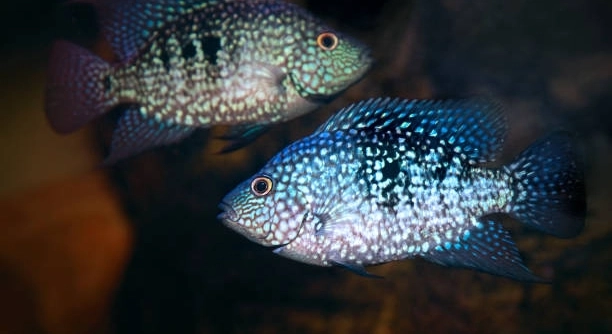
Jack Dempsey fish are popular freshwater aquarium species known for their vibrant colors and unique personalities. Many fish keepers notice their active behavior and are interested in how they interact with their environment. Observing them can be both relaxing and insightful.
Jack Dempsey fish can recognize tank boundaries through visual and spatial cues. They rely on consistent landmarks, tank walls, and objects to navigate their environment, which allows them to avoid obstacles and maintain awareness of their confined space effectively.
Understanding how these fish perceive their surroundings helps in setting up a tank that meets their behavioral and spatial needs. This knowledge can improve both their comfort and overall well-being in captivity.
How Jack Dempsey Fish Learn Their Tank
Jack Dempsey fish use a combination of sight and memory to understand their surroundings. They often swim along the same paths, gradually learning the edges of the tank and the location of decorations or plants. Over time, they recognize the walls without bumping into them. This behavior is shaped by repetition and environmental cues. Clear or mirrored surfaces may confuse them at first, but they usually adapt quickly. Tank size also plays a role. In smaller tanks, they learn boundaries faster due to frequent encounters with walls. Larger tanks require more time and exploration. Providing hiding spots and landmarks helps them navigate more confidently. Observing their movement patterns can reveal how they interact with the space and feel about their environment. Their behavior demonstrates both instinct and learned adaptation, showing they are capable of spatial awareness.
Using consistent tank features makes it easier for Jack Dempseys to adjust and feel secure in their environment.
Tank setup influences their ability to move comfortably. Decorations, plants, and even gravel color can guide their navigation. Adjustments should be gradual to avoid stress. Overcrowding or frequent rearrangements can lead to hesitation or aggression, as the fish rely on familiar layouts. Providing a stable environment supports natural behavior, encouraging them to explore without fear. These fish can also remember specific areas where they feed or hide, which shows a strong spatial memory. Observing how they respond to new objects or changes can inform care decisions. Regular observation ensures the tank meets their comfort needs and prevents unnecessary stress. A well-structured habitat enhances their overall health, activity level, and social interactions with other tank mates. Ensuring the tank environment is predictable helps them thrive in captivity, reflecting their adaptive intelligence and visual learning skills.
Signs Your Jack Dempsey Understands Its Tank
When a Jack Dempsey recognizes its boundaries, it will swim confidently without frequent collisions or hesitation.
Signs include consistent swimming paths, use of hiding spots, and avoiding repeated bumps. They may follow predictable routes around objects and walls, demonstrating comfort with the layout. Fish often pause briefly at corners or edges before turning, indicating spatial awareness. Adjustments in their behavior when new objects are added show learning and adaptation. Over time, they can distinguish between areas where they feed and areas meant for hiding. Watching these patterns helps assess whether the tank environment is suitable. A fish that consistently navigates its tank efficiently is likely experiencing less stress and exhibits more natural behaviors, such as exploring and defending territories. Ensuring clear water, stable decorations, and appropriate tank size supports this understanding. Recognition of boundaries also contributes to their interaction with other fish, as it reduces accidental confrontations and allows them to establish a comfortable personal space within the tank.
Common Mistakes That Affect Boundary Recognition
Overcrowding the tank can confuse Jack Dempsey fish and make it harder for them to recognize boundaries. Frequent rearrangement of decorations or sudden changes in lighting can also disrupt their spatial learning, causing stress or hesitation during swimming.
Providing too many objects or hiding spots may overwhelm the fish. They rely on stable landmarks to remember their surroundings, and constantly moving plants, rocks, or ornaments prevents them from establishing a clear mental map. Even well-meaning changes, like adding new decorations, should be done gradually. Maintaining consistency in tank layout allows them to swim confidently, interact naturally, and reduce stress. Stability supports learning, territorial behavior, and overall comfort.
Tank size matters. In smaller tanks, boundaries are learned quickly, but if the space is too small or crowded, fish can become anxious. In larger tanks, too few landmarks make navigation harder. Balancing open swimming areas with identifiable markers ensures they develop spatial awareness efficiently. Gradual introduction of new items helps them adapt while maintaining confidence. Observing their reaction to changes can guide adjustments for a healthier environment.
Environmental Factors That Help Navigation
Stable lighting, calm water flow, and visible landmarks improve boundary recognition in Jack Dempsey fish. Proper environmental conditions support their natural spatial learning and comfort.
Consistent lighting prevents shadows or reflections that may confuse the fish. Gentle water flow ensures they can swim without struggling, allowing for predictable movement patterns. Decorations and plants act as reference points, giving the fish recognizable markers for navigation. Avoid sudden changes that can startle them. Positioning feeding areas in familiar spots reinforces learned boundaries. Temperature stability also contributes to calm behavior, as fluctuating conditions may increase stress. A balanced combination of tank size, landmarks, and consistent care supports their ability to recognize edges, interact with the environment confidently, and maintain natural behavior over time.
Training and Observation Tips
Regular observation helps you understand how your Jack Dempsey navigates the tank. Watching their swimming patterns can reveal preferred paths, resting spots, and areas where they hesitate, which gives insight into their comfort level and boundary recognition.
Introducing new objects slowly allows the fish to adapt without stress. Gradual changes help them memorize new landmarks and maintain confidence while exploring the tank. Sudden rearrangements can lead to confusion or collisions, so patience is key. Small, consistent adjustments encourage natural behavior and support their learning process over time.
The Role of Feeding Areas
Placing feeding spots in consistent locations reinforces spatial memory. Fish learn to associate certain areas with food, which helps them understand tank layout and reduces aimless swimming or stress during feeding times.
Behavior Changes to Watch
Changes in swimming speed, frequent bumping, or hiding may indicate difficulty recognizing boundaries or stress. Monitoring these behaviors helps ensure their environment is suitable and supports healthy activity levels.
FAQ
How do Jack Dempsey fish learn tank boundaries?
Jack Dempsey fish learn tank boundaries mainly through visual cues and repeated movement. They notice walls, decorations, and plants, which act as reference points. Over time, swimming along the same routes helps them memorize where obstacles are. They also adjust their speed and turning behavior based on the space available, which shows they are aware of edges and objects around them.
Can tank size affect their boundary recognition?
Yes, tank size has a significant impact. Smaller tanks allow Jack Dempsey fish to encounter walls more often, helping them learn boundaries quickly. Larger tanks require more time and exploration. In bigger spaces, adding landmarks like plants, rocks, or ornaments helps the fish navigate confidently and reduces stress.
Do they need specific decorations for learning boundaries?
While decorations aren’t strictly necessary, they improve spatial awareness. Rocks, plants, or hiding spots give visual markers that the fish can remember. Clear areas combined with landmarks provide both open swimming space and reference points. Too many items can overwhelm them, so balance is important.
How can feeding routines help boundary recognition?
Placing food in the same location consistently reinforces spatial memory. Fish begin to associate specific spots with feeding, which encourages them to swim along familiar routes. Predictable feeding locations reduce aimless swimming, increase confidence, and improve overall comfort within the tank.
Do Jack Dempsey fish get confused by changes in the tank?
Sudden changes can confuse them. Rearranging decorations, moving plants, or adding new objects can disrupt their mental map. Gradual changes are better, allowing them to explore and adjust to new features without stress. Observation is key to ensure they adapt properly.
Can water clarity impact their ability to recognize boundaries?
Yes, water clarity is important. Murky or cloudy water can make it harder for the fish to see walls, decorations, and plants. Clear water allows visual cues to be effective, supporting navigation, learning, and confidence while swimming.
Do reflections affect their spatial awareness?
Reflections on glass can confuse them initially. Mirrors or clear surfaces may appear as another fish or open space, causing hesitation or minor collisions. Over time, they usually adapt and learn which reflections are not physical obstacles, but it may take some patience.
How do other fish influence boundary learning?
Tank mates can impact their movement and awareness of space. Aggressive or overly active fish may limit exploration, making it harder for Jack Dempseys to learn boundaries. Calm, compatible tank mates allow normal swimming patterns and proper spatial learning.
How long does it take for a Jack Dempsey to fully recognize a tank?
The timeline varies depending on tank size, decorations, and individual behavior. Small, simple tanks may only take a few days, while larger or more complex setups can take weeks. Regular observation and minimal sudden changes speed up adaptation.
What signs show a fish is comfortable with its boundaries?
Smooth, confident swimming along walls and around objects indicates comfort. They will use hiding spots predictably, follow familiar paths, and avoid frequent collisions. A fish that explores calmly without hesitation or panic has a good understanding of its environment.
Can stress affect boundary recognition?
Yes, stress can disrupt spatial awareness. Overcrowding, poor water quality, sudden rearrangements, or aggressive tank mates may cause hesitation, erratic swimming, or frequent bumping. Reducing stress through stable conditions and gradual changes helps maintain confidence and natural behavior.
Should tank layout be adjusted as the fish grows?
As Jack Dempseys grow, space requirements increase. Adjusting decorations or removing obstacles may be necessary to provide more swimming room. Keeping consistent landmarks while allowing extra space ensures they continue to navigate confidently as their size changes.
Is it possible for older fish to adapt to new boundaries?
Yes, but older fish may take longer to adjust. Patience and gradual introduction of changes are essential. Observing reactions helps ensure adaptation is smooth, and the fish maintains confidence while learning new spatial layouts.
How do hiding spots influence boundary recognition?
Hiding spots serve as reference points and safe zones. Fish learn their locations and use them to gauge surroundings. Consistent placement helps reinforce spatial memory, and moving them too often may confuse the fish or increase stress.
Can Jack Dempsey fish recognize boundaries in low light?
They rely heavily on vision, so low light can reduce their awareness. Dim conditions may cause slower swimming, hesitation, or bumping. Providing adequate lighting ensures boundaries are clear and promotes confident, natural behavior.
Does water flow impact navigation?
Strong currents can interfere with their swimming patterns, making it harder to judge distances or boundaries. Gentle, consistent water flow supports normal movement, spatial awareness, and learning of tank edges without added stress.
What role does memory play in tank recognition?
Memory is crucial. Repeated exposure to the same layout allows the fish to remember where walls, decorations, and hiding spots are. They also recall feeding locations, which reinforces learned paths. Memory helps them adapt quickly to minor changes while navigating confidently.
How often should the tank environment be evaluated?
Regular monitoring is important. Checking water clarity, decorations, and overall layout ensures the environment continues to support spatial learning. Observing fish behavior frequently reveals if adjustments are needed, helping them remain confident and stress-free.
Can Jack Dempseys distinguish between different areas of the tank?
Yes, they can differentiate between zones for feeding, hiding, or open swimming. They use visual cues and memory to navigate efficiently, avoiding collisions and establishing comfortable routes that support natural behavior.
How do changes in water temperature affect spatial awareness?
Sudden temperature fluctuations can stress the fish and reduce confidence. Consistent temperature allows normal swimming and predictable movement, supporting boundary recognition. Extreme changes may cause hesitation, hiding, or erratic behavior that disrupts spatial learning.
Does tank decoration complexity affect learning speed?
Complex layouts require more exploration and time to learn. Simple setups with clear landmarks help them recognize boundaries faster. Gradually increasing complexity allows the fish to adapt while maintaining confidence and reducing collisions.
How can observation improve tank management?
Watching their swimming patterns, hesitation points, and interactions with objects informs decisions about decorations, hiding spots, and feeding locations. Observation ensures the tank layout supports their natural behavior and minimizes stress, which enhances overall well-being.
Are there long-term benefits to proper boundary recognition?
Yes, fish that understand their tank layout exhibit calmer behavior, less stress, and improved interaction with tank mates. Proper recognition also encourages natural exploration, feeding patterns, and territorial behavior, promoting overall health and longevity in captivity.
What is the best way to introduce changes to the tank?
Introduce decorations, plants, or feeding spots gradually. Small, incremental adjustments allow Jack Dempseys to explore new features without stress. Sudden changes can cause confusion, collisions, or hesitation, so patience is key for successful adaptation.
Do Jack Dempsey fish ever forget boundaries?
They generally retain learned layouts, but major disruptions, stress, or changes in health can affect memory. Providing a stable, consistent environment helps maintain boundary recognition over time and supports confident, natural behavior in the tank.
How can tank mates influence adaptation to new boundaries?
Peaceful tank mates allow exploration and learning. Aggressive or overly active fish may limit movement, creating stress and making it harder to learn new layouts. Monitoring interactions ensures the environment supports both spatial learning and social comfort.
Can changes in lighting confuse them?
Yes, drastic changes in lighting can alter perception of walls, objects, and reflections. Gradual adjustments help them adapt while keeping boundaries recognizable. Stable, consistent lighting promotes normal swimming patterns and reduces hesitation or stress.
What is the impact of reflections on behavior?
Reflections may initially confuse them, causing hesitation or minor collisions. Over time, fish usually recognize that reflections are not obstacles. Limiting mirrored surfaces and providing stable landmarks improves confidence and supports navigation.
Are Jack Dempsey fish naturally good at spatial learning?
Yes, they demonstrate strong visual and spatial learning abilities. Repetition, consistent landmarks, and memory help them navigate efficiently, avoid obstacles, and adapt to gradual changes in their tank environment.
How does stress affect their ability to learn boundaries?
Stress reduces focus and can cause erratic swimming or hesitation. Maintaining stable tank conditions, compatible tank mates, and gradual changes helps the fish retain confidence and learn boundaries effectively.
Do they interact with their environment beyond boundary recognition?
Yes, they explore decorations, plants, and substrates, which supports mental stimulation. Familiarity with their environment helps them feel secure and encourages natural behaviors, such as defending territory, hiding, or foraging efficiently.
How important is observation for long-term tank management?
Observation is essential. Monitoring swimming patterns, reactions to changes, and interactions with tank mates ensures the environment continues to meet their needs. Adjustments based on behavior support confidence, reduce stress, and maintain healthy, natural behavior over time.
Can Jack Dempsey fish adapt to completely new tanks?
Yes, but adaptation requires time, patience, and gradual introduction of familiar features. Monitoring behavior, maintaining consistent landmarks, and avoiding sudden changes help them learn boundaries efficiently and reduce stress during transition.
Does age affect learning speed?
Younger fish tend to adapt more quickly. Older fish can still learn new layouts but may require more time. Gradual changes, observation, and consistent environments support spatial learning at any age.
How do hiding spots influence behavior?
Consistent hiding spots provide safe zones and reference points. Fish learn their locations, which helps with spatial awareness and reduces stress. Frequent movement of these areas can confuse them and disrupt learned boundaries.
Can feeding multiple times a day help with spatial memory?
Yes, regular feeding in consistent locations reinforces learned routes. Fish remember where food appears, which supports boundary recognition, reduces aimless swimming, and encourages confident movement throughout the tank.
How do tank decorations support confident swimming?
Landmarks like rocks, plants, or ornaments help fish navigate. They provide reference points, reduce collisions, and allow predictable paths. Balanced decoration placement supports both exploration and safety.
Is it normal for them to bump into objects occasionally?
Occasional bumps are normal during exploration, adaptation to new features, or reflections. Persistent collisions may indicate stress, poor water clarity, or confusing layouts, which should be addressed to maintain confidence.
Do Jack Dempseys rely more on sight than other senses?
Yes, vision is their primary sense for navigation. While they may use touch or lateral line sensing to detect movement in water, visual cues are essential for recognizing tank boundaries, landmarks, and feeding areas.
How does consistency affect their learning?
Consistency in tank layout, feeding locations, lighting, and water conditions allows Jack Dempseys to learn boundaries efficiently. Sudden changes can cause stress or hesitation, while predictable conditions promote confident swimming and natural behavior.
What is the best way to observe their behavior?
Regular, calm observation without interference is ideal. Watching swimming paths, hesitation points, interactions with objects, and reactions to changes provides insight into their comfort, learning progress, and spatial awareness.
Can Jack Dempseys share a tank without affecting boundary learning?
Yes, if tank mates are compatible and the layout allows enough space for exploration. Aggressive or overly active fish may disrupt swimming patterns and slow learning, while calm companions support natural behavior and confidence.
How do water conditions influence boundary recognition?
Stable temperature, clean water, and gentle flow are essential. Fluctuating conditions can cause stress, hesitation, or erratic swimming, reducing their ability to recognize boundaries and navigate confidently.
Do reflections from glass or ornaments cause stress?
Initially, reflections may confuse fish, leading to minor collisions or hesitation. Over time, they usually adapt. Limiting mirrored surfaces and maintaining consistent landmarks supports confident navigation and reduces stress.
How do Jack Dempseys react to new decorations?
They explore cautiously at first, using existing landmarks to navigate. Gradual introduction allows them to adapt without stress. Sudden additions may lead to hesitation or bumping. Observation ensures smooth integration of new features.
Are feeding habits linked to boundary learning?
Yes, consistent feeding locations reinforce learned paths. Fish remember spots where food appears, which strengthens their spatial memory and promotes confident movement around the tank.
Can they unlearn boundaries?
Major disruptions, stress, or health issues may temporarily affect memory, but with consistent landmarks and stable conditions, they quickly regain recognition of tank boundaries.
Do Jack Dempseys need extra space to learn boundaries?
Enough swimming space is important. Overcrowding or limited space can increase collisions and stress. Balanced tank size with clear landmarks allows proper navigation and boundary recognition.
How do they react to tank mates near boundaries?
Calm companions allow normal exploration. Aggressive fish near walls or hiding spots can disrupt navigation, create stress, or interfere with spatial learning. Proper observation and placement reduce conflicts.
Can reflections ever be useful for learning boundaries?
Occasionally, reflections provide additional visual cues, but they may initially confuse the fish. Ensuring stable, non-mirrored landmarks is more reliable for confident navigation.
What’s the most important factor for boundary recognition?
Consistency in tank layout, clear visual markers, stable water conditions, and gradual changes are key. Observation and patience ensure the fish learns and navigates confidently over time.
How does age affect adaptability?
Younger fish adapt faster, while older fish take more time. Patience, gradual changes, and consistent features support spatial learning regardless of age.
Do hiding spots improve confidence?
Yes, consistent hiding spots provide safe zones and reference points. Fish learn locations and navigate with confidence, which reduces stress and supports natural behavior.
Can they adapt to reflections over time?
Yes, with repeated exposure, they usually recognize reflections are not obstacles. Limiting mirrored surfaces and maintaining stable landmarks supports navigation and reduces stress.
Are Jack Dempseys naturally curious?
Yes, their curiosity drives exploration of objects, plants, and tank areas, supporting learning, boundary recognition, and mental stimulation.
How do consistent feeding spots help?
Regular feeding locations reinforce memory of routes and areas, improving spatial awareness and confidence in navigating the tank.
Can strong currents hinder boundary learning?
Yes, strong water flow can interfere with swimming and spatial awareness. Gentle currents support natural movement and safe navigation.
Does tank complexity affect learning speed?
Simple layouts with clear landmarks allow faster adaptation. Complex setups take longer, but gradual exposure helps them learn boundaries efficiently.
How often should tank layout be reviewed?
Regular review ensures decorations, landmarks, and feeding areas continue to support confident navigation, minimize stress, and meet the fish’s needs.
Can stress prevent them from learning new layouts?
Yes, stress from overcrowding, aggressive fish, or sudden changes can hinder adaptation. Stable, calm conditions support successful learning.
How does water clarity affect learning?
Clear water allows visual cues to be effective. Murky water reduces boundary recognition and confidence, potentially increasing collisions or hesitation.
Do Jack Dempseys explore the tank actively?
Yes, they explore decorations, plants, and open areas, which supports mental stimulation, spatial awareness, and confidence in navigating boundaries.
Can older fish learn new boundaries?
Yes, but they require patience. Gradual changes and consistent landmarks help them adapt while maintaining confidence.
Are frequent tank changes harmful?
Frequent rearrangements confuse fish, reduce confidence, and increase stress. Gradual adjustments are preferable for stable navigation and healthy behavior.
Do reflections ever help them learn?
Rarely, but consistent landmarks are more effective. Limiting mirrored surfaces reduces confusion and supports confident navigation.
What behaviors show successful boundary recognition?
Confident swimming along walls, predictable paths, use of hiding spots, and minimal collisions indicate successful learning and comfort with the tank environment.
How important is observation in maintaining boundaries?
Observation is essential for spotting stress, collisions, or hesitation. It helps guide layout adjustments, feeding placement, and ensures the environment supports confident navigation.
Can Jack Dempseys recognize boundaries in new tanks quickly?
Adaptation speed depends on size, complexity, and stability. Gradual introduction of familiar features and observation supports faster learning and reduces stress.
Does age influence learning ability?
Younger fish adapt faster, but older fish can still learn with patience, gradual adjustments, and consistent visual cues.
How do hiding spots affect navigation?
They provide reference points and safe zones, supporting spatial learning and confident movement while reducing stress.
Can feeding patterns reinforce boundary learning?
Yes, consistent feeding areas strengthen spatial memory and encourage predictable swimming routes.
Do Jack Dempseys rely on senses besides sight?
Primarily, they use vision, but lateral line sensing helps detect movement in water, complementing spatial awareness.
How does consistent lighting help?
Stable lighting reduces confusion from shadows or reflections, promoting natural swimming patterns and confident boundary recognition.
What is the effect of overcrowding on learning?
Overcrowding increases stress, collisions, and hesitation, making it harder for the fish to recognize tank boundaries.
Can water temperature fluctuations affect learning?
Yes, sudden changes create stress, hesitation, and erratic swimming, which hinders spatial awareness and boundary recognition.
How do gentle currents support navigation?
They allow natural swimming and spatial learning without pushing the fish off course or causing stress.
Can Jack Dempseys adjust to major tank changes?
Yes, with gradual adjustments, observation, and patience, they can learn new layouts and maintain confidence.
Do reflections from tank glass interfere with learning?
Initially, yes. Over time, they recognize reflections as non-obstacles, but stable landmarks remain more reliable for navigation.
How important is mental stimulation for boundary recognition?
Exploring decorations, plants, and hiding spots keeps their mind active, supporting learning, confidence, and natural behavior.
Can frequent changes in tank mates affect learning?
Yes, aggressive or incompatible fish can limit exploration and slow adaptation to boundaries. Calm companions support confidence.
Do Jack Dempseys unlearn boundaries under stress?
Temporary setbacks can occur with stress, but consistent conditions help them regain awareness and confidence in navigating the tank.
How does layout simplicity impact learning speed?
Simple layouts with clear landmarks speed up recognition, while complex arrangements require more exploration and time to adapt.
Are Jack Dempseys naturally cautious or bold in learning boundaries?
They balance curiosity with caution, exploring new objects carefully while relying on landmarks to maintain confidence and avoid collisions.
Can feeding routines reduce aimless swimming?
Yes, consistent feeding spots guide movement, reinforce spatial memory, and encourage confident exploration.
Do Jack Dempseys remember feeding areas long-term?
Yes, memory of feeding locations helps reinforce navigation and boundary recognition consistently over time.
How often should new decorations be introduced?
Gradually, with small adjustments spaced over days or weeks, to avoid confusion and allow safe exploration.
Does tank size influence how quickly they learn boundaries?
Smaller tanks speed up recognition due to frequent encounters with walls, while larger tanks
Jack Dempsey fish are fascinating creatures that show both curiosity and intelligence in how they interact with their environment. Observing them navigate their tanks reveals a lot about their ability to learn and adapt. They rely heavily on visual cues, memory, and consistent landmarks to understand the boundaries of their space. Over time, they develop routes they follow regularly, avoid obstacles, and use hiding spots confidently. This ability to recognize tank edges is not just instinctive; it is learned through repetition and careful observation of their surroundings. A well-structured tank with stable decorations and predictable feeding locations helps them feel secure and promotes natural behavior. Changes to the environment should be gradual to avoid causing stress or confusion, as sudden alterations can disrupt their mental map of the tank. Watching how they respond to small adjustments can provide insight into how comfortable they are with the layout and whether they are learning effectively.
Creating the right environment for Jack Dempsey fish involves balancing open swimming space with identifiable markers. Decorations, plants, and hiding spots act as reference points, allowing the fish to navigate confidently and reduce collisions. Tank size plays a significant role in their learning process, as smaller tanks allow faster recognition of boundaries due to frequent encounters with walls, while larger tanks may require more time and landmarks to explore. Consistent lighting, gentle water flow, and clear water quality further support their ability to see and remember boundaries. Feeding routines also play an important role in their spatial learning. Placing food in consistent locations reinforces memory of the tank layout, guiding them along familiar paths and encouraging confident movement. Observing how they swim and interact with objects, decorations, and tank mates provides valuable information for maintaining a suitable habitat. By carefully managing the tank environment, it is possible to support both the mental and physical well-being of these fish, making their behavior more predictable and stress-free.
The long-term benefits of helping Jack Dempsey fish recognize their tank boundaries are significant. Fish that understand their environment exhibit calmer behavior, more natural exploration, and better interactions with other tank mates. They are less likely to experience stress or collisions, and their overall health and activity levels improve. Gradual introductions of new decorations, stable feeding areas, and compatible companions all contribute to maintaining a balanced environment where the fish can thrive. Regular observation ensures that the tank continues to meet their needs, allowing adjustments to be made before issues arise. Understanding their learning patterns and spatial awareness also gives insight into their behavior and provides a more rewarding experience for those keeping them. By paying attention to their navigation, reactions, and confidence in moving around, it is possible to create a tank that not only supports their natural instincts but also encourages curiosity and comfort. Taking the time to maintain a predictable and stable environment ultimately allows Jack Dempsey fish to live healthier, more confident lives while giving keepers a better understanding of these intelligent and adaptive fish.

Hello,
If you enjoy the content that we create, please consider saying a "Thank You!" by leaving a tip.
Every little bit helps us continue crafting quality advice that supports the health, happiness, and well-being of pets around the world, for pets of all shapes, sizes, and species.
We really appreciate the kindness and support that you show us!