
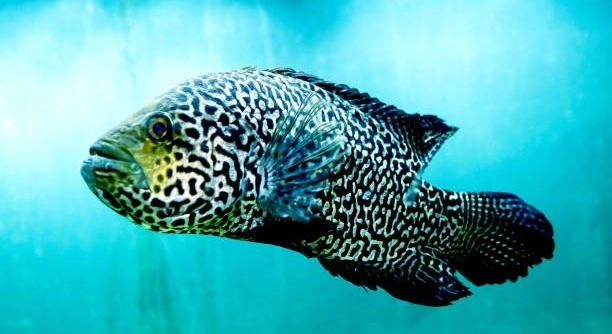
Jack Dempsey fish are known for their vibrant colors and bold personalities, making them a popular choice for home aquariums. Their care requires attention to water conditions, diet, and tank setup to ensure they thrive.
Jack Dempsey fish cannot live long-term in untreated tap water. Tap water often contains chlorine, chloramines, and fluctuating pH levels that are harmful to these fish. Proper conditioning, filtration, and regular testing are necessary for their survival and health.
Maintaining the right water environment is crucial for Jack Dempsey fish. Small changes can impact their health and behavior over time.
Understanding Tap Water and Jack Dempsey Fish
Tap water contains chemicals like chlorine and chloramines, which are added to keep it safe for humans. These chemicals, however, can harm fish by damaging their gills and skin. The pH level in tap water can also fluctuate, stressing Jack Dempsey fish and affecting their immune system. Heavy metals, such as copper and lead, may be present in some water supplies. These metals can accumulate in the fish’s body, causing long-term health problems. Temperature differences between tap water and the aquarium can shock the fish, weakening them further. To protect your Jack Dempsey, it is important to treat tap water before adding it to the tank. Using water conditioners neutralizes harmful chemicals, while testing kits help monitor pH, hardness, and other important parameters. Proper filtration also maintains water quality. Paying attention to these details ensures a safer, more stable environment for your fish.
Treated tap water is safe once adjusted. Small changes help maintain health and reduce stress for your fish.
Even with proper treatment, monitoring is essential. Regular water changes, testing for chemical levels, and keeping consistent temperatures are crucial. Jack Dempsey fish are sensitive, and sudden changes can lead to illness. Observing behavior, appetite, and appearance can help detect problems early. Over time, maintaining water stability ensures they remain vibrant and active, preventing long-term health issues.
Tips for Preparing Tap Water for Jack Dempsey Fish
Conditioning water before adding it to the tank removes harmful chemicals. This step is non-negotiable for healthy fish.
Start by letting tap water sit for a few hours or using a dechlorinator. Check pH and hardness to match the aquarium. Consistent water temperature reduces shock. Adding beneficial bacteria can help establish a stable environment, reducing the risk of disease. Avoid sudden water changes, as Jack Dempsey fish adapt slowly. Regularly test the water, noting any shifts in pH or chemical levels. This routine prevents problems before they affect the fish. By following these steps, you can use tap water safely without compromising the health of your Jack Dempsey. A consistent approach makes daily maintenance easier, while careful monitoring ensures the fish remain healthy and active. Over time, treated tap water provides a reliable, safe habitat, supporting growth, vibrant coloration, and natural behavior.
Common Problems When Using Untreated Tap Water
Untreated tap water can cause rapid stress in Jack Dempsey fish. Chlorine burns their gills, heavy metals damage organs, and fluctuating pH affects their overall health. Illnesses can develop quickly if water is not properly conditioned before adding it to the tank.
Stress from untreated water often shows through behavior changes. Fish may hide constantly, lose appetite, or display faded colors. Prolonged exposure can lead to fin rot, skin infections, or even death. Regular observation is important to notice these signs early. Quick water treatment and proper conditioning prevent these issues, keeping the fish more comfortable and active in their environment.
Even if problems seem minor, untreated tap water has long-term effects. Growth may slow, immune systems weaken, and disease resistance drops. Sudden water changes without conditioning can intensify stress, causing injuries or shock. Monitoring parameters like pH, temperature, and chemical levels ensures water remains safe. Using a reliable dechlorinator, adding beneficial bacteria, and adjusting hardness creates a stable environment. By taking these steps consistently, Jack Dempsey fish can thrive without suffering the harmful effects of untreated tap water.
Best Practices for Maintaining Safe Water
Regular water testing ensures conditions remain suitable for Jack Dempsey fish. Monitoring pH, hardness, and chemicals prevents sudden problems.
Change small amounts of water frequently instead of large, sudden replacements. Treat tap water with dechlorinators, remove heavy metals, and match temperature before adding it. Keep filters clean and replace media as needed. Beneficial bacteria support biological balance, reducing ammonia and nitrite spikes. Avoid overcrowding the tank, as more fish increase waste and stress. Documenting water parameters helps track changes over time, making maintenance easier. Consistency is key to avoiding sudden stress and health issues.
Maintaining water quality requires attention to detail. Proper filtration removes debris, while water conditioners neutralize harmful chemicals. Testing kits help track pH, hardness, and ammonia, allowing adjustments before problems arise. Temperature stability prevents shock, while gradual water changes support adaptation. Adding live plants improves oxygen levels and reduces nitrates. Observing fish behavior complements testing, as changes may indicate issues early. Keeping a maintenance routine ensures long-term stability. This approach helps Jack Dempsey fish remain healthy, active, and vibrant, minimizing the risks associated with tap water use and creating a balanced aquatic environment.
Signs of Water Stress in Jack Dempsey Fish
Fish exposed to untreated tap water may show rapid breathing, faded colors, and lethargy. They often hide more than usual and may refuse food. These signs indicate stress and the need for immediate water conditioning.
Prolonged exposure can lead to fin damage, infections, and weakened immunity. Early detection allows corrective action, preventing serious health issues. Consistent observation is essential to catch changes before they become harmful.
How to Safely Introduce Tap Water
Always treat tap water with a dechlorinator before adding it to the tank. Check pH, hardness, and temperature to match existing aquarium conditions. Small, gradual water changes reduce stress and prevent shock. Beneficial bacteria can be added to support biological balance.
Long-Term Maintenance Tips
Regular monitoring and gradual water changes are essential. Keep filters clean, maintain stable temperatures, and avoid sudden chemical shifts. Consistent care ensures Jack Dempsey fish remain healthy, active, and vibrant over time.
FAQ
Can Jack Dempsey fish survive in tap water without treatment?
No, Jack Dempsey fish cannot survive long-term in untreated tap water. Chemicals such as chlorine and chloramines can damage their gills and skin. Heavy metals may be present, and fluctuating pH levels stress the fish, weakening their immune system and making them prone to illness.
How do I make tap water safe for my Jack Dempsey?
Tap water must be treated before adding it to the tank. Use a water conditioner to neutralize chlorine and chloramines. Check pH and hardness to match the aquarium. Gradually adjust the water temperature to prevent shock, and consider adding beneficial bacteria to support a balanced ecosystem.
How often should I change the water in my Jack Dempsey tank?
Regular, small water changes are best. Replace 10–20% of the water weekly to maintain stability. Large, sudden changes can stress the fish. Always treat replacement water before adding it to the tank and monitor chemical levels, temperature, and pH consistently.
What signs show my Jack Dempsey is stressed from water conditions?
Stress signs include hiding, rapid breathing, faded colors, fin clamping, and loss of appetite. Long-term exposure to poor water can lead to skin infections, fin rot, and weakened immunity. Observing behavior daily helps identify problems early so corrective steps can be taken quickly.
Can I use a dechlorinator for all types of tap water?
Yes, dechlorinators are effective for most municipal tap water, neutralizing chlorine and chloramines. Some water sources may contain heavy metals, so using a product that also binds metals is recommended. Testing water regularly ensures safety and stability for your Jack Dempsey fish.
What is the best water temperature for Jack Dempsey fish?
Jack Dempsey fish thrive in temperatures between 74°F and 80°F. Sudden temperature changes can shock them, so it’s important to match new water to the tank’s temperature. Using a reliable aquarium thermometer helps maintain consistency.
Is pH important for Jack Dempsey fish?
Yes, Jack Dempsey fish prefer slightly acidic to neutral water, around pH 6.5–7.5. Fluctuations outside this range cause stress and reduce immunity. Regular testing and gradual adjustments keep the tank stable and the fish healthy.
Can untreated tap water cause long-term health issues?
Yes, untreated tap water can cause long-term problems such as stunted growth, weakened immune system, organ damage from heavy metals, and higher susceptibility to disease. Proper water treatment is essential for longevity and overall health.
Are filters enough to protect Jack Dempsey from tap water issues?
Filters help maintain cleanliness but do not remove chlorine, chloramines, or heavy metals. Water treatment and monitoring are still necessary. Filters work best alongside regular testing, water conditioners, and gradual water changes.
How can I ensure my Jack Dempsey thrives in tap water?
Treat all tap water before use, maintain consistent temperature and pH, perform regular water changes, and monitor behavior. Keep filters clean and introduce beneficial bacteria to support a healthy ecosystem. Consistency in care prevents stress and keeps the fish active and vibrant.
How do I handle a new Jack Dempsey when introducing it to the tank?
Acclimate the fish slowly using the drip or float method. Treat the water to match the tank’s parameters and avoid sudden changes. Watch for signs of stress during the first few days and adjust conditions gradually to help the fish adapt safely.
Can Jack Dempsey fish adapt to slightly hard or soft water?
They can tolerate moderate variations in hardness if changes are gradual. Sudden shifts in water hardness or pH can stress the fish. Using testing kits and gradual adjustments helps the fish acclimate safely to their environment.
Are live plants helpful for maintaining safe water?
Yes, live plants absorb nitrates and provide oxygen, improving water quality. They help stabilize the ecosystem and reduce chemical buildup, complementing water treatment and filtration. Healthy plants contribute to a more natural, stress-free environment for Jack Dempsey fish.
How often should I test tap water for chemicals?
Test tap water before every major water change or addition. Regular monitoring of pH, ammonia, nitrites, and other chemicals ensures safety. Keeping a record helps identify trends and prevent sudden issues that may harm your Jack Dempsey fish.
What is the most important step for using tap water safely?
The most critical step is proper water treatment. Neutralizing harmful chemicals, adjusting pH and hardness, and matching temperature before introducing water ensures the health and safety of your Jack Dempsey fish consistently.
Final Thoughts
Keeping Jack Dempsey fish healthy requires careful attention to water quality. Tap water, as it comes from the faucet, is not suitable for these fish without proper treatment. Chlorine, chloramines, and fluctuating pH levels can harm their gills, skin, and overall health. Even small amounts of heavy metals or sudden temperature changes can cause stress or illness over time. Consistently monitoring water parameters, such as pH, hardness, and temperature, is essential for their long-term well-being. Using a reliable water conditioner neutralizes harmful chemicals, and adding beneficial bacteria supports a balanced tank ecosystem. Regular water changes, done gradually and with treated water, prevent the buildup of waste and harmful compounds. Filters help maintain cleanliness but do not replace the need for proper water treatment. A consistent routine in water maintenance ensures that Jack Dempsey fish remain vibrant, active, and less prone to disease. Observing behavior, appetite, and appearance daily is also important, as it helps detect early signs of stress or health problems.
Maintaining safe water for Jack Dempsey fish is not complicated, but it requires a careful and methodical approach. Gradual adjustments to pH, hardness, and temperature help the fish adapt without shock. Small, frequent water changes are better than large, sudden ones, which can create instability in the tank and cause stress. Dechlorinators are essential for neutralizing harmful chemicals, and some products also bind heavy metals, offering additional protection. Live plants can be added to improve water quality by absorbing excess nitrates and providing oxygen. Filters play an important role in removing debris, but they do not remove chemical contaminants, so relying solely on filtration is not enough. Tracking water parameters over time helps ensure stability and allows adjustments before any serious problems develop. With regular maintenance and proper treatment, Jack Dempsey fish can live comfortably in an environment that closely matches their natural needs.
The health and longevity of Jack Dempsey fish depend heavily on water quality. Untreated tap water poses risks that can lead to stress, illness, or even death if ignored. Taking steps to condition the water, maintain stable parameters, and observe the fish closely helps create a safe and balanced tank. Gradual acclimation when introducing new fish, consistent monitoring, and attention to detail make a significant difference in their well-being. With the right approach, Jack Dempsey fish thrive, displaying vibrant colors, active behavior, and strong immune systems. The effort put into maintaining proper water conditions ensures that these fish remain healthy and resilient, allowing their natural personalities and striking appearance to be fully appreciated. Consistent care and attention provide a secure, stable environment, giving both the fish and the aquarist confidence in the long-term success of the tank.

Hello,
If you enjoy the content that we create, please consider saying a "Thank You!" by leaving a tip.
Every little bit helps us continue crafting quality advice that supports the health, happiness, and well-being of pets around the world, for pets of all shapes, sizes, and species.
We really appreciate the kindness and support that you show us!