
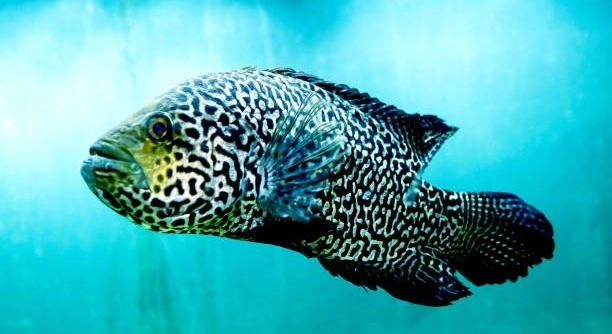
Jack Dempsey fish are popular for their striking colors and lively personalities. Many aquarium owners enjoy watching them swim, interact, and claim their territory. Caring for these fish can be rewarding but requires attention to their needs.
Jack Dempsey fish can live alone successfully, provided they have a suitably sized tank, proper water conditions, and a stimulating environment that mimics their natural habitat to reduce stress and promote overall health and wellbeing.
Understanding their behavior, tank setup, and feeding routines will help ensure your Jack Dempsey thrives. This article covers seven essential considerations for keeping them healthy and happy.
Tank Size Matters
A proper tank size is crucial when keeping a Jack Dempsey fish alone. These fish can grow up to 10–12 inches, so a small tank can lead to stress and stunted growth. A tank of at least 55 gallons is recommended for a single adult. The extra space allows the fish to swim freely and establish territory without feeling crowded. Decorations and hiding spots are also important, but the main focus should always be on swimming room. Proper filtration is necessary to maintain water quality since Jack Dempseys are messy eaters. Regular water changes help keep ammonia and nitrate levels low. Observing the fish’s behavior is a good way to check if the tank size is sufficient. Signs of stress include hiding constantly, aggressive displays at reflections, or reduced appetite. Investing in a larger tank from the start saves problems later and supports a healthier, happier fish.
Tank size affects both the fish’s health and temperament.
A larger tank reduces aggression and stress while allowing the fish to display natural behaviors. It also makes maintenance easier and helps maintain stable water conditions, which is essential for long-term survival.
Water Quality and Temperature
Maintaining stable water conditions is key for a Jack Dempsey fish.
These fish thrive in slightly acidic to neutral water with a pH of 6.5–7.5. The temperature should stay between 74–81°F, mimicking their natural habitat. Fluctuations can cause stress, weaken their immune system, and lead to illness. A reliable heater and thermometer ensure the water remains stable. Regular water tests help monitor ammonia, nitrite, and nitrate levels. High levels of these chemicals can be fatal, even for a single fish. Proper filtration is also necessary to keep the water clean and clear, as waste builds up quickly in a tank with one fish. Even though Jack Dempseys can tolerate varying conditions, consistency is better for their long-term health. Paying attention to water changes, testing, and temperature creates a comfortable environment and allows your fish to display natural behaviors confidently. Healthy water supports growth, reduces disease risk, and contributes to a more active and vibrant fish. Regular monitoring may seem tedious, but it is the foundation of successful Jack Dempsey care.
Diet and Feeding
Jack Dempsey fish need a varied diet to stay healthy. They eat pellets, frozen foods, and occasional live treats. Feeding should be consistent but controlled to avoid overfeeding, which can harm water quality.
High-quality pellets should make up the base of their diet. Supplementing with frozen or live foods like bloodworms or brine shrimp adds protein and encourages natural hunting behavior. Avoid feeding exclusively one type of food, as this can lead to nutritional gaps. Feeding small amounts two to three times daily works best. Uneaten food should be removed promptly to prevent water contamination. Providing a mix of textures and types also keeps the fish engaged and reduces boredom, which can sometimes trigger aggressive or destructive behavior. Observing how much your fish eats and adjusting portions accordingly ensures they maintain a healthy weight and vibrant colors over time.
Monitoring feeding habits helps detect health issues early. A fish that refuses food or eats too little may be stressed or ill.
Tank Setup and Decorations
Hiding spots and territories are important in a Jack Dempsey’s tank. Rocks, caves, and driftwood create areas for them to explore and claim. Plants should be sturdy, as these fish may uproot delicate ones.
Using decorations strategically helps reduce stress and aggressive displays. Placing hiding spots near the corners of the tank gives the fish secure zones while keeping the main swimming area open. Sand or fine gravel is ideal for substrate because it is gentle on their mouths when they dig. Avoid overcrowding the tank with decorations; too many objects can limit swimming space and lead to frustration. Decorations also influence water flow, so ensure they do not block filters or create dead zones. Properly anchored items prevent accidents or injuries to the fish. A well-planned layout balances aesthetics, functionality, and the fish’s comfort, contributing to long-term health and a more natural environment.
Tank Mates
Jack Dempsey fish are naturally aggressive, so keeping them alone is often safer. Introducing tank mates can lead to fights, stress, or injury. Careful selection is needed if you attempt a community setup.
Even with peaceful species, size and temperament matter. Smaller or slower fish may be bullied.
Behavior and Temperament
Jack Dempseys are territorial and can be unpredictable. They show aggression by flaring their fins, chasing intruders, or guarding certain areas of the tank. Alone, they establish a single territory without conflict, reducing stress. Observing these behaviors helps identify if their environment meets their needs.
Providing sufficient hiding spots and open swimming space allows them to express natural behaviors without constant tension. Stress can weaken their immune system, so understanding body language is essential. Aggressive displays are normal but should not escalate to injury. Even when kept alone, these fish benefit from enrichment like structures, varied substrates, and occasional rearrangement to stimulate exploration. Proper monitoring ensures they remain active, healthy, and confident in their environment.
Health Monitoring
Regularly checking your Jack Dempsey for signs of illness is essential. Changes in color, appetite, or behavior may indicate stress or disease.
FAQ
Can Jack Dempsey fish live with other fish?
Jack Dempsey fish are naturally aggressive and territorial. They can coexist with other fish only if the tank is large and the other fish are similar in size and temperament. Small or slow-moving fish often get chased or injured. Providing enough hiding spots can reduce aggression, but there is no guarantee. Keeping them alone is the safest option for both the Jack Dempsey and potential tank mates.
How often should I feed my Jack Dempsey fish?
Feeding should happen two to three times a day in small portions. Overfeeding can pollute the water and cause obesity. Uneaten food should be removed promptly. A mix of pellets, frozen, and occasional live foods ensures a balanced diet. Monitoring how much your fish eats allows you to adjust portions to keep it healthy.
What water conditions do Jack Dempseys prefer?
Jack Dempseys thrive in slightly acidic to neutral water with a pH between 6.5 and 7.5. Temperature should remain between 74–81°F. Stable water parameters reduce stress and prevent illness. Regular water testing for ammonia, nitrite, and nitrate is important, as these fish produce waste quickly. Proper filtration and routine water changes are essential to maintain a healthy environment.
Do Jack Dempsey fish need hiding spots if they live alone?
Even alone, Jack Dempseys benefit from hiding spots. Rocks, caves, and driftwood provide security and reduce stress. These areas let the fish explore and claim territory without feeling exposed. Avoid overfilling the tank with decorations to maintain open swimming space, which is important for their health and activity levels.
How big should a tank be for a single Jack Dempsey?
A single adult Jack Dempsey requires at least a 55-gallon tank. Bigger tanks give them more space to swim freely, reduce stress, and allow natural behaviors like digging and exploring. Proper filtration and water movement are also easier to maintain in a larger tank, keeping water quality high and consistent.
Can Jack Dempseys be kept in planted tanks?
Yes, but choose hardy plants. Jack Dempseys may uproot delicate species while digging or exploring. Fast-growing or well-anchored plants like Java fern or Anubias work best. Plants also provide additional hiding spots, improve water quality, and create a more natural environment that reduces stress.
What are common signs of stress or illness in Jack Dempseys?
Look for loss of appetite, faded colors, clamped fins, or erratic swimming. Hiding constantly or showing unusual aggression can also indicate stress. Poor water quality, inadequate space, or disease can cause these behaviors. Early detection and adjusting tank conditions or seeking treatment improves recovery chances.
How often should water changes be done?
Weekly water changes of 20–30% are recommended for a single Jack Dempsey. Larger tanks may require less frequent maintenance, but consistent monitoring is essential. This keeps ammonia and nitrate levels low and supports overall health. Removing uneaten food and debris during changes prevents water contamination.
Do Jack Dempsey fish recognize their owner?
Jack Dempseys can become familiar with people who feed and care for them. They may swim toward you during feeding times or observe your movements closely. This behavior shows curiosity and recognition, though it should not be mistaken for affection in the same way as mammals.
Can Jack Dempseys live long alone?
Yes, with proper care, Jack Dempseys can live over 10 years in a well-maintained tank. Ensuring suitable water conditions, a balanced diet, sufficient space, and environmental enrichment supports longevity. Monitoring behavior and health regularly is key to preventing stress or illness that can shorten their lifespan.
Is it necessary to rearrange the tank periodically?
Occasional rearrangement stimulates exploration and prevents boredom. Changing the placement of rocks, caves, or plants encourages natural behaviors and keeps the fish active. Avoid drastic changes that remove too many hiding spots at once, as this can cause stress and aggressive behavior.
What should I do if my Jack Dempsey becomes aggressive?
Aggression can be reduced by ensuring enough space, providing hiding spots, and removing potential triggers like reflective surfaces. Observing the fish carefully helps identify patterns that cause aggression. Alone, aggression is mostly territorial and manageable. Tank mates may require separation or a larger environment to prevent conflicts.
Can Jack Dempseys eat live feeder fish?
Yes, they can, but it is not always recommended. Live feeder fish can carry diseases and parasites. Freezing or sourcing high-quality alternatives is safer. Occasional live foods like bloodworms or brine shrimp satisfy hunting instincts without significant risk to water quality or fish health.
Do Jack Dempseys require special lighting?
Normal aquarium lighting is sufficient. Lighting should support plants if used but does not need to be intense. Too bright lighting can stress the fish, while dim or consistent natural light helps maintain normal behavior and coloration. Timers can ensure a regular day-night cycle.
How do I prevent tank boredom for a single Jack Dempsey?
Providing decorations, varied substrates, and occasional changes in the tank layout keeps the fish mentally stimulated. Feeding a mix of foods and adding enrichment like floating objects or gentle current variation encourages natural exploration and reduces stress or destructive behaviors.
This FAQ covers the most common concerns and practical solutions for keeping a Jack Dempsey fish alone while ensuring their health and comfort. Regular attention to water quality, diet, and behavior is essential for long-term success.
Keeping a Jack Dempsey fish alone can be a very satisfying experience if the proper care is given. These fish are naturally aggressive and territorial, which makes them better suited to solitary living. When they have enough space, good water quality, and proper food, they can thrive without any tank mates. A single fish also allows you to observe their personality and behavior without distractions or conflict. The key is to focus on creating an environment that feels safe and comfortable for the fish. This includes a sufficiently large tank, secure hiding spots, and enough open swimming areas so they can move freely.
Diet plays a major role in keeping a Jack Dempsey healthy. Feeding small portions two or three times a day and providing a mix of pellets, frozen foods, and occasional live treats ensures they get all the nutrients they need. Overfeeding can cause water problems, while underfeeding can lead to poor health. Maintaining a regular feeding schedule also helps the fish develop predictable behaviors and reduces stress. Watching how the fish reacts to different foods is a simple way to check for potential health issues early. Proper nutrition, combined with consistent water care, is the foundation of a long, healthy life for these fish.
Water quality and tank setup are equally important for a single Jack Dempsey. These fish prefer slightly acidic to neutral water and temperatures between 74 and 81°F. Regular testing and water changes keep the tank safe and stable. Decorations, rocks, and caves give them places to explore and claim as their own, while sturdy plants can add a natural touch without being damaged by their digging. Monitoring their behavior for signs of stress or illness helps prevent problems before they become serious. By paying attention to their needs and providing a well-maintained environment, a single Jack Dempsey can live a long, healthy, and active life while displaying its full range of personality and color.

Hello,
If you enjoy the content that we create, please consider saying a "Thank You!" by leaving a tip.
Every little bit helps us continue crafting quality advice that supports the health, happiness, and well-being of pets around the world, for pets of all shapes, sizes, and species.
We really appreciate the kindness and support that you show us!