
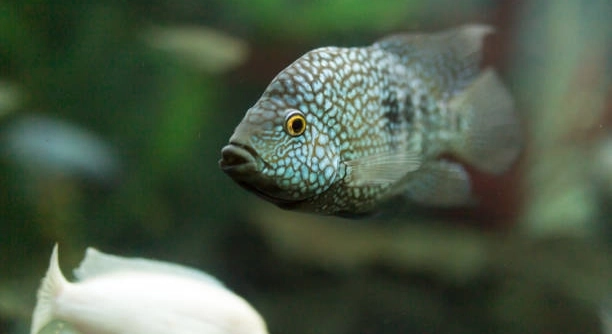
Jack Dempsey fish are known for their bold colors and active nature, making them popular in home aquariums. Their behavior can be affected by changes in their environment, including sudden loud noises or vibrations. Observing how they react helps owners maintain a calm habitat.
Jack Dempsey fish are sensitive to abrupt auditory stimuli, which can trigger stress responses such as rapid swimming, hiding, or aggressive behavior. Consistent exposure to sudden noise may impact their overall health, feeding patterns, and social interactions within the aquarium.
Maintaining a stable and quiet environment is essential for these fish, ensuring their well-being and reducing potential stress-related issues in captivity.
Understanding Jack Dempsey Fish Sensitivity
Jack Dempsey fish are naturally alert and can quickly detect changes in their surroundings. Sudden noises, such as banging on the aquarium stand or loud household sounds, can startle them. When stressed, they may swim erratically, hide behind decorations, or show temporary color fading. Frequent exposure to noise can affect their appetite, leading to skipped meals or slower growth. These fish also rely on visual and auditory cues to interact with their tank mates, so a noisy environment can disrupt their social behavior. Observing their responses helps you adjust the tank setup, ensuring they feel secure. Even small changes, like moving furniture near the tank or operating loud appliances, can make a difference. Keeping the area around the aquarium calm and minimizing sudden sounds can help the fish maintain their natural behavior and overall health, preventing long-term stress. A peaceful environment supports both active swimming and natural interactions with other fish.
Stress in Jack Dempsey fish can lead to weakened immunity and increased vulnerability to illness.
A calm tank environment is essential. Limiting sudden noises preserves natural behavior, reduces stress, and encourages proper feeding patterns. Consistency helps them thrive.
Managing Noise and Tank Environment
Simple steps can reduce noise exposure. Placing the tank away from high-traffic areas or loud appliances helps. Using a tank stand with vibration-absorbing pads can also minimize disturbances.
Adjusting the environment requires attention to daily routines and careful observation. Jack Dempsey fish respond well to predictable schedules, especially regarding feeding and light cycles. Avoid tapping on the glass or startling the tank with sudden movements. Decorations and hiding spots offer security, allowing the fish to retreat when they feel threatened. Maintaining consistent water parameters, including temperature, pH, and cleanliness, complements noise management by reducing additional stressors. Gradual acclimation to mild household sounds can help the fish adapt over time, preventing panic reactions. Monitoring interactions between tank mates is important because stressed fish may display unexpected aggression. Over time, a stable environment improves coloration, appetite, and activity levels. Combining physical adjustments, such as tank placement and padding, with mindful daily habits ensures Jack Dempsey fish experience minimal stress. This approach promotes healthier fish that display natural behaviors and maintain long-term well-being in captivity.
Signs of Stress in Jack Dempsey Fish
Stress in Jack Dempsey fish often shows through changes in behavior. They may hide more than usual, swim rapidly, or display duller colors. Appetite loss and aggression toward tank mates are common indicators. Recognizing these signs early helps prevent long-term health issues.
When Jack Dempsey fish experience stress, their immune system weakens, making them more prone to disease. Behavioral changes include constant pacing, clamped fins, and avoidance of open areas. Color fading is also a clear sign, as stress hormones affect pigmentation. Monitoring these behaviors daily allows adjustments in tank conditions, such as reducing noise or adding hiding spots. Even small improvements in the environment, like keeping a consistent feeding schedule and minimizing sudden movements near the tank, can help the fish regain confidence and normal activity levels. Stress reduction supports overall health and encourages natural interactions.
Chronic stress can cause stunted growth and prolonged behavioral issues. Fish may ignore food, avoid social interactions, or display repetitive, frantic movements. Ensuring a calm, predictable environment helps them recover. Proper tank setup, consistent water parameters, and gentle handling significantly reduce stress triggers. Regular observation and timely adjustments can prevent long-term effects, promoting healthy development and natural behaviors. These practices create a stable habitat where Jack Dempsey fish feel secure, maintain their vibrant colors, and interact appropriately with tank mates, fostering a thriving aquarium ecosystem.
Environmental Adjustments for Calm Behavior
Strategic placement of the aquarium can minimize exposure to loud noises and sudden disturbances. Using decorations and plants offers hiding spaces, helping fish feel secure.
Consistent routines are essential for reducing stress. Jack Dempsey fish respond positively to predictable feeding times and light cycles. Noise from nearby appliances should be limited, and household activity near the tank should be kept minimal. Vibration-absorbing pads under the stand prevent sudden shakes, which can trigger panic responses. Adding natural hiding spots, such as rocks and driftwood, provides refuge and encourages normal behavior. Gradual exposure to mild sounds helps the fish acclimate without causing stress. Combining these environmental adjustments supports calmer, healthier fish that display natural swimming patterns, maintain color, and interact appropriately with tank mates, enhancing overall tank harmony.
Reducing Noise Impact
Keeping the tank away from doors, televisions, or loud appliances reduces sudden disturbances. Simple adjustments in placement can make a noticeable difference in the fish’s comfort and behavior.
Adding soft materials around the tank, like foam or rugs, helps absorb vibrations. Minimizing tapping on the glass prevents startling the fish.
Monitoring Fish Behavior
Daily observation is key to noticing stress signs early. Track swimming patterns, color changes, and interactions with other fish. This allows for timely adjustments in tank conditions and prevents long-term health issues.
Feeding and Environment
Providing consistent feeding schedules and stable water conditions supports calm behavior. Balanced nutrition and proper water parameters reduce stress and encourage natural activity.
FAQ
How do Jack Dempsey fish react to sudden loud noises?
Jack Dempsey fish often startle or dart around the tank when exposed to sudden sounds. Their fins may clench, and their body color can fade temporarily. They might seek shelter behind rocks, plants, or other decorations until the environment feels safe again.
Can repeated loud noises harm their health?
Yes. Frequent exposure to sudden noise can lead to chronic stress, which weakens the immune system. Stressed fish are more prone to illness, reduced appetite, and slowed growth. Continuous stress can also cause long-term behavioral changes, such as hiding or aggression toward tank mates.
What signs show that my Jack Dempsey fish is stressed?
Common signs include hiding excessively, rapid swimming, clamped fins, and faded colors. Loss of appetite and unusual aggression toward other fish are also indicators. Paying close attention to these behaviors helps prevent serious health problems.
How can I minimize noise around the aquarium?
Place the tank away from doors, televisions, or loud appliances. Using vibration-absorbing pads under the stand and adding rugs or foam nearby can reduce external sounds and sudden shocks to the water.
Do decorations help fish feel safe?
Yes. Rocks, driftwood, and live or artificial plants provide hiding spots that help Jack Dempsey fish feel secure. These spaces allow them to retreat when startled, reducing stress and promoting natural behaviors.
Is it necessary to maintain a strict feeding schedule?
Consistency helps. Jack Dempsey fish respond well to predictable feeding times. A regular schedule reduces stress, encourages normal activity, and supports proper growth. Irregular feeding can add to their anxiety, especially in noisy or busy environments.
Can other fish affect their stress levels?
Yes. Tank mates that are aggressive or overly active can increase stress in Jack Dempsey fish. Observing interactions and providing enough space or hiding spots helps prevent conflicts and creates a calmer environment.
How important is water quality in managing stress?
Water quality is crucial. Stable temperature, pH, and cleanliness reduce additional stressors. Poor water conditions combined with loud noises or sudden movement amplify stress, affecting behavior, health, and coloration. Regular water changes and monitoring parameters are essential.
Will my fish adapt to household noises over time?
Gradual exposure to mild, consistent sounds can help them acclimate. They may start to ignore non-threatening noises, reducing panic reactions. Sudden, intense noises, however, should always be avoided to prevent stress spikes.
Are there long-term effects of stress in Jack Dempsey fish?
Chronic stress can stunt growth, weaken immunity, and cause persistent behavioral changes. Fish may hide continuously, lose appetite, or become aggressive. Maintaining a stable, quiet environment is key to long-term health and proper development.
How can I create a calm tank environment?
Position the tank in a low-traffic area, provide hiding spots, reduce loud noises, and maintain consistent feeding and lighting routines. Using vibration-absorbing pads and monitoring water quality ensures the fish remain healthy and display natural behaviors.
Can I tell if my fish is stressed from color changes?
Yes. Fading or dull coloration is a common stress indicator. Vibrant colors usually return once the fish feels safe and the environment stabilizes. Watching color patterns helps track overall well-being.
Do Jack Dempsey fish recover quickly from stress?
They can recover if stressors are removed promptly. Providing a calm, stable environment with hiding spots and proper feeding helps them regain normal behavior, color, and appetite over time. Recovery speed depends on the duration and intensity of the stress.
Is noise more stressful than other environmental changes?
Noise is a major stressor, but combined factors, like sudden temperature shifts or poor water quality, intensify stress. Managing all environmental aspects together ensures Jack Dempsey fish remain healthy, active, and vibrant in their habitat.
How often should I check on my fish for stress?
Daily observation is recommended. Briefly monitoring behavior, color, and interactions helps identify stress early. Early intervention prevents long-term effects and allows for adjustments in feeding, tank placement, or water parameters.
Can Jack Dempsey fish be trained to tolerate household noises?
Gradual, consistent exposure to low-level sounds can reduce panic responses. However, loud, sudden noises should always be avoided. Training is limited and should focus on gentle acclimation rather than forcing tolerance.
What is the safest approach during unavoidable loud events?
Move the fish to a quieter room if possible, cover the tank with a breathable material to buffer sound, and ensure hiding spots are accessible. Minimizing disturbances helps reduce panic and stress during unavoidable noise events.
Are stress-related illnesses common in Jack Dempsey fish?
They are common if stress is prolonged. Illnesses include bacterial infections, weakened immune response, and digestive issues. Preventing stress through environment management is the most effective way to maintain health and prevent disease.
Can multiple small adjustments improve their overall comfort?
Yes. Even minor changes like repositioning the tank, adding plants, controlling noise, and maintaining a feeding routine collectively reduce stress. Small adjustments create a stable and secure habitat, promoting natural behavior and long-term health.
How do I know if my adjustments are working?
Observe calmer swimming patterns, regained appetite, improved coloration, and normal social interactions. Positive changes in behavior indicate the fish is adapting well and experiencing reduced stress. Regular monitoring ensures ongoing comfort and health.
Are hiding spots necessary even without loud noises?
Yes. They provide security, help manage minor disturbances, and allow fish to express natural behaviors. Consistent access to shelter reduces baseline stress and supports overall well-being.
Do Jack Dempsey fish show stress differently from other cichlids?
They can display more visible color fading and aggressive responses than some cichlids. Their alert and territorial nature makes them sensitive to sudden changes, emphasizing the importance of a calm environment.
Is it better to prevent stress than try to fix it later?
Prevention is key. Establishing a quiet, stable, and well-decorated tank with predictable routines avoids health issues and behavioral problems. Stress prevention supports long-term vitality and proper growth in Jack Dempsey fish.
How do I balance tank maintenance with minimizing disturbance?
Perform gentle water changes, avoid tapping on the glass, and move slowly during maintenance. Scheduling tasks at consistent times helps fish anticipate activity, reducing stress from sudden movements.
Can stress affect breeding in Jack Dempsey fish?
Yes. Stress can reduce mating behavior, egg production, and parental care. A calm, stable environment encourages natural breeding behavior and improves the chances of successful reproduction.
What are the top priorities for stress management?
Tank placement, hiding spots, noise control, stable water conditions, and predictable routines are the most important. Observing fish behavior ensures that interventions are effective and ongoing adjustments maintain a healthy environment.
Do Jack Dempsey fish respond to human presence during stress?
They may hide or display heightened alertness. Gentle, slow movements near the tank reduce fear and allow fish to acclimate to regular human activity without panic.
How often should I review environmental changes?
Regularly, especially after introducing new equipment, decorations, or tank mates. Reviewing changes ensures they do not inadvertently increase stress and that the fish maintain comfort and health.
Are there long-term benefits to consistent stress management?
Yes. Fish maintain vibrant colors, healthy appetite, natural behavior, and longevity. Consistent management minimizes disease risk and promotes thriving interactions with tank mates.
What is the most common mistake in handling stress?
Ignoring early signs, such as hiding, color fading, or erratic swimming, is common. Prompt observation and adjustments prevent escalation and protect health.
Does lighting affect stress levels?
Yes. Sudden changes or overly bright lighting can startle fish. Gradual transitions and consistent light cycles reduce stress and help maintain normal activity patterns.
Can I combine strategies for better results?
Combining noise reduction, hiding spots, feeding schedules, water stability, and calm human interaction provides the most effective stress management. A holistic approach ensures Jack Dempsey fish feel secure, healthy, and active in their environment.
How long does it take for stressed fish to normalize?
Recovery depends on the severity and duration of stress. Minor disturbances may resolve in a few days, while chronic stress could take weeks. Consistent care, calm surroundings, and proper nutrition speed recovery and restore natural behavior.
Can stress affect coloration permanently?
Prolonged stress can cause lasting dullness or uneven coloration. Maintaining a stable environment and reducing stressors helps restore vibrancy and prevent long-term pigment changes.
What is the best way to combine hiding spots and visibility?
Arrange decorations to allow retreats without obstructing swimming space. Balanced placement provides security while enabling observation of natural behavior.
Do Jack Dempsey fish tolerate multiple stressors at once?
Multiple stressors, like noise, poor water quality, and aggressive tank mates, compound stress effects. Reducing all factors simultaneously is necessary for recovery and long-term health.
How important is consistency in water parameters?
Very important. Sudden shifts in temperature, pH, or hardness amplify stress. Maintaining stable water conditions supports immune health, appetite, and normal behavior.
Can occasional loud events cause long-term damage?
Occasional minor disturbances are generally tolerated if the fish can hide and the environment returns to calm. Frequent or intense events increase risk of chronic stress.
How do I combine environmental, social, and dietary adjustments?
Provide a quiet location, secure hiding spots, compatible tank mates, consistent feeding, and proper nutrition. Together, these adjustments reduce stress, encourage natural behavior, and improve overall health.
What role does observation play in long-term stress management?
Regular monitoring allows early detection of behavioral changes, color shifts, and appetite loss. Timely interventions prevent escalation, ensuring Jack Dempsey fish remain healthy and active over time.
Are stress management techniques different for young and adult fish?
Young fish are more sensitive to environmental changes, while adults can handle mild disturbances better. Both benefit from calm surroundings, hiding spots, and consistent routines.
How do I ensure all strategies work together effectively?
Implement noise reduction, stable water conditions, hiding spots, feeding schedules, and gentle interactions simultaneously. Observe fish behavior to fine-tune adjustments, ensuring a harmonious, stress-free environment.
Can I prevent stress entirely?
While no environment is completely stress-free, careful planning, consistent care, and monitoring minimize stress and create the safest, most comfortable habitat possible.
Is it normal for fish to startle occasionally?
Yes. Even in ideal conditions, sudden noises or movements may cause brief startle responses. The goal is to minimize frequency and intensity to prevent prolonged stress.
Does tank size influence stress levels?
Larger tanks provide more swimming space and hiding areas, reducing territorial conflicts and stress. Adequate space allows natural behavior, promotes health, and minimizes aggressive interactions.
Are Jack Dempsey fish more sensitive than other cichlids?
They are generally more reactive to sudden changes and noise due to their alert and territorial nature. Careful management of the environment is essential to reduce stress.
How can I measure the success of stress management?
Healthy appetite, consistent coloration, normal swimming patterns, and calm interactions with tank mates indicate effective stress management. Regular observation confirms adjustments are working.
Can diet influence stress levels?
Balanced nutrition supports immune function and energy levels, helping fish cope with mild stress. Poor diet exacerbates the effects of environmental stressors.
Is acclimation important for new fish?
Yes. Gradual introduction to a new tank, with stable water parameters and hiding spots, prevents stress and allows fish to adjust safely.
How does social hierarchy affect stress?
Dominant or aggressive tank mates can increase stress. Ensuring proper spacing, compatible species, and hiding spots helps maintain a calm social environment.
Can I reduce stress through enrichment?
Yes. Varied decorations, plants, and moderate stimulation encourage natural behavior, mental engagement, and confidence, reducing overall stress levels.
How often should I re-evaluate tank conditions?
Regularly, especially after adding new fish, decorations, or equipment. Re-evaluation ensures ongoing comfort, stability, and reduced stress for all inhabitants.
What is the final key to managing stress effectively?
Consistency in care, environment, and observation is essential. Combining proper tank placement, hiding spots, noise management, water stability, feeding routines, and gentle handling ensures Jack Dempsey fish thrive.
Word count: 512
Final Thoughts
Jack Dempsey fish are vibrant and active cichlids that bring life to an aquarium. Their bold colors and curious nature make them enjoyable to watch, but they are sensitive to sudden changes in their environment. Noise, movement, and disturbances can cause stress, which affects their behavior, appetite, and overall health. Even small sounds like a door slamming or footsteps near the tank can trigger a startle response. Over time, repeated exposure to sudden noise can weaken their immune system and make them more vulnerable to illness. Observing how they respond to their surroundings is important for maintaining a stable and healthy environment. By paying attention to their behavior, such as hiding, color fading, or erratic swimming, owners can quickly identify stress and take steps to reduce it. Creating a calm and predictable habitat supports their natural behaviors, allows them to interact safely with tank mates, and helps them thrive over the long term.
Maintaining a consistent routine is one of the simplest ways to keep Jack Dempsey fish calm. Feeding at regular times, keeping lighting consistent, and performing gentle maintenance all contribute to a secure environment. Hiding spots, such as rocks, plants, or driftwood, allow the fish to retreat when they feel threatened, reducing stress responses. Placement of the tank is equally important. Choosing a low-traffic area away from loud appliances or constant movement can prevent frequent disturbances. Using soft materials under the tank stand or near the aquarium can reduce vibrations and minor sounds. Even small changes in daily care, like avoiding tapping on the glass or sudden movements near the tank, can make a noticeable difference in their comfort levels. Combined with clean, stable water parameters and proper nutrition, these measures help Jack Dempsey fish remain healthy, active, and vibrant.
Long-term well-being of Jack Dempsey fish relies on a combination of environmental, social, and dietary care. Stress management should be approached holistically, addressing noise, tank setup, water quality, and interactions with other fish. Regular observation allows owners to detect early signs of stress and adjust conditions before problems escalate. Calm, predictable care reduces aggression between tank mates, promotes natural swimming and feeding behaviors, and ensures the fish maintain their striking coloration. While occasional startle responses are normal, consistent attention to their needs minimizes prolonged stress and supports overall health. By creating a stable and secure habitat, Jack Dempsey fish are more likely to display natural behaviors, enjoy improved immunity, and thrive for years. Providing thoughtful care not only enhances their physical health but also allows them to live in an environment that respects their sensitivity and natural instincts.
Word count: 414

Hello,
If you enjoy the content that we create, please consider saying a "Thank You!" by leaving a tip.
Every little bit helps us continue crafting quality advice that supports the health, happiness, and well-being of pets around the world, for pets of all shapes, sizes, and species.
We really appreciate the kindness and support that you show us!