
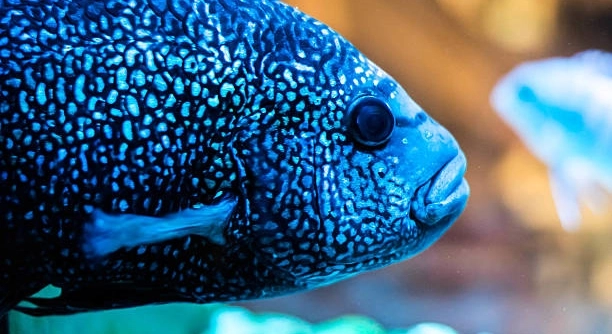
Have you ever watched your Jack Dempsey fish swim in its tank and noticed a sudden change in behavior around your hands? These fish are known for their vibrant colors and striking patterns, making them popular among aquarium enthusiasts. Observing them closely can reveal their natural instincts and personality traits.
Jack Dempsey fish can exhibit territorial behavior toward humans, especially when they feel their space is threatened. This aggression is often more pronounced during breeding periods or when the fish perceives frequent intrusion near hiding spots or feeding areas.
Understanding these behaviors helps create a safe and comfortable environment for both the fish and their owners. Knowing when and why they act territorial can improve your interactions and care routine.
Recognizing Territorial Behavior in Jack Dempsey Fish
Jack Dempsey fish are known for their strong personalities, and recognizing signs of territorial behavior is important for maintaining a peaceful tank. These fish may flare their fins, chase other tank mates, or display aggressive movements when humans approach. They often select a favorite spot, like a cave or a corner, and will defend it against perceived intruders. Changes in behavior can also be linked to feeding times, where they become more protective of food. Observing these patterns early can prevent accidents and stress for both the fish and the caretaker. It is common for younger fish to be less territorial, while adults tend to establish clear boundaries and react strongly to anything near their chosen area. Providing enough space and hiding spots reduces tension and helps them feel secure. A calm and consistent approach during tank maintenance encourages better behavior. Recognizing these signs early makes daily care smoother and safer.
Keeping track of their preferred spots and behaviors helps you prevent sudden aggression and ensures a safer tank environment.
Creating a balanced tank requires paying attention to their temperament and environment. By arranging plants, decorations, and hiding areas strategically, you can reduce conflicts. Regular observation of interactions during feeding and cleaning times allows adjustments before behavior escalates. Understanding each fish’s boundaries helps in designing a space where multiple fish coexist without constant stress. Additionally, maintaining water quality and proper nutrition supports calmer behavior, as stressed fish are more likely to act defensively. Being patient and consistent in handling also prevents unnecessary stress. Over time, you can predict their responses and avoid confrontations. While they may still show territorial tendencies, a well-structured tank encourages natural behaviors in a controlled manner. This preparation ensures both the fish and humans remain safe, fostering a stable environment for long-term care.
Managing Human Interaction
Limiting sudden movements around the tank reduces aggressive responses from Jack Dempsey fish. They react to quick actions or tapping, interpreting it as intrusion.
Consistency in interaction is essential. Approaching slowly, avoiding direct hand contact unless necessary, and using tools like feeding tongs or nets minimizes stress. Gradually, the fish can become accustomed to routine movements, reducing defensive displays. Offering food at set times prevents guarding behaviors from escalating. Proper tank setup, including plenty of hiding spots, also helps in managing interactions. With careful handling, it is possible to coexist safely without constant conflict. Regular monitoring ensures behavioral changes are noticed early, allowing adjustments to care practices. Predictable routines and respect for their space help create a calmer, manageable environment. These practices are vital for preventing bites, scratches, or stress-induced health problems.
Controlling human interaction involves combining careful observation, structured routines, and environmental planning. First, note the fish’s reactions to movements near the tank. If aggression appears, adjust your approach and avoid sudden contact. Next, maintain a schedule for feeding, cleaning, and other activities. Using feeding tools instead of bare hands minimizes perceived threats. Creating multiple hiding places ensures the fish has personal space to retreat when feeling vulnerable. Over time, this reduces territorial confrontations. Additionally, keeping water conditions stable and food consistently available helps lower stress levels, contributing to calmer behavior. Understanding these factors allows you to interact with the fish safely, preserving its natural instincts while maintaining household safety. Proper preparation and awareness ensure a harmonious balance between human activity and fish comfort.
Preventing Aggression During Feeding
Jack Dempsey fish often become protective over food, reacting quickly when someone approaches the tank. Using feeding tools and keeping a consistent schedule reduces sudden aggression. Avoid dropping food directly by hand, as this can trigger defensive behavior and stress.
Spacing out feeding areas within the tank helps minimize conflict among tank mates. Offering small portions at multiple locations allows each fish to eat without feeling threatened. Observing their reactions over time makes it easier to predict aggressive displays and adjust feeding methods. Consistent handling and patience help the fish feel secure, reducing tension during meal times. Maintaining clean water and proper nutrition also supports calmer behavior.
Introducing floating or sinking foods at different times can further control guarding tendencies. Varying textures and types of food keeps them engaged while avoiding over-competition. Feeding from a consistent location initially, then gradually expanding spots, teaches them to associate humans with safe interactions. Avoid rushing movements or sudden taps, which often provoke defensive charges. Over time, these strategies allow the fish to maintain natural instincts without creating unsafe or stressful situations for anyone involved.
Tank Design to Reduce Territorial Behavior
A well-structured tank with multiple hiding places limits confrontations between Jack Dempsey fish and humans. Rocks, caves, and plants provide safe zones and help them feel secure while maintaining natural territory boundaries.
The layout of the tank influences how aggressive the fish becomes. Open areas encourage exploration, while defined hiding spots reduce stress from perceived threats. Arranging decor to create visual barriers allows fish to retreat when needed, minimizing direct contact with humans. Consistency in placement helps them adapt, while irregular changes can provoke defensive reactions. Choosing the right size tank for the number of fish ensures space for individual territories, reducing fights over prime locations. Regular observation allows adjustments to maintain balance.
Adding layers of decor and different substrate heights gives fish more control over their space. Floating plants, mid-level caves, and bottom shelters cater to different preferences, preventing constant territorial disputes. Proper lighting and water flow also impact comfort levels, as fish are more defensive in poorly lit or crowded areas. By combining careful planning with ongoing monitoring, it is possible to maintain a calmer environment. This approach protects both humans and fish, allowing coexistence without constant stress or injury.
Recognizing Early Signs of Aggression
Jack Dempsey fish often display subtle signs before acting aggressively. Flared fins, sudden darting movements, and constant pacing near a specific spot indicate rising territorial instincts.
Changes in color intensity can also signal agitation. A darker hue or rapid shifts in shade often reflect stress or defensive behavior, especially when humans approach their favored areas.
Handling Aggressive Moments
When aggression occurs, it is important to remain calm and avoid sudden movements near the tank. Slowly removing hands or tools reduces the likelihood of bites or strikes. Maintaining patience prevents escalation and reinforces a sense of security.
Breeding and Territorial Behavior
During breeding periods, Jack Dempsey fish become extremely protective of eggs and fry. Aggression toward humans and tank mates increases as they guard their nesting sites. This behavior is natural and signals the fish’s instinct to protect offspring.
When to Seek Advice
If aggression becomes frequent or violent, consulting a fish care specialist is recommended. Persistent attacks may indicate stress, overcrowding, or illness, which require professional guidance.
FAQ
Can Jack Dempsey fish attack humans?
Yes, Jack Dempsey fish can attack humans, but it is usually defensive rather than predatory. They may bite or charge when someone’s hand comes too close to their territory or hiding spot. Such behavior is more common during feeding times or when the fish is guarding eggs.
How can I tell if my Jack Dempsey is stressed?
Signs of stress include sudden color changes, rapid breathing, hiding excessively, and flaring fins without provocation. Stress often comes from overcrowding, sudden movements near the tank, poor water quality, or frequent changes in the environment. Observing patterns helps in addressing causes quickly.
Is aggression worse during breeding periods?
Yes, breeding periods trigger stronger territorial instincts. Male and female Jack Dempsey fish guard nests aggressively. They may chase tank mates or react to human hands near their breeding site. Providing plenty of hiding spaces helps reduce conflicts during this time.
What tank size is best to reduce aggression?
A larger tank with ample hiding areas reduces territorial disputes. Tanks of at least 55 gallons are recommended for one or two adult Jack Dempsey fish. Additional rocks, caves, and plants help break sightlines, letting each fish claim a personal area without constant confrontation.
Can other fish live with Jack Dempsey fish?
Yes, but choosing tank mates carefully is essential. Avoid small or slow-moving species. Fish of similar size and temperament work best. Ensure enough space and hiding spots to reduce conflicts. Monitoring interactions over time allows adjustments if aggression becomes frequent.
How should I feed them to prevent fights?
Feed in multiple locations using small portions to reduce competition. Avoid feeding by hand directly, as this may trigger defensive bites. Consistent feeding times and proper nutrition lower stress and aggressive behavior, keeping both fish and humans safer.
Do Jack Dempsey fish always remain aggressive?
No, aggression varies by individual and environment. Well-structured tanks, predictable routines, and careful interaction reduce defensive behavior over time. Many fish show calmer behavior once they feel secure and have established territory boundaries.
What should I do if aggression escalates?
If aggression escalates despite proper care, consider consulting a fish care specialist. Persistent attacks may indicate stress, illness, or insufficient space. Professional guidance can help determine environmental adjustments or changes in tank setup to ensure safety for both fish and humans.
Can handling reduce aggression?
Yes, but only with caution. Slow, consistent handling and minimal intrusion teach the fish to associate human presence with routine, not threat. Avoid sudden movements and overhandling, as this can backfire and increase defensive reactions.
How does water quality affect territorial behavior?
Poor water conditions raise stress levels, making fish more aggressive. Maintaining stable temperature, proper filtration, and regular water changes supports calmer behavior. Healthy water conditions contribute to predictable responses, reducing defensive displays and improving overall wellbeing.
Are there natural ways to calm Jack Dempsey fish?
Providing plenty of hiding spots, breaking up open areas, and arranging visual barriers reduces stress. Consistent lighting, stable water parameters, and predictable feeding times help fish feel secure. A well-structured tank encourages natural instincts without creating unsafe situations.
Do they attack more at night or day?
Aggression is generally consistent but can spike during feeding or maintenance times. They are more defensive when their preferred areas are disturbed. Observing behavior at different times helps in planning safe interactions and maintaining calm tank conditions.
Can hand-feeding ever be safe?
Yes, if the fish is familiar with the routine and the handler moves slowly. Using feeding tools instead of direct contact is safer. Gradual exposure reduces fear, but caution is always necessary as sudden movements may trigger defensive bites.
Is juvenile behavior different from adult behavior?
Juveniles are usually less territorial and tolerate closer proximity to humans. Adults establish firm boundaries, especially around hiding spots and during breeding. Early observation helps in preparing for adult aggression patterns and designing an appropriate tank environment.
How often should I monitor interactions?
Daily observation is recommended, especially during feeding and cleaning. Watching how the fish reacts to humans and tank mates helps identify early signs of aggression or stress. Prompt action ensures both safety and comfort for everyone in the tank.
Do Jack Dempsey fish attack out of curiosity?
Not typically. Aggression is usually territorial or defensive, rather than exploratory. Curious behavior may involve swimming near hands without aggression, but biting or chasing usually signals a perceived threat or boundary infringement.
Can aggression cause health problems for the fish?
Yes, constant stress and fights can lead to weakened immune systems, injuries, and susceptibility to disease. Reducing environmental stressors, providing space, and maintaining water quality are essential to prevent health issues linked to territorial behavior.
How long does territorial behavior last?
Territorial behavior can last indefinitely, especially in adult fish. It peaks during breeding but remains present as part of natural instincts. Proper tank management and environmental adjustments can reduce the frequency and intensity of aggressive displays over time.
Should I separate aggressive fish permanently?
Permanent separation may be necessary if aggression is severe, persistent, or threatening other tank inhabitants. Providing a separate tank or divider ensures safety while still allowing natural behaviors without constant conflict.
Are all Jack Dempsey fish equally aggressive?
No, temperament varies by individual. Some are calmer and adapt easily to human presence, while others remain highly territorial. Observing each fish’s behavior and adjusting care accordingly helps manage aggression effectively and safely.
Can training reduce aggressive tendencies?
Gradual exposure, predictable routines, and consistent feeding can reduce defensive reactions. While natural territorial instincts remain, these techniques help the fish feel secure and less likely to respond aggressively to human presence.
Does tank decoration influence behavior?
Yes, the arrangement of rocks, plants, and caves directly impacts territorial displays. Visual barriers and multiple hiding spots allow fish to retreat, reducing stress and aggression toward humans and other fish. A thoughtful tank layout promotes calmer interactions.
Are aggression levels influenced by diet?
Balanced nutrition supports calmer behavior. Overfeeding or underfeeding can increase irritability and defensive displays. Providing varied food types and consistent feeding schedules reduces competition and limits territorial aggression in the tank.
How long does it take for a fish to adjust to humans?
Adjustment depends on individual temperament and handling consistency. With careful observation, patience, and minimal intrusion, many Jack Dempsey fish gradually accept human presence while retaining natural territorial behavior.
Can environmental changes trigger aggression?
Yes, sudden changes like rearranging decor, altering water parameters, or introducing new tank mates can provoke defensive responses. Gradual changes and careful observation help minimize stress-related aggression.
What is the best approach to coexist safely?
Maintain a structured environment, predictable routines, multiple hiding areas, and consistent feeding. Observe behavior daily, adjust as needed, and respect established territories to ensure safe interactions for both humans and fish.
How do I know if aggression is normal or problematic?
Normal aggression is defensive and context-specific. Problematic aggression is constant, severe, or causes injuries. Early recognition allows adjustments in tank setup, handling, or consultation with a specialist to maintain safety and fish welfare.
Can multiple Jack Dempsey fish coexist peacefully?
Yes, with sufficient space, hiding spots, and careful monitoring. Conflicts are more likely in overcrowded tanks or when prime territories are limited. Proper planning and observation allow peaceful coexistence while respecting individual boundaries.
Does age affect aggression levels?
Younger fish are generally less territorial. Aggression increases with maturity, especially during breeding or when establishing territory. Understanding age-related behavior helps in anticipating conflicts and designing an appropriate tank environment.
Are territorial displays always visual or can they be subtle?
Displays can be subtle, such as color changes, fin flaring, or pacing near a favorite spot. Recognizing these early signs helps prevent escalation and maintains a calmer environment for both fish and humans.
Is it safe to touch or move Jack Dempsey fish?
Handling should be minimal. Moving fish can trigger stress and defensive bites. Use nets and approach slowly, especially near established territories, to avoid injury and reduce agitation.
Can aggression decrease over time naturally?
Yes, as fish become familiar with their environment, tank mates, and human presence, aggression may lessen. Patience, consistent routines, and adequate space promote calmer behavior while allowing natural instincts.
Do environmental enrichment activities help reduce aggression?
Yes, introducing objects to explore, rearranging decor gradually, or adding varied feeding techniques engages their minds and reduces boredom-induced defensive displays. A stimulating environment keeps them occupied and less focused on guarding humans or territory.
Is it better to separate aggressive fish temporarily or permanently?
Temporary separation allows them to calm and establish boundaries. Permanent separation is necessary if aggressive behavior persists or causes harm, ensuring safety and reducing stress in the tank.
How do I prevent injury from a territorial Jack Dempsey?
Avoid sudden movements, respect established hiding spots, use feeding tools, and provide sufficient space. Observing behavior closely ensures early intervention before aggression escalates. Safe handling prevents bites and stress.
What are the long-term effects of chronic aggression?
Chronic aggression can cause stress-related illness, injuries, and social instability in the tank. Proper environmental management, monitoring, and careful handling reduce risks and promote a healthier, calmer aquatic environment.
Can tankmates influence Jack Dempsey aggression?
Yes, the presence of smaller or slow-moving fish can trigger protective responses. Choosing similarly sized, compatible species and maintaining adequate space reduces conflict and helps manage territorial behavior effectively.
Is it normal for aggression to flare suddenly?
Yes, sudden flare-ups are often linked to perceived threats, feeding competition, or environmental changes. Monitoring triggers allows adjustments in handling and tank setup to minimize stress and prevent injuries.
Do Jack Dempsey fish show aggression toward reflections?
Yes, they may perceive reflections as intruders, displaying flaring fins, chasing motions, or biting. Covering reflective surfaces or positioning decor strategically helps reduce these unnecessary aggressive displays.
Can repeated exposure to humans reduce defensive bites?
Yes, gradual, calm, and consistent exposure helps fish recognize humans as non-threatening. Using tools for feeding and careful movement fosters trust, lowering defensive reactions over time.
Are there seasonal changes in aggression?
Aggression often increases during breeding seasons and warmer months when territorial instincts are heightened. Adjusting tank management and observation during these periods helps prevent conflicts.
What role does hiding space play in aggression management?
Hiding spaces give fish control over their environment, allowing retreats when threatened. This reduces defensive attacks on humans and tank mates, supporting calmer behavior and safer interactions.
How important is routine in reducing aggression?
Routine establishes predictability. Consistent feeding, cleaning, and maintenance reduce stress and defensive reactions. Fish feel secure when human interaction follows a predictable pattern, minimizing territorial aggression.
Can Jack Dempsey aggression be completely eliminated?
No, natural territorial instincts remain. Aggression can be managed through careful tank setup, routine, and observation, but it will never be fully eliminated, as it is part of their behavior.
Does the number of fish in a tank affect aggression?
Yes, overcrowding increases competition for territory and resources. Providing adequate space and hiding spots helps mitigate conflicts and ensures a safer environment for all inhabitants.
Can aggression lead to permanent injury?
Yes, fights between fish or defensive bites toward humans can cause cuts, stress-related illness, and long-term damage if not managed. Proper care, monitoring, and preventive measures are essential.
How often should tank layout be adjusted?
Adjustments should be minimal and gradual. Frequent changes can provoke aggression. Only rearrange when necessary, allowing fish time to adapt to new structures and maintain a sense of security.
Can stress from humans cause long-term behavioral changes?
Yes, repeated stress can make fish more reactive and aggressive over time. Calm, consistent interaction and proper environmental management prevent chronic defensive behavior.
Is aggression influenced by light or noise?
Bright lights, sudden shadows, or loud noises can trigger defensive behavior. Maintaining consistent lighting and a quiet environment reduces stress-induced aggression and promotes calmer fish.
What is the safest way to clean a tank with aggressive fish?
Move hands slowly, use nets and tools, and avoid reaching near their favorite spots. Clean sections gradually to minimize stress and prevent bites while maintaining proper hygiene.
Can territorial behavior affect breeding success?
Yes, excessive stress or conflict can disrupt breeding. Providing secure nesting areas, reducing intrusion, and managing tankmates supports successful spawning while minimizing aggression toward humans.
Do all Jack Dempsey fish react the same to humans?
No, temperament varies. Some remain calm, while others are highly defensive. Understanding individual differences allows for tailored handling and tank management to reduce aggressive incidents.
How can I safely introduce a new fish?
Use quarantine tanks first, provide hiding spots, and introduce gradually. Monitor reactions closely to prevent aggression toward newcomers and maintain a balanced tank environment.
Can aggression affect feeding efficiency?
Yes, overly aggressive or territorial fish may monopolize food, causing stress or malnutrition for others. Distributing food in multiple spots ensures fair access and reduces conflicts.
Is it normal for aggression to decrease with age?
Some fish may become slightly calmer as they mature and establish territory. However, natural defensive instincts remain, and careful management is always necessary.
Can water temperature changes trigger aggression?
Yes, sudden changes in temperature stress fish, increasing defensive behavior. Maintaining stable water conditions helps reduce territorial flare-ups and supports overall wellbeing.
Are there signs of extreme aggression I should watch for?
Continuous chasing, repeated bites, injuries, or refusal to leave a spot indicate extreme aggression. Immediate action, such as separating fish or consulting a specialist, is recommended.
Does tank size influence aggression more than decoration?
Both are important. Larger tanks reduce territorial disputes, while decoration provides hiding spaces. A combination of sufficient space and visual barriers ensures calmer fish and safer interactions.
Can repeated aggressive encounters damage the tank ecosystem?
Yes, constant fights can stress multiple fish, disrupt feeding, and harm plants or decorations. Proper design and observation prevent long-term negative effects on tank health.
How long should I observe new fish before considering aggression a problem?
Observe for at least two weeks, noting feeding, interactions, and reactions to humans. Persistent, harmful behavior indicates a need for intervention or adjustment in tank setup.
Can behavioral enrichment reduce aggressive tendencies?
Yes, introducing objects to explore or rearranging decorations gradually keeps fish occupied and reduces defensive displays. A stimulating environment limits boredom-related aggression.
What role does diet variety play in aggression?
Offering varied foods satisfies nutritional needs and prevents food guarding. Consistent, balanced feeding routines reduce stress-induced aggression and promote calmer behavior.
Can aggression be linked to genetics?
Partially. Some fish have naturally stronger territorial instincts, while others are calmer. Observing individual temperament helps predict behavior and plan tank management accordingly.
Are there differences between males and females in aggression?
Males are often more territorial, especially during breeding. Females may also display defensive behavior but generally less intensely. Understanding sex-related tendencies helps manage aggression effectively.
How can I tell if aggression is due to illness?
Sudden aggression with other symptoms like lethargy, discoloration, or unusual swimming patterns may indicate illness. Prompt diagnosis and treatment reduce stress and prevent worsening behavior.
Does feeding location influence territorial behavior?
Yes, feeding in the same spot consistently encourages guarding. Spreading food across multiple areas reduces competition and keeps fish calmer during meals.
Can aggressive displays be mistaken for play?
Yes, some movements may appear playful, but repeated chasing, flaring, or biting indicates territorial behavior. Observation and context help distinguish natural play from defensive aggression.
What is the most effective long-term strategy for managing aggression?
Combine proper tank size, hiding spots, consistent routines, careful handling, and monitoring. Predictable conditions reduce stress, minimize defensive behavior, and create a safe environment for humans and fish alike.
Can social hierarchy influence aggression?
Yes, dominant fish assert control over territories and resources, increasing defensive actions. Recognizing hierarchy helps in arranging space and managing interactions.
Are reflective surfaces always a problem?
Not always, but reflections can provoke defensive displays if perceived as intruders. Covering mirrors or adjusting decor reduces unnecessary aggression.
Can water flow affect aggression?
Yes, strong currents may stress fish, making them more defensive. Gentle, consistent flow supports calmer behavior and prevents territorial flare-ups.
How do I balance aggression with breeding needs?
Provide secure nesting sites, limit intrusion, and ensure sufficient space. Managing environmental stressors allows successful breeding while reducing defensive behavior toward humans.
Is aggression ever completely predictable?
No, behavior can vary with context, time, and environmental factors. Careful observation, structured routines, and tank design help anticipate most aggressive responses.
Can aggressive interactions teach fish to be calmer?
Yes, over time, consistent, calm human interaction and safe tank conditions reduce defensive responses. Respecting territory and providing hiding spaces supports this adjustment.
Do Jack Dempsey fish show aggression to other animals outside the tank?
Aggression is generally limited to perceived intruders within their environment. Outside animals or humans not interacting with the tank usually do not trigger defensive behavior.
Are there warning signs before a bite?
Flaring fins, rapid darting, head-down postures, and color changes often precede bites. Recognizing these cues allows early action to avoid injury.
Can environmental enrichment prevent boredom-related aggression?
Yes, adding plants, rocks, and interactive feeding methods keeps fish engaged and reduces aggression caused by inactivity or territorial frustration.
Does tank lighting affect aggression?
Sudden changes or overly bright lights can trigger defensive behavior. Consistent, moderate lighting reduces stress and helps maintain calmer fish.
Can aggression be influenced by water pH?
Yes, unstable or extreme pH levels stress fish, increasing defensive displays. Maintaining stable water chemistry supports calm behavior and overall health.
Are juvenile fish easier to train for human interaction?
Generally, yes. Younger fish are less territorial and adapt more readily to predictable human routines, making them calmer and easier to manage.
Do Jack Dempsey fish ever calm down naturally with age?
Some individuals may show reduced aggression as they settle into their environment, though territorial instincts remain. Proper tank management continues to be important.
How do I know if aggression is environmental or instinctual?
Observation over time helps distinguish causes. Aggression triggered by intrusions or tank changes is environmental, while constant territorial defense reflects natural instincts.
Can adding visual barriers reduce defensive behavior?
Yes, decor that breaks sightlines or provides hiding spots allows fish to feel secure, limiting aggressive responses toward humans and tank mates.
Is it necessary to monitor aggression even in calm fish?
Yes, sudden environmental changes or breeding behavior can increase aggression. Regular monitoring ensures early detection and safe tank management.
Can aggression ever be completely eliminated without altering natural behavior?
No, territorial instincts are inherent. Aggression can be managed and reduced, but it cannot be fully removed without affecting natural behavior.
**Does human activity near the tank always trigger aggression?
Final Thoughts
Jack Dempsey fish are naturally territorial creatures, and understanding their behavior is key to maintaining a safe and comfortable tank environment. These fish respond strongly to perceived threats, whether from other fish or human interaction. Aggression is not a sign of ill temper but a natural instinct that helps them protect their space and resources. Observing their actions closely, such as fin flaring, chasing, or guarding favorite spots, allows owners to identify signs of stress or territorial behavior early. By recognizing these patterns, you can make small adjustments in tank setup, feeding routines, and handling practices that reduce unnecessary confrontations. Maintaining a calm and predictable environment ensures both fish and humans can coexist safely, while also allowing the fish to express natural behaviors without excessive stress.
Tank design plays a major role in reducing aggressive behavior. Providing hiding spots, caves, and plants allows fish to feel secure and claim areas without constant conflict. Open swimming areas combined with visual barriers give them options to retreat when feeling threatened. Sufficient space is essential, as overcrowding increases competition and elevates stress, leading to heightened defensive displays. Environmental stability is equally important. Water quality, temperature, and proper nutrition all contribute to calmer fish. Sudden changes in the tank, such as rearranging decorations or introducing new tank mates, can trigger aggression if not managed carefully. Consistent observation and gentle handling help the fish feel safe, reducing defensive responses and preventing injuries. Creating a structured environment encourages predictable behavior, which benefits both the fish and the caretaker.
Managing interactions with humans requires patience and awareness. Approaching the tank slowly, avoiding sudden movements, and using feeding tools instead of direct hand contact reduces defensive reactions. Consistent feeding times and predictable maintenance routines build trust and lessen stress-induced aggression. During breeding periods, aggression naturally increases, and additional precautions like limiting intrusion near nests are necessary. Over time, most fish adapt to human presence without compromising their natural instincts. Territorial behavior may never completely disappear, but careful tank management, attention to environmental factors, and respect for established boundaries create a balanced and safe habitat. With thoughtful care, Jack Dempsey fish can coexist peacefully with humans while maintaining their lively and vibrant personalities, making them a rewarding species to keep in a home aquarium.

Hello,
If you enjoy the content that we create, please consider saying a "Thank You!" by leaving a tip.
Every little bit helps us continue crafting quality advice that supports the health, happiness, and well-being of pets around the world, for pets of all shapes, sizes, and species.
We really appreciate the kindness and support that you show us!