
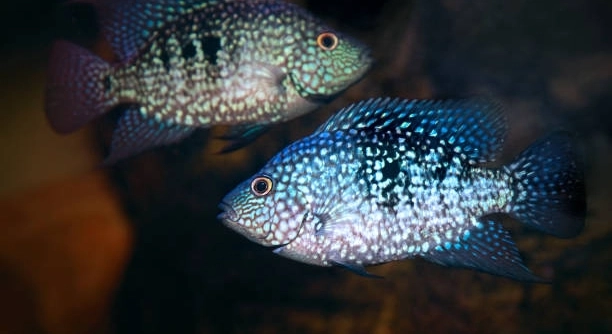
Have you ever watched your Jack Dempsey fish in a community tank and noticed how they react when other fish get attention or food? Their behavior can sometimes seem like they are protecting what they consider theirs.
Jack Dempsey fish can show jealousy-like responses toward other fish, particularly when competing for food, territory, or mates. These reactions often include aggressive chasing, staring, or flaring fins, reflecting their instinctive territorial and social behaviors in confined aquarium settings.
Recognizing these behaviors can help you create a balanced environment and reduce tension among your tank’s inhabitants.
Recognizing Jealous Behavior in Jack Dempsey Fish
Observing your Jack Dempsey fish closely can reveal clear signs of jealousy. They may chase other fish when food is introduced or when another fish approaches a favored spot in the tank. Sometimes, they will flare their fins or make sudden movements to assert dominance. These behaviors are not random; they are linked to their natural instincts for territory and resources. A fish that usually swims calmly can become aggressive if it perceives another fish as a threat. Even subtle changes, like lingering near a specific area or following another fish closely, can indicate unease or jealousy. It is important to note these behaviors occur more often in smaller tanks where space is limited, but they can also appear in larger tanks if multiple dominant fish are present. Understanding these cues allows better management and reduces stress for all tank inhabitants.
Monitoring tank dynamics closely ensures your Jack Dempsey maintains healthy social interactions.
Consistency in feeding schedules, adequate hiding spots, and observing interactions carefully helps prevent prolonged aggressive behavior, creating a more peaceful environment for every fish. When introducing new fish, gradual acclimation and attention to the dominant fish’s behavior are essential. Providing enough space, plants, or decorations to break lines of sight can minimize competition and jealousy triggers. A calm, structured tank environment reduces stress levels and encourages natural behaviors without constant aggression. By recognizing jealousy signs early, you can adjust tank layout, feeding methods, or fish combinations. This approach not only protects less aggressive fish but also supports the well-being of your Jack Dempsey. Over time, the fish adapts to the presence of others, and aggressive outbursts can decrease. Observing their interactions and responding proactively ensures a balanced ecosystem where all fish coexist safely and comfortably.
Managing Conflicts Between Tank Mates
Simple steps can help reduce jealousy in your Jack Dempsey fish.
Providing separate feeding areas, rearranging decorations, and adding hiding spots minimizes territorial disputes. Maintaining regular feeding and monitoring aggressive interactions keeps stress levels low. Gradual introductions of new fish and careful observation ensure coexistence.
Feeding Time and Attention
Jack Dempsey fish often show jealousy during feeding. They may chase other fish or hover aggressively near the food. This behavior reflects their desire to control access to resources.
Consistent feeding routines can reduce tension in the tank. When food is placed in the same spot every day, Jack Dempseys learn when and where to expect it. Multiple feeding points help prevent competition and minimize aggressive chasing. Observing which fish eat first can indicate social hierarchies, helping you manage interactions. Providing enough food for all fish prevents jealousy-driven aggression and supports healthier social behavior in the tank.
Even small changes in feeding habits can trigger reactions. Offering treats or supplements too often may increase attention-seeking behavior. Using slow-release food or scatter feeding encourages natural foraging without escalating conflicts. Creating a calm feeding environment helps your Jack Dempsey feel secure while interacting with other fish. Careful observation allows adjustments before aggression becomes serious, ensuring peace in the aquarium.
Territory and Hiding Spots
Jack Dempsey fish are highly territorial, and conflicts often arise over favorite areas.
Providing sufficient space, decorations, and hiding spots reduces disputes. When each fish has access to its own territory or cover, they feel more secure and less threatened. Rearranging tank elements occasionally can prevent one fish from claiming a dominant position permanently. Observing interactions near shelters helps identify potential issues and allows intervention. Territorial behavior is strongest in smaller tanks or when multiple dominant fish share a space, making management essential.
Hiding spots should vary in size and placement to accommodate all fish. Rocks, plants, and caves create natural divisions and reduce direct lines of sight. This encourages exploration while limiting constant confrontation. Ensuring open swimming space alongside shelters balances freedom with safety. Regular monitoring of dominant behavior near these spots allows early action. Adjusting tank layout or adding extra decorations can prevent escalation. Understanding and supporting territorial needs maintains harmony while allowing your Jack Dempsey to express natural instincts.
Recognizing Aggression Signs
Jack Dempsey fish show jealousy through chasing, flaring fins, or blocking other fish. These actions usually happen near food or preferred spots, signaling discomfort or territorial instincts.
Repeated aggression often indicates stress or competition. Watching their body language helps you manage interactions and prevent harm.
Introducing New Tank Mates
New fish should be introduced slowly to reduce jealousy. Keeping newcomers in a separate area initially allows Jack Dempseys to adjust without direct confrontation. Gradual exposure lowers stress and helps establish boundaries naturally. Observing responses during this period is essential for long-term harmony.
Maintaining a Peaceful Environment
Consistent feeding, sufficient space, and well-placed hiding spots minimize jealousy. Balanced tank conditions reduce aggressive behavior and encourage calmer interactions among all fish.
FAQ
Can Jack Dempsey fish really get jealous of other fish?
Yes, Jack Dempsey fish can show jealousy-like behavior, especially when they feel their territory or resources are threatened. They may chase other fish, flare their fins, or block access to food. This behavior is tied to their natural instincts for dominance and protection, and it is more noticeable in tanks with limited space or multiple dominant fish. Understanding these behaviors can help you manage tank interactions effectively and reduce stress for all fish.
How can I tell if my Jack Dempsey is jealous?
Signs of jealousy include aggressive chasing, blocking other fish from food or favorite spots, flaring fins, and lingering near a particular area. Sometimes, they will follow another fish closely or nip at fins. Subtle behaviors like lingering in one spot or sudden changes in movement can also indicate jealousy. Watching your fish daily helps identify patterns before conflicts escalate.
What causes jealousy in Jack Dempsey fish?
Jealousy usually stems from competition over food, territory, or mates. Limited tank space, the presence of new fish, or dominant personalities in the tank can trigger these behaviors. Even minor changes in feeding schedules or tank arrangement can make your Jack Dempsey more territorial. Addressing these triggers by creating more hiding spots, separating feeding areas, and maintaining consistent routines can reduce aggressive responses.
Can adding more hiding spots help reduce jealousy?
Yes, providing rocks, plants, caves, or decorations helps break lines of sight and creates safe spaces for all fish. When each fish has access to a personal area, they feel more secure, which lowers territorial disputes. Rearranging hiding spots occasionally also prevents a single fish from claiming permanent dominance over a section of the tank.
Should I separate aggressive Jack Dempseys from other fish?
Separation may be necessary if a Jack Dempsey is consistently aggressive. Using a tank divider or quarantine area can prevent injury while allowing the fish to acclimate to others. Observing interactions carefully during this time helps you decide if permanent separation or tank rearrangement is needed.
Does tank size affect jealousy behavior?
Yes, smaller tanks increase competition and stress, making jealousy more frequent. Larger tanks provide space for multiple territories, reducing direct confrontation. Adequate swimming space and hiding spots are crucial to maintaining harmony, especially when housing multiple dominant species.
How can I prevent jealousy when introducing new fish?
Introduce new fish gradually by keeping them in a separate area or using a tank divider at first. Gradual exposure allows your Jack Dempsey to adjust to the newcomer without immediate confrontation. Observe reactions carefully and ensure there are enough hiding spots and feeding areas to minimize competition.
Can consistent feeding reduce jealousy?
Yes, maintaining a regular feeding schedule reduces tension around food. Offering food in multiple spots or using slow-release methods ensures all fish have access without competition. Overfeeding or inconsistent routines can increase attention-seeking behavior and lead to more jealousy-driven aggression.
Is it normal for Jack Dempseys to chase only certain fish?
Yes, they often target smaller, slower, or similarly sized fish that enter their preferred territory. This behavior reflects instinctive dominance rather than personal preference. Observing which fish are targeted helps manage tank layout and minimize conflicts.
What long-term strategies help manage jealousy in Jack Dempseys?
Providing adequate space, multiple hiding spots, consistent feeding, and gradual introductions of new fish are key strategies. Monitoring behavior and adjusting tank arrangements as needed helps prevent ongoing stress and ensures a peaceful environment. Regular observation allows early intervention before aggressive behavior escalates.
Can Jack Dempseys calm down over time?
Yes, with proper tank management and space, most Jack Dempseys gradually become less aggressive. They learn to share territory and tolerate the presence of other fish, especially when resources are plentiful and stress is minimized.
Are some fish better tank mates to prevent jealousy?
Yes, choosing non-aggressive, fast-swimming, or larger species can reduce conflict. Avoid keeping multiple dominant fish in a small tank. Selecting species with compatible temperaments helps maintain a calmer, more stable environment.
How do I know if jealousy is causing injury?
Look for torn fins, scratches, or hiding behavior. Persistent chasing or aggression can lead to stress and physical harm. Immediate intervention with tank adjustments, additional hiding spots, or temporary separation is necessary to protect all fish.
Can rearranging the tank help reduce jealousy?
Yes, moving decorations, plants, and hiding spots prevents permanent territorial claims. It interrupts established dominance patterns and encourages exploration, helping reduce aggression. Regular changes can keep interactions balanced and minimize jealousy-related stress.
Is monitoring behavior enough to manage jealousy?
Monitoring is essential but must be paired with action. Adjusting feeding, tank layout, and tank mates based on observed behavior ensures your Jack Dempsey remains calm, and other fish are safe. Consistent attention prevents minor issues from turning into serious conflicts.
This FAQ section addresses the most common concerns about jealousy in Jack Dempsey fish, providing practical tips for managing aggression, promoting peaceful coexistence, and maintaining a balanced tank environment.
Final Thoughts
Jack Dempsey fish are naturally territorial and can show jealousy toward other fish in the tank. This behavior is normal and often stems from competition over food, territory, or attention. Observing your fish carefully is the first step to understanding their interactions. You might notice chasing, flaring fins, or lingering near a favorite area. These signs indicate that your Jack Dempsey is aware of its surroundings and is protecting what it considers its own. It is important not to overreact to these behaviors, as they are part of the fish’s natural instincts. By learning to read these cues, you can manage your tank in a way that reduces stress for all fish. Watching daily interactions and noting patterns can help you anticipate conflicts before they escalate, which is especially useful when introducing new fish or rearranging the tank layout.
Maintaining a balanced environment is key to reducing jealousy. Providing enough space, hiding spots, and decorations allows all fish to have their own territory. Multiple feeding areas prevent competition and ensure that each fish has access to food without constant conflict. Consistent feeding schedules and careful placement of food can also help minimize tension during mealtime. Gradual introductions of new fish reduce stress and give your Jack Dempsey time to adjust. Monitoring interactions closely during these periods is crucial. Small adjustments, like moving rocks or adding plants, can make a big difference in creating a peaceful environment. Understanding your fish’s personality and observing how it interacts with other tank mates will guide you in creating a setup that supports harmony and reduces aggressive behavior over time.
While Jack Dempsey fish can be intense, they are also rewarding to care for. Learning to manage their jealousy and territorial instincts ensures a healthier, calmer tank for all inhabitants. Over time, most Jack Dempseys will adapt to their environment and learn to coexist with other fish. Providing a structured environment with enough space, hiding spots, and careful management of resources encourages natural behaviors without escalating aggression. Attention to tank dynamics, combined with proactive adjustments, helps maintain peace and allows your fish to thrive. By understanding the causes of jealousy and implementing practical strategies, you can enjoy watching your Jack Dempsey interact confidently while keeping all your fish safe and comfortable. Consistent care and observation are the keys to a well-balanced aquarium where everyone can coexist without stress.

Hello,
If you enjoy the content that we create, please consider saying a "Thank You!" by leaving a tip.
Every little bit helps us continue crafting quality advice that supports the health, happiness, and well-being of pets around the world, for pets of all shapes, sizes, and species.
We really appreciate the kindness and support that you show us!