
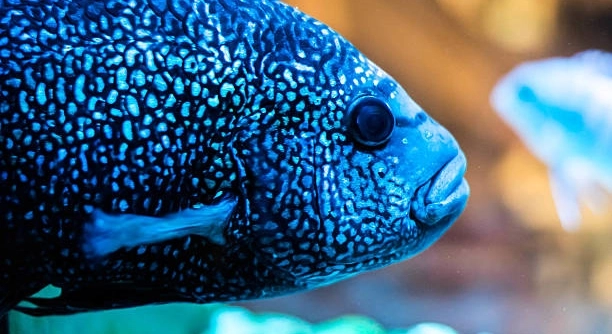
Do you ever notice Jack Dempsey fish swimming around their tank, seemingly remembering where they left their favorite hiding spots? These striking cichlids are active, curious, and sometimes display behaviors that suggest they can recall past events. Their bright patterns and lively movements make observing them a fascinating hobby for aquarium enthusiasts.
Research indicates that Jack Dempsey fish are capable of forming long-term memories. Studies show they can recognize familiar tank mates, remember feeding routines, and navigate complex environments, demonstrating cognitive abilities that extend beyond simple instinctual behaviors.
Understanding how these fish remember their surroundings helps improve their care and creates a more engaging environment. Learning about their memory also sheds light on their social behaviors and interactions in captivity.
How Jack Dempsey Fish Show Memory
Jack Dempsey fish demonstrate memory in ways that are easy to notice once you spend time observing them. They can remember where food is placed and learn to recognize feeding times. Over a few days, these fish may adjust their swimming patterns to anticipate feeding, showing a clear understanding of routine. They also recognize objects and decorations in their tanks, moving around them efficiently without bumping into them. This indicates they retain spatial memory, which helps them navigate their environment safely. Social interactions are another area where memory plays a role. Jack Dempseys can recognize other fish they’ve interacted with before, displaying less aggression toward familiar individuals. This recognition helps reduce stress in tanks with multiple fish. Overall, these behaviors show that their memory is not just instinctual but adaptive, allowing them to respond to their environment and companions in meaningful ways.
Memory in these fish is linked to repeated experiences and observation. Familiarity shapes behavior over time.
The memory of Jack Dempsey fish is practical and directly affects daily life. They rely on it to locate food efficiently, avoid obstacles, and remember areas of the tank that are safe or dangerous. Their social memory helps maintain order, reducing unnecessary conflict. By forming long-term memories, they adjust their behavior to changing circumstances, which makes them more responsive and less stressed. Observing these patterns allows caretakers to understand their needs better and create environments that support both safety and comfort. Memory helps them build a sense of predictability, which is essential for their overall well-being. Fish with enriched tanks that challenge their memory tend to be more active and engaged. In many ways, their memory reflects a level of intelligence that may surprise anyone who assumes fish only act on instinct. Recognizing this can improve care and provide a more satisfying experience when keeping them in an aquarium.
Enhancing Memory Through Tank Environment
Providing a structured and varied tank environment encourages Jack Dempsey fish to use memory. Regular changes in objects or layout stimulate learning and recall.
A well-planned tank can enhance cognitive abilities. Introducing new hiding spots, plants, and decorations encourages exploration and memory retention. Fish learn to navigate their space, recognize safe areas, and remember feeding zones. This stimulation prevents boredom and supports mental health. Keeping a consistent routine for feeding and interaction also strengthens memory. Repetition combined with environmental challenges helps them form stronger, long-term memories. Over time, the fish can recognize patterns, anticipate events, and respond appropriately, demonstrating a clear connection between environment and cognitive function. Memory isn’t just about recognition; it’s about adapting to changes and maintaining stability. Observing fish as they navigate enriched environments reveals their capacity to remember and react, highlighting the importance of thoughtful tank management for cognitive stimulation and overall well-being.
Feeding Patterns and Memory
Jack Dempsey fish quickly learn feeding routines. They remember when and where food appears, adjusting their behavior to be in the right spot at the right time. This consistent memory helps them feed efficiently and reduces stress caused by uncertainty.
Observing their feeding patterns shows that these fish are capable of associating specific times with food availability. They often swim to the feeding area just before food is presented, indicating anticipation based on memory rather than random movement. Over time, they can distinguish between different types of food and show preference, remembering which items are more rewarding. Their ability to recall feeding locations and timing demonstrates that memory is not just short-term but extends into long-term learning. This behavior also highlights their adaptability, allowing them to thrive in a controlled environment where routines are established.
Memory also affects interactions during feeding. Fish that remember previous experiences with other tank mates often reduce aggressive behavior, waiting their turn rather than competing unnecessarily. They can recall which fish are dominant or submissive, adjusting their approach accordingly. Additionally, their spatial memory ensures they avoid obstacles while moving toward food, showing that memory integrates multiple aspects of their environment. Recognizing these patterns can help caretakers plan feeding strategies that reduce stress and encourage natural behaviors, making the tank a more harmonious place for all the fish.
Social Memory in Jack Dempsey Fish
Fish remember other individuals in the tank, which influences social behavior and aggression. Familiarity leads to smoother interactions and less conflict over territory.
Jack Dempsey fish use memory to navigate social hierarchies. They recognize tank mates they have interacted with before, remembering past encounters and adjusting behavior accordingly. This recognition reduces unnecessary aggression and establishes predictable relationships, making the tank environment more stable. Social memory also plays a role in breeding, as pairs may recall previous interactions and bond more effectively. By observing these behaviors, caretakers can understand how memory shapes fish relationships and plan tank arrangements to minimize stress. Repeated interactions reinforce memory, strengthening social bonds and improving overall fish well-being.
Environmental Cues and Memory
Jack Dempsey fish respond to visual cues in their tank, remembering where objects and hiding spots are located. These cues help them navigate safely and reduce stress in their environment.
They also recognize changes in their surroundings over time. Moving decorations or plants can confuse them initially, but memory helps them adapt quickly.
Stress and Long-Term Memory
Stress can impact memory in Jack Dempsey fish. Fish exposed to sudden changes may take longer to remember safe areas or feeding routines. Memory works best in stable, consistent conditions where routines are predictable and the tank layout is familiar.
Training and Mental Stimulation
Providing challenges like rearranged decorations or target feeding improves memory. Jack Dempsey fish learn to navigate, recognize cues, and adapt behavior, which keeps them active and mentally engaged.
Observing Memory in Daily Behavior
Daily actions, such as returning to hiding spots or following feeding schedules, reflect their memory and learning. These repeated behaviors show how memory guides interactions and navigation.
FAQ
How long can Jack Dempsey fish remember things?
Jack Dempsey fish can retain memories for weeks to months, depending on the type of information. They remember feeding routines, familiar tank mates, and locations of hiding spots. This long-term memory helps them navigate their environment safely and respond to changes without constant stress or confusion.
Can Jack Dempsey fish recognize individual tank mates?
Yes, they can distinguish between other fish they have interacted with. Memory of previous encounters allows them to reduce aggression toward familiar fish and approach strangers with caution. Social memory supports hierarchy management and creates a calmer tank environment over time.
Does tank enrichment affect memory?
Absolutely. Changing decorations, adding plants, or providing obstacles encourages fish to use their memory to navigate and adapt. A stimulating environment helps reinforce learning and recall, keeping them mentally active and reducing boredom-related stress.
How do feeding routines influence memory?
Consistent feeding schedules strengthen memory. Fish learn to anticipate mealtime, locate food efficiently, and remember preferred food types. Irregular feeding can disrupt memory formation, causing stress and less predictable behavior.
Can stress damage memory in Jack Dempsey fish?
Stressful situations, like sudden tank changes, aggressive tank mates, or inconsistent feeding, can affect memory. High stress may slow recall or cause avoidance of certain areas. Maintaining stable conditions supports long-term memory retention and overall health.
Is it possible to train Jack Dempsey fish?
Yes, they can be trained with repeated cues and rewards. Target feeding, moving objects for exploration, or teaching them to recognize specific signals encourages memory use and cognitive development. Training strengthens recall and builds predictable behavior patterns.
Do Jack Dempsey fish remember past threats?
They do. Fish exposed to mild threats, such as brief encounters with aggressive tank mates, often recall these experiences. This memory helps them avoid potentially dangerous situations in the future and demonstrates adaptive learning beyond instinct.
How does memory affect daily behavior?
Memory influences routine navigation, feeding, and social interactions. Fish remember hiding spots, preferred swimming paths, and interactions with others. Daily behavior is guided by learned experiences, showing that memory directly impacts their comfort and survival in captivity.
Can young Jack Dempsey fish form memories as adults do?
Young fish do form memories, though the speed and duration may be shorter than in adults. Early experiences shape learning patterns, recognition of food, and social behavior. Providing enriched and consistent environments helps develop strong long-term memory even in juveniles.
How can caretakers support memory in these fish?
Maintaining stable routines, providing consistent feeding schedules, and enriching the tank environment all support memory. Observing fish responses, introducing safe challenges, and minimizing stress encourages cognitive development, allowing Jack Dempsey fish to use memory naturally and effectively.
Are there limits to what Jack Dempsey fish can remember?
While they remember routines, locations, and social interactions, complex abstract concepts or extensive problem-solving are beyond their capability. Memory is practical, focused on survival, social order, and daily efficiency, rather than imaginative or abstract thinking.
How can I tell if my Jack Dempsey fish has a good memory?
Indicators include consistent navigation, anticipation of feeding, recognition of tank mates, and adaptation to minor changes. Fish that quickly learn new routes or recognize previous experiences show strong memory, while confused or hesitant behavior may signal weaker recall or stress.
Does memory decline with age in Jack Dempsey fish?
There is limited evidence of memory decline with age, but older fish may react more slowly to new situations. Maintaining a stimulating environment and predictable routines can help preserve memory function as they grow older.
Can Jack Dempsey fish learn from observation?
They can watch and mimic behaviors of other fish, particularly in feeding or avoiding obstacles. Observational learning is tied to memory, helping them adapt efficiently to their environment without direct trial and error.
Is long-term memory unique to Jack Dempsey fish among cichlids?
No, many cichlid species show long-term memory, but Jack Dempseys are particularly responsive to social cues and environmental changes. Their memory is well-developed, supporting navigation, feeding, and social interactions in complex tank environments.
Final Thoughts
Jack Dempsey fish are more than just colorful additions to a tank. Their behavior shows that they have memory, which plays a big role in how they live and interact with their surroundings. They remember feeding times, favorite hiding spots, and other fish in their tank. This memory is not just random; it helps them navigate safely, find food efficiently, and reduce stress. Observing them over time makes it clear that these fish are aware of their environment and can recall important details. Memory allows them to adapt to small changes, making them more confident and active in their tanks. It also gives them a sense of routine, which is important for their well-being. When fish can rely on memory, they are less likely to act out of fear or confusion, which means their daily life is calmer and more predictable.
Memory also affects social behavior in Jack Dempsey fish. These fish recognize other tank mates they have interacted with and remember past encounters. This recognition influences how they behave, helping reduce aggression and create a more stable environment. Fish that can remember previous interactions are able to adapt their behavior depending on the situation. For example, they may avoid confrontations with dominant fish or approach familiar companions in a more relaxed way. This social memory shows that their brain is capable of more than just simple responses to immediate stimuli. Memory allows them to form predictable patterns in relationships, which supports harmony in the tank. By observing how they respond to other fish over time, it becomes clear that memory is an important part of their survival and comfort. A tank with multiple fish becomes more peaceful when each fish can remember who is safe, who is dominant, and how to act in different situations.
Supporting memory in Jack Dempsey fish is practical and beneficial. Consistent feeding routines, stable tank conditions, and enriched environments all help them retain memories and stay mentally active. Providing places to hide, objects to explore, and small challenges encourages them to remember and learn. Memory allows fish to anticipate events, navigate their space efficiently, and interact with other fish appropriately. When caretakers pay attention to memory and use it to structure the tank environment, the fish are healthier and more engaged. Over time, the effects of memory become clear in their daily behavior, feeding patterns, and interactions. Understanding that Jack Dempsey fish can form long-term memories allows us to care for them in ways that respect their natural abilities, creating a more rewarding and harmonious environment for both the fish and the person maintaining the tank.

Hello,
If you enjoy the content that we create, please consider saying a "Thank You!" by leaving a tip.
Every little bit helps us continue crafting quality advice that supports the health, happiness, and well-being of pets around the world, for pets of all shapes, sizes, and species.
We really appreciate the kindness and support that you show us!