
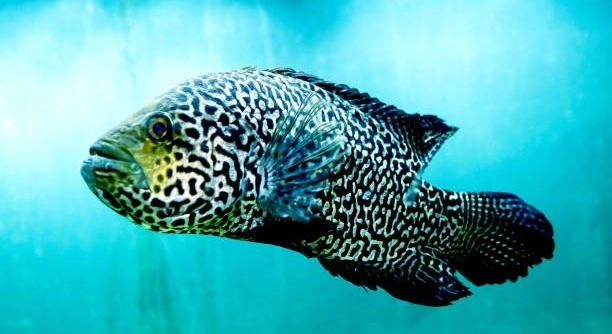
Jack Dempsey fish are admired for their vibrant colors and energetic movements in aquariums. Many owners enjoy watching their lively behavior while also learning how to maintain a calm and stable environment for long-term care.
Jack Dempsey fish can remain peaceful over time if kept in suitable conditions. Providing adequate tank space, proper hiding spots, and a consistent feeding routine reduces territorial aggression and promotes harmonious interactions with compatible species.
Understanding their natural tendencies and maintaining a stable tank environment can help ensure your Jack Dempsey stays calm and healthy for years. Proper care makes a noticeable difference in their behavior.
Understanding Jack Dempsey Temperament
Jack Dempsey fish are naturally territorial, especially as they grow older. Their aggression often comes from defending space or competing for food. Keeping them in a properly sized tank with enough hiding spots can reduce stress and aggressive behavior. Decorations, rocks, and plants create natural boundaries, helping them feel secure. Grouping them with peaceful tank mates requires careful selection. Avoid smaller fish that might be seen as prey. Regular observation allows you to notice early signs of tension before conflicts escalate. Feeding them consistently prevents competition over food, which is a common trigger for fights. Maintaining clean water and stable conditions also contributes to calmer behavior. Each fish has its personality, so patience is essential. Understanding their instincts allows you to create an environment where they feel safe and interactions remain mostly peaceful, even in a community setup. Proper planning from the start makes long-term care much easier.
Providing enough space and hiding spots keeps Jack Dempseys calmer and reduces conflicts in the tank over time.
With patience and the right setup, Jack Dempsey fish can coexist with other species without constant aggression. Observing their behavior closely helps you adjust tank arrangements and feeding routines. Using natural barriers such as plants and rocks reduces stress. Choosing compatible tank mates and avoiding overcrowding prevents fights. Water quality is crucial, as poor conditions increase irritability. Over time, these steps create a stable environment, allowing their colorful personalities to shine without causing harm to other fish. While occasional displays of dominance are normal, proper care minimizes long-term aggression, ensuring a harmonious aquarium where Jack Dempsey fish remain healthy and relatively peaceful for years. Adjusting care practices as the fish matures supports their well-being and helps maintain a balanced tank.
Tank Setup for Peaceful Behavior
A large tank with hiding spaces is key for keeping Jack Dempsey fish calm and minimizing aggression.
Tank size, décor, and water quality all influence Jack Dempsey behavior. A minimum of 55 gallons is recommended for a single adult, with additional space for each new fish. Rocks, caves, and plants create territories and allow shy or smaller fish to escape tension. Substrate choice matters, as these fish often dig; sand or smooth gravel prevents injuries. Water conditions must remain stable, with consistent temperature, pH, and filtration. Regular monitoring reduces stress, which is a major factor in aggressive incidents. Lighting should mimic natural conditions, providing day and night cycles. Feeding should be done with high-quality pellets, supplemented with occasional live or frozen food, ensuring all fish have access. Avoid sudden changes to the tank environment, as Jack Dempseys react strongly to disruptions. Gradually introducing new fish and maintaining established territories supports peaceful coexistence. Attention to these details allows long-term harmony.
Feeding and Diet Considerations
A balanced diet is crucial for Jack Dempsey fish to remain calm and healthy. Overfeeding or inconsistent feeding can trigger aggression. High-quality pellets, supplemented with occasional live or frozen food, meet nutritional needs and reduce competition.
Providing varied meals helps maintain color, energy, and overall health. Feeding once or twice daily in controlled amounts prevents overeating and territorial disputes during feeding time. Including protein-rich foods such as brine shrimp or bloodworms mimics natural diet patterns and keeps them satisfied. Avoid feeding small fish that could trigger predatory behavior. Monitoring each feeding session ensures all fish get access, reducing stress and preventing dominant individuals from controlling food. Adjusting feeding routines to fish size and age promotes long-term stability in behavior and health. Proper diet directly impacts their temperament.
Consistency in feeding is as important as the type of food offered. A predictable routine helps Jack Dempseys feel secure, minimizing stress-induced aggression. Varying the diet occasionally provides stimulation, reducing boredom and repetitive dominance behaviors. Observing how fish respond to different foods allows you to adjust portions and frequency, ensuring each fish remains healthy. Avoid sudden changes in diet, as they can provoke defensive or aggressive reactions. Maintaining this approach supports calm interactions and encourages long-term peaceful behavior in community tanks. Feeding management is a key factor in behavioral stability.
Choosing Compatible Tank Mates
Selecting appropriate tank mates prevents unnecessary conflict and stress. Avoid smaller or overly passive fish that may be harassed.
Peaceful but similarly sized species are ideal companions. Fish such as large tetras, silver dollars, or certain cichlids can coexist if the tank is spacious enough and territories are respected. Avoid overcrowding to reduce competition for food and space. Observing interactions during the first few days is essential. Be prepared to separate aggressive individuals or provide additional hiding areas. Tank mates should tolerate similar water conditions and temperature. Planning the community carefully prevents injuries and stress, allowing Jack Dempseys to display their personality without constant dominance struggles.
Introducing new fish gradually minimizes sudden aggression. Quarantining newcomers prevents disease spread and allows Jack Dempseys to adjust. Rearranging tank decorations can help reset territories, reducing fights. Even compatible fish may display occasional aggression, especially during breeding. Providing multiple hiding spots, caves, and plants ensures all fish have refuge. Monitoring water quality and maintaining stable parameters keeps the environment calm. Understanding the natural instincts and space needs of each species helps maintain harmony. Long-term peaceful cohabitation relies on careful planning, consistent observation, and adapting the tank setup as needed to accommodate growth and behavior changes.
Breeding Behavior and Aggression
Jack Dempsey fish can become more aggressive during breeding. Males guard eggs and fry vigorously, sometimes chasing tank mates.
Separating breeding pairs or providing additional hiding spaces helps reduce conflicts. Awareness of their breeding cycle allows you to manage aggression and protect both offspring and other fish in the tank.
Environmental Factors Impacting Calmness
Water quality, temperature, and tank layout directly affect Jack Dempsey behavior. Poor conditions increase stress, leading to more frequent aggression. Stable water parameters and a consistent cleaning schedule are essential.
Providing natural decorations like rocks, plants, and caves creates territories and reduces tension. Bright lighting or overcrowded spaces can trigger defensive behavior, while a balanced environment promotes relaxed interactions and long-term peacefulness. Observing fish responses and adjusting conditions as needed helps maintain stability.
Monitoring Behavior Regularly
Regular observation helps detect early signs of stress or aggression. Watching interactions ensures timely adjustments to the tank setup and care routines.
FAQ
Can Jack Dempsey fish live peacefully with other fish?
Yes, Jack Dempsey fish can live peacefully with other species if the tank is large enough and tank mates are carefully chosen. They do best with similarly sized, non-aggressive fish that tolerate similar water conditions. Providing hiding spots and territories also reduces stress and prevents frequent fights.
How large should the tank be for a peaceful Jack Dempsey?
A minimum of 55 gallons is recommended for a single adult Jack Dempsey. Adding more fish requires additional space, ideally 20-30 gallons per additional fish. Larger tanks allow territories to form naturally, reducing aggression and providing escape spaces for shy or smaller tank mates.
What is the best diet to maintain calm behavior?
High-quality pellets form the base of their diet, supplemented with occasional live or frozen foods like brine shrimp or bloodworms. Feeding in controlled amounts prevents competition and stress. Consistent feeding schedules create routine, which helps them remain calmer and reduces food-related aggression.
Do Jack Dempseys become more aggressive as they age?
Yes, aggression tends to increase as they mature, especially in males. Older fish defend their space and may challenge tank mates more often. Managing tank size, providing hiding spots, and carefully selecting companions can mitigate aggressive behavior over time.
How can I tell if my Jack Dempsey is stressed?
Signs of stress include frequent hiding, loss of color, chasing or nipping at other fish, and reduced appetite. Monitoring water quality, maintaining a stable environment, and providing proper nutrition are key to preventing stress and keeping fish calm.
Should breeding pairs be separated from other fish?
Yes, during breeding, males become highly protective of eggs and fry. Separating the pair or providing additional hiding areas prevents injury to both offspring and other tank inhabitants. Observing behavior closely ensures successful breeding with minimal conflict.
How often should I clean the tank?
Regular cleaning, including partial water changes of 20-25% weekly, is important. Stable water conditions reduce stress and aggression. Over-cleaning or sudden changes can upset territories, so maintain a consistent schedule to support long-term peace.
Can tank decorations influence behavior?
Yes, rocks, caves, and plants create natural territories and reduce tension among Jack Dempseys. Dense or overcrowded setups can trigger defensive behavior, while well-planned layouts provide escape routes and privacy, supporting calm interactions.
Are Jack Dempseys aggressive during feeding?
They can be, especially in small or overcrowded tanks. Controlled feeding, spreading food evenly, and monitoring access helps prevent fights. Avoid feeding small fish or food items that trigger predatory instincts to maintain peaceful behavior.
Do lighting and temperature affect aggression?
Yes, sudden changes in lighting or temperature can stress Jack Dempseys, increasing aggression. Consistent water temperature between 72-86°F and a natural light cycle helps maintain calm behavior. Observing their response allows adjustments to reduce stress-induced aggression.
Can aggression be completely eliminated?
Complete elimination is unlikely, as some territorial behavior is natural. However, careful tank setup, compatible tank mates, proper feeding, and stable environmental conditions greatly reduce aggressive incidents, making long-term peaceful cohabitation achievable.
What should I do if my fish become aggressive?
Identify the source, such as overcrowding, limited hiding spots, or competition over food. Adjust the tank layout, separate problematic fish if needed, and ensure water quality is optimal. Timely intervention prevents injuries and preserves long-term harmony in the aquarium.
How do I choose compatible tank mates?
Select fish that are similar in size and temperament, avoiding small or overly passive species. Research water parameters and natural behaviors. Introducing new fish gradually and monitoring interactions helps maintain balance and reduce stress-induced aggression in the tank.
Is hiding space essential for Jack Dempseys?
Yes, hiding spaces are critical. They reduce stress, provide security, and prevent fights. Rocks, caves, and plants allow territorial boundaries to form naturally. Sufficient hiding spots support peaceful behavior and help weaker fish avoid conflicts with dominant individuals.
Can Jack Dempseys live alone peacefully?
Yes, keeping a single Jack Dempsey can prevent conflicts entirely. However, they may become bored or exhibit repetitive behaviors. Providing enrichment through decorations, hiding spots, and varied feeding routines keeps a solitary fish engaged and reduces stress.
Do Jack Dempseys recognize their tank mates?
They can distinguish familiar tank mates over time and often develop a pecking order. Observing interactions helps maintain balance. Proper tank setup and territory management ensure that recognized relationships do not escalate into aggression, promoting long-term peaceful coexistence.
How important is water quality for calm behavior?
Water quality is one of the most important factors. Poor water conditions stress fish and trigger aggression. Regular testing, consistent filtration, and partial water changes keep the environment stable, supporting calm behavior and overall health of Jack Dempseys and their tank mates.
Can aggression flare during changes in the tank?
Yes, rearranging decorations or adding new fish can cause temporary aggression. Gradual introductions, careful observation, and providing extra hiding spots help manage reactions. Stability in the environment reduces conflict and supports long-term peaceful behavior in Jack Dempseys.
Are all Jack Dempseys equally aggressive?
No, individual temperament varies. Some remain calmer, while others display strong territorial instincts. Recognizing personality differences helps manage tank composition. Adjusting tank setup and monitoring interactions ensures that even more aggressive individuals can coexist peacefully over time.
What long-term steps help maintain peaceful behavior?
Maintain a large tank, stable water conditions, proper diet, hiding spots, and compatible tank mates. Regular observation and gradual changes prevent stress. Understanding natural behaviors and adjusting care routines promotes long-term calmness and a balanced, harmonious aquarium environment.
This FAQ covers the most common concerns about Jack Dempsey behavior, feeding, tank setup, and interactions to support peaceful long-term care.
Final Thoughts
Jack Dempsey fish are known for their bold colors and active personalities, making them a popular choice for aquariums. While they can be aggressive at times, careful planning and management make long-term peaceful behavior possible. Tank size is one of the most important factors. Providing enough space allows each fish to establish its own territory and reduces tension. Overcrowding often leads to fights, stress, and injuries, so giving Jack Dempseys plenty of room is essential. A tank with at least 55 gallons for a single adult, with additional space for each extra fish, helps prevent territorial disputes. Including natural decorations such as rocks, caves, and plants creates hiding spots and separate areas, which makes interactions calmer. These simple steps in tank setup go a long way toward reducing aggression and promoting a stable environment.
Diet and feeding routines also play a major role in maintaining calm behavior. Jack Dempseys respond well to consistent feeding schedules and high-quality pellets supplemented with occasional live or frozen foods. Overfeeding or irregular feeding can trigger competition and stress, leading to aggression. Providing enough food for all fish and spreading it around the tank prevents dominant individuals from controlling meals. Varying the diet occasionally helps stimulate the fish and keeps them engaged, reducing boredom and repetitive territorial behavior. Observing the fish during feeding times allows you to notice any early signs of stress or aggression. Adjusting portions, feeding frequency, or food types as needed ensures each fish remains healthy and less likely to act aggressively. Over time, proper diet management becomes a key tool in keeping Jack Dempseys peaceful in a community setting.
Regular observation and careful selection of tank mates are equally important. Jack Dempseys can live peacefully with other species if companions are similar in size and temperament. Smaller or overly passive fish may be harassed, while more active or equally sized species tend to coexist better. During breeding or periods of heightened aggression, providing extra hiding spaces or temporarily separating fish can prevent injuries. Monitoring water quality and maintaining stable environmental conditions are also critical, as stress caused by poor water parameters increases aggressive behavior. Even though complete elimination of aggression is unlikely, following these practices allows most Jack Dempseys to live calmly over the long term. With patience, consistent care, and attention to natural instincts, it is possible to enjoy a colorful, vibrant aquarium where Jack Dempseys thrive peacefully alongside compatible tank mates for many years.

Hello,
If you enjoy the content that we create, please consider saying a "Thank You!" by leaving a tip.
Every little bit helps us continue crafting quality advice that supports the health, happiness, and well-being of pets around the world, for pets of all shapes, sizes, and species.
We really appreciate the kindness and support that you show us!