
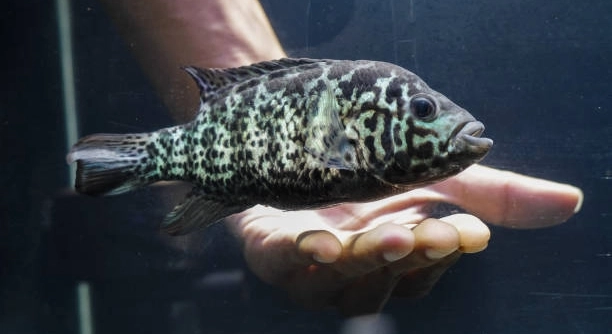
Have you ever considered mixing bold cichlids with graceful angelfish in the same aquarium, while hoping for balance and calm? This topic matters to aquarists seeking harmony, healthy fish, and realistic expectations in freshwater tanks.
Jack Dempsey fish can be kept with angelfish only under controlled conditions, as aggression risks are significant. Large aquariums, careful stocking, compatible temperaments, and close monitoring are required to reduce stress, injury, and long term incompatibility between these species together.
Tank size, individual behavior, and setup choices influence outcomes, shaping whether this pairing remains peaceful or becomes problematic over time.
Temperament and Behavior Differences
Jack Dempsey fish are known for strong territorial behavior, especially as they mature. Angelfish, while not harmless, rely more on space and visual barriers than direct confrontation. When these two species share a tank, stress often appears through fin damage, hiding, or feeding issues. Aggression usually increases during breeding periods, when Jack Dempseys guard areas aggressively. Angelfish may struggle to compete, particularly slower or long fin varieties. Individual personality plays a role, yet patterns remain consistent across many aquariums. Without proper planning, the imbalance can lead to chronic stress. I have seen setups fail simply because warning signs were ignored early. Observing daily behavior, swimming patterns, and feeding response offers valuable insight into compatibility before serious harm occurs. This reality highlights the need for realistic expectations and calm decision making when combining species with different social structures and tolerance levels inside shared home aquariums over extended periods without constant intervention.
Tank layout can reduce conflict when hiding spots, rocks, and plants break sightlines. Larger tanks help spread territories. Even with adjustments, close monitoring remains necessary, as behavior can change quickly. Personal attention during feeding times often reveals early signs of rising tension between incompatible tank mates in shared environments daily.
Size differences also influence outcomes. Jack Dempseys grow thicker and more assertive, while angelfish rely on height rather than bulk. Juveniles may coexist peacefully, giving a false sense of success. Problems often appear months later. Planning for adult size matters. Stocking order can help, but it does not guarantee harmony. I prefer adding angelfish first, allowing them to settle before introducing a Dempsey. Even then, backup tanks are wise. Preparation prevents rushed decisions and protects fish welfare long term. This approach reduces losses and stress during unexpected behavioral shifts in mixed species aquariums over time for responsible keepers everywhere today.
Tank Conditions and Long Term Care
Water parameters overlap enough to allow shared housing, but stability is essential. Warm temperatures, clean filtration, and regular maintenance support both species. Stress from poor conditions increases aggression. Consistent routines and measured feeding help maintain balance when managing a mixed cichlid aquarium over extended care periods in home tanks consistently.
Long term success depends on flexibility and observation. Not every pairing will work, even when guidelines are followed. Removing one fish is sometimes the most responsible option. Aggression that persists usually escalates, not fades. Rearranging decor may help temporarily, yet it rarely solves deep incompatibility. I believe aquarists should prioritize fish welfare over appearance. A calm tank supports natural behavior, steady growth, and reliable feeding. Keeping spare equipment ready allows quick responses. Separation tanks reduce panic decisions. Choosing compatible tank mates from the start saves effort and disappointment. While some aquariums manage this pairing for years, many do not. Accepting limits is part of responsible care. Success should be measured by health, not novelty. Clear expectations make fishkeeping more rewarding and sustainable over time. Care decisions should remain adaptable as fish age and environments change. Regular evaluation prevents long term harm. Personal attachment must not override practical action. Balanced planning supports ethical aquarium management. Responsible choices lead to calmer tanks and healthier outcomes for both species over many years. Patience, observation, and preparation remain key elements of successful long term fish care in mixed freshwater setups with assertive cichlids and delicate tank companions under attentive ownership at all times consistently.
Feeding Strategies and Tank Setup Adjustments
Feeding order matters when housing Jack Dempseys with angelfish. Aggressive eaters rush food, leaving slower fish stressed. Using sinking pellets, spreading food across the tank, and feeding smaller portions multiple times daily helps reduce competition and limits hostile interactions during meals in shared aquariums over time for mixed species setups.
Tank setup should support separation without isolation. Tall plants, driftwood, and rock structures create visual breaks and resting zones. Open swimming areas remain important for angelfish comfort. I find that rearranging decor before adding fish lowers territorial claims. Secure heaters and filters prevent damage during sudden chases. Substrate choice matters less than layout, but sand reduces injury during stress responses. Lighting kept moderate discourages constant display behavior. Each element works together to reduce pressure, though none remove aggression entirely. Proper spacing gives fish options instead of forcing constant confrontation in mixed tanks over long periods of shared housing together calmly.
Even with adjustments, feeding and layout cannot change natural instincts. Jack Dempseys mature into dominant fish that test boundaries. Angelfish may respond by hiding or refusing food. I have learned that observation matters more than hope. Minor fin nips often signal larger problems ahead. Temporary peace does not equal compatibility. When stress signs repeat, intervention becomes necessary. This may include separation or rehoming. Acting early prevents losses and preserves tank stability. Delayed decisions usually increase harm for both species over time in shared freshwater environments without constant supervision by attentive and prepared aquarists managing aggressive community setups with care consistently.
When Separation Becomes Necessary
Clear warning signs include torn fins, rapid breathing, and persistent hiding. Uneven feeding response often appears early. I pay close attention during lights on periods, when aggression peaks. Chasing that lasts more than a few seconds is not normal. These patterns rarely resolve alone. Ignoring them leads to exhaustion, illness, or sudden death in sensitive fish over time, especially within confined or poorly structured aquarium spaces shared by incompatible species under prolonged stress conditions daily.
Separating fish should be done calmly and quickly. Having a spare tank ready avoids rushed setups. I recommend matching water parameters to reduce shock. Once separated, behavior often improves within days. This confirms incompatibility rather than temporary tension. Reintroductions rarely succeed and often restart aggression. Long term solutions include species only tanks or carefully chosen companions. Accepting limits is part of responsible care. A peaceful aquarium supports feeding, growth, and stable behavior. Visual appeal should never outweigh welfare. Making firm decisions protects both fish and keeper confidence. Preparation reduces stress during emergencies and prevents emotional hesitation. Over time, this approach builds better habits and healthier systems overall for aquariums housing assertive cichlids with delicate species long term under attentive care practices that prioritize balance consistently.
Breeding Risks and Behavioral Shifts
Breeding behavior changes everything in a shared tank. Jack Dempseys become highly territorial, guarding space aggressively. Angelfish also defend spawning sites, though less forcefully. When both species attempt to breed, stress escalates quickly, often resulting in injury, constant chasing, and failed spawns for both fish during confined aquarium conditions environments.
Breeding triggers hormone driven aggression that overrides prior tolerance. Even calm fish may attack tank mates relentlessly. Separating pairs is essential. I avoid mixed species breeding tanks entirely, as repeated disturbances disrupt water quality, raise stress levels, and lead to unpredictable outcomes over time in poorly planned aquarium setups overall.
Tank Size and Space Requirements
Tank size plays a decisive role in any compatibility attempt. Larger aquariums dilute aggression by expanding territory options. I recommend no less than seventy five gallons for this pairing. Smaller tanks concentrate stress and limit escape routes. Height benefits angelfish, while floor space suits Jack Dempseys. Both needs must be met. Oversized filtration supports heavy feeding and waste. Without adequate volume, even careful stocking fails. Space does not guarantee peace, but insufficient space almost always guarantees conflict in mixed cichlid aquariums over extended periods where behavior patterns intensify as fish mature together under confined long term captive conditions indoors frequently.
Experience Level and Keeper Responsibility
Experience level matters when attempting this pairing. Beginners often underestimate aggression shifts over time. I suggest advanced keepers only, with backup tanks available. Quick intervention, confidence, and observation skills reduce losses. Without preparation, the risk outweighs any visual appeal in shared freshwater displays intended for long term housing success overall.
FAQ
Can Jack Dempsey fish and angelfish live together long term?
Long term housing is possible but uncommon. Success depends on tank size, individual temperament, and constant observation. Many setups appear stable for months, then fail as fish mature. I have seen peaceful juveniles turn aggressive without warning. Planning for separation from the beginning is essential.
Is aggression guaranteed between these two species?
Aggression is not guaranteed, but it is highly likely over time. Jack Dempseys are naturally assertive and territorial. Angelfish are more passive and easily stressed. Even when no fighting occurs early, tension often builds slowly and shows through behavior changes.
Does adding fish at the same time improve compatibility?
Adding fish together can reduce immediate territorial claims, but it does not prevent future conflict. Once Jack Dempseys mature, dominance behavior usually appears. I treat simultaneous introduction as a temporary buffer, not a solution.
What tank size gives the best chance of success?
Larger tanks always perform better. I consider seventy five gallons the minimum, with more space improving outcomes. Height helps angelfish feel secure, while floor space benefits Jack Dempseys. Crowded tanks fail quickly, regardless of decor or feeding strategies.
Do tank decorations really make a difference?
Decor helps reduce constant eye contact, which lowers stress. Rocks, driftwood, and tall plants allow fish to retreat. I have found that bare tanks escalate aggression faster. Decor does not remove natural instincts, but it buys time and reduces daily tension.
Can angelfish defend themselves if attacked?
Angelfish are not well equipped for sustained aggression. Their long fins make them targets, and they tire quickly. Minor attacks often lead to fin damage, stress related illness, and feeding refusal. Defense is limited compared to thick bodied cichlids.
Is it safer to keep only one Jack Dempsey?
Keeping a single Jack Dempsey reduces competition, but it does not eliminate aggression toward angelfish. Solitary fish still claim territory. I have seen lone Dempseys dominate entire tanks without rivals present.
Does feeding more often reduce aggression?
Regular feeding helps limit food based competition, but it does not address territorial behavior. I feed smaller portions several times daily when attempting this pairing. It helps during meals, yet aggression outside feeding times often remains unchanged.
Are juveniles easier to mix than adults?
Juveniles are easier initially, which creates false confidence. As they grow, behavior shifts. Many keepers mistake early calm for compatibility. I plan for adult behavior from day one to avoid rushed decisions later.
Can rearranging the tank stop fighting?
Rearranging decor can temporarily reduce aggression by disrupting established territories. I use this method during early warning signs. Results are usually short lived. If fighting resumes, separation is the safest option.
Is breeding a major risk in shared tanks?
Breeding increases aggression sharply. Both species defend space, but Jack Dempseys do so forcefully. Mixed breeding tanks almost always fail. I never recommend allowing spawning attempts in shared setups.
What are early warning signs of failure?
Chasing, hiding, torn fins, and uneven feeding are early signs. Rapid breathing and color darkening also indicate stress. I act quickly when these appear. Waiting rarely improves the situation.
Should beginners attempt this pairing?
I do not recommend this pairing for beginners. It requires experience, spare equipment, and confidence. Without preparation, losses are likely. Easier combinations provide better learning experiences and healthier fish outcomes.
Is separation considered a failure?
Separation is responsible care, not failure. Recognizing limits protects fish welfare. I view separation as good judgment. A calm tank is always better than forcing compatibility for appearance.
Are there better tank mates for Jack Dempsey fish?
Yes, sturdy cichlids with similar temperament and size often work better. Angelfish thrive with calmer species. Matching behavior matters more than matching water parameters for long term success.
Final Thoughts
Keeping Jack Dempsey fish with angelfish is a choice that requires honesty, preparation, and flexibility. On paper, shared water conditions make the pairing seem possible. In practice, behavior becomes the deciding factor. Jack Dempseys are assertive, territorial, and unpredictable as they mature. Angelfish rely on calm surroundings and steady routines. When these needs clash, stress builds quietly before it becomes visible. Many aquariums fail not because the keeper lacked care, but because expectations were too optimistic. I believe success should be measured by long term stability, not short periods of calm. A tank that looks peaceful today can change quickly tomorrow. Accepting this reality helps prevent frustration and loss. Planning for separation from the beginning is not pessimistic. It is responsible. Fish welfare should always outweigh aesthetic goals, even when a mixed tank looks appealing.
Experience plays a major role in outcomes. Advanced keepers are better equipped to notice subtle behavior changes, adjust setups, and act quickly when problems arise. Beginners often miss early signs because aggression does not always look dramatic at first. Small changes like reduced appetite, hiding, or fin wear matter. I have learned that patience alone does not solve incompatibility. Observation and decisive action matter more. Large tanks, proper decor, and controlled feeding help reduce tension, but they do not change instinct. Jack Dempseys will eventually test boundaries. Angelfish often pay the price. Understanding this dynamic prevents misplaced blame and emotional decisions. Fish do not fail each other. Setups fail when limits are ignored. Respecting natural behavior leads to better care and calmer aquariums overall.
In the end, there is no universal answer that fits every tank. Some pairings work longer than expected, while others fail quickly despite careful planning. I encourage keepers to choose arrangements that allow fish to thrive without constant intervention. Species specific tanks often provide the most stable results. If mixing is attempted, preparation should include spare tanks, flexible plans, and realistic expectations. Separation should be seen as protection, not defeat. A peaceful aquarium supports growth, feeding, and natural behavior. That outcome benefits both fish and keeper. Thoughtful choices lead to long term satisfaction, while forced compatibility leads to stress. Responsible fishkeeping is not about proving what can be done. It is about choosing what should be done for lasting health and balance.

Hello,
If you enjoy the content that we create, please consider saying a "Thank You!" by leaving a tip.
Every little bit helps us continue crafting quality advice that supports the health, happiness, and well-being of pets around the world, for pets of all shapes, sizes, and species.
We really appreciate the kindness and support that you show us!