
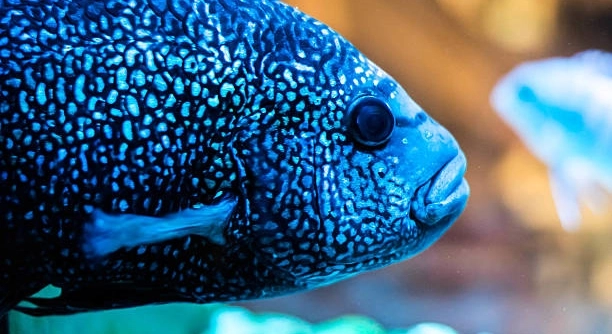
Have you ever wondered whether Jack Dempsey fish can live peacefully in small groups, especially when space, temperament, and daily care all play important roles in keeping a home aquarium stable and enjoyable for success.
Jack Dempsey fish can be kept in trios, but this arrangement carries elevated risks of aggression and stress, particularly in confined aquariums, requiring extensive space, careful sex ratios, and constant observation to maintain acceptable welfare conditions over time safely consistently.
Social dynamics, tank size, and individual behavior greatly influence outcomes, and understanding these elements helps prevent conflict while promoting environments.
Understanding Jack Dempsey Behavior in Trios
I have seen many aquariums struggle when Jack Dempsey fish are grouped without planning. These cichlids are bold, territorial, and sensitive to hierarchy. In a trio, one fish often becomes dominant and may repeatedly chase the others. This behavior increases stress, suppresses feeding, and weakens immune response. Tank size plays a major role, as cramped spaces intensify conflict. A large aquarium with clear sight breaks can reduce constant contact. Rock structures, caves, and plants help create boundaries. Even with ideal conditions, personality differences still matter. Some individuals tolerate tank mates better than others. Monitoring daily interactions is essential. Signs of trouble include torn fins, hiding, rapid breathing, and refusal to eat. Ignoring these signals often leads to injury or loss. Planning ahead and understanding natural behavior greatly improves outcomes in trio setups. Consistent maintenance and patience support calmer conditions over time while reducing setbacks during long term trio care efforts.
Even with preparation, trios demand more effort than pairs or single fish. I find success depends on constant observation, flexibility, and readiness to separate fish if aggression escalates beyond manageable levels. This approach protects health, reduces losses, and supports a more stable aquarium environment for long term care success overall.
Sex ratios strongly affect trio stability. Keeping one male with two females can sometimes limit constant fighting, but it is not guaranteed. Two males usually result in severe conflict. Introducing fish at similar sizes helps prevent instant dominance. Rearranging decor before adding new fish can reset territories. Feeding evenly across the tank reduces competition during meals. I have learned that backup tanks are necessary when attempting trios. Quick separation prevents injuries from worsening. Without a contingency plan, losses happen quickly. Responsible keepers prepare for change rather than forcing unsuitable groupings. This mindset improves outcomes and supports ethical aquarium care practices.
Deciding if a Trio Is the Right Choice
Trios are not ideal for every setup or keeper. I approach them cautiously, knowing they require space, planning, and emotional detachment. Success depends less on hope and more on preparation, structure, and willingness to intervene early. Without these factors, stress escalates quickly and outcomes decline in home aquarium environments overall.
I have found that many aquarists underestimate how quickly dynamics change in aggressive cichlids. A trio may appear calm for weeks, then shift suddenly as fish mature. Growth alters strength, confidence, and territorial claims. Regular tank checks help catch early warning signs before damage occurs. Large tanks over seventy five gallons offer better spacing and reduce constant confrontation. Filtration must handle heavy waste to maintain stable water quality. Poor conditions increase irritability and lower resilience. Lighting should be moderate, avoiding harsh exposure that amplifies stress. Feeding schedules need consistency to prevent competition spikes. Removing injured fish immediately is critical. Hoping aggression resolves on its own often leads to loss. I believe trios should only be attempted by keepers prepared to adapt quickly. Flexibility, spare equipment, and realistic expectations make the difference between controlled management and ongoing failure. This approach reduces emotional strain and protects animal welfare. Long term success relies on observation, discipline, and acceptance that separation may become permanent. Choosing simpler stocking options often results in healthier fish and a more balanced aquarium overall. Careful decisions prevent regret and support responsible fishkeeping over extended periods. This mindset aligns expectations with realistic outcomes and sustainable care practices for home aquariums.
Tank Setup and Space Requirements
A proper tank is essential for a Jack Dempsey trio. At least 75 gallons is recommended. Rocks, caves, and plants create boundaries that reduce conflict. Open swimming areas prevent constant harassment. Spacing and hiding spots directly influence aggression levels and overall fish health.
Decor placement impacts fish interactions. I always rearrange rocks and plants before adding new fish to reset territories. Jack Dempseys need multiple hiding spots to escape dominant individuals. Sand or fine gravel substrate is preferable for digging. Moderate lighting reduces stress, while strong currents can tire the fish. Filtration must handle heavy bioload to maintain water quality. Observation of fish behavior is key to adjusting setup. Even small changes in layout can prevent fights and help maintain harmony. I have noticed that tanks without visual breaks result in one fish constantly dominating, creating tension and injury risks for others.
Water parameters also play a role in trio stability. Temperature should remain between 75 and 82°F, and pH around 6.5–7.5. Regular water changes are essential to remove toxins and reduce stress. Uneven or fluctuating parameters often trigger aggression. I monitor ammonia, nitrites, and nitrates closely, making adjustments when needed. Stable conditions support calmer behavior and better growth. Adding driftwood or broad-leaf plants can simulate natural habitats and provide additional hiding spaces. Stress-free environments reduce fin damage and feeding competition. Even with careful monitoring, conflicts still happen, so tanks must have extra hiding areas to protect weaker fish.
Feeding and Daily Care
Feeding trios requires balance to prevent fights. Spread food evenly across the tank. Overfeeding increases aggression and pollutes water. I personally feed twice a day, ensuring each fish gets a share.
Jack Dempseys are omnivores. I alternate between high-quality pellets, frozen foods, and occasional live treats. Floating and sinking foods help all fish access meals, reducing territorial disputes at the surface. Uneven feeding encourages chasing and stress. I place food in different tank corners to minimize competition. Observing who eats first and who is blocked helps me adjust placement or type. Over time, I learned that spacing and food variety prevent one fish from dominating meals, keeping weaker individuals healthier. Removing uneaten food promptly reduces waste and prevents water contamination, which also affects aggression and general fish health.
Daily care includes monitoring behavior, checking for fin damage, and maintaining clean water. Skimming debris, vacuuming substrate, and testing water parameters take minimal time but significantly improve harmony. I also rearrange decorations occasionally to reset territories, which helps reduce constant fighting. Even minor changes in lighting or hiding spots affect aggression levels. Keeping a journal of behavior and feeding patterns allows me to spot early warning signs of stress. Tanks that are regularly observed tend to have healthier fish and fewer conflicts. Consistent care creates a stable environment, allowing trios to coexist longer with less risk of injury.
Introducing Jack Dempseys Slowly
Adding new fish too quickly often sparks immediate aggression. I always quarantine newcomers for two weeks. Observing behavior before mixing ensures they are healthy and less likely to carry disease.
I rearrange decorations before introducing a new fish. This resets established territories and reduces constant chasing. I also introduce fish at similar sizes to prevent instant dominance.
Monitoring Aggression Levels
Aggression is normal in trios, but constant fighting harms fish. I watch for chasing, fin nipping, and hiding. Adjusting tank layout or separating fish early prevents serious injuries. Stress signs, such as rapid breathing or refusal to eat, indicate the need for immediate intervention.
Breeding Considerations
Breeding a trio requires caution. Dominant males may harass females, increasing stress. I separate pairs or provide extra hiding spaces to protect weaker fish.
FAQ
Can Jack Dempsey fish live peacefully in trios?
Jack Dempseys can live in trios, but peace is not guaranteed. Aggression depends on tank size, personality, and territory. I have found that one dominant fish often emerges, chasing the others. Large tanks with hiding spots reduce stress, but constant observation is still necessary.
What tank size is best for a trio?
At least 75 gallons is recommended for a trio. Bigger tanks allow for territories, swimming space, and hiding areas. Rocks, caves, and plants break sight lines, which prevents constant confrontation. I personally prefer adding more plants than rocks to give flexible hiding spots without overcrowding.
How should I introduce a new fish to an established trio?
Quarantine new fish for two weeks to prevent disease. Rearrange decorations to reset territories, then slowly add the newcomer. I also add fish of similar size to avoid immediate dominance. Observation for the first few days is critical to intervene if aggression escalates.
What signs show that aggression is becoming a problem?
Look for torn fins, hiding, rapid breathing, and refusal to eat. These behaviors indicate stress and possible injury. I check my tank daily, and if aggression is persistent, I separate the most aggressive fish or provide extra hiding spaces. Acting quickly prevents long-term damage.
Can two males be kept together with one female?
Two males with one female usually leads to severe aggression. One male with two females works better, but conflicts still occur. I have found that even in ideal conditions, careful monitoring is needed. Territory boundaries and hiding spots are essential to prevent injuries.
What do Jack Dempseys eat in a trio setup?
They are omnivores. High-quality pellets, frozen foods, and occasional live treats work well. I feed twice daily, spreading food across the tank to reduce competition. Uneaten food is removed to prevent water quality issues and additional stress. Sinking and floating foods help all fish access meals.
How do I manage breeding in a trio?
Dominant males may harass females during breeding, which increases stress. I provide extra hiding areas or separate the female with her eggs. I have learned that monitoring behavior is critical. Uncontrolled breeding in a small tank often leads to aggression and injuries.
How often should I clean and maintain the tank?
Regular water changes, substrate vacuuming, and filter maintenance are essential. I clean twice a week, removing debris and uneaten food. Stable water conditions reduce stress and aggression. Observing fish behavior while performing maintenance helps catch early signs of problems.
Can decorations affect aggression?
Yes. Rearranging rocks, caves, and plants changes territory boundaries, which can reset conflicts. I often move decor slightly to prevent constant dominance. Open swimming spaces combined with hiding spots create balance. Even small adjustments can reduce fights significantly.
What is the best way to reduce stress in a trio?
Provide multiple hiding areas, maintain stable water parameters, feed evenly, and monitor interactions. I have found that occasional rearrangements, proper tank size, and consistent care prevent prolonged stress. Quick intervention when signs of aggression appear ensures all fish remain healthy and active.
How do I know if a trio is not working?
Persistent aggression, injuries, constant hiding, and poor eating habits show a trio may not be compatible. I prepare backup tanks for separation. Accepting that separation may be necessary prevents losses and maintains long-term fish health.
Is it better to keep Jack Dempseys alone?
For many aquarists, a single fish or pair is easier to manage. I often recommend simpler setups to reduce stress, prevent injuries, and simplify feeding. Trios require space, planning, and constant attention, which may not suit every keeper.
Can tank mates be added to a trio?
Other species can coexist if they are large, non-aggressive, and occupy different tank areas. I avoid small, delicate, or slow-moving fish, as Jack Dempseys may bully them. Adding tank mates requires careful observation and readiness to remove them if conflicts arise.
What water parameters are ideal for a trio?
Temperature should stay between 75 and 82°F, pH around 6.5–7.5, and ammonia/nitrites at zero. I test water frequently and make adjustments as needed. Stable parameters reduce stress, aggression, and susceptibility to disease, supporting calmer interactions.
How long can a trio coexist successfully?
With proper tank size, setup, and careful monitoring, trios can coexist for months or even years. I have found that frequent observation and readiness to intervene make the difference between success and injury. Long-term harmony depends on personality, space, and consistent care.
Should I separate fish immediately if fighting occurs?
Yes. Quick separation prevents injuries from escalating. I have backup tanks ready for aggressive individuals. Even short fights can cause fin damage and stress. Acting early ensures weaker fish recover and prevents permanent harm.
Can Jack Dempseys be trained to tolerate each other?
Behavior can improve slightly with consistent feeding, decor adjustments, and territory management, but innate aggression remains. I rely on careful observation and intervention rather than expecting permanent tolerance. Some fish naturally dominate, and acceptance of this reality prevents unnecessary losses.
What equipment is essential for managing a trio?
Large filter, heater, lighting, test kits, and spare tanks are crucial. I also use a siphon and net for safe maintenance. These tools help maintain water quality, monitor fish, and provide separation options when aggression rises. Proper equipment reduces stress and supports healthier fish.
Can stress affect health in a trio?
Absolutely. Chronic stress lowers immunity, slows growth, and increases disease susceptibility. I watch for hiding, pale colors, and poor feeding. Providing space, hiding areas, and stable conditions is my main strategy to prevent stress-related illness.
Is keeping a trio worth the effort?
It can be rewarding with proper planning, space, and monitoring. I find it satisfying to observe healthy interactions, but I always prepare for separation. Without careful management, stress and injuries outweigh the benefits, making simpler setups more practical for many aquarists.
How do I know when a trio is truly stable?
Stable trios show minimal chasing, regular feeding, healthy fins, and calm swimming. I still observe daily, as dynamics can shift quickly. Even a stable trio benefits from territory adjustments and consistent care to maintain harmony over time.
Final Thoughts
Keeping Jack Dempsey fish in trios can be challenging but also rewarding when done carefully. These cichlids are naturally bold and territorial, which means conflicts are likely if space and structure are not considered. A large tank with plenty of hiding spots, caves, and plants helps create boundaries for each fish. Open swimming areas are equally important so no one fish feels cornered. I have learned that even small changes in layout can influence behavior dramatically. Rearranging decorations before adding new fish or periodically adjusting the tank can reset territories and reduce constant chasing. Watching interactions daily is essential. Signs of stress like hiding, torn fins, rapid breathing, or refusal to eat should never be ignored. Intervening early prevents injuries and supports long-term health. While some trios may coexist peacefully for months or even years, others may require separation to protect weaker individuals. Planning ahead and understanding their natural instincts helps create a safer environment.
Feeding also plays a major role in reducing tension among a trio. Uneven access to food often sparks aggression, so I spread food across multiple areas of the tank and use both sinking and floating options. A varied diet of high-quality pellets, frozen foods, and occasional live treats ensures that all fish receive proper nutrition. Removing uneaten food promptly prevents water quality issues that can trigger irritability and stress. I have found that maintaining a consistent feeding schedule helps regulate behavior and keeps the fish calmer overall. Daily care, such as monitoring water parameters, cleaning the substrate, and checking filter efficiency, supports both fish health and a more stable social environment. Temperature, pH, and nitrogen levels should remain steady, as fluctuations can increase aggression. With attention to these details, many of the common issues associated with trios can be minimized, though vigilance is always necessary.
Despite the extra effort required, keeping a trio of Jack Dempsey fish can provide unique insights into their behavior and personalities. Each fish interacts differently, and observing these dynamics can be satisfying if approached with patience and preparation. However, success depends on realistic expectations, adequate space, and readiness to make adjustments. Backup tanks or temporary separation plans are vital to ensure no fish is harmed during conflicts. I have learned that even experienced keepers must accept that not all trios will work long-term and that intervention is part of responsible care. Providing hiding areas, maintaining water quality, monitoring interactions, and adjusting the tank as needed creates the best chance for a stable trio. Ultimately, while trios require more effort than single fish or pairs, careful planning, attention, and willingness to respond quickly to aggression can result in a balanced, healthy, and engaging aquarium environment for these impressive cichlids.

Hello,
If you enjoy the content that we create, please consider saying a "Thank You!" by leaving a tip.
Every little bit helps us continue crafting quality advice that supports the health, happiness, and well-being of pets around the world, for pets of all shapes, sizes, and species.
We really appreciate the kindness and support that you show us!