
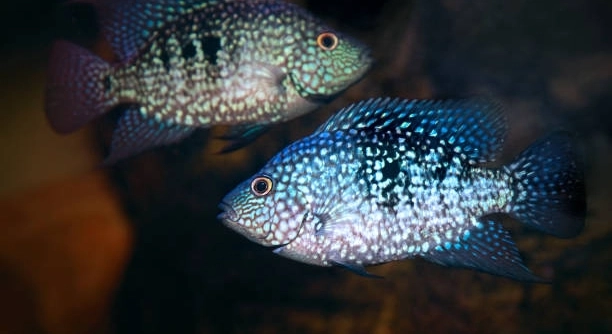
Jack Dempsey fish are known for their striking colors and lively personalities, making them a popular choice for home aquariums. They require careful care and specific conditions to thrive alongside other fish in a shared tank.
Jack Dempsey fish can be housed with certain cichlids if proper precautions are taken. Tank size, temperament, and territorial behavior must be considered, and compatible species should be selected to minimize aggression and maintain a balanced aquatic environment.
Understanding these factors can help ensure harmony among your fish. Proper planning and observation will support a stable and healthy community tank.
Choosing Compatible Cichlids
When considering tankmates for Jack Dempsey fish, selecting compatible cichlids is essential. Aggressive or overly territorial species can cause stress and injury. Peaceful cichlids of similar size, like Convicts or Firemouths, often coexist well. Monitoring interactions is crucial, as even compatible fish may establish dominance over time. Avoid introducing too many new fish at once, as sudden changes can upset the tank’s balance. Providing hiding spaces, plants, and decorations helps reduce territorial disputes. Water conditions should be consistent, with stable pH and temperature suited for both species. Feeding schedules also play a role, as competition for food can spark conflicts. Regular observation and small adjustments can prevent minor issues from escalating. Patience is important; establishing a harmonious tank environment may take weeks. Proper planning ensures Jack Dempseys and other cichlids live together with minimal stress and a stable ecosystem.
Selecting the right tankmates requires careful observation. Size, temperament, and environmental needs must align.
Keeping Jack Dempsey fish with cichlids can be rewarding if their natural behavior is respected. Each fish has unique traits that influence interactions. Understanding aggression levels and providing enough space is essential. Decorations, plants, and caves give fish areas to retreat, reducing conflict. Regular feeding and monitoring help maintain calm conditions. Overcrowding should be avoided, as it heightens stress and competition. Water quality must remain stable to support all inhabitants. Gradual introductions allow fish to adjust to one another. Even with careful planning, occasional disputes may occur, but these are often minor if preventive measures are in place. Observing behavior and adjusting the tank setup promotes long-term harmony. This approach ensures both Jack Dempseys and their cichlid tankmates can thrive, displaying natural colors and behaviors while minimizing stress and aggression.
Managing Aggression
Aggression in Jack Dempsey fish can be managed with proper tank setup and observation.
Providing adequate space, hiding spots, and visual barriers reduces confrontations. Feeding routines and compatible tankmates further minimize aggression. Regular monitoring ensures small issues are addressed before escalating, keeping the tank balanced and healthy.
Aggression among Jack Dempsey fish is often related to territory and dominance. Large tanks allow each fish to claim personal areas without constant confrontation. Hiding spots, rocks, and plants create natural boundaries, offering relief to subordinate fish. Introducing new fish gradually prevents sudden territorial disputes, and matching fish sizes helps reduce intimidation. Keeping consistent water parameters and feeding routines prevents additional stress that can trigger aggressive behaviors. Understanding each fish’s personality is key; some individuals are naturally more assertive, requiring extra observation. Addressing aggression early prevents injuries and maintains a peaceful environment. When managed effectively, Jack Dempseys coexist with compatible cichlids, allowing each fish to display its natural behavior safely. This careful balance supports long-term tank health and reduces the risk of persistent conflicts, creating a visually vibrant and active aquarium.
Tank Size and Environment
A properly sized tank is crucial when housing Jack Dempsey fish with other cichlids. Small tanks increase aggression and stress. A minimum of 55 gallons is recommended, with larger tanks preferred for multiple fish to reduce territorial disputes.
Spacious tanks allow Jack Dempseys and other cichlids to establish their own territories. Providing hiding spots, caves, and plants creates natural boundaries, which helps minimize conflicts. Open swimming areas give fish room to move freely, preventing constant confrontations. Regular water changes and stable filtration maintain healthy conditions, supporting the well-being of all tank inhabitants. Observing fish behavior regularly ensures that adjustments can be made if tension arises. Proper tank setup reduces stress and promotes harmony, allowing each fish to thrive and display natural colors and behaviors confidently.
Maintaining suitable water conditions is equally important. Jack Dempseys thrive in slightly alkaline water with stable temperature. Matching conditions for cichlids ensures a balanced environment. Careful monitoring prevents health issues and aggression, supporting long-term tank stability and fish vitality.
Feeding and Nutrition
Balanced feeding reduces competition and aggression among Jack Dempseys and cichlids. High-quality pellets and occasional live or frozen foods meet nutritional needs efficiently.
Feeding multiple times a day in small amounts prevents dominant fish from monopolizing food. Placing food in different areas of the tank encourages all fish to eat comfortably. Observing feeding behavior helps identify stressed or shy fish that may need attention. Offering variety supports overall health and coloration. Avoid overfeeding, which can harm water quality and provoke territorial disputes. Proper feeding routines contribute to calmer interactions and ensure each fish receives necessary nutrients. Maintaining this routine consistently fosters a stable environment, helping fish coexist peacefully.
Monitoring Behavior
Regular observation of Jack Dempseys and their tankmates is essential. Watching interactions helps identify early signs of stress or aggression, allowing timely adjustments.
Note changes in swimming patterns, hiding frequency, or chasing behavior. Quick intervention can prevent injuries and maintain a peaceful tank environment for all fish.
Water Quality
Stable water parameters are critical for Jack Dempseys and cichlids. Maintaining proper pH, temperature, and filtration ensures fish health. Regular testing prevents harmful fluctuations, keeping the tank environment safe. Consistent water changes support overall vitality and reduce stress, allowing fish to thrive together peacefully.
Breeding Considerations
Jack Dempseys may become territorial during breeding. Providing separate areas or breeding tanks prevents conflicts and protects eggs or fry from aggressive tankmates.
FAQ
What size tank is best for Jack Dempsey fish with other cichlids?
A minimum of 55 gallons is recommended for a single Jack Dempsey with other cichlids. For multiple fish, larger tanks help reduce aggression and allow each fish to establish its own territory. Extra space decreases stress and improves overall health, making interactions more manageable.
Can Jack Dempsey fish live peacefully with smaller cichlids?
Smaller cichlids may be at risk due to the Jack Dempsey’s territorial nature. It is safer to select cichlids of similar size and temperament. Observing interactions and providing hiding spots can help prevent bullying or injury in a shared tank.
How can aggression be minimized in a mixed cichlid tank?
Aggression can be reduced by providing ample space, visual barriers, and hiding places. Even distribution of food and gradual introductions prevent dominance struggles. Matching fish sizes and temperaments also helps maintain a balanced environment, reducing stress for all inhabitants.
What water conditions do Jack Dempseys require?
Jack Dempsey fish prefer slightly alkaline water with a stable temperature between 74°F and 80°F. Keeping water parameters consistent benefits both Jack Dempseys and compatible cichlids, reducing stress and the risk of illness. Regular testing and partial water changes maintain a healthy tank environment.
How often should I feed Jack Dempseys and other cichlids?
Feeding small portions two to three times a day works best. Using high-quality pellets supplemented with frozen or live foods ensures balanced nutrition. Spreading food in different areas prevents dominant fish from eating all the food and helps shy fish get their share.
Do decorations help in a mixed cichlid tank?
Yes, decorations, rocks, and plants create natural boundaries and hiding spots. These reduce aggression by giving each fish its own territory. They also provide areas for retreat during disputes and contribute to a more natural, comfortable environment for all fish.
How should new fish be introduced to a Jack Dempsey tank?
Introduce new fish gradually and monitor their interactions. Quarantining newcomers before adding them prevents disease and allows assessment of compatibility. Adding fish slowly reduces stress and helps maintain harmony within the tank, minimizing conflicts between Jack Dempseys and other cichlids.
What are signs of stress in Jack Dempseys?
Stress can appear as hiding, loss of color, rapid breathing, or reduced appetite. Aggression towards other fish may increase if a Jack Dempsey feels crowded. Observing these behaviors allows for early interventions to prevent illness and maintain a balanced tank.
Can Jack Dempseys and cichlids breed in the same tank?
Breeding increases territorial behavior. If breeding occurs, it is best to provide separate tanks or areas for eggs and fry. This protects offspring from aggressive tankmates and prevents conflicts between adults, ensuring survival of both species.
What maintenance is required for a peaceful mixed cichlid tank?
Regular water changes, stable filtration, and careful monitoring of fish behavior are essential. Maintaining consistent water conditions and observing tank dynamics allows you to address issues early. Balanced feeding, decorations, and adequate space all contribute to long-term tank harmony.
Are Jack Dempseys compatible with all types of cichlids?
No, compatibility depends on size, temperament, and territorial behavior. Aggressive or highly dominant species may not be suitable tankmates. Choosing moderately aggressive cichlids of similar size increases the chances of a peaceful community tank.
How long does it take for Jack Dempseys to adjust to tankmates?
Adjustment can take weeks, depending on the number of fish and tank size. Gradual introductions, proper hiding spaces, and careful observation help fish settle and reduce aggressive behavior over time. Patience is key to a balanced tank environment.
What should I do if fights break out?
Separate aggressive individuals if necessary. Rearranging decorations or adding visual barriers can reduce territorial disputes. Monitoring feeding areas and ensuring equal access to food can also prevent repeated aggression and injuries, maintaining a calmer tank environment.
Can Jack Dempseys coexist with other species outside of cichlids?
They may coexist with large, non-aggressive species if tank size and conditions are appropriate. Small or passive fish are likely to be bullied. Selecting species carefully based on size and temperament is essential for peaceful coexistence.
How do I know which cichlids are safe with Jack Dempseys?
Researching species behavior and observing compatibility in practice is essential. Choosing cichlids of similar size and temperament, providing hiding spaces, and monitoring interactions helps determine safe combinations for a harmonious tank.
What is the best way to maintain tank harmony long-term?
Maintaining proper tank size, stable water parameters, balanced feeding, and adequate hiding spaces is key. Regular observation, gradual introductions, and monitoring fish health ensure long-term peace and well-being for Jack Dempseys and their tankmates.
This FAQ provides practical guidance for keeping Jack Dempseys with cichlids safely, minimizing aggression, and maintaining a healthy, balanced aquarium environment. Proper planning and careful monitoring are essential for a harmonious tank.
Final Thoughts
Keeping Jack Dempsey fish with other cichlids requires careful planning and attention. These fish are beautiful and active, but their natural territorial instincts can create challenges in a shared tank. Choosing compatible species is essential to maintain harmony. Not every cichlid is suitable as a tankmate, so understanding the temperament, size, and behavior of both the Jack Dempsey and potential companions is the first step. Providing adequate space is just as important. A cramped tank increases stress, heightens aggression, and can lead to injuries. Larger tanks allow fish to claim personal areas and reduce constant confrontations. Decorations, rocks, and plants help establish boundaries while giving each fish a place to retreat. When the environment feels natural and secure, fish are more likely to coexist peacefully.
Water quality and proper feeding are also key factors in maintaining a healthy community tank. Jack Dempseys thrive in slightly alkaline water with stable temperatures, and their tankmates must have compatible requirements. Consistent testing and partial water changes help prevent fluctuations that could stress the fish or trigger aggressive behavior. Feeding multiple times a day in small portions ensures that dominant fish do not monopolize food while shy or smaller fish still get their share. Offering a varied diet, including pellets, frozen foods, or occasional live options, supports health, coloration, and overall vitality. Observing feeding behavior helps identify any fish that may be struggling or stressed, allowing for adjustments before problems escalate. Attention to these small but critical details promotes stability and reduces conflict, creating a calmer environment for all inhabitants.
Even with careful planning, it is normal for Jack Dempseys to display some aggression, especially during breeding or when establishing territory. Monitoring interactions and responding quickly to signs of stress or injury is important. Introducing new fish gradually and providing adequate hiding spaces allows the tank to settle naturally. Over time, fish learn to navigate their environment and coexist with minimal conflicts. Patience is necessary, as long-term harmony requires consistent care and observation. When these factors are managed effectively, Jack Dempseys and compatible cichlids can live together successfully, displaying natural behaviors and vibrant colors. Maintaining balance in the tank ensures a healthy and visually engaging environment, where each fish can thrive comfortably while minimizing stress and aggression.

Hello,
If you enjoy the content that we create, please consider saying a "Thank You!" by leaving a tip.
Every little bit helps us continue crafting quality advice that supports the health, happiness, and well-being of pets around the world, for pets of all shapes, sizes, and species.
We really appreciate the kindness and support that you show us!