
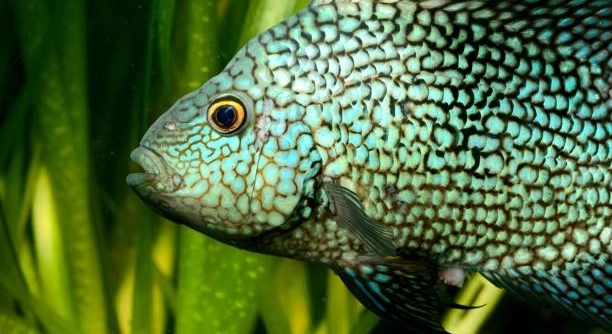
Do you ever notice your Jack Dempsey fish watching the other fish closely, seeming uneasy when attention is given elsewhere in the tank? Their behavior can sometimes appear protective or possessive over their environment and companions.
Jack Dempsey fish do not experience jealousy in the human sense, but they display territorial and competitive behaviors. These actions are instinctual, often triggered by perceived threats to resources, mates, or their personal space within the aquarium.
Observing these behaviors carefully can help you understand your fish’s interactions and maintain a peaceful, well-managed tank environment.
Understanding Territorial Behavior
Jack Dempsey fish are naturally territorial, and this can sometimes be mistaken for jealousy. They guard specific areas of the tank, often near hiding spots or decorations, and may display aggressive movements toward other fish that approach. This behavior is more about securing a safe space than emotional attachment. When another fish enters their territory, they might flare their fins, chase, or push the intruder away. These displays are instinctive and help maintain balance in the tank, preventing conflicts over resources. Recognizing the difference between territorial aggression and social interactions is important. By observing their patterns, you can see which areas they claim and when they feel threatened. Changes in the tank, such as introducing new fish or rearranging decorations, can heighten territorial responses. Knowing these signs allows for adjustments that reduce stress for all fish. Managing space, providing hiding spots, and monitoring interactions can create a calmer environment.
Territorial behavior is natural for Jack Dempsey fish and does not reflect personal emotions.
Providing adequate space and hiding areas in the tank minimizes stress and potential conflicts, ensuring a stable environment for your fish to thrive.
Signs of Resource Competition
Jack Dempsey fish may become more assertive when food or breeding spaces are limited.
Competition for resources can manifest in frequent chasing, fin displays, or guarding preferred spots during feeding. They may eat more aggressively or attempt to monopolize certain areas. Understanding these behaviors is key to preventing stress and injury. Separating feeding zones or increasing hiding spots reduces tension.
When multiple Jack Dempsey fish share a tank, competition can intensify. Feeding small portions in different areas ensures all fish get access to food. Providing plants, caves, or decorations allows each fish to claim a personal space. During breeding, males may guard females or nesting sites, showing heightened aggression. Observing these patterns helps you identify when behavior is resource-driven rather than emotional. Adjusting the tank layout, keeping fish numbers appropriate for the space, and monitoring interactions during feeding can maintain harmony. Resource competition is common but manageable with proactive steps, ensuring that all fish remain healthy and stress-free while coexisting peacefully.
Displaying Aggression
Jack Dempsey fish often show aggression toward other tank mates, which can look like jealousy. This behavior usually appears when new fish are introduced or during feeding times, and it is mainly instinctual rather than emotional.
Aggression in Jack Dempsey fish can include chasing, biting, or flaring fins. These displays are ways to assert dominance or protect territory. Aggression is more pronounced when the tank is small or overcrowded. By observing these behaviors carefully, you can determine if the fish is stressed or merely establishing boundaries. Providing sufficient space, decorations, and hiding spots helps reduce these aggressive interactions and prevents injuries to other fish.
Aggressive tendencies may also appear during breeding periods. Males can guard nests and become defensive toward other fish, even their own species. Monitoring these patterns and making tank adjustments, such as temporary separation, can manage aggression and maintain a balanced environment. Recognizing natural behavior allows better care and reduces unnecessary stress in the aquarium.
Attention-Seeking Behavior
Jack Dempsey fish can display behaviors aimed at gaining your attention, which may appear as jealousy. They often follow your movements or react strongly when other fish are fed first.
These behaviors are instinctive ways of asserting presence rather than true emotional jealousy. Fish may position themselves in the line of sight, perform rapid swimming movements, or display flaring fins when attention shifts elsewhere. This can also be amplified if the tank is small or lacking enrichment. By offering multiple feeding spots and varied activities like plants or ornaments, you can redirect their focus and reduce competition. Monitoring attention-seeking patterns allows for better management of tank interactions.
Reacting to Other Fish
Jack Dempsey fish often react strongly when other fish come near their territory. They may swim quickly toward the intruder or display flared fins, signaling their presence and dominance.
These reactions are instinctual, serving to protect their space rather than reflecting human-like emotions. Observing these interactions helps manage tank dynamics.
Monitoring Feeding Behavior
Jack Dempsey fish may rush or compete during feeding times, often trying to claim the most food. This behavior is a natural response to limited resources, not jealousy.
Keeping food portions consistent and spreading them across the tank helps reduce competition. This ensures all fish get adequate nutrition while minimizing stress and aggressive encounters.
Understanding Social Hierarchy
Jack Dempsey fish establish a clear pecking order in the tank. Dominant fish often control prime areas and resources, influencing the behavior of others.
Recognizing social hierarchy helps prevent conflicts. Providing ample space and hiding spots allows lower-ranking fish to retreat, reducing overall stress and maintaining a balanced environment for all tank inhabitants.
FAQ
Can Jack Dempsey fish feel jealousy like humans?
Jack Dempsey fish do not experience emotions like humans. What may appear as jealousy is actually territorial or competitive behavior. They respond instinctively to changes in their environment, presence of other fish, or access to food and breeding areas. Observing their actions carefully helps distinguish natural instincts from emotional responses.
Why does my Jack Dempsey follow me around the tank?
Following movements or staying near you is a form of attention-seeking behavior. It is instinctual and can indicate curiosity, interest in feeding, or territorial observation. Fish are attracted to movement and often associate it with food, so their behavior is more about expectation than attachment.
Is aggression a sign of jealousy?
Aggression in Jack Dempsey fish is usually territorial. Chasing, flaring fins, or nudging other fish is an instinctive way to assert dominance or protect resources. This behavior can be heightened in smaller tanks or during breeding periods. Managing space and providing hiding spots helps reduce conflicts.
How can I reduce fighting in my tank?
Providing a larger tank, multiple hiding areas, and proper decoration helps create boundaries. Feeding in separate areas and monitoring new additions also reduces tension. Ensuring an appropriate number of fish for the tank size minimizes competition and keeps the environment balanced.
Do Jack Dempsey fish compete for attention from their owner?
Yes, they may react when other fish receive attention, but this is instinctual, not emotional jealousy. It is often a combination of curiosity and food anticipation. Creating routine feeding and environmental enrichment can reduce stress caused by these interactions.
What triggers territorial behavior in Jack Dempsey fish?
Territorial behavior is triggered by the need to secure resources, such as food, breeding sites, or preferred hiding spots. Changes in tank structure, introduction of new fish, or limited space increase territorial displays. Observing patterns helps identify triggers and allows adjustments to the tank.
Can multiple Jack Dempsey fish live together peacefully?
Yes, if the tank is large enough and properly decorated. Providing hiding spots, plants, and defined territories reduces aggression. Monitoring interactions during feeding and breeding periods ensures peaceful coexistence. Managing the number of fish relative to tank size is essential for harmony.
Why does my Jack Dempsey flare its fins at other fish?
Fin flaring is a natural display used to assert dominance or warn intruders. It is an instinctive response to perceived threats or competition. Providing ample space and visual barriers can prevent unnecessary escalation and reduce stress for all tank inhabitants.
Does tank size affect behavior?
Absolutely. Small tanks increase stress and aggressive behavior because space is limited. Larger tanks provide room for territories and escape routes, which helps reduce competition and displays of dominance. Consistent monitoring of interactions in different tank sizes is essential for maintaining a balanced environment.
Can environmental changes trigger jealousy-like behavior?
Yes, rearranging decorations, adding new fish, or altering feeding routines can trigger defensive and competitive responses. These behaviors are instinctual adjustments to changes in territory or access to resources rather than true jealousy. Careful observation helps prevent stress and maintain stability.
How do I know if my Jack Dempsey is stressed?
Signs of stress include constant chasing, hiding, loss of appetite, and faded colors. Stress often results from overcrowding, lack of hiding spots, or aggressive tank mates. Addressing tank setup, providing sufficient space, and monitoring interactions reduce stress and promote healthy behavior.
Are certain fish better tank mates for Jack Dempsey?
Yes, larger and equally robust fish tend to coexist better. Avoid small, slow-moving, or highly passive species that may become targets of aggression. Selecting compatible fish and providing clear territories ensures peaceful interactions and reduces competition-related behaviors.
Can Jack Dempsey behavior change over time?
Yes, their behavior can evolve with growth, social hierarchy changes, and environmental adjustments. Maturity, tank rearrangements, and breeding periods can affect interactions. Monitoring over time allows you to anticipate and manage behavior effectively, ensuring a stable tank environment.
How often should I observe my Jack Dempsey?
Regular observation is key. Daily or frequent monitoring helps identify changes in behavior, stress signs, and interactions with other fish. This allows timely adjustments to feeding, tank layout, and social arrangements, maintaining a balanced and healthy aquarium.
What should I do if my Jack Dempsey becomes overly aggressive?
Separate fish temporarily if aggression escalates, rearrange tank decorations to create visual barriers, and ensure adequate hiding spots. Adjust feeding routines and monitor interactions until normal behavior resumes. Consistent tank management reduces repeated aggressive incidents.
How important is enrichment for Jack Dempsey fish?
Enrichment is very important. Plants, caves, and decorations provide stimulation, reduce boredom, and help establish territories. A well-enriched tank minimizes stress, aggressive behavior, and attention-seeking tendencies, promoting overall health and stability in the aquarium.
Can feeding routines impact behavior?
Yes, feeding routines affect competition and aggression. Unequal or unpredictable feeding can trigger rushed or aggressive behavior. Offering multiple feeding areas and consistent schedules reduces competition, allowing all fish to eat peacefully while minimizing stress.
How can I tell if attention-seeking is excessive?
Excessive following, constant fin displays, or blocking other fish from feeding may indicate overstimulation or stress. Adjusting environmental enrichment, feeding methods, and tank layout can redirect behavior and maintain a calmer atmosphere.
Does breeding influence behavior?
Yes, breeding increases territorial and aggressive tendencies. Males guard nests, chase other fish, and defend females. Providing ample space, hiding areas, and monitoring interactions helps manage these natural behaviors without causing injury or prolonged stress to the tank community.
Are there signs that a Jack Dempsey is feeling threatened?
Rapid swimming, sudden fin flaring, hiding, or chasing intruders are clear signs. These behaviors are instinctive responses to perceived threats. Recognizing them allows for adjustments to the tank environment, reducing stress and maintaining safety for all fish.
How can I maintain harmony among multiple Jack Dempsey fish?
Provide a spacious tank, adequate hiding spots, multiple feeding zones, and observe social interactions. Adjust tank layout and decorations as needed to create separate territories, ensuring peaceful coexistence and minimizing competitive or aggressive behavior.
What role does water quality play in behavior?
Poor water quality increases stress, making fish more aggressive or defensive. Regular testing, proper filtration, and consistent maintenance are essential to prevent stress-related behaviors and maintain overall health and balance in the tank.
How do I prevent resource hoarding during feeding?
Distribute food across multiple locations and offer smaller portions frequently. This reduces competition, ensures all fish eat, and prevents dominant individuals from controlling access to resources. Monitoring behavior during feeding helps adjust routines for fairness.
Can Jack Dempsey fish adapt to new tank mates?
Yes, over time they may adjust if the tank is large enough and territories are respected. Gradual introductions and careful observation reduce stress and aggression, allowing for a more stable community of fish.
Is fin damage a sign of aggression or stress?
Yes, torn or frayed fins often result from chasing, nipping, or territorial disputes. Regular monitoring, sufficient space, and separation when needed prevent serious injury and promote recovery.
Do Jack Dempsey fish ever show calm social interactions?
Yes, when space, resources, and territories are adequate, they may swim together without aggression. Observing these peaceful interactions indicates a well-managed and balanced tank environment.
Can environmental enrichment reduce attention-seeking?
Yes, plants, rocks, and hiding spots provide stimulation and help redirect focus. Enrichment reduces stress, excessive following, and competitive behaviors, making the tank more harmonious for all fish.
How long does it take for aggressive behavior to normalize?
Adjustment depends on tank conditions, number of fish, and environmental changes. It can take days to weeks for social hierarchies to stabilize. Regular observation and interventions, such as rearranging the tank, help ensure quicker normalization.
What is the best way to manage multiple aggressive fish?
Separate temporarily if needed, provide visual barriers, offer enrichment, and maintain multiple feeding zones. Monitoring interactions and adjusting tank layout prevents escalation while ensuring all fish have access to space and resources.
Are Jack Dempsey fish more aggressive during certain times of day?
Activity and aggression can vary with feeding times or light cycles. Observing patterns helps anticipate behavior and allows management strategies to reduce stress and conflicts effectively.
Do individual personalities affect interactions?
Yes, some fish are naturally bolder or more assertive. Recognizing individual differences helps in arranging territories, feeding routines, and introductions, promoting a balanced tank environment.
How do I know if my Jack Dempsey is overstimulated?
Signs include rapid swimming, constant flaring, or blocking other fish. Adjusting enrichment, feeding, and tank layout can calm the fish and prevent stress-related behaviors.
Can adding plants and decorations improve harmony?
Yes, visual barriers and hiding spots reduce aggressive encounters, allow fish to claim territories, and minimize stress. A well-decorated tank promotes natural behaviors and a peaceful environment for all inhabitants.
How should I introduce a new Jack Dempsey?
Quarantine first, then slowly acclimate to the tank. Monitor interactions closely, provide separate hiding spots, and observe for signs of excessive aggression. Gradual introduction reduces stress and allows social hierarchy to form naturally.
Can stress from other fish increase attention-seeking behavior?
Yes, fish may follow or block others when stressed. Providing space, enrichment, and consistent routines helps reduce these behaviors and maintain balance in the tank.
Are male Jack Dempsey fish more aggressive than females?
Typically, males show stronger territorial and breeding-related aggression. Providing separate spaces, monitoring interactions, and understanding breeding behaviors helps reduce conflicts and protect the overall harmony of the tank.
Does overcrowding affect aggression?
Yes, overcrowding increases competition for space and resources, leading to more frequent aggressive displays. Maintaining an appropriate number of fish relative to tank size is crucial for reducing stress and promoting peaceful coexistence.
Can aggression be reduced without separating fish?
Yes, rearranging the tank, adding hiding spots, providing multiple feeding areas, and monitoring social interactions can reduce aggression without separation while maintaining natural behaviors.
How do I balance feeding and territorial needs?
Offer food in multiple locations, provide hiding spots, and respect established territories. This approach reduces competition, ensures proper nutrition, and minimizes conflicts between fish.
What signs indicate that a new tank mate is incompatible?
Persistent chasing, fin nipping, constant hiding, or refusal to eat indicate incompatibility. Quick action, such as separation or tank rearrangement, helps prevent injury and stress to all fish.
Is it normal for Jack Dempsey to chase the same fish repeatedly?
Yes, it can be a sign of territorial assertion or establishing dominance. Monitoring interactions and providing additional space or hiding spots reduces repetitive chasing and stress.
Can Jack Dempsey fish adapt to a smaller tank?
They may survive, but aggression and stress increase in confined spaces. Providing hiding spots and managing social interactions becomes more critical to maintain health and reduce conflict.
Do Jack Dempsey fish recognize individual tank mates?
They respond to size, behavior, and territory rather than individual recognition. Their interactions are based on dominance, territory, and resource competition rather than familiarity.
Can introducing enrichment too quickly cause stress?
Yes, sudden changes can trigger defensive or aggressive behavior. Gradual introduction of decorations and plants allows fish to adapt and reduces the likelihood of overstimulation or territorial disputes.
How often should I rearrange the tank?
Rearranging should be occasional and gradual. Frequent changes increase stress and aggressive displays, while careful adjustments can enhance enrichment without disrupting established territories.
Are Jack Dempsey fish more aggressive when alone?
Aggression is primarily directed toward other fish, but isolated fish may become more reactive to environmental changes or human interaction due to lack of stimulation. Enrichment and observation are important even for single fish.
Does diet influence behavior?
Yes, consistent feeding and proper nutrition reduce stress and competition. Irregular feeding schedules or poor diet can heighten aggression and attention-seeking behaviors. Balanced nutrition supports calmer, healthier fish.
Can Jack Dempsey fish coexist with other cichlids?
Coexistence is possible with careful planning, large tanks, and sufficient hiding spots. Monitoring interactions and respecting territorial boundaries ensures reduced aggression and peaceful shared space.
How do I prevent injuries during aggressive episodes?
Provide hiding spots, visual barriers, and multiple feeding zones. Separate temporarily if needed and monitor interactions until aggression subsides. Quick interventions reduce the risk of fin damage or serious injury.
What is the best way to observe natural behavior?
Watch quietly without disturbing the tank, monitor interactions during feeding and movement, and note territorial and attention-seeking patterns. Consistent observation allows for proactive management and a balanced aquarium environment.
Can Jack Dempsey fish calm down as they age?
Mature fish may become more settled, but territorial instincts remain. Age may reduce random aggression, but monitoring and proper tank management continue to be essential.
Are Jack Dempsey fish compatible with community tanks?
Compatibility depends on tank size, species selection, and enrichment. Robust, similarly sized fish fare better, while small or passive species may experience stress or aggression. Proper planning ensures a balanced community environment.
How do I manage aggression during breeding?
Provide separate areas for nests, add visual barriers, monitor interactions, and maintain ample space. Breeding periods naturally increase aggression, and these measures reduce stress and protect tank mates.
Does light or time of day affect behavior?
Activity and aggression may vary with lighting and feeding schedules. Observing patterns helps anticipate behavior, allowing better management of social dynamics and tank harmony.
Can I train my Jack Dempsey to reduce aggression?
While not trainable like pets, consistent routines, proper tank setup, and enrichment influence behavior. Predictable environments reduce stress and help manage aggression effectively over time.
Are signs of stress reversible?
Yes, addressing tank size, enrichment, feeding, and social dynamics can reduce stress. Monitoring recovery and adjusting conditions helps fish regain normal behavior.
How important is regular tank maintenance?
Essential. Clean water and consistent conditions prevent stress, reduce aggression, and promote healthy interactions. Regular maintenance ensures a stable, balanced environment for all tank inhabitants.
Can aggressive behavior indicate illness?
Sometimes. Sudden increases in aggression, lethargy, or abnormal behavior can signal health issues. Observing changes and consulting a veterinarian ensures early detection and treatment.
How do I balance multiple factors affecting behavior?
Consider space, tank mates, enrichment, feeding routines, and water quality together. A holistic approach ensures peaceful coexistence, reduces stress, and maintains natural behaviors in Jack Dempsey fish.
Can overfeeding influence aggression?
Yes, excess food can create competition and territorial disputes. Controlled portions spread across the tank minimize conflict and maintain harmony.
Do Jack Dempsey fish ever ignore other fish?
Yes, when resources are sufficient and territories respected, they may swim together peacefully, ignoring others unless provoked or challenged.
How long should new introductions be observed?
Closely for the first days to weeks. Early detection of aggression or stress allows timely adjustments, preventing injury and maintaining harmony.
Is it normal for them to change behavior suddenly?
Yes, changes in tank setup, new fish, feeding schedules, or health can trigger sudden shifts. Observation and adjustments help restore balance.
Can Jack Dempsey fish thrive in a single-species tank?
Yes, they often thrive without conflict, and territorial displays are easier to manage. Enrichment remains important to prevent boredom and stress.
How do I handle disputes between equally dominant fish?
Increase space, provide hiding spots, monitor interactions, and consider temporary separation. Allowing territories to form naturally reduces prolonged conflict and injury.
Are Jack Dempsey fish more active during feeding times?
Yes, activity and aggressive behaviors often peak around feeding. Multiple feeding points and controlled portions help reduce stress and conflict during these times.
Can environmental stress lead to long-term behavioral changes?
Yes, chronic stress can make fish more aggressive, withdrawn, or unhealthy. Maintaining proper tank conditions and enrichment prevents lasting negative effects.
Does tank layout influence social behavior?
Absolutely. Rocks, plants, and caves create territories and reduce conflict. Thoughtful layout supports natural behaviors, reduces aggression, and promotes a balanced environment.
How do I know when aggression is temporary?
Temporary aggression usually decreases once social hierarchy stabilizes or environmental changes are accepted. Continuous observation helps distinguish between short-term and persistent issues.
Can Jack Dempsey fish coexist with non-cichlid species?
It depends on size, temperament, and tank conditions. Larger, fast-moving fish are safer companions, while small or slow fish may become targets of aggression. Careful selection and monitoring ensure compatibility.
What is the most effective way to maintain a calm tank?
Provide ample space, enrichment, multiple feeding zones, and compatible tank mates. Monitor interactions and adjust tank layout as needed to reduce aggression and maintain harmony.
Do Jack Dempsey fish remember interactions with other fish?
They respond to previous experiences, such as past territorial disputes or food competition, influencing future behavior. Memory affects social hierarchy and responses to tank mates.
How does temperature affect behavior?
Optimal temperature keeps fish active and healthy. Fluctuations can increase stress and aggression. Maintaining stable, species-appropriate temperatures supports calm behavior and overall well-being.
Can seasonal changes affect aggression?
Seasonal variations in light and temperature can influence activity levels. Monitoring and adjusting conditions help reduce stress and maintain consistent behavior throughout the year.
How do I prevent aggression from escalating into injury?
Observe interactions, provide hiding spots, multiple feeding areas, and temporarily separate aggressive individuals. Timely intervention prevents fin damage or stress-related illness.
Are Jack Dempsey fish more aggressive in smaller groups?
Yes, dominance behaviors may intensify in small groups due to fewer social checks. Larger groups with enough space help distribute hierarchy and reduce repeated targeting of individual fish.
Can introducing enrichment too late affect behavior?
Yes, delayed enrichment may result in prolonged stress, aggression, or attention-seeking behavior. Introducing it early helps fish establish territories and reduces conflict.
Is it normal for aggression to flare unexpectedly?
Yes, changes in environment, feeding, or social dynamics can trigger sudden displays. Quick adjustments prevent escalation and maintain stability.
How can I tell if a fish is intimidated?
Constant hiding, avoidance, or loss of appetite indicates intimidation. Providing escape routes, hiding spots, and sufficient space helps restore confidence and reduce stress.
Does light intensity affect aggression?
Bright light may increase activity and displays, while dim lighting can reduce visibility and territorial disputes. Balancing lighting levels supports calm behavior and tank harmony.
How do I introduce a new tank mate without triggering aggression?
Acclimate gradually, provide hiding spots, and monitor interactions closely. Slow introductions reduce stress and allow social hierarchies to form naturally.
Can water chemistry influence behavior?
Yes,
Jack Dempsey fish are fascinating creatures with strong personalities and instinctive behaviors. Understanding their actions, whether territorial displays, aggressive movements, or attention-seeking behaviors, is essential for maintaining a healthy tank. These behaviors are natural responses to their environment rather than signs of human-like emotions. Observing them carefully allows you to distinguish between normal instincts and potential stress indicators. By recognizing patterns in their interactions, you can create an environment that meets their needs, reduces conflict, and promotes overall well-being. Attention to detail in tank management, including space, enrichment, and feeding routines, plays a crucial role in keeping these fish healthy and balanced.
Maintaining a suitable tank setup is key for Jack Dempsey fish to thrive. Adequate space, hiding spots, plants, and decorations allow each fish to establish personal territory and feel secure. Providing multiple feeding areas ensures all fish have access to food without unnecessary competition, while a consistent schedule helps reduce stress and aggressive displays. Social dynamics are influenced by the number of fish, tank size, and layout, so monitoring interactions regularly is important. Changes to the tank, such as introducing new fish or rearranging decorations, should be done gradually to prevent overstimulation. Proper water quality, temperature, and maintenance routines support healthy behavior and prevent environmental stress, which can exacerbate aggression or attention-seeking. By focusing on these factors, you create a stable and calm environment where Jack Dempsey fish can express their natural instincts safely.
Understanding Jack Dempsey behavior also means accepting that certain traits, like aggression and territoriality, are part of their nature. These behaviors are not personal and do not reflect emotions like jealousy or spite. Providing enrichment, careful monitoring, and proactive adjustments allows you to manage interactions effectively. Observing their daily routines, reactions to tank mates, and feeding behavior helps you anticipate potential issues before they escalate. Consistent attention and care can prevent injuries, reduce stress, and foster a peaceful tank environment. By meeting their environmental and social needs, you encourage natural behaviors while maintaining harmony among all tank inhabitants. With patience and proper management, Jack Dempsey fish can thrive, displaying their fascinating behaviors in a balanced and healthy aquarium setting.

Hello,
If you enjoy the content that we create, please consider saying a "Thank You!" by leaving a tip.
Every little bit helps us continue crafting quality advice that supports the health, happiness, and well-being of pets around the world, for pets of all shapes, sizes, and species.
We really appreciate the kindness and support that you show us!