
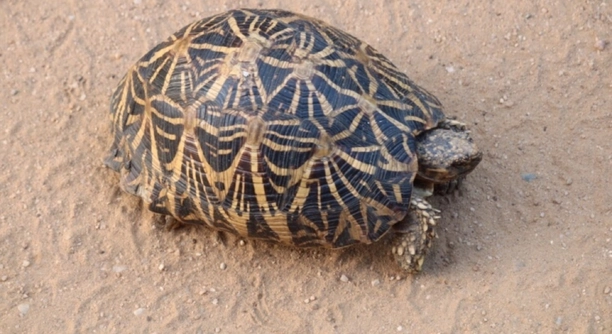
Indian Star Tortoises are a popular pet, but when it comes to their care, there are many questions about what they need to thrive. One such question revolves around whether or not they can live without a heat lamp.
Indian Star Tortoises require a warm environment to stay healthy. While they can technically live without a heat lamp, they need a heat source, whether natural or artificial, to regulate their body temperature and maintain proper metabolic function.
Understanding the role of heat in their care can help you provide the best living conditions for your tortoise. Keeping their habitat warm and comfortable is key to ensuring their well-being.
Heat and Temperature Requirements for Indian Star Tortoises
Indian Star Tortoises, like most reptiles, are cold-blooded and rely on external sources to regulate their body temperature. Without proper warmth, they can’t digest food properly, and their immune system may weaken. These tortoises come from warm climates, so they thrive best when their environment mimics these conditions. Typically, a heat lamp is used to maintain an appropriate temperature in their enclosure. A basking spot of around 95°F (35°C) is ideal during the day, with a cooler area of about 75°F (24°C). At night, temperatures should drop slightly but not too much. Without a heat lamp, their enclosure may not stay warm enough, affecting their overall health.
A heat lamp offers a consistent source of warmth. Without it, the temperature fluctuations in your home might make it difficult for your tortoise to stay warm enough.
While Indian Star Tortoises can survive without a heat lamp in warmer climates, the conditions must be closely monitored. It’s essential to provide natural sunlight if a heat lamp isn’t an option. Even with sunlight, though, there may be times when it’s not enough to maintain a stable temperature. As a result, these tortoises can be at risk of becoming too cold. If your home’s temperature regularly dips below 75°F (24°C), investing in a heat lamp is still recommended. Without a proper heating setup, your tortoise may become lethargic or develop health issues, so it’s crucial to maintain the proper balance of warmth for their comfort.
Alternatives to a Heat Lamp
If a heat lamp is not an option, there are alternative ways to heat your tortoise’s enclosure.
A ceramic heat emitter or an under-tank heating pad can be used to provide warmth. Both of these options will ensure the enclosure stays at the right temperature without the need for a visible light source.
How to Create a Warm Environment Without a Heat Lamp
If you’re unable to use a heat lamp, consider other methods for keeping your tortoise warm. You can use ceramic heat emitters, heating pads, or heat mats.
A ceramic heat emitter provides warmth without light, which is beneficial since tortoises need a day-night cycle. These emitters can be placed above the basking area to simulate the natural heat from the sun. Heating pads or mats can be placed underneath the tank or enclosure to keep the substrate warm. However, be mindful of the temperature. Too much heat can lead to overheating, which is harmful.
You should always monitor the temperature using a reliable thermometer. Check the warm and cool areas to ensure the temperature gradient is right. This helps your tortoise regulate its body temperature, allowing it to move to cooler areas when needed. The warmth should be consistent to prevent sudden changes, which can stress your tortoise.
Temperature Control Is Key for Health
Maintaining the right temperature range is essential for the health of your Indian Star Tortoise.
In their natural habitat, these tortoises experience a steady temperature, so replicating that is important. Without a proper heat source, they can become stressed, and their immune system may weaken. If you live in a place with fluctuating temperatures, a thermostat controlled heating system could help keep the enclosure stable. For tortoises, a constant temperature promotes better digestion, activity, and overall well-being. Keeping your pet comfortable ensures they live a long, healthy life.
Risks of Low Temperatures
When temperatures drop too low, Indian Star Tortoises may face several health risks. They become sluggish and may stop eating or drinking.
Without enough heat, their metabolism slows down, making it harder to digest food and absorb nutrients. Over time, this can lead to malnutrition or dehydration, which can weaken their immune system and make them more vulnerable to diseases.
Providing Natural Heat
If a heat lamp isn’t possible, ensuring access to natural heat is crucial.
Place your tortoise’s enclosure near a sunny window, where they can bask in the warmth. Just be cautious about direct sunlight, which can cause overheating. Adjust the position to avoid temperature extremes.
FAQ
Can Indian Star Tortoises live in temperatures below 75°F (24°C)?
Indian Star Tortoises are sensitive to temperature changes. While they can tolerate a range of temperatures, it’s not ideal for them to live in environments that are consistently below 75°F. At lower temperatures, their metabolism slows, which can lead to a variety of health problems, including poor digestion and weakened immune systems. If your home regularly falls below this temperature, you should provide additional heat sources, such as a heat mat or ceramic heat emitter, to maintain a warm environment. Keeping their basking area around 95°F during the day and letting the enclosure cool to about 75°F at night is optimal.
How often should I check the temperature in my tortoise’s enclosure?
It’s important to check the temperature at least twice a day. Temperature can fluctuate throughout the day, so checking in the morning and evening ensures that your tortoise has a consistent environment. Using a thermometer placed in both the basking and cool areas of the enclosure can help you monitor the range. You should aim for a basking temperature of about 95°F and a cooler area of 75°F to 80°F during the day. Regular checks help you avoid any drastic temperature shifts that could stress your tortoise or cause health issues.
What happens if my tortoise is kept in too warm an environment?
If the temperature gets too high, your tortoise can become overheated. This can cause dehydration, stress, and even heatstroke. Overheating can also lead to long-term health issues, like difficulty breathing or issues with their organs. It’s important to provide a temperature gradient in their enclosure, with cooler areas for your tortoise to retreat to when they feel too warm. If you suspect your tortoise is overheated, immediately move them to a cooler area, provide water, and adjust the temperature in their environment to ensure they stay comfortable.
Can I use a regular light bulb as a heat source?
A regular light bulb isn’t ideal for providing heat to your Indian Star Tortoise. While it might offer some warmth, it lacks the ability to create the right temperature gradient required for your tortoise to regulate its body heat properly. A specialized heat lamp, ceramic heat emitter, or under-tank heating pad is the better option. These provide consistent warmth without producing excess light. Additionally, regular light bulbs can also be too harsh, leading to overheating in small enclosures. Choosing the right heat source is critical for their well-being.
Can Indian Star Tortoises be outside without a heat lamp?
Indian Star Tortoises can be outside in warm weather, but they still need access to a warm area to regulate their temperature. If you’re in a warm climate, your tortoise can spend time outdoors during the day as long as the temperature remains between 75°F and 95°F. However, they should still have access to shaded areas to cool off, especially if it gets too hot. You’ll also need to bring them inside at night or during colder weather. If you keep them outdoors, always monitor the weather and ensure they have proper shelter and heat sources.
How do I know if my tortoise is too cold?
A cold tortoise will usually become lethargic and inactive. They may not eat or drink, and they may appear sluggish when moving. If you notice your tortoise staying in a corner of the enclosure, not seeking warmth, or becoming more passive than usual, it could be a sign that they are too cold. Check the temperature of the enclosure immediately, especially the basking area. If necessary, adjust the heating to ensure the right temperature range. If your tortoise seems weak, doesn’t eat, or appears very lethargic, it’s essential to seek veterinary care to address the issue.
Are there any signs of overheating in Indian Star Tortoises?
Yes, overheating can cause several signs in tortoises. Common signs include excessive panting or rapid breathing, open-mouthed breathing, and a lack of interest in moving around. If a tortoise is overheated, it may also retreat to the cooler areas of its enclosure and appear restless. In extreme cases, overheating can cause signs of stress, such as drooling or stumbling. If you notice these symptoms, immediately lower the temperature in their environment and offer water. It’s crucial to always provide a gradient of temperatures to let the tortoise regulate its body temperature naturally.
What type of heat source is best for an Indian Star Tortoise?
For Indian Star Tortoises, a ceramic heat emitter or a basking bulb are great options. Ceramic heat emitters provide warmth without emitting light, which is beneficial for creating a day-night cycle. They are particularly useful for keeping the enclosure warm overnight. If you prefer to use a basking bulb, ensure it’s designed for reptiles and can heat the basking area to around 95°F. Under-tank heating pads can also be used in conjunction with these heat sources to maintain the right temperature gradient within the enclosure.
How do I maintain the right humidity level for my tortoise?
Indian Star Tortoises need moderate humidity levels, typically between 40% and 60%. Too much humidity can cause respiratory issues, while too little can lead to dehydration and shedding problems. To maintain the right humidity, mist the enclosure lightly with water each day, especially in drier climates. Additionally, you can provide a shallow water dish in the enclosure that your tortoise can access for drinking and soaking. Always monitor the humidity with a hygrometer to ensure that the levels stay within the recommended range for optimal health.
Can I use a thermostat to control the temperature in my tortoise’s enclosure?
Yes, a thermostat is an excellent tool for maintaining consistent temperatures in your tortoise’s enclosure. By connecting a thermostat to your heating source, you can ensure that the temperature stays within the desired range without manual adjustments. This can help prevent overheating or underheating. You can set the thermostat to automatically adjust the heat source to maintain the optimal basking temperature of 95°F. This is especially helpful if you need to be away for long periods or if you have a busy schedule.
Final Thoughts
Taking care of an Indian Star Tortoise involves providing a stable environment that includes warmth, appropriate humidity, and the right amount of space. While these tortoises can technically live without a heat lamp, they still require a heat source to maintain proper body temperature. Their natural habitat is warm, and without consistent warmth, they may face health issues. Therefore, ensuring that your tortoise has access to a reliable heat source—whether through a heat lamp, ceramic emitter, or other alternatives—is crucial to their well-being. The temperature should remain within the ideal range, with a basking spot around 95°F and a cooler area of 75°F to 80°F during the day.
It’s important to always monitor the temperature in their enclosure. A sudden drop or spike in temperature can be stressful for your tortoise and lead to health problems, such as slowed metabolism or poor digestion. Regularly checking the temperature will help you ensure they have a comfortable and stable environment. If natural sunlight is available, you can use it to help provide warmth. However, be mindful of direct sunlight, as it can cause overheating if not properly regulated. In some cases, additional heating methods like under-tank mats or ceramic heat emitters may be necessary, especially if you live in a cooler climate or your home’s temperature fluctuates.
Ultimately, the goal is to create an environment that closely mimics the conditions of their natural habitat. By providing a steady temperature and keeping an eye on their needs, you’ll help your Indian Star Tortoise stay healthy and comfortable. Regular care and attention will ensure they live a long, happy life. Remember, each tortoise is unique, so observing their behavior and adjusting their habitat accordingly is key to making sure they thrive.

Hello,
If you enjoy the content that we create, please consider saying a "Thank You!" by leaving a tip.
Every little bit helps us continue crafting quality advice that supports the health, happiness, and well-being of pets around the world, for pets of all shapes, sizes, and species.
We really appreciate the kindness and support that you show us!