
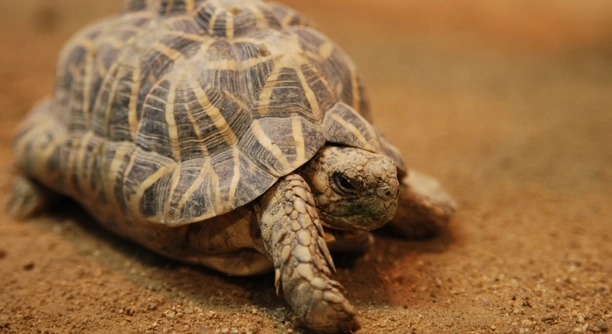
Indian Star Tortoises are fascinating reptiles, and as pet owners, we often find ourselves wondering about their diet. While we want to feed them nutritious food, it’s essential to know what’s safe for them.
Indian Star Tortoises should not eat mushrooms. Some mushrooms are toxic to reptiles, including tortoises. It’s important to be cautious as consuming certain mushrooms can lead to serious health issues like poisoning or digestive problems.
Knowing the right foods for your tortoise is key to keeping them healthy and happy. Let’s explore the risks of feeding mushrooms to your pet and safer alternatives for a balanced diet.
Why Mushrooms Are Dangerous for Indian Star Tortoises
Mushrooms are a tricky food when it comes to reptiles. For Indian Star Tortoises, they can cause harm. Some mushrooms contain toxins that can affect their digestive system, leading to vomiting, diarrhea, or even death. Since tortoises can’t always distinguish between safe and unsafe mushrooms, it’s important to avoid feeding them any type of mushroom. Even wild mushrooms, which may seem harmless, can be dangerous.
It’s vital to make sure your tortoise’s diet consists of safe plants and vegetables. Regularly feeding them a balanced diet will support their health and keep them out of harm’s way.
Mushrooms, while tasty to humans, are not safe for tortoises. There are numerous types of mushrooms that contain harmful compounds, which can interfere with your tortoise’s metabolism. These toxins can even cause damage to their organs over time. Even if you think the mushroom is safe, it’s often better to stay on the safe side. You might be able to recognize the safe mushrooms, but it’s not worth the risk. Be careful with what you offer to your pet and avoid mushrooms at all costs.
Safe Food Alternatives for Indian Star Tortoises
Luckily, there are plenty of safe, nutritious foods you can feed your Indian Star Tortoise. Leafy greens like dandelion greens and kale are great options. Fruits such as apples and pears, when given in moderation, also work well. It’s essential to feed them a variety of fresh veggies to ensure they get all the necessary nutrients.
Foods like grass, clover, and hibiscus flowers are safe, too. Tortoises are herbivores, and they thrive on a diet that mimics what they’d eat in the wild. Fresh, natural foods are best for their digestion and overall well-being. Stay away from high-protein items or those with too much sugar.
Incorporating different types of plants into their meals helps provide the vitamins and minerals they need. However, be cautious with certain fruits and vegetables, as some may not be suitable for their digestive system. Avoid any processed or high-fat foods, as these can lead to health problems like obesity or kidney issues. Make sure you’re also feeding them properly-sized portions. Healthy eating habits are essential in keeping your tortoise active, healthy, and thriving.
How to Identify Safe Foods for Indian Star Tortoises
Identifying safe foods for your tortoise can be a challenge, but it’s crucial for their health. Stick to leafy greens, grasses, and flowers commonly found in their natural habitat. Avoid anything that seems unfamiliar or not from a trusted source.
Before offering any food to your Indian Star Tortoise, make sure you know its origins. If you’re not sure about a plant or vegetable, research it thoroughly or ask a professional. Certain plants, like oxalis or rhubarb, can be toxic to tortoises. It’s also important to check for pesticides, as these chemicals can harm your pet. Choosing fresh, organic, or pesticide-free foods is essential to avoid any harmful effects.
When you do offer safe foods, make sure they’re clean and prepared correctly. Remove any seeds, as some of these can cause choking or digestive issues. If you choose to feed your tortoise fruits, do so in moderation. The high sugar content in some fruits can upset their digestive balance. Always provide food that is sized appropriately to prevent any choking hazards.
Recognizing the Signs of Mushroom Poisoning
Mushroom poisoning in tortoises can be dangerous. If your tortoise eats a toxic mushroom, you may notice symptoms like lethargy, loss of appetite, or unusual behavior. These signs should be treated seriously.
Mushrooms contain toxins that can cause immediate and severe effects in tortoises. The symptoms can include vomiting, diarrhea, and bloating. If untreated, it can lead to organ failure. Early detection and intervention are key, so if you suspect your tortoise has eaten mushrooms, contact a veterinarian immediately. This will increase the chances of a successful recovery.
Mushroom poisoning often requires medical intervention, which may include fluids to prevent dehydration and medications to help treat the toxins. It’s essential to monitor your tortoise closely after any suspected exposure to mushrooms. Even if symptoms appear mild, getting help quickly can save your pet from further harm.
What to Do if Your Tortoise Eats Mushrooms
If your Indian Star Tortoise has eaten mushrooms, act quickly. Remove any remaining mushrooms from its enclosure to prevent further consumption. Then, monitor your tortoise closely for signs of illness, and contact a veterinarian.
Prompt action can help minimize the effects of mushroom poisoning. Don’t wait for symptoms to show before seeking help. A vet will assess the situation and may recommend treatments like activated charcoal or IV fluids to help flush the toxins out of your tortoise’s system. In severe cases, hospitalization might be needed.
Keeping Your Tortoise Safe from Mushrooms
Prevention is always better than dealing with poisoning. Keep your tortoise’s environment clean and free from wild mushrooms, especially if you live in a place where they grow. Regularly check your outdoor enclosure for any signs of mushrooms.
It’s also a good idea to feed your tortoise only the foods you know are safe. Avoid allowing your tortoise to roam in areas where mushrooms are common. Create a controlled and safe space for them to explore.
FAQ
Can Indian Star Tortoises eat other types of mushrooms?
No, Indian Star Tortoises should not eat any type of mushrooms. While some mushrooms may not seem harmful, they can contain toxins that are difficult to detect. Even seemingly harmless mushrooms could cause digestive issues, poisoning, or other health problems for your tortoise. It’s best to avoid mushrooms altogether to ensure their safety.
What are the most toxic mushrooms for tortoises?
There are several types of mushrooms that are known to be toxic to reptiles, including tortoises. Some species like Amanita mushrooms, which can be found in forests and gardens, contain toxins that can cause severe poisoning in tortoises. Avoid mushrooms that grow in the wild, as many of them are not safe for consumption by reptiles.
How can I prevent my tortoise from eating mushrooms?
To keep your Indian Star Tortoise safe, you should regularly inspect their habitat for mushrooms, particularly if they have access to outdoor spaces where mushrooms grow. If you are letting your tortoise roam outside, ensure that you clear any mushrooms that might appear. Keeping their enclosure well-maintained is key to preventing exposure to dangerous foods. You may also consider creating a mushroom-free zone for them to explore.
Are there any signs that my tortoise has eaten a harmful mushroom?
If your tortoise has eaten a toxic mushroom, you may notice several symptoms. These can include lethargy, loss of appetite, unusual behavior, or difficulty moving. Some tortoises may experience vomiting, diarrhea, or bloating. If any of these symptoms occur, seek immediate veterinary care. The sooner treatment is provided, the better the chances for recovery.
What should I do if my tortoise eats a mushroom?
If you suspect your tortoise has eaten a mushroom, first remove any remaining mushrooms from their environment. Watch for signs of poisoning such as lethargy or digestive issues. Then, contact a veterinarian immediately. A vet can offer the necessary treatment, such as administering fluids or medication to flush out toxins and prevent further damage.
Can I feed my tortoise mushrooms if they are cooked?
No, cooking mushrooms does not make them safe for your Indian Star Tortoise. Even after cooking, the toxins in some mushrooms remain, making them dangerous to reptiles. It’s important to avoid feeding mushrooms in any form to your tortoise. Stick to known, safe foods like leafy greens, flowers, and vegetables for their diet.
What are some safe food options for my tortoise instead of mushrooms?
Instead of mushrooms, you can offer your Indian Star Tortoise a variety of safe foods. Leafy greens like dandelion greens, collard greens, and kale are excellent choices. Flowers such as hibiscus and dandelions are also great. Fruits like apples and pears, when given in moderation, provide a treat. Always make sure the foods are pesticide-free and properly cleaned before serving them to your tortoise.
How much should I feed my tortoise each day?
Indian Star Tortoises need a diet that is high in fiber and low in protein. They should be fed a mix of leafy greens and safe vegetables. A general guideline is to offer them as much food as they can eat within 30 minutes to an hour, ensuring they have enough fiber without overfeeding. It’s important to avoid feeding them too many fruits or vegetables high in oxalates, as these can interfere with calcium absorption.
Can mushrooms cause long-term damage to my tortoise?
Yes, mushrooms can cause long-term damage if consumed regularly or in significant amounts. Some mushrooms contain toxins that affect the tortoise’s liver and kidneys, potentially leading to permanent damage. Immediate medical treatment can often reverse acute poisoning, but long-term exposure may cause chronic health issues, making it essential to avoid mushrooms completely.
Are there any wild plants that are safe for tortoises to eat?
Yes, there are many wild plants that are safe for tortoises. Common ones include clover, dandelion greens, and plantain. However, it is crucial to identify them properly before offering them to your tortoise, as some wild plants can be harmful or toxic. Avoid picking plants near roads or polluted areas, as they may contain harmful chemicals.
How can I safely forage food for my tortoise?
When foraging food for your tortoise, be sure you can identify the plants accurately. Stick to well-known safe plants, such as dandelions and clover. Never forage near polluted areas or where pesticides may have been used. Always clean the plants thoroughly before offering them to your tortoise to remove any contaminants.
Can I feed my tortoise mushrooms in the future if they are safe?
Even if you think some mushrooms are safe, it’s still risky to feed them to your tortoise. The difficulty in identifying toxic varieties and the risk of accidental poisoning make mushrooms a food to avoid entirely. There are plenty of safe alternatives that will provide your tortoise with a healthy, balanced diet without the risks associated with mushrooms.
Is it necessary to take my tortoise to the vet regularly?
It’s a good idea to take your tortoise to the vet for check-ups at least once a year. Regular vet visits can help catch any health issues early and ensure your tortoise is thriving. They can also provide guidance on diet, habitat, and general care. Early detection of health problems can make treatment easier and more effective.
Can tortoises eat mushrooms found in my backyard?
No, mushrooms found in your backyard should be considered dangerous. Even though mushrooms may seem like a natural food, many species contain toxins harmful to tortoises. Always clear mushrooms from your tortoise’s outdoor space and monitor the area for any new growths. Stick to safe, controlled foods.
Final Thoughts
When it comes to the diet of an Indian Star Tortoise, it’s important to be cautious about what you offer them. While it may be tempting to think that some mushrooms are safe for your pet, the truth is that many varieties contain harmful toxins. Even mushrooms that appear harmless can cause serious health problems for your tortoise. Symptoms of poisoning, such as lethargy or digestive distress, can appear quickly and often require immediate medical attention. That’s why avoiding mushrooms entirely is the safest approach. Ensuring that you only feed your tortoise known, safe foods will help protect their health in the long run.
The best diet for an Indian Star Tortoise consists of fresh, pesticide-free vegetables and leafy greens. Safe plants like dandelion greens, collard greens, and hibiscus flowers provide the essential nutrients they need. These tortoises are herbivores, and their digestive systems are designed to process a diet rich in fiber and low in protein. You can also offer occasional fruits like apples and pears, but they should be given in moderation to avoid digestive issues. By sticking to these natural foods, you can ensure that your tortoise stays healthy and active.
Always be vigilant about your tortoise’s food sources. If you allow them to roam outside, regularly check for wild mushrooms or any other plants that could be harmful. When foraging, it’s crucial to be able to properly identify plants and mushrooms, as some could pose a danger. By staying informed and providing your tortoise with a balanced, safe diet, you can enjoy many happy years with your pet. Taking the time to learn about their dietary needs and potential hazards will go a long way in keeping your tortoise healthy and thriving.

Hello,
If you enjoy the content that we create, please consider saying a "Thank You!" by leaving a tip.
Every little bit helps us continue crafting quality advice that supports the health, happiness, and well-being of pets around the world, for pets of all shapes, sizes, and species.
We really appreciate the kindness and support that you show us!