
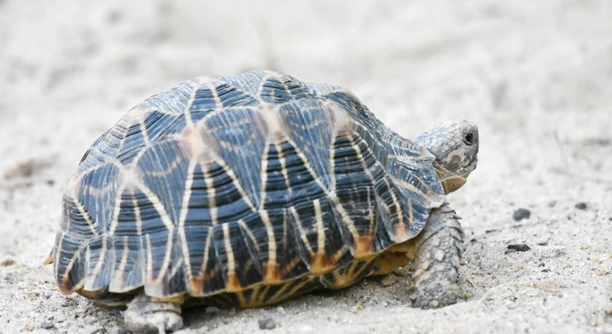
Indian Star Tortoises are unique pets that require a specific diet to stay healthy. Knowing what plants they can safely eat helps ensure their well-being and longevity. Here, we will explore whether clover is a good choice for them.
Indian Star Tortoises can eat clover in moderation. Clover provides essential nutrients like calcium and fiber. However, it should be offered sparingly, as excessive amounts can lead to health issues, especially due to its high oxalate content.
Understanding what forage plants are best for your tortoise will help keep them happy and healthy. There are many options to explore beyond clover for a balanced diet.
Can Clover Be Harmful to Indian Star Tortoises?
While clover is not toxic to Indian Star Tortoises, it should be given with caution. It is rich in nutrients like calcium, which is beneficial for their shell and bones, but it also contains oxalates. Oxalates can bind to calcium, making it harder for the tortoise to absorb. Over time, this can lead to calcium deficiencies. In large amounts, clover could also cause digestive issues. It is always best to offer a variety of plants to ensure balanced nutrition, rather than relying too heavily on one type of forage.
Feeding clover occasionally can be safe, but it’s important to maintain a well-rounded diet for your tortoise. Fresh clover can be a small, enjoyable treat, but it should not be the main food source.
To avoid any health issues, mix clover with other safe plants, such as grasses and leafy greens. A varied diet will reduce the risk of overfeeding oxalates and give your tortoise a better nutritional profile. Always make sure that the plants you offer are pesticide-free. Regularly rotating different plants also ensures that they are getting all the vitamins and minerals they need. Avoiding clover as a staple and using it only sparingly can protect your tortoise from long-term health problems.
Best Forage Plants for Indian Star Tortoises
Certain plants are better for Indian Star Tortoises than others. You can rely on a variety of grasses, dandelion leaves, and hibiscus flowers. These are not only safe but offer a wide range of nutrients that tortoises need.
Dandelion leaves are particularly beneficial because they are high in calcium and vitamin A, two important nutrients for maintaining strong bones and a healthy shell. Another great option is hibiscus flowers, which are rich in antioxidants. They also help with digestion and provide hydration. Grass is another essential staple, as it helps wear down your tortoise’s beak and supports natural foraging instincts. Avoid plants that are high in water content, like lettuce, as they don’t provide as much nutrition. When offering forage plants, always ensure they are pesticide-free and thoroughly washed. Regularly mix these plants to give your tortoise variety and the full spectrum of nutrients.
How to Safely Feed Clover to Indian Star Tortoises
If you decide to feed clover, make sure it’s fresh and free of pesticides. Offer it in small amounts and mix it with other safe plants to maintain balance. Avoid feeding clover too frequently to prevent any health issues. Always monitor your tortoise’s health after introducing any new food.
Offering clover once a week is usually safe, but remember to vary the diet. Mix clover with grasses, dandelion leaves, or other edible plants to ensure they are getting a wide range of nutrients. Keep in mind that overfeeding any single plant can lead to nutrient imbalances.
It’s important to watch for any changes in your tortoise’s behavior or health after introducing new food items like clover. Signs such as sluggishness or digestive issues might indicate that you’re feeding too much. If in doubt, consult a veterinarian who specializes in reptiles. A balanced diet with a variety of plants is key to keeping your tortoise healthy and thriving.
Best Practices for Foraging for Your Tortoise
When foraging for plants, always choose safe, organic options. Avoid any plants that are known to be toxic to tortoises, like buttercups, oleander, and daffodils. Wild plants should be collected away from roads and areas with potential contamination, such as pesticides or chemicals.
Creating a safe and nutritious foraging routine involves offering a mix of different plants. Native grasses, edible flowers, and weeds like plantain are excellent choices. These plants mimic the tortoise’s natural environment and provide the fiber they need for good digestion. Be sure to wash everything thoroughly to remove dirt and potential contaminants. Rotate your tortoise’s forage plants regularly, so they don’t get too used to one type and miss out on other essential nutrients. This variety keeps their diet interesting and healthy.
Signs of Overfeeding Clover to Your Tortoise
If you notice that your tortoise is becoming lethargic or having difficulty moving, this could be a sign of overfeeding clover. Too much clover can lead to calcium imbalances and digestive issues. Always monitor for any unusual behavior after offering this plant.
Overfeeding clover can also cause bloating or soft stools. If these signs occur, reduce the amount of clover in your tortoise’s diet and focus on other, safer plants. It’s best to feed a variety of plants to ensure proper nutrition and prevent any digestive distress or imbalances in their diet.
Common Mistakes When Feeding Indian Star Tortoises
A common mistake when feeding tortoises is offering too much of one type of plant. This can lead to nutrient imbalances, especially when feeding foods high in oxalates like clover. Another mistake is not offering a wide enough variety of plants.
A well-rounded diet is essential to avoid issues like shell deformities, calcium deficiency, and digestive problems. Make sure your tortoise gets a healthy mix of grasses, leafy greens, and safe wild plants. Regularly rotate the plants you offer to provide all the essential nutrients needed for proper growth and shell health.
The Role of Water in Your Tortoise’s Diet
Water is crucial to your tortoise’s overall health and digestion. Make sure they have access to clean water at all times. Dehydration can lead to serious health problems, so encourage your tortoise to drink regularly, especially if they are eating dry forage.
FAQ
Can Indian Star Tortoises eat clover every day?
No, clover should not be offered every day. It’s best to give clover in moderation, around once a week or less. While clover is not harmful in small amounts, feeding it too often could lead to calcium imbalances or digestive issues due to its high oxalate content. Instead, offer a variety of plants to ensure your tortoise gets a well-rounded diet.
Is clover a good source of calcium for Indian Star Tortoises?
Yes, clover contains calcium, which is beneficial for your tortoise’s shell and bones. However, the calcium in clover can bind with oxalates, making it harder for the tortoise to absorb. It’s important to balance clover with other foods that provide calcium without excess oxalates, like dandelion greens or collard greens.
What are the best plants to feed Indian Star Tortoises?
The best plants for Indian Star Tortoises include a variety of grasses, dandelion leaves, hibiscus flowers, and plantain. These plants offer essential nutrients like calcium, fiber, and vitamins. Always choose pesticide-free, organic options when foraging or purchasing plants. Mixing different plants ensures your tortoise gets a broad range of nutrients.
Can Indian Star Tortoises eat fruit?
Fruit can be fed to your tortoise occasionally but should not be a regular part of their diet. While fruits like strawberries, papaya, and melon are safe in small amounts, they are high in sugar and water content, which can cause digestive upset if fed too often. Stick to leafy greens and grasses for the majority of their diet.
Is it safe to feed Indian Star Tortoises store-bought salad greens?
Store-bought salad greens can be offered in small quantities, but they are not ideal as a main food source. Many commercial greens, like iceberg lettuce, lack nutritional value and may contain pesticides. Always choose dark, leafy greens like kale or collard greens, which provide more vitamins and nutrients.
Can Indian Star Tortoises eat weeds from the yard?
Weeds can be a great addition to your tortoise’s diet, but it’s important to know which ones are safe. Avoid weeds that may have been treated with chemicals or are potentially toxic, like poison ivy or ragweed. Common safe options include dandelions, clover (in moderation), and plantain. Always wash weeds thoroughly before feeding them to your tortoise.
How often should I feed my Indian Star Tortoise?
Indian Star Tortoises typically eat every other day. Younger tortoises may need daily feeding, while adults can go longer between meals. The key is to offer a variety of foods while making sure portions are appropriate for their size and age. Avoid overfeeding to prevent obesity and digestive issues.
What foods are toxic to Indian Star Tortoises?
Several common plants are toxic to tortoises. These include oleander, buttercups, daffodils, and azaleas. Additionally, avoid feeding them any plant treated with pesticides or chemicals. Always research or consult a veterinarian before introducing new plants into your tortoise’s diet to ensure they are safe.
How do I know if my Indian Star Tortoise is eating enough?
Signs of a healthy diet include regular bowel movements, a strong shell, and active behavior. If your tortoise is not eating or seems lethargic, this could be a sign of dietary issues. Make sure to provide a variety of foods and monitor for any signs of malnutrition or health concerns.
Can Indian Star Tortoises eat cooked food?
No, Indian Star Tortoises should not be fed cooked food. They require raw, natural vegetation to stay healthy. Cooking destroys many of the essential nutrients in the plants. Stick to fresh, organic greens, grasses, and flowers for the best diet. Avoid feeding them any processed or cooked food items.
How much should I feed my Indian Star Tortoise?
Feeding amounts depend on the age and size of your tortoise. Generally, you should provide enough food for them to graze on for a few hours, but avoid overfeeding. Offer a variety of plants and make sure that the food is chopped into manageable pieces. If they are not finishing their food, reduce the portions.
Can I feed Indian Star Tortoises vegetables like carrots or potatoes?
Carrots can be fed occasionally, but root vegetables like carrots and potatoes should not be the main part of your tortoise’s diet. These vegetables can be too high in sugar and starch. Offer them sparingly as a treat, but focus on leafy greens and grasses for the bulk of their diet.
What are the signs of an unhealthy diet in Indian Star Tortoises?
Signs that your tortoise’s diet may not be healthy include shell deformities, lethargy, soft or irregular stools, and weight loss. If you notice any of these symptoms, it’s important to reassess their diet and ensure they are getting the right balance of nutrients. Consult a veterinarian if symptoms persist.
Can I feed Indian Star Tortoises flowers?
Yes, Indian Star Tortoises can eat a variety of flowers, but you should stick to non-toxic options. Hibiscus flowers are a great choice and are packed with nutrients. Avoid flowers like lilies, as they can be toxic. Always make sure that the flowers you offer have not been treated with pesticides.
Is it safe to let my Indian Star Tortoise free-roam in my yard?
Letting your tortoise roam in your yard can be safe if the area is secure and free from harmful plants or chemicals. Make sure the yard is fenced off to prevent escapes. Also, check for any potentially toxic plants before allowing your tortoise to graze. Always supervise them during outdoor time.
What should I do if my tortoise stops eating?
If your tortoise stops eating, it could be due to stress, health issues, or an unbalanced diet. Check their environment for any changes that could be causing stress, such as temperature or humidity fluctuations. If they continue to refuse food, consult a veterinarian.
In conclusion, while clover can be a safe and beneficial plant for Indian Star Tortoises in small amounts, it should not be a regular part of their diet. The key is moderation. Clover is rich in calcium, which is important for your tortoise’s bone and shell health, but it also contains oxalates. These oxalates can interfere with calcium absorption, which may cause health problems over time if clover is fed too often. Therefore, it is important to offer clover sparingly and focus on providing a variety of other plants to ensure a balanced diet. Mixing clover with grasses, leafy greens, and other safe plants will help your tortoise get the necessary nutrients.
When selecting forage plants for your tortoise, it’s best to stick to natural, organic options. You can easily forage for safe plants like dandelion leaves, hibiscus flowers, and various grasses, but be sure to avoid plants that are potentially toxic, such as oleander and buttercups. Always ensure the plants you offer are pesticide-free, as chemicals can be harmful to your tortoise. Regularly rotating different plants will also prevent your tortoise from getting too accustomed to one type of food and missing out on essential nutrients. A varied diet helps keep your tortoise healthy, happy, and active.
Lastly, it’s important to remember that every tortoise is unique, and their diet may vary depending on age, size, and health. Monitoring your tortoise’s behavior, shell condition, and overall health will help you determine if their diet is meeting their needs. If you notice any signs of health issues, such as lethargy, soft stool, or a change in appetite, it may be worth consulting with a veterinarian who specializes in reptiles. By providing your tortoise with a well-balanced and varied diet, you can help ensure they live a long, healthy life.

Hello,
If you enjoy the content that we create, please consider saying a "Thank You!" by leaving a tip.
Every little bit helps us continue crafting quality advice that supports the health, happiness, and well-being of pets around the world, for pets of all shapes, sizes, and species.
We really appreciate the kindness and support that you show us!