
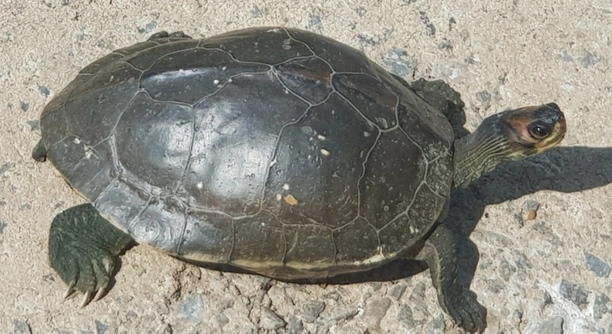
Indian Roofed Tortoises are fascinating creatures, often kept as pets due to their distinct appearance and calm nature. Understanding their needs and behaviors is crucial for ensuring their well-being. One common question that arises is whether these tortoises can swim.
Indian Roofed Tortoises are semi-aquatic animals that can swim, though they prefer shallow water and are not strong swimmers like some other turtle species. Their natural habitat includes both land and water, allowing them to move between the two.
Creating a safe and suitable habitat for your tortoise involves understanding its specific needs. By making a few adjustments to its environment, you can help it thrive and feel secure.
Can Indian Roofed Tortoises Swim Well?
Indian Roofed Tortoises are capable of swimming, but they are not the best swimmers compared to some other turtles. They prefer shallow water, where they can stand or slowly float rather than actively swimming for long periods. They typically use water to cool off, drink, or occasionally forage for food, but they are not as comfortable in deeper water. These tortoises naturally live in areas with ponds, streams, and wetlands, so they have some swimming ability, though they tend to avoid swimming long distances.
They are also known to move between water and land frequently. Their ability to swim is important for their survival, allowing them to escape predators or find food in the wild. However, it’s essential to note that swimming is not their primary mode of movement.
To make sure your tortoise stays healthy, providing a shallow pool or water source that it can easily enter and exit is key. This ensures your tortoise has access to water for hydration and a safe way to cool down.
How to Make Their Habitat Safe
When setting up your Indian Roofed Tortoise’s habitat, safety is a top priority. A proper enclosure with secure fencing to prevent escapes is crucial. Providing easy access to water, along with enough space to roam and explore, will keep them happy.
A good setup should include both dry areas and shallow water zones. You can create a small pool that’s not too deep, just enough for them to soak or swim gently. Make sure the water is clean and regularly changed to avoid any health issues. Additionally, placing rocks or logs around the pool can help your tortoise climb in and out with ease. Keep an eye on the temperature, as they enjoy warmth but should never be exposed to extreme heat or cold. Creating a comfortable, safe environment helps ensure your tortoise lives a healthy and stress-free life.
Can Indian Roofed Tortoises Drown?
Indian Roofed Tortoises can drown if they are left in deep water without the ability to escape. Although they can swim, they are not strong swimmers. If they cannot reach a safe spot to rest or climb out, they can tire easily and risk drowning.
It’s essential to make sure their water is shallow and easy to navigate. Provide areas where they can stand, rest, or get out of the water if needed. Deep, inaccessible water should be avoided in their habitat. In the wild, they don’t spend all their time in water, and their swimming is usually brief.
If you plan to include a water source in your tortoise’s enclosure, the depth should be shallow enough that your tortoise can quickly exit. Adding rocks or a small ramp will help create easy access points. Keep the water level low and monitor their movements closely, especially when they’re new to a larger water area.
Water Temperature and Quality
Maintaining the right water temperature is crucial for Indian Roofed Tortoises. If the water is too cold or too hot, it could harm their health. Keeping the water in their enclosure at a comfortable temperature ensures they can enjoy it safely.
The ideal water temperature for an Indian Roofed Tortoise is around 75 to 80°F (24 to 27°C). Water that’s too cold can cause them to become stressed or sick, while water that’s too hot could lead to dehydration. Additionally, the quality of the water is equally important. Dirty water can lead to bacterial infections or skin issues.
You should clean the water regularly, changing it frequently enough to avoid any harmful buildup. Ensure that no chemicals or chlorine are present, as these can be dangerous for tortoises. Filtering the water and adding a simple water pump can help keep it clean. Always keep the water temperature steady, and make sure your tortoise is comfortable.
Providing Adequate Land Area
Indian Roofed Tortoises need enough land space to move around. While they enjoy water, they also require dry areas to rest, bask, and explore. A good balance between land and water is essential for their well-being.
Ensure that the enclosure provides a large enough space for them to roam and exhibit natural behaviors. You should include hiding spots like logs or rocks where they can retreat for privacy. This helps reduce stress and gives them room to feel secure. Without sufficient land area, your tortoise might become frustrated or unhealthy.
Creating Hiding Spots
In the wild, Indian Roofed Tortoises hide under rocks or vegetation. Providing hiding spots in their enclosure mimics their natural behavior and offers a sense of security. They need places to rest or retreat to when they feel threatened.
Adding shelters, such as small huts or rock formations, will allow them to hide from light or disturbances. This also helps reduce anxiety, especially when they are in an unfamiliar environment. It’s important to create different hiding spots throughout the habitat to give your tortoise options.
Light and UVB Requirements
Indian Roofed Tortoises need proper lighting to stay healthy. They require UVB light for calcium absorption and overall well-being. Make sure their habitat includes UVB light, especially if they are kept indoors.
A UVB light will simulate sunlight, allowing them to metabolize calcium properly and avoid metabolic bone disease. It should be on for about 10 to 12 hours a day, and the bulb needs to be replaced every six months. Natural sunlight is beneficial, but UVB light will help if it’s not always available.
FAQ
Can Indian Roofed Tortoises live in water full-time?
No, Indian Roofed Tortoises cannot live in water full-time. They are semi-aquatic and require both land and water in their habitat. They need land areas to bask, hide, and explore. While they enjoy shallow water for soaking and cooling down, they need dry spots to fully thrive. Without enough land, they can become stressed or unhealthy. It’s crucial to create a balanced environment with easy access to both land and water.
How deep should the water be for my Indian Roofed Tortoise?
The water should be shallow enough for the tortoise to easily enter and exit. A depth of about 2 to 3 inches is ideal for small or juvenile tortoises. For adult tortoises, you may go a little deeper, but always ensure they can escape easily. Too deep water can cause stress and increase the risk of drowning. Adding shallow ramps or rocks will help your tortoise climb out of the water when needed.
Can I put my Indian Roofed Tortoise in a pool?
It’s not recommended to place your tortoise in a pool unless it’s specifically designed for reptiles. Pools typically have deep water, which can be dangerous for tortoises as they may struggle to get out. If you plan to let your tortoise swim, make sure the pool is shallow, with plenty of escape routes and a non-slip surface. If possible, always supervise them while they’re in the water.
How often should I change the water in their habitat?
Water should be changed regularly to keep it clean and safe. For an indoor enclosure, changing the water every 2 to 3 days is a good practice, especially if the tortoise soaks or drinks from it frequently. If the water becomes dirty, change it immediately. For outdoor habitats, water should still be cleaned at least once a week. A filtration system can also help keep the water cleaner for longer periods.
Do Indian Roofed Tortoises need a heated water source?
In most cases, Indian Roofed Tortoises don’t require heated water. They prefer a water temperature between 75 to 80°F (24 to 27°C). If you live in a colder climate or your home is cool, you might consider adding a water heater. However, be cautious, as water that’s too warm can lead to dehydration. Always ensure that the tortoise can move out of the water if it becomes uncomfortable.
What should I feed my Indian Roofed Tortoise?
Indian Roofed Tortoises are herbivores. They mainly eat a variety of leafy greens such as dandelion greens, collard greens, and mustard greens. You can also offer fruits, vegetables, and grasses. Avoid feeding them high-protein foods like meat or eggs, as this can lead to health problems. It’s important to provide a balanced diet with high fiber content to maintain healthy digestion. Always wash vegetables and fruits thoroughly before serving to prevent any pesticides from affecting your tortoise’s health.
How can I ensure my Indian Roofed Tortoise stays healthy?
To keep your tortoise healthy, make sure it has a balanced diet, a proper habitat, and the right lighting. Provide UVB light for calcium absorption and ensure the water temperature stays within the safe range. Also, keep the habitat clean, especially the water, to avoid infections. Regularly check for signs of illness, such as lack of appetite, lethargy, or abnormal behavior. Make sure your tortoise has access to dry areas for basking and hiding, which will help reduce stress.
Can I keep more than one Indian Roofed Tortoise together?
Indian Roofed Tortoises can be kept together, but only if there is enough space in the habitat. Too many tortoises in a small space can cause stress, fighting, or territorial behavior. Each tortoise needs its own space to bask, hide, and explore without constant interference from others. Always monitor their interactions closely, especially when they are first introduced. If you notice aggressive behavior, separate them and reassess the habitat size.
How can I tell if my Indian Roofed Tortoise is sick?
Signs of illness in Indian Roofed Tortoises include lack of appetite, swollen eyes, difficulty moving, and lethargy. If your tortoise is not eating or appears to be in pain, it may be a sign of a health issue. Check the water quality, diet, and overall living conditions to ensure they are optimal. If your tortoise shows symptoms of illness, contact a veterinarian experienced with reptiles. Early detection and proper care are crucial for their recovery.
What kind of substrate is best for an Indian Roofed Tortoise’s enclosure?
For an Indian Roofed Tortoise’s habitat, use a substrate that mimics its natural environment. Options like coconut coir, cypress mulch, or grass hay work well for providing a comfortable surface. These materials help maintain humidity and allow your tortoise to dig and burrow. Avoid using sand or gravel as substrates, as they can cause digestive issues if ingested. Make sure to regularly clean the substrate and replace it when it becomes dirty or soiled.
Do I need to provide a basking spot for my Indian Roofed Tortoise?
Yes, providing a basking spot is essential for your tortoise’s health. Indian Roofed Tortoises need heat to regulate their body temperature and aid in digestion. Place a basking light or heat source in the enclosure to maintain a temperature of about 90°F (32°C) in the basking area. Ensure the light source doesn’t overheat the area, as they also need cooler spots to retreat to. This helps mimic the natural sunbathing habits they would experience in the wild.
Final Thoughts
Taking care of an Indian Roofed Tortoise involves understanding their needs for both land and water. While they can swim, they are not suited for deep water and should always have access to shallow, safe areas where they can easily escape. They enjoy soaking and drinking from water sources, but it’s important to ensure that the water temperature is comfortable and clean. Deep or inaccessible water could lead to stress or drowning, so it’s crucial to maintain a balanced environment with accessible dry and wet zones.
Creating the right habitat for your tortoise means providing enough space for them to roam, bask, and hide. Adding areas for them to rest, such as rocks, logs, or shelters, will help reduce stress and promote a natural lifestyle. The enclosure should also include appropriate lighting, including UVB light for proper calcium absorption. Without enough sunlight or UVB, they may develop health issues. Providing these key elements will help ensure your tortoise thrives, stays active, and enjoys a long, healthy life.
Overall, it’s essential to understand that an Indian Roofed Tortoise needs a well-rounded and safe habitat to meet its physical and behavioral needs. Regular maintenance, such as cleaning their water and changing the substrate, will help keep the environment fresh. With proper care, your tortoise will enjoy both land and water, offering a balanced, comfortable living space that closely resembles their natural habitat. By meeting these needs, you can help your Indian Roofed Tortoise live happily and healthily for years to come.

Hello,
If you enjoy the content that we create, please consider saying a "Thank You!" by leaving a tip.
Every little bit helps us continue crafting quality advice that supports the health, happiness, and well-being of pets around the world, for pets of all shapes, sizes, and species.
We really appreciate the kindness and support that you show us!