
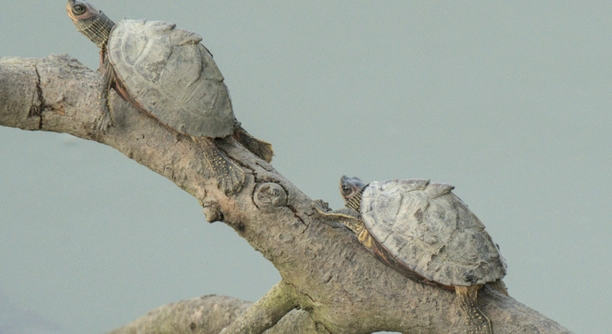
Indian Roofed Tortoises are popular pets, known for their calm nature and distinctive appearance. As with any pet, it’s essential to understand their behavior and how they interact with their environment, including social needs.
Indian Roofed Tortoises are solitary creatures, but they can experience stress or lethargy if kept alone for extended periods. While they do not form strong emotional bonds like some other species, their well-being can benefit from interaction and proper environmental enrichment.
Ensuring their habitat and care are appropriate can improve their overall quality of life and help them thrive in your home.
Understanding Indian Roofed Tortoises’ Social Needs
Indian Roofed Tortoises are not as social as some other animals, but they do require certain conditions to remain healthy and active. These tortoises are primarily solitary, spending most of their time on their own in the wild. However, this does not mean they can thrive in complete isolation. Providing a proper environment that mimics their natural habitat is essential to ensure they stay active and avoid stress. Tortoises in the wild often have plenty of space to roam, and they interact with their surroundings in their own way.
They can benefit from some social interaction, like seeing other tortoises or receiving gentle handling. Keeping them in pairs or small groups can help, but it is important to ensure there is enough space to prevent territorial behavior. This is key to ensuring they feel secure without becoming stressed.
The right balance of interaction, space, and enrichment can significantly impact their health. Providing different objects to explore or hiding food can make their environment more engaging. A lack of stimulation can lead to stress, which might affect their behavior or health.
Stress and Boredom in Tortoises
Stress can lead to a range of health issues in Indian Roofed Tortoises. Without enough interaction or environmental stimulation, they may show signs of lethargy or a lack of interest in eating.
Stress in tortoises can manifest in different ways. A common issue is reduced activity or a noticeable lack of appetite. While it is normal for tortoises to slow down during colder months, an overall decline in energy levels is usually linked to an unstimulating or isolated environment. This is when owners should assess their care routine and look for signs of boredom or distress.
If your tortoise seems less active or disengaged, it’s time to consider changes to its environment. This might include adding more hiding places, changing the layout of the habitat, or introducing enrichment activities. Some tortoises respond well to the presence of other tortoises, while others may prefer to remain alone, so understanding their preferences is vital.
The Importance of Enrichment
Providing enrichment for your Indian Roofed Tortoise helps reduce stress and encourages natural behaviors. Items like rocks, logs, and plants can create a stimulating environment.
Enrichment isn’t just about physical objects. It’s also about the arrangement and variety of items in the habitat. Regularly changing the layout will encourage your tortoise to explore new areas, stimulating its curiosity and reducing boredom. These actions can help keep them mentally engaged, which is as important as physical care.
Tortoises are naturally curious, and by adding complexity to their surroundings, you can allow them to express their instinctual behaviors, such as climbing, digging, and exploring. These activities are vital for their well-being, as they mimic the natural environment and allow them to experience a more fulfilling life in captivity.
Signs Your Tortoise May Be Feeling Lonely
If your Indian Roofed Tortoise seems less active or is not eating as much, it could be feeling lonely or stressed. Reduced social interaction and environmental boredom can cause these signs.
A tortoise that is alone for long periods might become more reclusive or lethargic. This is especially noticeable if they are kept in a simple, unstimulating environment. Look for changes in their behavior, such as hiding for long periods or not showing interest in food. While it’s normal for tortoises to spend time in their shells, prolonged withdrawal can indicate that they’re not feeling content.
To avoid this, create an environment that encourages them to stay active and engaged. Introducing objects to climb on, hiding food, or changing their habitat layout can help keep their interest alive. Over time, these actions can prevent boredom and reduce stress, improving your tortoise’s overall health.
Helping Your Tortoise Adjust to New Companions
Introducing another tortoise to your pet’s habitat can be tricky. It’s essential to carefully monitor their behavior to avoid territorial disputes.
Tortoises can be territorial and may not always welcome new companions. If you’re considering adding another tortoise to the environment, it’s important to ensure there is enough space for both. A larger habitat reduces the chances of aggression or territorial fighting. Be sure to introduce them gradually, allowing them time to adjust to each other’s presence. Watch for signs of aggression, such as biting or chasing, and separate them if necessary.
If introducing another tortoise doesn’t seem to work, focus on enhancing the existing tortoise’s environment. Even a single tortoise can thrive with enough stimulation and social interaction, as long as their needs are met consistently.
The Role of Diet in Tortoise Well-being
A balanced diet is key to keeping your Indian Roofed Tortoise healthy and happy. Poor nutrition can lead to stress and affect their overall behavior.
Providing a variety of fresh vegetables, fruits, and proper supplements ensures your tortoise stays energized. Avoid overfeeding high-calcium or high-protein foods, as these can cause health issues. Offering a mix of leafy greens and occasional fruits helps maintain a well-rounded diet.
Remember, a tortoise’s diet plays a significant role in its mood and energy levels. A lack of variety can result in a lack of interest in food, leading to boredom or stress.
Temperature and Lighting
Proper temperature and lighting are crucial for a tortoise’s activity and well-being. A proper heat source allows them to regulate their metabolism and behavior.
Ensure your tortoise’s habitat is kept at an appropriate temperature range, with a basking spot for warmth and cooler areas for resting. UVB lighting helps in the production of vitamin D3, which is necessary for their overall health. Without proper lighting, your tortoise may become lethargic and stressed, affecting their overall behavior.
Monitor your tortoise’s habitat to keep it consistent, as temperature fluctuations can lead to illness or discomfort. Regularly check the setup to ensure optimal conditions.
Understanding Tortoise Communication
Tortoises don’t communicate like mammals, but they do express their needs and feelings through body language.
When your tortoise hides in its shell or moves slowly, it may be signaling discomfort or a desire to be left alone. Conversely, if it’s moving around actively, it’s a sign that it’s comfortable and content. Paying attention to these small cues helps you adjust their environment and care.
Understanding these signs can prevent stress or unnecessary worry, ensuring your tortoise remains healthy and balanced.
FAQ
Can Indian Roofed Tortoises live alone?
Yes, Indian Roofed Tortoises can live alone. They are solitary creatures in the wild and do not require constant companionship. However, they need a stimulating environment to keep them active and prevent boredom. If they are kept alone, ensure their habitat is enriched with hiding places, climbing objects, and various items to explore.
How can I tell if my tortoise is lonely?
Loneliness in tortoises may manifest as decreased activity, lack of interest in food, or hiding for long periods. While some of this behavior can be normal, if your tortoise seems unusually lethargic or less active than usual, it could be a sign that they are not getting enough mental stimulation. Check for other signs of stress, like biting or pacing, which can also be indications of loneliness.
Should I get another tortoise for my pet?
If you’re considering getting another tortoise, it’s important to make sure your pet has enough space. Tortoises can be territorial, and adding another one may cause stress or aggression. Introduce new tortoises slowly, ensuring the space is large enough for both to coexist peacefully. If you’re unsure, it may be better to focus on enriching your current tortoise’s environment rather than adding a companion.
Can tortoises get depressed?
Yes, tortoises can show signs of depression, usually due to stress, boredom, or an unsatisfactory living environment. Depression in tortoises can lead to reduced activity, loss of appetite, and an overall lack of interest in their surroundings. To prevent this, provide a varied and engaging environment that includes space, hiding spots, and items to explore.
What are the best ways to keep my tortoise entertained?
To keep your tortoise entertained, regularly change the layout of their habitat. Introduce new objects like logs, rocks, or plants for climbing and exploring. You can also hide food around their enclosure to encourage natural foraging behavior. Offering variety in their diet, such as leafy greens and occasional fruits, also helps keep them engaged and satisfied.
Is it important to provide other tortoises for company?
While Indian Roofed Tortoises can live alone, some may enjoy the company of another tortoise. However, this depends on the individual tortoise’s temperament. If introducing another tortoise, ensure there is enough space to avoid territorial disputes. If your tortoise doesn’t seem to get along with others, focusing on environmental enrichment may be a better option.
What do I do if my tortoise seems stressed?
If your tortoise seems stressed, assess their environment. Make sure they have a proper heat source, adequate lighting, and enough space. A lack of stimulation can also cause stress, so ensure there are objects to explore and hiding spots to feel secure. Stress can also stem from inadequate social interaction, so spending time with your tortoise can help.
How often should I handle my tortoise?
Handling should be kept to a minimum to avoid stress. If you want to interact with your tortoise, keep sessions brief and gentle. Tortoises are not as social as some other pets, so prolonged handling may cause them to feel threatened or anxious. Allow them time to adjust to their environment and only handle them when necessary.
Can tortoises live in pairs?
Yes, tortoises can live in pairs, but it depends on the species and their individual temperament. Some tortoises prefer to live alone and may not get along with others. If you are considering housing two tortoises together, ensure they have enough space to avoid aggression. Monitor their behavior and separate them if any signs of conflict appear.
How much space does an Indian Roofed Tortoise need?
Indian Roofed Tortoises require a spacious environment to thrive. The minimum recommended space for a single tortoise is around 4 square feet. However, the more space, the better. A larger enclosure allows for better movement and the ability to create different areas for basking, resting, and hiding. This helps to reduce stress and keep them engaged.
What should I feed my Indian Roofed Tortoise?
Indian Roofed Tortoises require a varied diet, mainly consisting of leafy greens such as dandelion, collard greens, and mustard greens. You can also feed them some fruits like strawberries and apples, but these should be offered sparingly. Avoid high-protein or high-calcium foods, as these can cause health issues. Providing a balanced diet helps maintain their energy levels and overall health.
Can I let my tortoise roam around the house?
While it’s fine to allow your tortoise to explore the house occasionally, it’s important to ensure the space is safe. Keep them away from areas with electrical cords, small spaces where they could get stuck, or dangerous chemicals. Always supervise them when they are out of their enclosure to avoid accidents.
How do I know if my tortoise is happy?
A happy tortoise is generally active, eating well, and exploring its surroundings. It will also show curiosity toward new objects or changes in the environment. Healthy tortoises typically have a good appetite and are not lethargic. If your tortoise is regularly engaging with its habitat and appears to be in good condition, it is likely happy.
What is the best habitat for an Indian Roofed Tortoise?
The best habitat for an Indian Roofed Tortoise should have plenty of space for them to roam, climb, and explore. A dry enclosure with a basking area for heat is ideal. The enclosure should also have a cool hiding area where they can retreat if they feel stressed. Make sure to provide UVB lighting and maintain appropriate temperature levels.
Do Indian Roofed Tortoises need UVB light?
Yes, Indian Roofed Tortoises need UVB light for proper calcium absorption and overall health. UVB light helps them produce vitamin D3, which is essential for strong bones and a healthy metabolism. Ensure the light is in close proximity to your tortoise’s basking area and that it’s changed regularly to maintain its effectiveness.
What temperature should my tortoise’s habitat be?
The temperature in your tortoise’s habitat should range from 75°F to 85°F, with a basking area reaching 90°F to 95°F. The cooler areas should allow the tortoise to regulate its body temperature. Proper heating and temperature gradients are crucial for digestion and overall health. Monitor the temperature regularly to ensure consistency.
Final Thoughts
Indian Roofed Tortoises, like many reptiles, can live happily on their own. While they are solitary creatures by nature, they do not typically require companionship from another tortoise to thrive. Instead, they need an environment that meets their physical and mental needs. Providing ample space, hiding spots, climbing objects, and a stimulating environment can help prevent loneliness and keep them content. It’s important to observe your tortoise’s behavior and make adjustments to their habitat if necessary. Regular interaction and enrichment can also enhance their well-being, even if they are not kept with another tortoise.
However, it is also essential to recognize that each tortoise has its own unique personality. Some may enjoy the presence of another tortoise, while others may prefer solitude. The key to ensuring your tortoise’s happiness lies in monitoring their behavior and adjusting their environment accordingly. If you choose to introduce another tortoise, do so carefully and make sure both animals have enough space. Watch for signs of stress or aggression, and be ready to separate them if things don’t work out. The well-being of your tortoise should always be your top priority, and there are many ways to create a fulfilling environment without the need for another animal.
In conclusion, understanding your tortoise’s individual needs is crucial for providing the best care. While Indian Roofed Tortoises do not experience loneliness in the same way that social animals do, they still benefit from a thoughtfully designed habitat. Whether you choose to house one tortoise or more, the right environment and consistent care will ensure a long, healthy, and happy life for your pet. Keep observing their behavior, maintain a proper habitat, and remember that a little extra effort in providing stimulation can go a long way in keeping your tortoise content.

Hello,
If you enjoy the content that we create, please consider saying a "Thank You!" by leaving a tip.
Every little bit helps us continue crafting quality advice that supports the health, happiness, and well-being of pets around the world, for pets of all shapes, sizes, and species.
We really appreciate the kindness and support that you show us!