
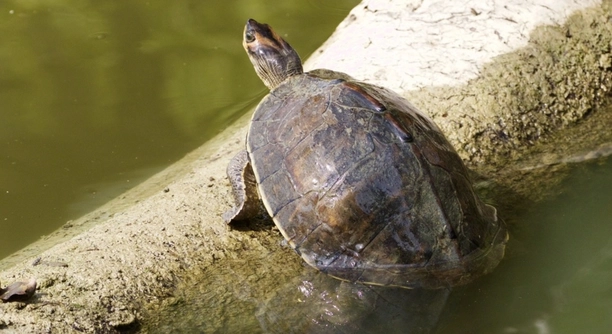
Indian Roofed Tortoises are fascinating creatures, and as a pet owner, you might wonder what their ideal diet consists of. With a variety of foods available, it can be tricky to know what is safe and healthy for them to eat.
Indian Roofed Tortoises can eat roaches, as these insects are high in protein and beneficial to their diet. However, it is important to ensure that the roaches are clean and free from any pesticides or chemicals that could harm the tortoise.
The diet of an Indian Roofed Tortoise is essential to its overall well-being. Understanding the safety of insects like roaches will help provide the best care possible for your pet.
Can Roaches Be Part of Your Tortoise’s Diet?
Roaches are high in protein, which is essential for the growth and overall health of your Indian Roofed Tortoise. These insects offer a good source of nutrition and can help with maintaining a healthy weight. However, it is important to remember that insects should only be a part of a balanced diet, not the entire menu. Your tortoise should still be eating a variety of greens, fruits, and vegetables to get all the necessary vitamins and minerals.
Feeding roaches to your tortoise is acceptable as long as they are properly sourced. Be sure to get them from reputable suppliers, as wild-caught roaches may carry diseases or pesticides that can harm your pet.
It’s important to feed your tortoise insects in moderation. Too many roaches or other bugs can cause an imbalance in their diet, leading to potential health problems like obesity or digestive issues. Also, different types of roaches can have different nutritional values, so ensure you know which varieties are best for your tortoise. Overall, offering roaches as an occasional treat can be beneficial, but they shouldn’t make up the majority of their meals.
Potential Risks of Feeding Roaches
While roaches are nutritious, there are a few things to keep in mind. They can carry parasites if not properly handled, and they may contain harmful chemicals if exposed to pesticides.
Always ensure your roaches are gut-loaded, meaning they have eaten nutritious food before being fed to your tortoise. This adds more value to the insect’s nutritional content, providing your tortoise with a richer, healthier meal. Without gut-loading, the roaches may not provide as much benefit and could even pass on unhealthy substances.
Aside from that, be cautious about where the roaches are coming from. Roaches from pet stores are generally safe, but wild-caught roaches can bring parasites or harmful substances with them. To keep your tortoise safe, always buy insects that are specifically bred for reptile consumption. If you decide to offer wild-caught roaches, make sure they are free from any pesticides or environmental contaminants. Testing a few roaches for safety before adding them to your tortoise’s diet is always a good idea.
How Often Can Roaches Be Fed to Indian Roofed Tortoises?
It’s important to feed roaches to your tortoise in moderation. Offering them too frequently can upset their balanced diet.
A good rule of thumb is to offer roaches once or twice a week. You should mix them with other types of food like leafy greens, fruits, and vegetables to ensure variety. Insects shouldn’t be a primary food source; instead, they should supplement the diet. Overfeeding can lead to unhealthy weight gain and digestion problems.
When feeding roaches, make sure they’re appropriately sized for your tortoise. Large roaches can be difficult for younger or smaller tortoises to consume, so size them down accordingly. Always observe your tortoise’s behavior to determine if it is having trouble digesting the insects. If you notice any changes in its eating habits or health, reduce the number of roaches or try a different food source. Balancing nutrition is key for long-term health.
Are There Any Alternatives to Roaches?
If you’re not comfortable feeding your tortoise roaches, there are plenty of alternatives.
You can offer other insects like mealworms, crickets, or even superworms. These can provide similar nutritional benefits as roaches without the concerns some may have about feeding them. Each type of insect has its own set of nutritional benefits, so it’s helpful to rotate them to keep things interesting. Crickets are a great choice since they are smaller and easier for tortoises to handle, and they’re widely available in pet stores.
Another option is to stick with vegetarian options. You can offer your tortoise a variety of leafy greens, like dandelion greens, kale, or collard greens, as well as fruits like papaya or strawberries. These provide vitamins and minerals, and when mixed together, they can give your tortoise the variety it needs to stay healthy. There’s no one-size-fits-all answer, so mixing insects with plant-based foods can be a great way to keep the diet diverse.
Can Roaches Carry Harmful Chemicals?
Roaches from the wild may carry harmful chemicals, especially if they have been exposed to pesticides. It’s essential to be cautious when sourcing them.
Insects purchased from pet stores are generally safer, as they are bred specifically for reptile consumption. However, it’s still important to ensure they have been raised without any harmful substances. Always check if the roaches are pesticide-free to avoid any potential risks. Feeding a tortoise insects with pesticides can lead to health problems such as poisoning or digestive issues. It’s best to purchase from reputable sources to guarantee safety.
Preparing Roaches for Feeding
Before feeding roaches to your tortoise, it’s important to prepare them properly.
Make sure they are gut-loaded by feeding them nutritious food for at least 24 hours before offering them to your tortoise. This increases the nutritional value of the insects, making them a healthier choice. Clean the roaches as well to ensure there are no contaminants. If you choose to buy them pre-packaged, look for reliable sellers who prioritize quality and safety. Freshly sourced or well-prepared roaches are essential to ensure the health of your tortoise.
Can Roaches Be Too Big for Tortoises?
Sometimes, roaches can be too large for smaller tortoises. A big roach may cause difficulty during eating or digestion.
Always be mindful of your tortoise’s size when offering roaches. If the insect is too big, it could cause choking or become a digestive concern. Cutting larger roaches into smaller pieces is a good way to avoid this.
FAQ
Can Indian Roofed Tortoises eat live roaches?
Yes, Indian Roofed Tortoises can eat live roaches. In fact, live insects provide more nutrients since they are fresh and active. However, it’s important to ensure the roaches are safe, free from pesticides or harmful chemicals. Always buy from reliable sources, and avoid wild-caught roaches, as they may carry diseases. Ensure the roaches are appropriately sized, so your tortoise can consume them easily.
Are roaches good for tortoises?
Roaches are a good source of protein, which is vital for the growth and health of your tortoise. They also provide some essential fats, which contribute to a balanced diet. However, roaches should not be the only food source. They should be part of a varied diet that includes vegetables, fruits, and other insects. Too much protein without proper balance can lead to health problems.
How do I prepare roaches for my tortoise?
Before feeding roaches to your tortoise, make sure they are gut-loaded. This means you should feed the roaches nutritious food for at least 24 hours to improve their nutritional value. Clean them to remove any potential contaminants. If you buy pre-packaged roaches, ensure they come from a reputable source. If you are using wild-caught roaches, be sure they are free from pesticides and harmful substances.
Can roaches carry diseases?
Yes, roaches can carry diseases, particularly if they are wild-caught. They might have parasites or other pathogens that can harm your tortoise. That’s why it’s recommended to only feed your tortoise roaches from trusted pet suppliers who breed them specifically for reptile consumption. Pet store roaches are typically cleaner and less likely to carry harmful diseases.
How often can I feed my tortoise roaches?
You can feed your tortoise roaches once or twice a week. This gives them the protein boost they need while ensuring that their diet remains balanced. Offering insects too frequently could result in an unbalanced diet, leading to health problems like obesity or digestive issues. Always make sure that other parts of their diet consist of a variety of vegetables and fruits.
What types of roaches are safe for tortoises?
The most common types of roaches fed to tortoises are the dubia roach and the Madagascar hissing cockroach. These species are commonly raised in captivity and are considered safe. They are available in pet stores and are generally free from chemicals. Other species might also be safe, but it’s important to check if they have been bred in controlled environments and are pesticide-free.
Can baby tortoises eat roaches?
Yes, baby tortoises can eat small roaches. However, you should ensure the roaches are small enough for them to consume. If the roaches are too large, they could pose a choking hazard or cause digestive issues. Cutting larger roaches into smaller pieces is a great option. It’s also essential to ensure that the baby tortoise is eating a well-balanced diet, with a mix of greens, fruits, and protein sources.
Can roaches cause a choking hazard for tortoises?
Large roaches can potentially cause a choking hazard, especially for smaller tortoises. Always ensure that the size of the roach is appropriate for your tortoise. For younger or smaller tortoises, it’s better to feed smaller roaches or chop larger ones into smaller, bite-sized pieces. This prevents any choking risks and ensures they can digest the food easily.
Are wild-caught roaches safe for tortoises?
Wild-caught roaches can be risky because they may carry parasites, pesticides, or other harmful substances. It’s best to avoid feeding wild-caught roaches to your tortoise. If you absolutely have to use them, ensure they are free from chemicals, and consider gut-loading and cleaning them thoroughly. Wild insects are not as reliable as pet-store-bought insects, which are raised in controlled environments and are generally safer.
Can roaches make tortoises sick?
If roaches are not prepared correctly or are contaminated with pesticides, they can indeed make tortoises sick. This could cause digestive issues, poisoning, or infections. To avoid this, always purchase roaches from a reliable pet supplier, gut-load them, and ensure they are free from harmful substances. Keeping track of your tortoise’s health and eating habits will help you identify any problems early.
Should I feed my tortoise only roaches?
No, roaches should never be the only food source for your tortoise. A healthy tortoise diet includes a variety of food, including leafy greens, fruits, vegetables, and occasional insects like roaches. Feeding only one type of food, such as roaches, could lead to nutritional imbalances or health issues. Variety is key to ensuring your tortoise gets the right mix of nutrients.
Are there other insects I can feed my tortoise besides roaches?
Yes, there are several other insects you can feed your tortoise. Crickets, mealworms, and superworms are all excellent alternatives that provide similar protein and nutrients. It’s important to offer a variety of insects to avoid overfeeding any single type, as this could lead to dietary imbalances. Mix insects with vegetables and fruits to ensure a well-rounded diet for your tortoise.
Final Thoughts
Feeding roaches to your Indian Roofed Tortoise can be a great addition to their diet, as they provide important protein and nutrients. However, it’s important to make sure they are part of a balanced diet. A tortoise’s diet should be varied, including leafy greens, fruits, vegetables, and occasional insects. Relying too heavily on one food source can lead to health problems, so it’s essential to feed them a mix of foods for overall well-being. Roaches can be a tasty and nutritious treat, but moderation is key.
When feeding your tortoise roaches, be sure to source them from a reliable supplier. Wild-caught roaches may carry parasites or harmful chemicals that could make your tortoise sick. Always purchase roaches that are raised specifically for reptile consumption. Gut-loading the roaches before feeding them can also increase their nutritional value, as they will be more nutrient-dense after eating a healthy diet themselves. If you choose to feed wild-caught roaches, ensure they are free from pesticides and other contaminants, and clean them thoroughly before offering them to your pet.
Lastly, size matters. Roaches should be an appropriate size for your tortoise to safely consume. Large roaches can be difficult to eat or digest, especially for younger or smaller tortoises. Cutting them into smaller pieces or choosing smaller roaches can help avoid choking hazards and make feeding time safer. Always monitor your tortoise’s health and eating habits to ensure they’re not having difficulty with their food. By offering a balanced, varied diet with the right preparation and moderation, you can keep your Indian Roofed Tortoise happy and healthy for years to come.

Hello,
If you enjoy the content that we create, please consider saying a "Thank You!" by leaving a tip.
Every little bit helps us continue crafting quality advice that supports the health, happiness, and well-being of pets around the world, for pets of all shapes, sizes, and species.
We really appreciate the kindness and support that you show us!