
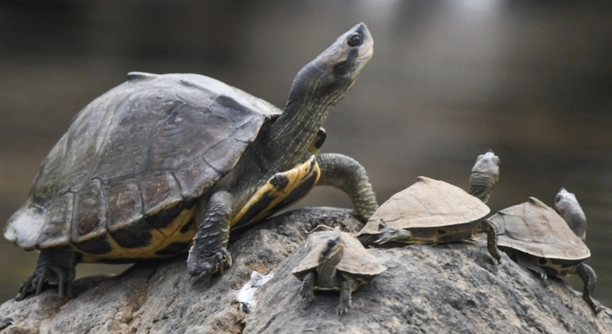
Indian Roofed Tortoises are fascinating creatures that can have a varied diet. While many owners feed them plants and vegetables, you might be wondering if insects can be part of their meals. Let’s explore this further.
Indian Roofed Tortoises can eat certain insects in moderation. However, it’s important to understand which types are safe and which can pose risks. Their diet primarily consists of plants, but some insects may provide extra protein when offered carefully.
There are a few insects that can be beneficial for your tortoise, but not all are safe. Learning which insects are appropriate can help ensure a healthy diet for your tortoise.
Can Indian Roofed Tortoises Eat Insects?
Indian Roofed Tortoises are primarily herbivores, meaning their diet consists mainly of plants, leaves, and flowers. However, they are opportunistic feeders and may sometimes eat small insects in their environment. Insects like crickets or mealworms can offer additional protein, which might benefit a tortoise’s health. While it’s fine to occasionally offer insects, they should never be a staple part of the diet. Too many insects can lead to nutritional imbalances. It’s essential to remember that insects should be given in moderation and balanced with the rest of their plant-based food to avoid overfeeding protein. Knowing which insects are safe for your tortoise is key to providing a balanced and healthy diet.
Some insects, like crickets and grasshoppers, can be a healthy occasional snack. However, it’s important not to overfeed them, as excessive protein can cause health problems like kidney damage or shell deformities in tortoises. Always be mindful of the quantities.
To provide the best care for your Indian Roofed Tortoise, it’s important to feed them a variety of plant-based foods, with insects serving as an occasional protein supplement. Offering insects that are safe for consumption and free of pesticides is crucial. You should always be cautious and avoid harmful insects like fire ants or spiders. Before adding any insect to their diet, ensure it is from a safe source. Offering too many insects might upset their digestive system and create an imbalance in their nutrition. It is vital to regularly monitor their health and adjust their diet if necessary. Ultimately, the focus should remain on a plant-based diet, with insects used sparingly to supplement their protein intake.
Safe Insects for Indian Roofed Tortoises
Crickets, mealworms, and grasshoppers are generally safe options for your tortoise. They are high in protein but should still be given occasionally.
Crickets and mealworms are two of the safest insects you can feed your Indian Roofed Tortoise. Both insects are easy to find and offer a good source of protein, which can be beneficial for their growth and health. When purchasing crickets, ensure they are free from pesticides and chemicals, as these can harm your tortoise. Similarly, mealworms should be offered in small amounts. They are rich in protein and can serve as a treat or supplement to their usual plant-based diet. Grasshoppers are another good option. They are low in fat, making them a better choice for tortoises that need to avoid excessive fats. When feeding insects, always be cautious of the size and the amount. It’s better to offer smaller quantities to ensure that they do not disrupt the balance of your tortoise’s diet. Insects should not make up the bulk of their meals but can be used as a healthy occasional snack.
Unsafe Insects for Indian Roofed Tortoises
Certain insects are not safe for Indian Roofed Tortoises. These can cause harm to their health or even be toxic if consumed.
Insects like fire ants, cockroaches, and spiders should never be fed to your tortoise. Fire ants are particularly dangerous because their venom can cause painful stings and potentially lead to severe reactions. Cockroaches, on the other hand, often carry bacteria that can harm your tortoise. Spiders, depending on the species, may also be toxic and can pose a risk to your tortoise’s health. Always ensure the insects you offer are safe for consumption and avoid anything that could potentially harm them. If unsure, it’s best to err on the side of caution and skip certain insects altogether.
Feeding your tortoise unsafe insects may result in health problems, including digestive issues or poisoning. Avoiding these harmful creatures is key to maintaining your tortoise’s well-being. Stick to safe, known insects, and ensure they are sourced from a clean, pesticide-free environment. If you’re in doubt, always choose plant-based foods instead.
How to Prepare Insects for Indian Roofed Tortoises
When offering insects, it’s essential to prepare them properly to ensure your tortoise’s safety.
Before feeding insects, make sure they are gut-loaded, meaning they have eaten nutritious food that will benefit your tortoise when consumed. You can gut-load insects by feeding them high-quality food for 24-48 hours before offering them to your tortoise. This ensures that the insects are packed with nutrients that your tortoise will gain from eating them. Additionally, avoid offering large insects, as they can be a choking hazard. You should also remove any uneaten insects after a few hours to avoid attracting pests or causing contamination in the habitat. Preparing insects in this way ensures that they are both safe and beneficial for your tortoise.
Another thing to keep in mind is to never feed insects directly from the wild. Wild insects may carry harmful bacteria, parasites, or pesticides that could be harmful to your tortoise. Instead, purchase insects from trusted sources that specialize in reptile food. If you choose to feed insects from your own environment, make sure they are thoroughly cleaned and free from chemicals. Additionally, offering insects only once or twice a week helps maintain a balanced diet.
Frequency of Insect Feeding
Insects should be an occasional part of your tortoise’s diet, not a daily offering. Too many insects can cause imbalance.
Offering insects once or twice a week is a good rule of thumb. This provides extra protein without overwhelming their digestive system. Consistent plant-based food should remain the primary focus of their diet.
Overfeeding insects can lead to health issues like obesity or kidney problems in tortoises. Moderation is key when it comes to insect snacks, and you should always monitor their overall health. A balanced diet, rich in fiber and vitamins, will keep your tortoise happy and healthy.
Nutritional Needs of Indian Roofed Tortoises
Indian Roofed Tortoises require a diet high in fiber and low in protein, with occasional protein from insects or animal-based sources.
Their main diet consists of leafy greens, vegetables, and fruits. These foods supply them with essential vitamins and minerals, helping them thrive. Offering a variety of plants ensures that they get a balanced intake of nutrients. High-fiber foods aid in digestion and prevent issues like shell deformities, which can result from improper nutrition. Feeding them a variety of safe plants is important for their long-term health, as it mimics the diversity of their natural habitat. While insects can be beneficial in moderation, they should never make up a large portion of the diet.
Benefits of a Plant-Based Diet
A plant-based diet is crucial for maintaining the overall health of your tortoise.
Leafy greens, such as dandelion greens and collard greens, provide the fiber, calcium, and vitamins necessary for healthy shell growth and bone development. High-fiber vegetables like squash and carrots support proper digestion, while fruits like papaya can provide a sweet treat and additional nutrients. Ensuring your tortoise has access to a variety of plants will not only improve its health but also enhance its well-being. The natural, fiber-rich diet helps prevent common health problems like respiratory infections, kidney issues, and shell deformities, which can arise from improper nutrition. A plant-based diet is vital for their vitality and longevity.
FAQ
Can Indian Roofed Tortoises eat insects every day?
No, Indian Roofed Tortoises should not eat insects every day. Their primary diet should be plant-based, as it provides the necessary nutrients and fiber they need to stay healthy. Insects can offer extra protein, but feeding them daily may cause digestive issues, kidney problems, and an unbalanced diet. Offering insects once or twice a week is enough for occasional variety.
Are insects important for an Indian Roofed Tortoise’s diet?
Insects can provide additional protein to an Indian Roofed Tortoise’s diet, but they are not essential. Tortoises thrive on a plant-based diet consisting of leafy greens, vegetables, and fruits. While insects can supplement their diet, too much protein may lead to health problems. They should be used sparingly to avoid nutritional imbalances.
How can I ensure that the insects I feed my tortoise are safe?
To ensure the insects are safe, you should always buy them from a reputable source that specializes in reptile food. Wild-caught insects can be risky as they might contain pesticides, parasites, or bacteria. Before feeding, gut-load the insects with nutritious foods to boost their nutritional value. Avoid insects from your yard unless you are absolutely sure they are pesticide-free and safe for your tortoise.
What kind of insects are best for an Indian Roofed Tortoise?
The best insects for Indian Roofed Tortoises are crickets, mealworms, and grasshoppers. These insects provide the right amount of protein and are relatively safe in moderation. Crickets are especially good because they are easy to digest. Grasshoppers are also a great option because they are low in fat, which helps avoid excessive weight gain. Just be sure to feed them in small amounts.
How do I prepare insects for my tortoise?
Before feeding insects, you should gut-load them by feeding them nutrient-rich food for 24 to 48 hours. This will ensure that your tortoise gets the most nutritional value from the insects. After gut-loading, you can offer the insects to your tortoise. It’s important to avoid large insects as they may present a choking hazard. Only offer as much as your tortoise can safely consume in one sitting, and remove any uneaten insects afterward.
Can Indian Roofed Tortoises eat bugs from outside?
It’s not recommended to feed your Indian Roofed Tortoise bugs from the wild unless you are certain they are free of pesticides or harmful chemicals. Wild insects might carry bacteria or parasites that can be dangerous to your tortoise. Stick to insects from pet stores or reputable suppliers to ensure they are safe and clean.
What happens if I feed my tortoise too many insects?
Feeding your tortoise too many insects can lead to several health problems, including kidney damage, shell deformities, or obesity. Indian Roofed Tortoises are not designed to process large amounts of animal protein, and overfeeding insects can upset their digestive system. Always ensure that the majority of their diet consists of plant-based foods and only feed insects in moderation.
How often should I offer insects to my Indian Roofed Tortoise?
Insects should be offered no more than once or twice a week. They should be seen as a treat or a supplement to the main diet, which should consist of leafy greens, vegetables, and fruits. Offering insects too frequently can disrupt the balance of their diet, so it’s important to limit their intake.
What are some signs that I’m overfeeding my tortoise?
Signs of overfeeding include weight gain, lethargy, difficulty moving, or soft, deformed shells. These issues may arise if your tortoise is getting too much protein from insects or other high-fat foods. To prevent this, monitor your tortoise’s weight and overall health, and stick to a well-balanced diet. If you notice these signs, reduce the number of insects and adjust their plant-based food intake.
Are there any insects that are harmful to Indian Roofed Tortoises?
Yes, some insects are harmful to Indian Roofed Tortoises. Fire ants, for example, can sting and cause serious harm, and cockroaches may carry diseases or parasites that could make your tortoise sick. Spiders can also be toxic depending on the species. Always research and avoid feeding any insect that could potentially harm your tortoise. Stick to crickets, mealworms, and grasshoppers to keep them safe.
Can I feed my Indian Roofed Tortoise worms instead of insects?
Yes, worms can be offered to your tortoise, but they should also be given in moderation. Earthworms are a good protein source, but too many can lead to similar issues as overfeeding insects. Like with insects, worms should be used as an occasional treat, not a regular part of their diet. Make sure they are clean and free of pesticides before feeding them to your tortoise.
What else can I feed my Indian Roofed Tortoise besides insects?
Besides insects, your Indian Roofed Tortoise can enjoy a wide variety of plant-based foods, including leafy greens (like dandelion greens, collard greens, and kale), vegetables (such as squash, carrots, and bell peppers), and fruits (like papaya, apples, and melon). A varied diet will ensure they get the necessary nutrients for optimal health. It’s essential to offer a range of foods to mimic their natural diet and avoid feeding them high-oxalate plants like spinach or beet greens, which can cause calcium absorption issues.
Final Thoughts
Indian Roofed Tortoises are primarily herbivores, so their main diet should consist of plants like leafy greens, vegetables, and fruits. Insects can be offered occasionally to provide additional protein, but they should never make up the bulk of their diet. Overfeeding insects can cause health problems, such as kidney issues or digestive problems, and could lead to obesity. It’s important to remember that their diet needs to be balanced to keep them healthy and thriving in captivity.
Offering insects like crickets, mealworms, and grasshoppers in moderation can be a beneficial treat. These insects can provide some variety in their diet, but they should always be sourced from a trusted supplier to ensure they are free from pesticides or harmful chemicals. Avoid insects that are harmful, like fire ants, spiders, or cockroaches, which can cause health problems. Preparing the insects by gut-loading them with nutritious food before feeding them to your tortoise will also ensure they get the most out of the insects’ nutritional value.
Overall, the key to a healthy Indian Roofed Tortoise diet is variety and moderation. A plant-based diet should be the main focus, with insects only offered sparingly. Maintaining a balanced diet is important for their long-term health and well-being. Monitoring your tortoise’s weight, behavior, and shell health can help you gauge whether their diet is working properly. If you’re ever uncertain about what to feed them, it’s always a good idea to consult a veterinarian to ensure they’re getting the right nutrients.

Hello,
If you enjoy the content that we create, please consider saying a "Thank You!" by leaving a tip.
Every little bit helps us continue crafting quality advice that supports the health, happiness, and well-being of pets around the world, for pets of all shapes, sizes, and species.
We really appreciate the kindness and support that you show us!