
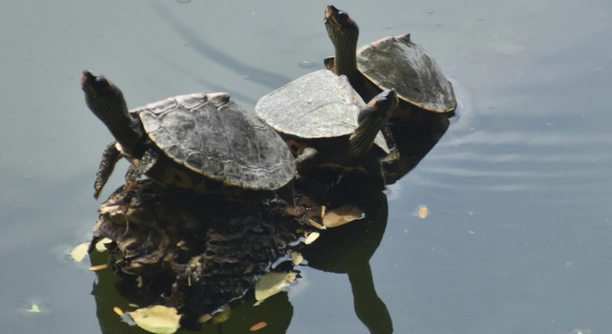
Indian Roofed Tortoises are known for their unique appearance and calm nature, making them popular pets. As with all reptiles, proper care is essential for their health. One important aspect is their diet, which raises questions about feeding them fruits.
Indian Roofed Tortoises can eat fruits in moderation, as they are an omnivorous species. However, fruits should be offered occasionally, as their high sugar content can disrupt their digestive system if given in excess.
Feeding your tortoise the right amount of fruit ensures a balanced diet and helps maintain their overall well-being.
Can Indian Roofed Tortoises Have Fruits Every Day?
While fruits are tasty treats for Indian Roofed Tortoises, they should not be a daily part of their diet. Too much fruit can cause digestive issues like diarrhea or bloating, as tortoises are not designed to process large amounts of sugar. A diet that is too fruit-heavy may also lack essential nutrients, leading to imbalances that can affect their overall health. It’s important to remember that fruits should be offered as an occasional snack rather than a regular meal.
Providing variety in their diet is key to ensuring they get the right mix of nutrients. Leafy greens, grasses, and flowers make up a large part of their natural diet.
A balanced diet includes vegetables, leafy greens, and occasional fruits. Ensuring a healthy variety of foods will allow your tortoise to thrive. This helps them get necessary vitamins, minerals, and fiber while preventing overconsumption of sugar. Always aim for diversity and monitor their weight and behavior for any changes.
How Much Fruit Should You Feed an Indian Roofed Tortoise?
Fruits should make up only about 10-15% of an Indian Roofed Tortoise’s diet. This keeps their nutritional intake balanced.
Offering fruit in moderation is vital to avoid upsetting their digestive system. Fruits like apples, pears, and berries are safe, but they should be served in small pieces, so they can easily nibble without overeating. Remember to remove seeds or pits that could pose a choking hazard or contain harmful substances.
What Fruits Are Safe for Indian Roofed Tortoises?
Safe fruits for Indian Roofed Tortoises include apples, pears, strawberries, and melons. These fruits are low in sugar and are easy for them to digest in small amounts. Avoid citrus fruits, like oranges or lemons, as their acidity can cause digestive issues.
When preparing fruit for your tortoise, always wash it thoroughly to remove pesticides. Cut the fruit into small, manageable pieces to prevent choking and ensure they can easily eat it. It’s also a good idea to remove any seeds or pits, which can be harmful. Offering variety is crucial, but fruits should still be limited to avoid sugar overload.
Tortoises enjoy the occasional sweet fruit treat, but moderation is key. Fruit should not replace their primary diet of leafy greens and vegetables. Offering a well-balanced diet will keep your tortoise healthy and happy, supporting its digestive system and overall well-being. Fruits can be a fun way to mix things up but should never be the main focus of their meals.
How Often Should You Feed Fruits to Your Indian Roofed Tortoise?
Fruits should only be offered 1-2 times a week to your Indian Roofed Tortoise.
Offering fruit more than this could cause health problems due to excess sugar intake. You can rotate the fruits you give to maintain interest, but it’s important to stick to this moderate frequency. Too much fruit can upset their digestive system or lead to weight gain. Keep their diet primarily focused on greens and vegetables. Always monitor their reaction to fruits and adjust based on any signs of discomfort or digestive issues.
Can Indian Roofed Tortoises Eat Dried Fruits?
Dried fruits, such as raisins or dried apricots, should be avoided for Indian Roofed Tortoises. They contain concentrated sugars and lack the moisture content that fresh fruits provide. Feeding them dried fruits regularly can cause digestive issues and weight gain.
The lack of water in dried fruits can also lead to dehydration in your tortoise. Since hydration is vital to their health, offering dried fruits would disrupt their overall well-being. Stick to fresh, hydrating fruits and avoid any processed or dried versions. This ensures they get the most nutritional benefit without the risks.
Are There Any Fruits to Avoid?
Some fruits should be avoided, including citrus fruits like oranges and grapefruits. Their high acidity can cause stomach upset and disrupt digestion.
Avocado should also be kept away from your tortoise as it contains persin, a toxin that can harm them. Always research fruits before offering them to make sure they are safe and beneficial.
Can Indian Roofed Tortoises Eat Bananas?
Bananas can be fed to Indian Roofed Tortoises, but they should be given sparingly. Bananas are high in sugar, which can lead to digestive problems if offered in large quantities. Feeding small amounts occasionally is fine, but it should not be a regular part of their diet.
Bananas contain potassium and other vitamins that are beneficial in small doses. However, due to their high sugar content, they should be treated as a rare treat, not a daily food item. Offering too many bananas could lead to obesity or digestive issues in your tortoise. Stick to other fruits that are lower in sugar and higher in fiber for most of their diet.
Can Indian Roofed Tortoises Eat Grapes?
Grapes can be fed to Indian Roofed Tortoises, but they should only be given occasionally. Grapes are also high in sugar, and consuming them too often can cause digestive discomfort or weight gain.
While grapes provide some nutrients, such as vitamins and antioxidants, the sugar content is too high for regular feeding. Cutting grapes into smaller pieces and offering them as a rare treat is a good way to provide some variety in their diet. Be sure to monitor your tortoise’s health after feeding grapes to ensure they’re not having any adverse reactions.
Are Indian Roofed Tortoises Allowed to Eat Apples?
Yes, apples are safe for Indian Roofed Tortoises and can be given in moderation. Apples are a good source of fiber, vitamins, and hydration, making them a healthy choice for a treat. However, the seeds should always be removed, as they contain cyanide, which is toxic to tortoises.
You can feed your tortoise apple slices, but don’t overdo it. A small piece once or twice a week is sufficient. It’s essential to maintain a balance in their diet with leafy greens and vegetables, ensuring that fruits like apples are an occasional addition rather than a main food source.
Can Indian Roofed Tortoises Eat Pears?
Pears are safe and can be fed to Indian Roofed Tortoises. Like apples, pears are a good source of hydration and provide vitamins. However, the same rule applies: offer pears in moderation and remove any seeds to avoid potential harm.
Pears are sweet, and while they can be a treat for your tortoise, they should not be a regular part of their diet. Too much sugar from pears can cause digestive issues or contribute to obesity. Stick to offering pears as an occasional snack, ensuring a variety of fruits and vegetables in their regular meals.
Can Indian Roofed Tortoises Eat Pineapple?
Indian Roofed Tortoises can eat pineapple, but only in moderation. Pineapple is high in sugar and acidity, which can cause digestive problems if consumed in excess. Feed small amounts and remove the tough outer skin and core, which can be difficult for them to chew.
Pineapple does offer some nutritional value, including vitamin C, but the high sugar content means it should be considered more of an occasional treat. If feeding pineapple, ensure it is cut into small pieces and serve it only once in a while, balancing it with other safer, more hydrating fruits.
Can Indian Roofed Tortoises Eat Watermelon?
Watermelon is safe for Indian Roofed Tortoises to eat. It is low in sugar compared to some other fruits and is packed with water, making it a great hydrating treat. Watermelon can help keep your tortoise hydrated, especially during warmer months.
However, because watermelon is high in water content, it should not replace their main diet of greens and vegetables. Offer small pieces and remove any seeds to avoid choking hazards. Watermelon is an excellent way to add variety and hydration but should not be given too often.
Can Indian Roofed Tortoises Eat Mango?
Mango is safe for Indian Roofed Tortoises to eat but should be given in moderation. It’s packed with vitamins and fiber, but the sugar content is high, so it should be treated as an occasional treat.
When feeding mango, remove the skin and pit, as these can be difficult for your tortoise to digest or pose a choking hazard. Small, bite-sized pieces are the best way to offer this fruit. Keep mango servings infrequent to avoid causing any digestive upset. A mix of other fruits and vegetables should be the focus of their diet.
Can Indian Roofed Tortoises Eat Tomatoes?
Tomatoes are safe for Indian Roofed Tortoises to eat, but they should be given in moderation. While tomatoes contain vitamins A and C, they are also slightly acidic, which can lead to digestive issues if fed too frequently.
Offer small pieces of ripe tomato, and avoid feeding them the green parts, such as the stem and leaves, as they contain toxic compounds. Tomatoes should be seen as an occasional treat rather than a regular meal. Most of their diet should come from leafy greens and other vegetables.
Can Indian Roofed Tortoises Eat Peaches?
Peaches are safe for Indian Roofed Tortoises in small amounts. They are sweet and contain beneficial vitamins but are high in sugar. Like other fruits, they should be offered as an occasional treat.
Before feeding a peach to your tortoise, remove the pit and any seeds to prevent choking hazards. Slice the peach into small pieces, and make sure your tortoise is not consuming too much fruit. Peaches should never replace their primary diet of leafy greens, grasses, and vegetables.
Final Thoughts
When it comes to feeding your Indian Roofed Tortoise, moderation is key. Fruits can be a healthy addition to their diet, providing essential vitamins and hydration, but they should not make up a large portion of what they eat. Too much fruit, especially those with high sugar content, can lead to digestive issues, obesity, or other health problems. It’s important to remember that fruits should be considered a treat, not a regular meal. Offering a variety of fresh vegetables, leafy greens, and grasses will ensure your tortoise gets the proper nutrients they need to thrive.
Incorporating fruits like apples, pears, and strawberries into your tortoise’s diet is safe as long as they are given in small amounts. It’s also crucial to avoid certain fruits like citrus, grapes, and dried fruits. These can cause digestive upset or even toxic reactions in some cases. Always remove seeds or pits from fruits to prevent choking hazards, and serve fruit in manageable, bite-sized pieces. By sticking to fruits that are safe and offering them occasionally, you can provide a balanced and enjoyable diet for your tortoise.
Lastly, while feeding your tortoise fruits can be a fun way to mix up their meals, it’s essential to focus on a balanced diet of vegetables and leafy greens. These foods should make up the majority of their diet, with fruits being a special treat once in a while. Pay attention to your tortoise’s health, weight, and behavior, and adjust their diet accordingly. With proper care and feeding practices, your Indian Roofed Tortoise will remain happy, healthy, and active for years to come.

Hello,
If you enjoy the content that we create, please consider saying a "Thank You!" by leaving a tip.
Every little bit helps us continue crafting quality advice that supports the health, happiness, and well-being of pets around the world, for pets of all shapes, sizes, and species.
We really appreciate the kindness and support that you show us!