
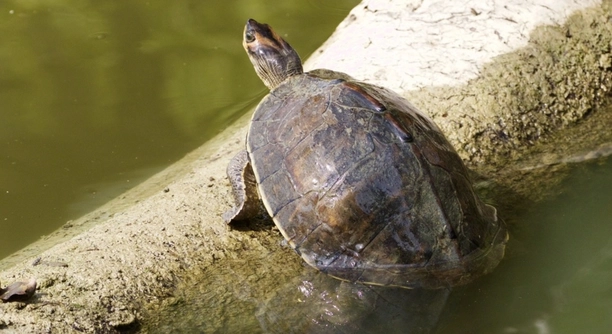
Indian Roofed Tortoises are fascinating creatures, but knowing what to feed them is important for their health. Their diet consists mainly of plants, so it’s essential to ensure their meals are safe and nutritious.
Bread is not ideal for Indian Roofed Tortoises. While not immediately harmful in small amounts, it lacks the nutrients these tortoises need and could cause digestive issues or lead to obesity if fed regularly.
Understanding what is safe and healthy for your tortoise will help maintain their well-being. We will guide you through the risks and better alternatives for feeding your shelled friend.
Why Bread is Not Suitable for Indian Roofed Tortoises
Bread is a processed food that lacks essential nutrients for Indian Roofed Tortoises. These tortoises need a balanced diet of fresh greens, vegetables, and fruits to stay healthy. While a small amount of bread won’t cause immediate harm, it doesn’t provide the vitamins and minerals they require. Feeding bread regularly can lead to various health issues, such as obesity or digestive problems. Additionally, bread is high in carbohydrates, which can disrupt their natural digestion process. Over time, a bread-heavy diet may cause more harm than good, as tortoises are not built to process such foods efficiently.
Tortoises require fiber-rich food to keep their digestive system working properly. Bread lacks this key component, which means it doesn’t support the necessary bowel movement or overall gut health.
A diet filled with bread might tempt your tortoise, but it can also prevent them from getting the nutrition they need. It’s always better to stick to natural foods like leafy greens, grasses, and some fruits to maintain their health. Feeding them a proper diet ensures they stay energetic, active, and happy. Bread simply doesn’t offer the right nutrition for long-term care, so it’s best avoided.
What to Feed Indian Roofed Tortoises Instead
Rather than bread, your tortoise should enjoy a variety of natural foods. Leafy greens, like kale and dandelion, provide the essential nutrients that they thrive on. You can also offer safe fruits like strawberries or melons, but keep in mind that fruits should be given in moderation due to their sugar content.
A varied diet that includes high-fiber vegetables, such as carrots, squash, and collard greens, can keep your tortoise healthy. This type of diet helps ensure they get all the vitamins and minerals they need for proper growth and development.
Risks of Feeding Bread to Indian Roofed Tortoises
Bread is low in nutrients and can cause digestive problems if fed to Indian Roofed Tortoises regularly. While not immediately dangerous in small amounts, the long-term effects can be harmful. The lack of fiber and excessive carbohydrates disrupt the tortoise’s natural digestion.
Feeding bread frequently can lead to health issues like obesity or malnutrition. The carbohydrates in bread can also upset their blood sugar levels. A tortoise’s diet should consist of high-fiber, plant-based foods to ensure proper digestion and avoid these risks. Without proper nutrition, your tortoise might become lethargic and experience other health complications.
When tortoises eat bread, they miss out on essential vitamins and minerals that come from fresh plants and vegetables. This can weaken their immune system and make them more vulnerable to diseases. Instead of bread, opt for healthier food options that support their growth and vitality.
How to Safely Treat Your Indian Roofed Tortoise
It’s okay to offer treats to your tortoise occasionally, but it’s important to keep them healthy. Instead of bread, you can offer small amounts of fruit or some boiled egg. These are more nutrient-rich and safer for your tortoise.
Small treats like these are a fun way to bond with your tortoise, but they should never replace their regular diet. Always ensure their main meals are filled with leafy greens, vegetables, and a variety of safe fruits. Remember that treats should be given in moderation to avoid overfeeding.
Why Bread Is Not a Balanced Meal for Tortoises
Bread lacks the essential nutrients that Indian Roofed Tortoises need. It’s mostly made up of carbohydrates, which don’t support their nutritional requirements. Their diet needs to be high in fiber, vitamins, and minerals, all of which bread fails to provide.
Without a balanced diet, your tortoise might face long-term health issues. Bread doesn’t offer any of the critical nutrients that keep their shells strong or their immune systems functioning. A lack of proper nutrition can lead to weakened bones, low energy, and even digestive problems.
How Tortoises Digest Their Food
Tortoises rely on a high-fiber diet to keep their digestive systems in balance. Fiber helps them process food properly and maintain healthy bowel movements. Without enough fiber, digestion can become sluggish, leading to discomfort and potential health issues.
When fed improper foods like bread, their digestive process is interrupted. Bread, which lacks fiber, doesn’t support the tortoise’s natural gut health. Over time, this can cause constipation or other gastrointestinal problems.
Healthy Alternatives to Bread for Your Tortoise
Fresh greens are the best alternative to bread for your tortoise. Dandelion greens, collard greens, and romaine lettuce are good choices. These foods provide essential vitamins and minerals, and their high fiber content promotes proper digestion. They also encourage natural foraging behavior, which is important for mental stimulation.
FAQ
Can Indian Roofed Tortoises eat bread in small amounts?
While a small piece of bread may not harm your tortoise immediately, it’s not recommended as a regular part of their diet. Bread lacks the necessary nutrients and fiber that your tortoise needs to stay healthy. Feeding it occasionally may not cause any immediate harm, but over time it can lead to health issues such as obesity or digestive problems. It’s best to stick to natural, plant-based foods that provide the right balance of vitamins and minerals.
What are the risks of feeding bread to a tortoise?
The main risks of feeding bread to your tortoise are obesity, digestive problems, and nutrient deficiencies. Bread is high in carbohydrates and low in essential vitamins, minerals, and fiber, which tortoises need for healthy growth and digestion. Over time, a bread-heavy diet can cause weight gain and weaken their immune system, making them more susceptible to illness. It may also lead to gut issues, like constipation, since bread does not provide the necessary fiber for proper digestion.
What should I feed my Indian Roofed Tortoise instead of bread?
Instead of bread, feed your tortoise a variety of fresh leafy greens such as dandelion greens, kale, or collard greens. These foods are rich in vitamins and fiber, promoting healthy digestion and overall well-being. You can also offer small amounts of fruits like strawberries, apples, or melons, but fruits should be given sparingly due to their higher sugar content. Avoid processed foods and stick to whole, natural plants to ensure your tortoise gets the nutrients it needs.
Is it safe to give Indian Roofed Tortoises fruits as a treat?
Yes, you can give your tortoise fruits as an occasional treat, but in moderation. While fruits like apples, strawberries, or melons are safe, they should not be a regular part of your tortoise’s diet. Fruits contain more sugar than leafy greens and vegetables, which can lead to digestive issues or weight gain if fed too often. Keep the portions small, and make sure the majority of their diet consists of high-fiber greens.
How can I tell if my tortoise is overweight or unhealthy?
An overweight or unhealthy tortoise may show signs like lethargy, difficulty moving, or a noticeable loss of appetite. You may also notice that their shell is soft or deformed, which can indicate a lack of proper nutrition. If your tortoise appears overweight, it’s important to adjust their diet by reducing the amount of high-sugar treats and increasing the intake of fiber-rich vegetables. Regularly monitoring their weight and activity level will help ensure they are maintaining a healthy body condition.
Can Indian Roofed Tortoises eat vegetables?
Yes, vegetables are an excellent part of your tortoise’s diet. Leafy greens, such as kale, collard greens, and mustard greens, are perfect for them. Other vegetables like carrots, squash, and bell peppers can also be offered in moderation. Always avoid vegetables high in oxalates, like spinach, which can interfere with calcium absorption. Offering a variety of vegetables will ensure your tortoise gets the right balance of nutrients for good health.
Are there any foods I should avoid feeding my tortoise?
Yes, there are certain foods that should be avoided when feeding your Indian Roofed Tortoise. These include processed foods like bread, as well as high-oxalate foods like spinach, rhubarb, and beet greens, which can prevent calcium absorption and cause kidney problems. Avoid feeding your tortoise dairy, as they cannot digest it, and steer clear of high-fat foods like nuts. Additionally, never feed your tortoise toxic plants such as avocado or onions.
How often should I feed my tortoise?
Indian Roofed Tortoises should be fed daily. Offer a variety of fresh leafy greens, vegetables, and occasional fruits to provide them with a balanced diet. The amount of food will vary depending on their age and size, but aim to provide enough to allow them to graze throughout the day. Keep their food fresh and remove any uneaten portions to prevent spoilage. As they grow, you can adjust the amount based on their appetite and activity level.
Can Indian Roofed Tortoises drink water?
Yes, water is essential for your tortoise’s health. Make sure your tortoise always has access to fresh, clean water. They may not drink a lot at once, but they still need hydration to aid digestion and maintain proper bodily functions. It’s also a good idea to occasionally soak your tortoise in shallow, warm water to encourage drinking and ensure they stay hydrated.
What’s the best way to care for my Indian Roofed Tortoise?
To properly care for your Indian Roofed Tortoise, provide them with a spacious enclosure, access to natural sunlight or UVB lighting, and a well-balanced diet consisting mostly of leafy greens and safe vegetables. Ensure they have a warm environment, with temperatures between 80°F and 90°F during the day and a cooler area for resting. Regularly monitor their health and behavior, and take them to the vet if you notice any signs of illness or changes in appetite. Always offer clean water and give them opportunities to exercise.
Final Thoughts
When it comes to caring for an Indian Roofed Tortoise, it’s crucial to provide them with a diet that supports their natural needs. While feeding them bread occasionally may seem harmless, it is not the best choice. Bread lacks the essential nutrients and fiber that tortoises need for good health. Regular consumption can lead to issues like digestive problems, weight gain, and nutrient deficiencies. Instead of bread, opt for fresh leafy greens, vegetables, and occasional fruits to ensure your tortoise gets a balanced and healthy diet.
Indian Roofed Tortoises thrive on a diet rich in fiber and low in processed foods. Foods like kale, dandelion greens, and collard greens are great options that provide the necessary vitamins, minerals, and fiber to keep your tortoise healthy. Offering a variety of safe fruits like strawberries and melons can also be a nice treat, but it’s important to remember that fruits should be fed in moderation. This variety helps mimic the natural diet of tortoises in the wild, allowing them to get all the nutrients they need for optimal health.
Taking the time to understand what’s best for your tortoise’s diet will help ensure they live a long, healthy life. Avoiding processed foods like bread and focusing on fresh, plant-based options is key. Proper nutrition, along with a clean and well-maintained environment, will help your Indian Roofed Tortoise thrive. A healthy tortoise is an active and happy one, so be mindful of their dietary needs and provide them with the best care possible.

Hello,
If you enjoy the content that we create, please consider saying a "Thank You!" by leaving a tip.
Every little bit helps us continue crafting quality advice that supports the health, happiness, and well-being of pets around the world, for pets of all shapes, sizes, and species.
We really appreciate the kindness and support that you show us!