
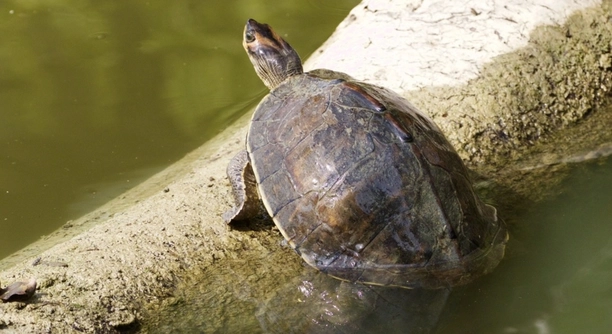
Indian roofed tortoises are fascinating creatures, loved for their distinct features and gentle nature. As with all pets, understanding their needs is crucial to providing them with a safe and happy environment.
Indian roofed tortoises can drown if they are exposed to deep water for long periods. While they are comfortable in water, they require shallow areas for rest, and prolonged submersion may cause respiratory issues.
It’s important to keep a careful eye on their water habitats. Knowing the best ways to prevent drowning will ensure your tortoise stays safe and healthy in its environment.
Can Indian Roofed Tortoises Swim?
Indian roofed tortoises are known to enjoy water, but they are not the strongest swimmers. While they can float and paddle, they are more likely to use the water to cool off or hydrate. Unlike aquatic turtles, they don’t have the same strong swimming instincts and often prefer shallow areas where they can easily access the land.
They are well adapted to environments with shallow ponds or slow-moving streams, where they can walk around comfortably. When it comes to deep water, they may struggle to navigate and may become overwhelmed, especially if they can’t reach a safe place to rest.
Providing a safe environment with easy access to land is important for these tortoises. Ensure that their water area is not too deep, allowing them to retreat whenever they need to. It’s important to offer them both water and dry spaces to promote their overall well-being.
How Much Water Do Indian Roofed Tortoises Need?
Indian roofed tortoises don’t need large amounts of water. They rely on shallow water to drink and occasionally soak in.
These tortoises get most of their hydration from eating fresh vegetables, fruits, and greens. Water should be offered regularly but should not cover the entire enclosure. It’s vital to monitor their access to shallow, clean water and avoid leaving them in deep pools where they may become stressed.
How to Prevent Drowning in Indian Roofed Tortoises
It’s important to keep the water shallow, ensuring your tortoise can stand comfortably without the risk of becoming submerged. Providing a shallow dish or a pond with low water levels is a good option.
Keep an eye on your tortoise’s swimming habits. If it starts showing signs of distress in the water, such as struggling to stay afloat or appearing tired, take immediate action. It’s essential to offer a dry area where it can easily escape. Regularly check the water for cleanliness, as dirty water can also contribute to health issues.
Another way to prevent drowning is by providing clear boundaries between land and water. Create an environment with an easy slope for the tortoise to climb, ensuring it has a safe exit from the water. These steps can keep your tortoise comfortable and reduce any risk of accidents.
What Happens if an Indian Roofed Tortoise Is Submerged for Too Long?
When submerged for extended periods, an Indian roofed tortoise can struggle with breathing and may begin to panic.
Excessive water exposure can cause the tortoise to experience stress, leading to respiratory issues. This can result in serious complications, including drowning or long-term health problems if not addressed. It’s important to ensure that your tortoise can always find a way out of the water, even if it’s just for a short break. A simple design change to its habitat can help prevent these situations, allowing your tortoise to thrive in a safe environment.
The Best Habitat for Indian Roofed Tortoises
A good habitat for your Indian roofed tortoise includes both water and land areas. Keep the water shallow and provide easy access for climbing out.
The land area should be large enough for the tortoise to roam and bask. Natural light is important, so placing their enclosure in a well-lit spot will help them stay healthy.
What to Do if Your Indian Roofed Tortoise Gets Stuck in Water
If your tortoise gets stuck in water, gently remove it and place it on a dry surface to recover. Make sure the area is warm enough to help it regain its strength.
Check the water setup to ensure it’s safe and accessible for your tortoise to exit at all times.
FAQ
Can Indian Roofed Tortoises live in a tank of water?
Indian Roofed Tortoises should not live in a tank of water. They are terrestrial and need both land and water in their habitat. While they enjoy soaking or wading in shallow water, they cannot be kept in a tank filled with water for long periods, as they need a dry area to bask and rest. A shallow pond with easy access to land is ideal for them. Too much water can stress them out and increase the risk of drowning.
How deep should the water be for an Indian Roofed Tortoise?
The water should be shallow enough for the tortoise to easily stand and walk in it. Generally, a depth of around 1-2 inches is enough. If you have a small pond or dish, make sure the tortoise can climb in and out with ease. This prevents any accidental drowning or stress from struggling in deeper water. Keep the water level low and ensure there are easy exits, such as a gentle slope or ramp.
Do Indian Roofed Tortoises need to be in water every day?
Indian Roofed Tortoises do not need to be in water every day. They typically soak in water for hydration and to keep their skin moist, but they do not require daily immersion. It’s important to provide clean, shallow water for drinking and occasional soaking. Most of their hydration comes from their diet, which should include leafy greens and fruits. Make sure to offer water regularly but don’t force your tortoise to stay in it for long periods.
Can Indian Roofed Tortoises drown in shallow water?
While it’s less likely for them to drown in shallow water, it’s still possible if they are unable to get out of the water or if they become too tired. Tortoises can also face respiratory issues if submerged for too long. Therefore, always make sure there’s an easy way for them to climb out of the water. It’s essential to monitor their behavior when in water and provide an escape route to ensure they stay safe.
What should I do if my Indian Roofed Tortoise falls into deep water?
If your Indian Roofed Tortoise falls into deep water, quickly remove it from the water and place it in a dry, warm area. Check for signs of distress or fatigue. If the tortoise is struggling to breathe, offer it a quiet, warm environment to recover. Once it’s safe, review the water setup to prevent future accidents. Make sure the water depth is shallow, and that there are no areas where your tortoise could fall into deep water.
Can Indian Roofed Tortoises swim?
Indian Roofed Tortoises can swim, but they are not strong swimmers. They are more suited to shallow water where they can move around or soak. In deep water, they may struggle to stay afloat. They will paddle with their legs to keep their head above water but are not built for extended swimming. It’s important to provide a habitat where they can easily access land to rest.
How often should I change the water for my Indian Roofed Tortoise?
You should change your Indian Roofed Tortoise’s water regularly to ensure it remains clean and safe. If your tortoise soaks in the water, change it every 2-3 days. If the water is only used for drinking, changing it once a week may be enough. Regular cleaning helps prevent bacteria buildup and ensures that your tortoise has a healthy environment. Always remove any waste or debris from the water daily to keep it clean.
Is it safe to let my Indian Roofed Tortoise roam outside?
It can be safe to let your Indian Roofed Tortoise roam outside, but there are a few things to keep in mind. Make sure the outdoor area is secure and free from predators. The ground should be safe for them to explore, with no toxic plants. If you live in a region with extreme temperatures, ensure your tortoise is protected from heat or cold stress. Always supervise them when they’re outside to ensure they don’t wander into dangerous areas like deep water or roads.
Can Indian Roofed Tortoises climb?
Yes, Indian Roofed Tortoises are able to climb, but they are not the best climbers. They can navigate small obstacles or climb low barriers in their habitat. However, it’s important to provide an environment that doesn’t have steep or dangerous heights. Avoid placing things that could potentially cause them to fall from a height or get stuck. Keep their habitat safe and secure to prevent accidents.
What type of food should I provide for my Indian Roofed Tortoise?
Indian Roofed Tortoises are herbivores, and their diet should consist mainly of leafy greens, fruits, and vegetables. Offer a variety of greens like dandelion leaves, collard greens, and kale. You can also provide small amounts of fruits like berries, melons, and apples. Avoid feeding them high-protein or high-fat foods, such as meat, as this can cause health problems. Fresh water should always be available to complement their diet. Be sure to avoid toxic plants like ivy or lilies.
How do I know if my Indian Roofed Tortoise is stressed?
Signs of stress in Indian Roofed Tortoises include lethargy, lack of appetite, and avoidance of water. They may also become aggressive or hide more often than usual. If your tortoise is stressed, check the temperature of their environment, the cleanliness of their habitat, and their water supply. Too much handling or a sudden change in their surroundings can also cause stress. Make sure they have a quiet, stable environment with a proper balance of light, warmth, and hydration.
Final Thoughts
Indian Roofed Tortoises are fascinating creatures that require proper care to thrive. While they enjoy water, they are not designed for long periods of swimming or deep water. Their natural habitat includes shallow areas where they can soak or drink, but they still need ample dry space to rest and bask. By creating a balanced environment with both land and water, you can help ensure your tortoise stays healthy and happy. A shallow water source and easy access to land are crucial for preventing any accidents, such as drowning or stress.
The most important thing to remember is to always monitor your tortoise in its habitat. It’s essential to provide a safe space where it can comfortably move between water and land. The depth of the water should always be kept shallow, as they are not strong swimmers and could potentially struggle if submerged for too long. By regularly checking their living environment and making adjustments as needed, you can prevent any health issues related to water safety. Offering proper hydration and a diet of fresh vegetables, fruits, and greens will also support their overall well-being.
Lastly, always stay informed about your tortoise’s needs and behaviors. Every tortoise is different, and understanding their specific habits will help you make the right decisions about their care. Whether you are a first-time owner or experienced with tortoises, providing the right conditions for your Indian Roofed Tortoise will go a long way in ensuring a long, healthy life. Keep their habitat secure, monitor their water access, and offer plenty of opportunities to bask and explore, and you’ll be well on your way to providing the best home for your tortoise.

Hello,
If you enjoy the content that we create, please consider saying a "Thank You!" by leaving a tip.
Every little bit helps us continue crafting quality advice that supports the health, happiness, and well-being of pets around the world, for pets of all shapes, sizes, and species.
We really appreciate the kindness and support that you show us!