
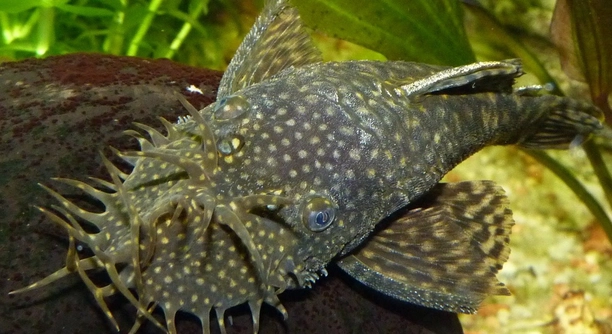
Are you setting up a new aquarium and wondering if a bare bottom tank could work for your pleco? Many fish keepers explore different setups for ease of cleaning and overall tank health. Let’s take a closer look.
Plecos can live in bare bottom tanks as long as their basic needs are met, including proper filtration, hiding spots, and access to algae or driftwood for grazing. This setup may require additional effort to maintain their comfort.
Understanding the benefits and challenges of this setup will help you decide if it’s the right choice for your pleco’s lifestyle and needs.
Why Some People Choose Bare Bottom Tanks for Plecos
Bare bottom tanks are often chosen for their easy maintenance and cleaner appearance. Without gravel or sand, waste is easier to spot and remove. This setup can also help prevent uneaten food from getting trapped, reducing the risk of ammonia spikes. For pleco keepers, especially those with fry or breeding setups, bare bottoms make it easier to keep the tank sanitary. It also lets them monitor fish behavior more closely. Since plecos are messy eaters, having a clear view of the tank floor allows for quicker cleaning. While bare bottom tanks might look less natural, adding decorations like driftwood and caves can help keep the pleco comfortable. These tanks can also improve water flow, which is helpful in preventing dead zones where debris might collect.
This kind of setup works well in tanks where cleanliness is a top priority or when treating sick or injured plecos.
However, not all plecos will thrive without substrate. Some species enjoy burrowing or grazing across the tank floor. In these cases, the lack of substrate may limit natural behaviors. You can help by including smooth surfaces or placing algae wafers directly on the tank floor. Providing driftwood is also important, as many plecos need it for digestion.
Things to Consider Before Going Bare Bottom
Plecos are known for producing a lot of waste, which can quickly accumulate in a bare bottom tank if not cleaned often.
In bare bottom setups, daily or frequent cleaning becomes more important. Waste settles visibly and can impact water quality faster without substrate to trap it. This means using a strong filter and doing regular water changes is key. Many plecos also use their mouths to graze and suck on surfaces. Without substrate, you need to make sure other surfaces—like rocks, driftwood, or tank walls—have enough algae or food available. It’s also good to offer hiding spots. Caves and decor help reduce stress and let plecos rest. Lighting matters too. Some plecos prefer dim areas, so shaded spots or low lighting can help. A bare bottom tank can work well, but it takes effort to create a space where your pleco feels secure and behaves naturally.
Creating Comfort in a Bare Bottom Tank
Plecos need hiding spots, especially during the day when they rest. In a bare bottom tank, adding caves, PVC tubes, or driftwood gives them places to feel secure and reduce stress. These additions are important even without substrate.
To help your pleco feel more at ease, use decorations that mimic natural environments. Driftwood is especially helpful because it provides cover and can be a food source for some plecos. You can also use large stones or artificial plants that rest directly on the glass bottom. Avoid sharp or rough items that might damage their soft undersides. Consider placing objects in a way that creates shaded spots or areas with lower flow. Even in a tank without substrate, structure and layout matter. Giving your pleco areas to explore, rest, and graze helps prevent boredom and promotes healthy behavior. A simple, clean look doesn’t have to mean a dull or empty tank.
Proper lighting also affects how comfortable your pleco feels. Many plecos prefer dimmer environments, so adding floating plants or using low-intensity lighting can make a big difference. Some keepers angle decorations to block direct light and create darker areas. This setup allows the pleco to choose when to rest or explore. Light control adds comfort without needing substrate.
Feeding Plecos in a Bare Bottom Setup
Feeding plecos in a bare bottom tank takes a bit more planning since food has nowhere to sink in and stay hidden.
Sinking foods like algae wafers or blanched vegetables should be placed directly on smooth surfaces where your pleco can easily access them. Avoid overfeeding, as uneaten food is more noticeable and can spoil quickly without substrate to absorb or hide it. You’ll need to remove leftovers within a few hours. Some people place a flat stone in the tank and use it as a feeding spot. This keeps food contained in one area and makes cleanup easier. Also, check your pleco’s stomach area occasionally to make sure it’s getting enough to eat.
Feeding driftwood-eating species, like bristlenose or clown plecos, means you must include the right type of wood in the tank. Malaysian or Mopani wood works well and provides necessary fiber. Supplemental feeding with vegetables such as zucchini or cucumber helps meet their dietary needs. If your pleco prefers protein, offer sinking pellets designed for bottom feeders or frozen foods like bloodworms. Observe your pleco during feeding time to ensure it finds the food. If you have other tank mates, make sure they aren’t outcompeting your pleco, especially in tanks with faster swimmers. Feeding well supports long-term health and activity.
Cleaning and Maintenance Tips
Bare bottom tanks make it easier to spot waste and uneaten food, so cleaning becomes a quicker task. A simple siphon or turkey baster can be used daily to remove debris without disturbing the tank setup.
Wipe down the glass bottom weekly to prevent buildup. Clean filter media regularly, as plecos produce a lot of waste.
Choosing the Right Filter
A strong filter is important in bare bottom tanks since there’s no substrate to help trap debris. A sponge filter is gentle and good for fry tanks, but a canister or hang-on-back filter will move more water and handle waste better. Use a pre-filter sponge to protect your pleco from getting too close to the intake and to catch large particles. Make sure the flow isn’t too strong, as plecos prefer calmer areas. Try using decorations to slow the current in parts of the tank. A well-balanced filter setup keeps the water clean and helps maintain good health over time.
Monitoring Your Pleco’s Behavior
Watch for changes in activity or appetite, as these can signal stress. A pleco hiding less or eating poorly may need tank adjustments.
FAQ
Can plecos live in a bare bottom tank long-term?
Yes, plecos can live in a bare bottom tank long-term as long as you meet their basic needs. It’s important to provide hiding spots, food, and a suitable environment to help them feel secure. Some plecos may prefer substrates to graze on, but with the right care, they can adapt to a bare bottom setup. Make sure the tank is well-filtered and cleaned regularly to prevent waste buildup.
Do plecos need substrate to thrive?
No, plecos do not necessarily need substrate to thrive, but some species benefit from it. Substrate gives plecos places to sift through for food or algae. However, if you don’t have substrate, it’s important to provide other food sources like driftwood and algae wafers. Without it, plecos may show more stress or develop less natural behaviors. It’s all about creating a comfortable environment for them in a bare bottom tank.
How do you feed plecos in a bare bottom tank?
In a bare bottom tank, feeding plecos requires a little extra effort. Place sinking foods like algae wafers or vegetables directly on smooth surfaces like rocks or glass, so the pleco can easily find them. Since food doesn’t get hidden in the substrate, it’s also easier to overfeed. Keep track of how much food you’re giving and remove any uneaten portions within a few hours to prevent water contamination. Providing enough variety in their diet will help ensure they get all the nutrients they need.
What kind of decorations should I add to a bare bottom tank for plecos?
Add decorations like driftwood, caves, and rocks to a bare bottom tank. Plecos need places to hide and rest. Driftwood is especially helpful as it can also provide food and is essential for some species. If you add rocks or other decorations, make sure they are smooth and rounded to avoid injury to the pleco’s sensitive underside. Additionally, floating plants or low-intensity lighting can help simulate a more natural environment with shaded areas for your pleco.
How often should I clean a bare bottom tank for plecos?
Cleaning a bare bottom tank depends on the tank size, the number of fish, and the filter strength. Generally, you should vacuum the bottom at least once a week to remove any waste or uneaten food. You may need to clean more frequently if you notice debris accumulating quickly. Regularly clean the filter to ensure it’s working efficiently, as plecos produce a lot of waste. Maintaining good water quality is crucial for keeping your pleco healthy in a bare bottom tank.
Do plecos need a filter in a bare bottom tank?
Yes, plecos absolutely need a filter in a bare bottom tank. Since there is no substrate to trap waste, it’s important to have a reliable filtration system to keep the water clean. A filter removes excess food and waste, preventing harmful buildup that could affect the pleco’s health. The filter should be appropriately sized for your tank and provide gentle water movement to avoid stressing your pleco. Use a sponge filter or a canister filter with a pre-filter sponge to ensure safety for your fish.
Can plecos live with other fish in a bare bottom tank?
Plecos can live with other fish in a bare bottom tank as long as the other fish are compatible. Avoid placing plecos with aggressive or overly active fish that may outcompete them for food or space. Plecos do well with peaceful tankmates like tetras, guppies, or other bottom feeders. When choosing tankmates, make sure there is enough space for everyone, and that the fish aren’t too large or predatory. It’s also crucial to monitor feeding time to make sure the pleco is getting enough food in a community tank.
Do plecos need a heater in a bare bottom tank?
Yes, plecos generally need a heater in their tank, regardless of whether the tank has a substrate or not. Most plecos are tropical fish and prefer water temperatures between 74°F and 80°F. A consistent temperature is important for their health and well-being. Make sure your heater is appropriate for the tank size and monitor the water temperature regularly to avoid fluctuations. A reliable heater ensures your pleco remains comfortable and active.
How can I prevent algae overgrowth in a bare bottom tank?
Algae overgrowth can still happen in a bare bottom tank, but it’s easier to manage without substrate. The best way to prevent algae is by controlling light and limiting nutrients. Reduce the amount of light your tank receives, as excessive lighting can promote algae growth. Additionally, avoid overfeeding, which can lead to excess nutrients in the water. Regular water changes, along with a good filter, help keep nutrient levels in check. If algae becomes an issue, consider adding algae-eating companions like snails or shrimp to help maintain balance.
Are there any pleco species that do better in bare bottom tanks?
Some pleco species do better in bare bottom tanks than others. Species like the bristlenose pleco are more adaptable to this setup, as they can graze on driftwood and algae wafers without the need for substrate. On the other hand, some species like the royal or zebra plecos might prefer the presence of substrate to help them feel secure or to graze naturally. Knowing the preferences of the specific pleco species you own can help you tailor the tank to their needs.
Can I use a bare bottom tank for pleco breeding?
Yes, you can use a bare bottom tank for pleco breeding, but it requires additional planning. Make sure to provide enough hiding spots and suitable surfaces for egg laying, such as caves or flat rocks. Plecos will typically lay their eggs in dark, protected areas, and it’s important that these are available. While a bare bottom tank might seem sterile, with the right setup, it can provide the clean environment necessary for successful breeding. You’ll also need to closely monitor the water quality and feed both the breeding pleco and the fry appropriately.
What should I do if my pleco isn’t eating in a bare bottom tank?
If your pleco isn’t eating in a bare bottom tank, check for possible stressors or environmental factors. Stress could come from the lack of hiding spots, strong water flow, or water quality issues. Make sure the tank is not too brightly lit, and provide areas where the pleco can feel secure. Try offering a variety of foods, including algae wafers, vegetables, and driftwood, to see if the pleco prefers one over another. If the issue persists, check the water parameters to ensure they are in the right range for your pleco.
Final Thoughts
A bare bottom tank for plecos can be a practical choice for many aquarium keepers. It simplifies cleaning and helps maintain water quality, especially when there’s little or no substrate to trap waste. Plecos can adapt to this environment as long as their other needs are met. While it may not be as natural as a tank with substrate, the right decorations and hiding spots can provide plecos with the security and comfort they need. With proper care, a bare bottom tank can be a healthy and effective setup for your pleco.
One of the key advantages of a bare bottom tank is the ease of maintenance. Without substrate, waste and uneaten food are more visible, making it easier to keep the tank clean and prevent harmful ammonia buildup. This is particularly helpful for plecos, which are messy eaters. A well-maintained tank with good filtration ensures a healthy environment for your pleco, reducing the risk of disease or water quality problems. However, this setup does require more frequent cleaning and attention to detail to ensure your pleco stays healthy and comfortable.
That said, a bare bottom tank may not be suitable for every pleco. Some species prefer to graze on substrate, and a lack of it can affect their behavior. If you choose to keep a pleco in a bare bottom tank, make sure to offer alternative food sources like driftwood, algae wafers, and blanched vegetables. It’s also important to provide plenty of hiding spots to reduce stress. By adjusting the environment to meet their specific needs, plecos can thrive in a bare bottom tank, but regular monitoring is essential to ensure their well-being.

Hello,
If you enjoy the content that we create, please consider saying a "Thank You!" by leaving a tip.
Every little bit helps us continue crafting quality advice that supports the health, happiness, and well-being of pets around the world, for pets of all shapes, sizes, and species.
We really appreciate the kindness and support that you show us!