
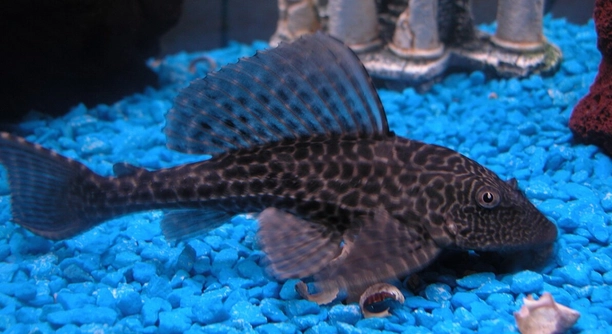
Many people enjoy having plecostomus fish in their aquariums due to their helpful nature in keeping tanks clean. These fish are often loved for their algae-eating habits. But handling them properly is key to their well-being.
While it is generally safe to touch a plecostomus gently, it is important to avoid overhandling them. Fish have sensitive skin and can easily be stressed by unnecessary contact, which can negatively impact their health.
Learning the right way to interact with your plecostomus can help ensure they stay happy and healthy in your aquarium. Understanding their needs is essential for their care.
How Do Plecostomus React to Being Touched?
Plecostomus fish are naturally shy creatures. When it comes to handling, they don’t enjoy being touched or removed from the water. Their skin is delicate, and constant touching can cause stress or damage. Fish release a protective slime coating to keep themselves safe, but handling can disturb this layer. Excessive contact can lead to skin irritation or other health issues, so it’s best to avoid unnecessary touching.
That said, plecos may tolerate occasional gentle interaction if done carefully. It’s crucial to approach them slowly and be mindful of their comfort.
It’s important to consider their environment as well. In a tank with plenty of hiding spots and plants, they may feel less threatened. Providing them with a peaceful space will reduce the chances of stress and keep them healthier. Even though touching them is tempting, it’s best to observe them from a distance, appreciating their unique role in maintaining a clean tank. They can live happily without direct contact, as long as their environment remains stable.
Why Should I Avoid Touching My Plecostomus?
Stress from touch can affect plecos over time.
In addition to stress, plecostomus are also highly sensitive to changes in their water environment. When touched frequently, they may become more anxious and harder to care for. Stressed fish are more prone to diseases and may not thrive. It’s best to let them remain in their natural habitat and avoid unnecessary handling. With the right care, plecos can live long, healthy lives without any physical contact.
The Risks of Touching Plecostomus
Frequent touching can lead to stress in plecos. Their skin is coated with a protective slime, and handling disrupts this barrier, making them more vulnerable to infections. Over time, this stress can weaken their immune system, leaving them prone to illness and even affecting their lifespan.
Plecos are bottom-dwelling fish, and they are naturally inclined to keep to themselves. Handling them too often can cause agitation, leading them to hide more often. They may retreat into dark spots of the tank, avoiding interactions. This behavior is a sign of stress, and it can negatively impact their overall health.
It’s important to understand that plecos are not like other fish that enjoy interaction. Their quiet, solitary nature is part of what makes them unique. Allowing them to feel safe and secure in their environment is crucial. Keeping your pleco’s habitat peaceful can help reduce stress and promote a happier, healthier life.
Alternatives to Handling Your Plecostomus
Instead of touching, consider watching your pleco as it goes about its natural behaviors.
Providing a healthy environment, with plenty of hiding spots and clean water, will help your pleco feel more secure. Plecos are often seen cleaning algae or exploring the tank, which is a sign that they are comfortable. A well-maintained tank reduces stress and encourages plecos to remain active and content. You can also feed them food that mimics the algae they typically eat, ensuring they are well-nourished without the need for contact.
It’s important to understand that plecos are not necessarily social fish. While they are peaceful, they don’t crave interaction. Watching them thrive in their habitat can be just as rewarding as physically touching them. The less disruption you cause, the better your pleco will do.
Can Handling Affect Their Health?
Frequent handling can lead to infections and skin damage. The slime coating that protects a pleco from bacteria is vital to its health. Touching them too often will remove this protective layer, making them more susceptible to diseases. This can shorten their lifespan and affect their quality of life.
If a pleco’s slime coat is disturbed too much, they may become stressed. Prolonged stress weakens their immune system, making it harder for them to fight off infections. It’s crucial to avoid handling them unless absolutely necessary. Keeping their environment calm and stable is the best way to ensure their well-being.
Signs of a Stressed Plecostomus
Stress in plecos can show in many ways.
They may hide more often or become less active. A stressed pleco may also stop eating or exhibit abnormal swimming patterns. If you notice any of these signs, it could indicate that your pleco is uncomfortable. The best solution is to avoid touching them and focus on providing a safe, calm environment.
FAQ
Can I touch my plecostomus to clean it?
It is not recommended to touch your plecostomus to clean it. While it may seem necessary to help with their hygiene, plecos are better left undisturbed. Cleaning your tank should be done regularly to ensure their environment remains clean, but this does not require physical contact with the fish. Touching can cause stress and potentially harm the protective slime on their skin, leading to infections.
Instead of touching the fish directly, focus on cleaning their tank and changing the water regularly. This will help them maintain a healthy living space without any added stress. Plecos will naturally clean themselves, and the algae in the tank will help with their diet. It’s important to keep their environment as stress-free as possible.
How can I make my plecostomus feel comfortable without touching it?
Plecos thrive in peaceful and stable environments. The key to making them feel comfortable is creating a calm tank where they can hide when needed. Adding decorations, such as caves, rocks, or driftwood, will give them plenty of places to retreat. Having plants also provides shelter and makes them feel secure. The more comfortable and secure they feel, the less stressed they’ll be.
Another important aspect is water quality. Plecos prefer slightly warmer water with a stable temperature and good filtration. Regular water changes will keep the tank clean and reduce stress. They also appreciate low lighting and minimal disturbances. These small steps can ensure your plecostomus remains happy without the need for direct contact.
Why do plecostomus hide so much?
Plecostomus are naturally shy fish, and hiding is part of their behavior. They are nocturnal and often prefer to stay in their hiding spots during the day. It is not uncommon for them to avoid interaction and retreat into caves, under rocks, or behind plants. This behavior is normal, especially in a tank with plenty of places to hide.
Hiding is a way for plecos to feel safe from potential threats. In the wild, they seek dark, secluded areas where they can rest and eat without disturbance. Providing a peaceful, private environment in your tank will help them feel secure and more likely to venture out when they feel comfortable.
How do I know if my plecostomus is stressed?
If your plecostomus is stressed, you might notice changes in its behavior. They may become more reclusive, spending most of their time hiding. If a pleco is not eating, this could be another sign of stress. You may also notice irregular swimming patterns, such as erratic or slower movements.
Stressed plecos may also exhibit signs of physical damage, like torn fins or skin lesions. This can happen if they are being disturbed too often or if they are struggling with poor water conditions. Keeping the tank clean and maintaining a stable environment will help reduce stress and promote healthy behaviors.
Is it safe to touch a plecostomus during feeding time?
It’s generally best not to touch your plecostomus during feeding time. Although they may be more active when eating, touching them while they are feeding could cause stress or make them feel threatened. Plecos are bottom-dwellers and prefer to feed undisturbed. They might even stop eating if they feel threatened by your presence.
Instead of touching them, ensure that food is readily available in their preferred areas, like near the bottom of the tank. Feeding at consistent times also helps establish a routine. You can observe them from a distance to ensure they are eating, but direct interaction should be avoided.
Can I handle a baby plecostomus?
Even baby plecostomus should not be handled. While they may seem small and harmless, they are still sensitive to touch. Handling baby plecos can disrupt their development and cause unnecessary stress. They are just as delicate as adults and should be treated with care.
To ensure the health of baby plecos, provide them with a safe and clean environment. Keep the tank free of strong currents and avoid disturbing them. Baby plecos may need more hiding spots than adults since they are more vulnerable to stress and injury. Letting them grow and thrive in a stable environment is the best way to support their development.
What should I do if my plecostomus seems sick?
If you notice signs of illness in your plecostomus, such as abnormal swimming, loss of appetite, or unusual behavior, it’s best to act quickly. First, check the water parameters to ensure the tank conditions are optimal. Ensure the temperature, pH, and ammonia levels are in the correct range. Poor water quality is often a primary cause of illness.
Next, examine the fish for signs of physical injury or parasites. If you suspect your pleco is sick, you should consider quarantining it in a separate tank to avoid spreading any potential disease. Seek advice from an aquarium specialist or veterinarian if the issue persists, as they can help with diagnosis and treatment.
Can I touch my plecostomus to help it if it’s stuck?
If your plecostomus is stuck or trapped in the tank, you should help it, but it’s important to do so carefully. Avoid grabbing or touching it directly with your hands, as this could cause harm. Instead, gently move obstacles or use a net to assist the fish. It’s essential to remain calm and act quickly without causing stress.
Once the pleco is free, check the tank for potential hazards that might have caused it to become stuck. Ensure the tank is safe, and avoid placing objects or decorations that could trap them again. While assisting your pleco, always focus on reducing stress and allowing it to feel secure.
Final Thoughts
While it may seem harmless, touching your plecostomus is not recommended. These fish are naturally shy and sensitive, and handling them can lead to stress, injury, or even illness. Their skin is coated with a protective slime, and frequent touching can remove this layer, making them more vulnerable to diseases. Plecos are bottom-dwelling creatures that prefer to be left undisturbed, and it’s important to respect their space to ensure their health and well-being. By minimizing contact, you can help your pleco feel more secure and comfortable in its environment.
The best way to care for a plecostomus is by maintaining a stable, clean, and peaceful tank. They thrive in environments where they can hide and feel safe, so adding caves, plants, and rocks will make them feel secure. Regular water changes and proper filtration are crucial to keeping their living space clean and free from harmful toxins. Instead of focusing on direct interaction, try observing your pleco as it carries out its natural behavior. Watching them clean the tank and explore their surroundings can be just as rewarding as touching them, and it allows them to live a healthier life without added stress.
In the end, it’s about understanding and respecting the needs of your plecostomus. These fish are low-maintenance and prefer a calm, undisturbed environment. They play an important role in keeping your aquarium clean, and by creating the right habitat, you can ensure they live a long, healthy life. Instead of touching them, focus on providing the best possible care through proper tank conditions, water quality, and a peaceful environment. The less you interfere, the more your pleco will thrive.

Hello,
If you enjoy the content that we create, please consider saying a "Thank You!" by leaving a tip.
Every little bit helps us continue crafting quality advice that supports the health, happiness, and well-being of pets around the world, for pets of all shapes, sizes, and species.
We really appreciate the kindness and support that you show us!