
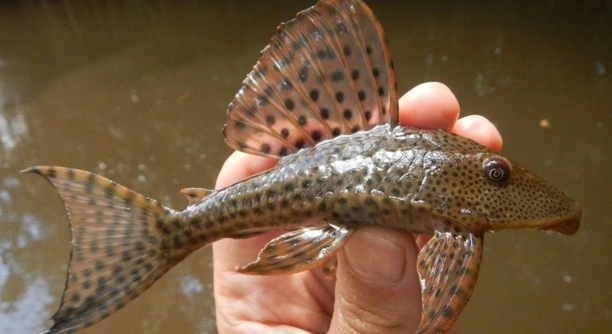
Keeping a pleco in an open-top tank can raise a few concerns. While these fish are quite hardy, certain factors play a role in their comfort and safety when housed in an environment without a lid.
Plecos can generally adapt to open-top tanks, but it is essential to consider the risk of escape, water temperature stability, and potential stress factors from environmental disturbances. A proper setup will ensure their well-being in such a tank.
Understanding these factors is crucial to providing a safe and comfortable habitat for your pleco, promoting both its health and happiness.
Risks of an Open-Top Tank
An open-top tank can be an appealing choice, but it does come with some challenges. The most obvious concern is that a pleco may escape. Plecos are strong swimmers, and while they typically stay on the bottom, they are known to jump out if startled. Without a lid, there’s always the risk of them finding their way to the edge of the tank and leaping out.
Another issue is water temperature regulation. With no lid, the water can cool down faster, especially in colder environments, which may not be suitable for a pleco. Consistent water temperature is important for their health, and fluctuations could lead to stress or illness.
Lastly, open-top tanks can be more prone to debris and contaminants entering the water. Dust, hair, and other particles can easily fall into the tank, affecting the water quality and the pleco’s environment. Keeping the tank clean and monitoring water conditions is essential to avoid these issues.
Proper Tank Setup
If you choose to keep a pleco in an open-top tank, it is important to monitor its environment closely. A secure and safe environment will ensure your pleco thrives.
A good setup for an open-top tank includes stabilizing the water temperature with a reliable heater, using a filter system that keeps the water clean, and placing plants or decorations that help reduce stress. You can also consider using a mesh cover as an alternative to a solid lid. This will still allow for adequate air circulation while preventing the pleco from jumping out. Ensuring the water quality stays optimal and free of harmful chemicals is crucial for their long-term health. Regular water changes and careful monitoring will help maintain a healthy and safe environment for your pleco to thrive in.
Water Quality Considerations
Water quality plays a major role in the well-being of your pleco. An open-top tank can allow contaminants to enter more easily, affecting water quality. Dust, debris, and even room air pollutants can fall into the water, which may disrupt the tank’s ecosystem.
To maintain clean water, regularly monitor ammonia, nitrite, and nitrate levels, as they can fluctuate with an open-top setup. A good filtration system is essential to keep the water clear and prevent harmful buildup. Doing weekly water changes helps maintain optimal conditions and reduces the risk of toxins harming your pleco. You can also use water conditioners to ensure the tank remains safe and balanced. Keeping a consistent cleaning routine will protect the fish from harmful water conditions and help maintain their health.
Temperature Control
With no lid, maintaining a stable temperature can be challenging. Without a cover, water can cool faster, especially at night or during cold weather. This may cause temperature fluctuations that stress your pleco. Consistency is crucial, as drastic changes in water temperature can negatively affect their health.
Consider using a reliable heater and a thermometer to regulate and monitor the tank’s temperature. If you live in a cooler climate, investing in a tank cover, even if just a mesh one, can help retain heat without compromising ventilation. The ideal water temperature for plecos ranges between 74°F and 80°F. Ensuring this temperature range is maintained will help your pleco stay healthy and reduce stress.
Risk of Escape
A pleco’s ability to jump should never be underestimated. Without a tank lid, they have the potential to escape, especially when startled. Once they leap, it’s difficult to catch them in time, putting them at risk of injury or death.
This risk is heightened in larger tanks or aquariums with open spaces at the top. Even though plecos are more bottom-dwelling, they can still become active and curious, especially if they feel threatened or excited. Ensuring your tank has some kind of cover, even if just mesh, will help reduce this risk significantly.
Tank Decorations and Hiding Spaces
Plecos are bottom-dwellers and appreciate having plenty of hiding spots in the tank. Decorations like caves, driftwood, and plants give them a sense of security. With an open-top tank, this becomes even more important, as they may become stressed without a refuge.
By adding decorations that mimic their natural environment, you provide comfort and reduce stress. This can prevent unwanted behavior, such as jumping or hiding too often. Make sure that any decorations don’t have sharp edges that could harm your pleco. A well-decorated tank encourages natural behavior and promotes the pleco’s overall health and happiness.
FAQ
Can a pleco live in an open-top tank?
Yes, a pleco can live in an open-top tank, but it requires careful management. The primary concerns are the risk of escape, fluctuating water temperature, and maintaining water quality. Plecos are strong swimmers and may attempt to jump out if startled. An open-top tank can also lead to quicker changes in water temperature, which can stress the pleco. Regular maintenance and monitoring are essential for keeping the pleco safe and healthy in such an environment.
Do plecos need a lid on their tank?
A lid is not strictly necessary, but it is highly recommended. The primary reason for using a lid is to prevent your pleco from jumping out of the tank. While plecos generally stay near the bottom of the tank, sudden movements or external disturbances can cause them to leap. A mesh lid is a good compromise, allowing for proper air circulation while preventing escape. Additionally, a lid helps maintain temperature stability and reduce contamination from external sources.
How do I prevent my pleco from jumping out of the tank?
To prevent your pleco from jumping out, consider adding a lid or cover to the tank. A mesh cover allows for air circulation and prevents escape. If a lid is not an option, ensure the tank is in a quiet, safe location with minimal disturbances. Keep the water levels slightly lower, which can reduce the urge to jump. Adding plenty of hiding spots and decorations can also help, as it makes the pleco feel more secure and less likely to leap.
What is the ideal temperature for a pleco in an open-top tank?
The ideal water temperature for plecos ranges from 74°F to 80°F (23°C to 27°C). In an open-top tank, maintaining this temperature can be challenging, as the lack of a lid can cause faster cooling, especially at night. To regulate the temperature, use a reliable heater and monitor it regularly with a thermometer. If you live in a cooler climate, a heater mat or tank cover can help stabilize the temperature and ensure it stays within the optimal range for your pleco.
How can I keep the water clean in an open-top tank?
Maintaining clean water in an open-top tank requires regular maintenance. Without a lid, debris like dust, hair, and airborne particles can easily enter the tank. A high-quality filter will help keep the water clean by removing waste and excess nutrients. Additionally, perform weekly water changes to ensure the water remains clear and free from harmful toxins. Using a water conditioner can also help balance the water chemistry. Keep an eye on ammonia, nitrite, and nitrate levels, and take action if they become too high.
Is it safe to keep a pleco with other fish in an open-top tank?
Yes, a pleco can live with other fish in an open-top tank, provided the tank is large enough and all species are compatible. Plecos are generally peaceful and will not typically harm other fish, but they may become territorial if they don’t have enough space. It’s important to ensure that the other fish are not small enough to be seen as food, as plecos can sometimes nibble on smaller fish. Regular monitoring of the water conditions and fish behavior will help prevent any issues.
Do plecos need hiding spots in an open-top tank?
Yes, plecos do need hiding spots. They are bottom-dwellers and prefer to have places where they can retreat to feel secure. In an open-top tank, adding caves, driftwood, and plants not only provides hiding spots but also helps reduce stress. A pleco that feels secure is more likely to thrive and behave naturally. Without hiding spots, the pleco may feel exposed and stressed, which can lead to poor health. Decorations also create a more natural environment, which is essential for their well-being.
What kind of tank decorations are best for plecos in an open-top tank?
The best decorations for plecos are natural-looking items like driftwood, rocks, and caves. Plecos enjoy having plenty of hiding spots, and these types of decorations provide security. Driftwood also helps mimic their natural habitat, where they can graze on algae and hide. Smooth, non-abrasive materials are essential to prevent injury. Ensure that the decorations are securely placed and won’t shift, as this can create dangerous conditions for your pleco. Additionally, plants provide both cover and a natural food source for some pleco species.
How often should I change the water in an open-top tank?
Water changes in an open-top tank should be done at least once a week, especially if you have a pleco. The water can become dirty faster due to the lack of a lid, and regular changes help maintain optimal water conditions. Perform partial water changes, removing about 25-30% of the water each time. This helps remove excess waste, nitrates, and other harmful chemicals while refreshing the water. Ensure that the new water is at the correct temperature and treated with a water conditioner to maintain a healthy environment for your pleco.
Can I use a heater in an open-top tank for my pleco?
Yes, you can use a heater in an open-top tank. In fact, a heater is recommended to maintain a stable water temperature, especially since open-top tanks can lose heat more quickly than covered tanks. Choose a submersible heater that is properly sized for your tank. Keep the heater near a filter output to ensure even heat distribution. Regularly check the temperature with a thermometer to ensure it stays within the ideal range of 74°F to 80°F for your pleco.
Final Thoughts
Keeping a pleco in an open-top tank can be both enjoyable and challenging. While these fish are relatively easy to care for, they require specific conditions to thrive. The main concerns in an open-top tank are maintaining stable water temperature, preventing escapes, and ensuring water quality remains optimal. These issues can be managed with the right setup and consistent care. Monitoring the tank’s conditions and being proactive about maintenance is crucial for the pleco’s health and well-being.
A well-maintained tank with proper filtration, decorations, and hiding spots will help your pleco feel comfortable. Even though plecos generally stay at the bottom of the tank, they still need a secure environment. Without a lid, the risk of escape and sudden temperature fluctuations can affect their health. Adding a mesh or partial cover can help reduce these risks without sacrificing air circulation. A lid also helps prevent unwanted debris from entering the tank, maintaining cleaner water for your pleco.
In conclusion, while an open-top tank can be suitable for a pleco, it requires extra attention and regular maintenance. Ensuring your tank has the right water temperature, good filtration, and enough hiding spaces will promote the pleco’s health. By keeping the environment stable and safe, your pleco can live a long, healthy life.

Hello,
If you enjoy the content that we create, please consider saying a "Thank You!" by leaving a tip.
Every little bit helps us continue crafting quality advice that supports the health, happiness, and well-being of pets around the world, for pets of all shapes, sizes, and species.
We really appreciate the kindness and support that you show us!