
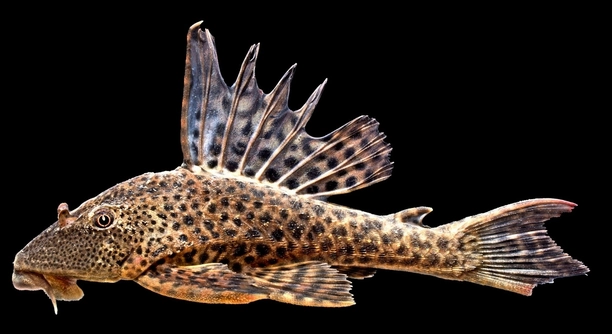
Moving a pleco can be a tricky task, especially if you are unsure about how to manage the water during the process. Plecos are sensitive creatures, and their environment must be handled with care.
The simplest method for relocating a pleco without draining water involves carefully using a net to transfer the fish while maintaining the current water conditions. This reduces stress and prevents unnecessary harm to both the pleco and its environment.
Handling your pleco during this process ensures a safe transition. Understanding the proper steps can prevent stress and help maintain a stable aquatic environment for your fish.
Understanding the Importance of Water Conditions
When moving a pleco, the water quality is crucial. The pleco relies on its environment to stay healthy, and changes in its surroundings can cause stress. Maintaining the water temperature, pH level, and cleanliness is vital to avoid any potential harm. If the water is disturbed too much, it could lead to shock, affecting the pleco’s well-being.
The key is to keep the water parameters stable. Even if you need to move your pleco to a new tank, ensure that the conditions match as closely as possible. This reduces the risk of overwhelming the fish. The transition should be gradual to help the pleco adjust.
Using a clean container or holding tank for the move can make the process smoother. You should always check the water’s temperature and quality before introducing your pleco to a new environment. Even small fluctuations in water conditions can be dangerous to your fish.
Step-by-Step Guide to Moving Your Pleco
To move a pleco without draining the water, the process should be calm and controlled. Use a soft net to gently catch the fish and place it into the holding container. Avoid sudden movements, which could stress the pleco.
Once the pleco is in the container, ensure the water from the original tank is transferred along with the fish. This helps maintain the water conditions and reduces shock. Monitor the pleco during the move and ensure it remains calm.
When introducing the pleco to its new tank, keep it in the holding container for a while. This allows it to adjust to the new water slowly. It’s important to observe the pleco for any signs of stress, such as excessive hiding or unusual behavior. Moving the fish too quickly could result in health issues, so take your time.
Using the Right Equipment
Choosing the right equipment for moving your pleco is essential. A soft fish net and a clean container are the basic tools you need. The net should be gentle enough to avoid harming the pleco, while the container must be large enough for it to move comfortably.
A net with a fine mesh ensures that the pleco is caught gently without damage. Make sure the container is filled with water from the original tank to maintain stable conditions. If using a temporary holding tank, ensure that it’s fully prepared with similar water parameters. The process should be slow and controlled, reducing the pleco’s stress during the transfer.
In addition to the net and container, you may need water conditioners to help stabilize the new tank environment. These conditioners can help ease the transition by removing harmful substances in the water. You should also have a thermometer to ensure the water temperature remains consistent, as plecos are sensitive to sudden temperature changes.
Ensuring a Smooth Transition
A smooth transition is crucial for keeping your pleco stress-free. Before transferring it, check the new tank’s conditions. Ensure the water’s temperature, pH, and salinity levels are as close as possible to the original tank. This makes the adjustment less stressful.
Once the pleco is placed into its new tank, allow it to settle without interference. Avoid feeding it immediately, as the fish might be too stressed to eat. The first few hours in the new environment are the most critical, so make sure to keep the lights dim and minimize any disturbances.
A successful transfer requires monitoring. Watch for signs of stress like erratic swimming or hiding. If these behaviors persist, consider adjusting the water conditions or moving the pleco back to the original tank. Sometimes, a gradual change over several days can help your pleco adjust more comfortably.
Monitoring the Pleco After the Move
After moving your pleco, it’s essential to monitor its behavior closely. Watch for signs of stress or discomfort, such as hiding or swimming erratically. These could indicate that the pleco is struggling to adjust.
If the pleco appears stressed, check the water parameters again. Sometimes, small fluctuations in temperature or pH levels can cause discomfort. If necessary, adjust the tank conditions and give your pleco time to adapt. It’s normal for fish to take a day or two to settle.
Handling the Tank Environment
The pleco’s environment plays a large role in its well-being after the move. Make sure the tank is free of any sharp objects or debris that could cause injury. Keep the water clean and well-filtered to prevent bacteria buildup.
Proper filtration is key for keeping the water oxygenated and clear. Clean the tank regularly, and avoid overfeeding to prevent waste buildup. Maintaining a stable environment will help the pleco adjust faster and stay healthy long-term.
Avoiding Unnecessary Disturbances
After the move, try to keep disturbances to a minimum. Don’t change the tank’s decorations or rearrange the setup too much. Plecos prefer stability and may feel unsettled if their environment is constantly changing.
Keep noise levels down around the tank, and avoid tapping on the glass or sudden movements. Allow your pleco to acclimate to its new space without added stress. A calm, quiet environment will help it adjust quicker and feel secure in its new surroundings.
FAQ
Can I move my pleco to a new tank without draining the water?
Yes, you can move your pleco without draining the water. It’s best to use a soft fish net to gently catch the pleco and place it in a clean container filled with water from the original tank. This helps maintain the same water parameters and reduces stress on the fish.
How do I know if the water conditions are right for my pleco in the new tank?
Before moving your pleco, check the new tank’s temperature, pH level, and water hardness. These should closely match the conditions in the original tank. A thermometer, pH test kit, and water conditioner can help you maintain a stable environment for the pleco.
Should I add new water to the tank when moving my pleco?
It’s a good idea to transfer the same water from the original tank into the new one. This helps your pleco adjust more smoothly by maintaining familiar conditions. However, if the new tank needs fresh water, ensure it’s treated with a conditioner and has been filtered properly before adding the pleco.
How long does it take for a pleco to adjust to a new tank?
The adjustment period can vary, but most plecos should settle within 24 to 48 hours. During this time, monitor your pleco for signs of stress, such as hiding or erratic swimming. If these behaviors persist, you may need to adjust the tank’s water conditions.
Can I move my pleco if it’s not feeling well?
If your pleco is sick, it’s best to avoid moving it unless absolutely necessary. The stress of moving can worsen the condition. Focus on treating the illness first and stabilize your pleco’s health before considering a move. Consult a veterinarian if needed.
How do I reduce stress on my pleco during the move?
To reduce stress, move your pleco slowly and gently. Use a soft net to catch it and avoid sudden movements. Keep the water temperature stable, and transfer as much of the original water as possible. After the move, minimize disturbances and allow your pleco time to adjust.
Do I need to feed my pleco after moving it?
Avoid feeding your pleco immediately after the move. It’s common for fish to be too stressed to eat. Wait a few hours to see how the pleco reacts to its new environment. Once it appears comfortable, offer small amounts of food.
Is it necessary to use a quarantine tank when moving a pleco?
A quarantine tank can be useful if you’re introducing your pleco to a new setup with different water conditions. It allows you to monitor the pleco closely and adjust the water gradually before adding it to the main tank. This step can help prevent disease transmission.
What should I do if my pleco seems to be hiding after the move?
It’s normal for plecos to hide after being moved, especially if they’re stressed. Provide hiding spots such as caves or plants in the tank to make your pleco feel secure. As long as your pleco is not showing signs of illness, this behavior should subside after a few days.
Can I move my pleco if the new tank has other fish?
It’s possible to move your pleco to a tank with other fish, but you must ensure the water conditions are compatible for all species. Monitor interactions closely to ensure that the pleco doesn’t experience stress from other tankmates. If any aggression occurs, separate the fish.
How often should I check the water conditions after moving my pleco?
Check the water conditions at least once a day for the first few days after moving your pleco. Pay close attention to the temperature, pH, and oxygen levels. A stable environment will help the pleco adjust and prevent further stress.
Can I move my pleco if I have a filter in the new tank?
Yes, you can move your pleco to a tank with a filter. In fact, it’s recommended, as a filter helps maintain clean water. Ensure that the filter isn’t too strong, as plecos prefer calm water. You may need to adjust the flow to suit your pleco’s needs.
What should I do if the pleco is not adjusting well to the new tank?
If your pleco is struggling, check the water parameters again. Even small changes in temperature or pH can cause stress. Gradually adjust the conditions in the new tank and give the pleco more time to adapt. If stress continues, consider moving it back to the original tank and re-evaluating the new setup.
Final Thoughts
Moving a pleco to a new tank doesn’t have to be a complicated process if done correctly. By taking the time to ensure that the water conditions in the new tank closely match those of the original one, you can help minimize stress on the fish. It’s important to use the right tools, such as a soft fish net and a clean container, to safely transfer the pleco without causing harm. Always remember to transfer water from the original tank to the new one, ensuring a smooth transition.
Once your pleco is in its new environment, it’s essential to monitor its behavior and the water conditions closely. Stress can cause a pleco to hide or swim erratically, but this is often temporary as it adjusts to the new surroundings. Keep the tank quiet and avoid disturbing the pleco during its first few days in the new setup. Give it time to explore and settle, and watch for signs of distress. If any unusual behavior continues, such as not eating or hiding for extended periods, it might indicate that further adjustments to the environment are needed.
In the end, moving a pleco is all about creating a stable, stress-free environment. Whether you’re transferring it to a bigger tank or relocating it temporarily, making sure the water parameters are right and minimizing disturbance will help ensure that the pleco adjusts successfully. Regular monitoring of both the fish and the water conditions is key to making sure the pleco stays healthy. With proper care and attention, your pleco should thrive in its new tank, happy and healthy in its new space.

Hello,
If you enjoy the content that we create, please consider saying a "Thank You!" by leaving a tip.
Every little bit helps us continue crafting quality advice that supports the health, happiness, and well-being of pets around the world, for pets of all shapes, sizes, and species.
We really appreciate the kindness and support that you show us!