
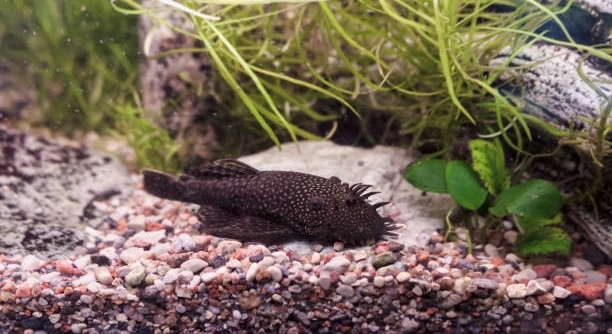
Many fish enthusiasts enjoy keeping plecos in their aquariums. These fish are known for their unique appearance and helpful algae-eating habits. However, it’s important to understand the proper tank size and conditions for them to thrive.
It is not recommended to keep two plecos in a 30-gallon tank, as they require ample space to grow and establish their territories. Plecos can become territorial, and overcrowding may lead to stress, aggression, and stunted growth.
Understanding tank dynamics, space requirements, and pleco behavior can help you create a healthy environment for your fish. Keep reading to find out more.
Space Requirements for Plecos
Plecos are known to grow large, especially species like the common pleco. While a 30-gallon tank might be suitable for young plecos, they can eventually outgrow it. A pleco can reach up to 24 inches in length, making it challenging to keep two in a 30-gallon tank. They need plenty of space to swim, explore, and establish their own territory. Overcrowding can result in poor water quality, which leads to stress, illness, and aggression.
The recommended tank size for one adult pleco is at least 75 gallons. For two, you should consider a tank of at least 100 gallons. This ensures that both fish have the room they need to thrive without constantly competing for space and resources. With more space, plecos will be able to live more comfortably and maintain their health.
If you’re set on having multiple plecos in your tank, think about choosing smaller species, such as the bristlenose pleco. These fish are much smaller and can comfortably live in a 30-gallon tank. However, even then, it’s best to only keep one per tank to avoid territorial disputes.
Territorial Behavior
Plecos can be territorial, especially when they feel crowded.
Territorial disputes can be quite common when two plecos are placed in a small tank. They might fight over hiding spots, food, or other resources. As a result, one pleco may become stressed or injured. It’s important to provide hiding spaces to help them feel secure. Plecos naturally like to hide during the day, so having caves or driftwood is crucial for their well-being. These items give them a place to retreat and reduce aggression. Without these hiding spots, your plecos could end up constantly fighting for space, leading to stress and possible injury.
Water Quality and Maintenance
Keeping two plecos in a 30-gallon tank could cause water quality problems. Plecos are waste producers, and in a small tank, this can quickly lead to higher levels of ammonia and nitrates. Regular water changes become even more important.
In a small tank, the bioload from two plecos can overwhelm the filtration system. As plecos grow, they produce more waste, increasing the need for efficient filtration and frequent water changes. You would need to test the water regularly for ammonia, nitrites, and nitrates to ensure the water stays safe for your plecos. Over time, poor water quality can lead to health problems like fin rot or other diseases. If you can’t keep up with the maintenance required for two plecos, it’s best to avoid overcrowding the tank.
To maintain clean water, you may also need to upgrade the filtration system. A high-quality filter that can handle a larger tank will ensure that waste is broken down efficiently. Without proper filtration and regular care, your plecos could struggle to survive in an overcrowded tank.
Pleco Species to Consider
Certain pleco species are smaller and better suited for a 30-gallon tank.
If you’re determined to keep plecos in a 30-gallon tank, choosing smaller species is the way to go. The bristlenose pleco is an excellent choice, as it only grows up to 5-6 inches. This species is easier to accommodate in a smaller space. They’re also known for being less territorial than larger plecos, reducing the risk of conflict.
Other species like the clown pleco or the rubber lip pleco are also good alternatives. Both grow to a manageable size and can adapt well to smaller tanks. When selecting a pleco species, always research their specific care needs and growth potential. Larger species like the common pleco, however, should be avoided in smaller tanks. A smaller pleco will thrive with proper care, including clean water, adequate hiding spaces, and a balanced diet.
Tank Mates for Plecos
Choosing the right tank mates for plecos is crucial to avoid stress. Since plecos are generally peaceful, they can coexist with many other species, but crowding should be avoided. Aggressive fish could cause harm or stress.
Small, peaceful fish like tetras or guppies are good choices. Avoid placing plecos with highly territorial or aggressive fish, as this can lead to constant stress and potential fights. It’s important to consider each fish’s personality and size before introducing them to the tank. Ensuring proper space and a peaceful environment will help everyone thrive.
Feeding Plecos
Plecos are primarily herbivores, but they will eat a variety of foods, including algae wafers and vegetables. Providing a balanced diet is key to their health.
In addition to algae, you should feed your plecos fresh vegetables such as zucchini, cucumber, or spinach. They also appreciate occasional protein-based food like shrimp or fish pellets. The key is offering a variety of foods that meet their nutritional needs. Overfeeding can lead to poor water quality, so be sure to remove uneaten food after a few hours to maintain a clean tank.
FAQ
Can I keep two plecos in a 30-gallon tank?
It’s not recommended to keep two plecos in a 30-gallon tank, especially if they are larger species like the common pleco. These fish require a lot of space to swim and establish territories. Overcrowding can lead to stress, aggression, and poor water quality. A 30-gallon tank is more suitable for a single pleco or smaller species such as the bristlenose pleco.
What is the minimum tank size for plecos?
The minimum tank size for a pleco depends on the species. A common pleco requires at least a 75-gallon tank, while smaller species like the bristlenose pleco can live in a 30-gallon tank. Larger plecos, like the sailfin pleco, should have at least a 100-gallon tank. Ensure your tank is large enough to accommodate their growth and territorial needs.
Can plecos live with other fish?
Plecos are generally peaceful and can live with other fish, as long as their tank mates are not overly aggressive. Small, non-territorial fish such as tetras, guppies, or peaceful cichlids make good companions. Avoid housing plecos with aggressive or territorial fish, as they may fight or stress each other out.
Do plecos need a filter?
Yes, plecos require a good filtration system due to the waste they produce. Plecos are known for generating a lot of waste, and without proper filtration, the water can quickly become polluted, leading to poor water quality and health problems. A strong filter is necessary to keep the tank clean and maintain proper water conditions.
How often should I change the water in a pleco tank?
Water changes should be done regularly to keep the tank clean. For a tank with one pleco, aim for a 25-30% water change every week. If you have more plecos or a heavily stocked tank, you may need to change the water more often. Regular water changes help maintain a stable environment and prevent the buildup of harmful toxins.
What do plecos eat?
Plecos are primarily herbivores, but they will also eat small amounts of protein. They mainly consume algae, but you should supplement their diet with algae wafers, vegetables like zucchini, cucumber, or spinach, and occasionally protein-rich food like shrimp or fish pellets. Feeding a variety of foods ensures that they get all the nutrients they need.
Do plecos need hiding spots?
Yes, plecos are shy and enjoy having hiding spots. Providing caves, driftwood, or other decorations that create hiding spaces is essential for their well-being. These spots allow them to feel safe and reduce stress, especially during the day when they prefer to rest. It also helps prevent territorial disputes.
What is the lifespan of a pleco?
The lifespan of a pleco depends on the species. Smaller species like the bristlenose pleco typically live for 10-12 years, while larger species like the common pleco can live for 15-20 years. Proper care, including clean water, a good diet, and appropriate tank mates, can help your pleco live a long, healthy life.
Can plecos survive without a heater?
Plecos are tropical fish and prefer warmer water temperatures. While some species may tolerate cooler water, it’s recommended to provide a heater to maintain a temperature range of 75-80°F (24-27°C). This ensures they stay healthy and active. In cooler environments, plecos may become stressed or susceptible to illness.
Do plecos need UV light?
While plecos do not require UV light, they do benefit from natural light or subdued aquarium lighting. UV light can help encourage the growth of algae in the tank, which plecos like to graze on. However, make sure the lighting is not too intense, as excessive light can lead to algae overgrowth and water quality issues.
Why is my pleco not eating?
There can be several reasons why a pleco isn’t eating. Stress, water quality issues, or illness can affect their appetite. Check the water parameters to ensure they are within the proper range and that the tank is clean. If the pleco has been stressed by tank mates or poor hiding spots, it may stop eating as well. If symptoms persist, consider consulting a vet.
Can plecos be kept in a tank with plants?
Yes, plecos can be kept in tanks with plants, and they can actually benefit from the presence of live plants. They help maintain a natural, balanced ecosystem. However, some plecos, especially larger species, may uproot or damage plants while looking for food. Smaller plecos are less likely to harm plants.
How do I know if my pleco is stressed?
Signs of stress in plecos include hiding excessively, loss of appetite, abnormal swimming behavior, and rapid gill movement. Stress can be caused by overcrowding, poor water quality, or aggressive tank mates. Keeping the tank clean, ensuring adequate space, and providing proper care can help reduce stress levels.
Do plecos need a lot of oxygen?
Plecos do require oxygen, but they are not as oxygen-demanding as some other fish. A well-maintained tank with good water movement and filtration should provide adequate oxygen for plecos. In smaller tanks with poor water circulation, however, adding an air stone can help ensure there’s enough oxygen for your pleco.
Are plecos nocturnal?
Yes, plecos are nocturnal. They are more active at night when the lights are off and the tank is quieter. During the day, they usually rest in their hiding spots. It’s important to allow plecos to have a quiet environment where they can retreat during daylight hours to feel secure.
Final Thoughts
When considering keeping plecos in a 30-gallon tank, it’s important to think about their size, space needs, and the overall balance of your tank. Plecos, especially larger species like the common pleco, require more space than a 30-gallon tank can offer as they can grow up to 24 inches in length. Overcrowding in a small tank can lead to stress, aggression, and poor water quality, which affects the health of your plecos. If you want to keep multiple plecos, it’s better to provide them with more space to thrive, ideally in tanks 75 gallons or larger. However, there are smaller species like the bristlenose pleco that can do well in smaller tanks, making them a better fit for a 30-gallon setup.
The key to a healthy pleco tank lies in maintaining good water quality. Plecos produce a lot of waste, which can quickly pollute a small tank, leading to high levels of ammonia and nitrates. Regular water changes and a strong filtration system are essential to prevent water quality issues. Without proper filtration and maintenance, your plecos may face health problems such as fin rot or stress-related issues. If you choose to keep plecos in a 30-gallon tank, consider the number of plecos you’re keeping, how often you’re changing the water, and the type of filtration system you have in place. These factors will determine how well your plecos adjust to their environment.
In the end, it’s all about choosing the right species for the space you have and making sure their needs are met. While larger plecos might need bigger tanks, smaller species can thrive in a 30-gallon tank as long as they have enough hiding spots, proper food, and space to move. Keeping one pleco in a 30-gallon tank is typically manageable, but if you want to add another, it’s better to upgrade the tank size or consider smaller pleco species. By understanding their needs and providing the proper care, you can ensure that your plecos live a healthy and happy life in your aquarium.

Hello,
If you enjoy the content that we create, please consider saying a "Thank You!" by leaving a tip.
Every little bit helps us continue crafting quality advice that supports the health, happiness, and well-being of pets around the world, for pets of all shapes, sizes, and species.
We really appreciate the kindness and support that you show us!