
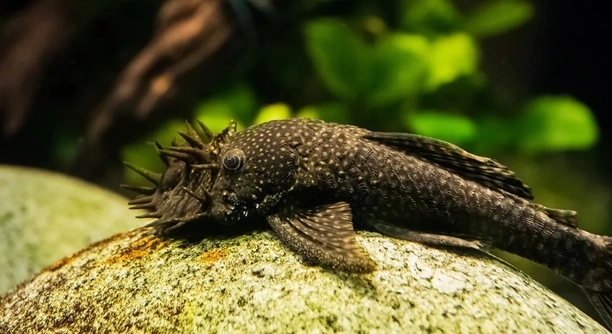
Some fishkeepers wonder about adding a pleco to their tank with baby fish. It’s a common question, especially for those wanting to create a peaceful aquatic environment for all species involved.
In general, plecos can coexist with baby fish if proper care is taken, such as ensuring adequate hiding spots for the fry and avoiding aggressive pleco species. It’s crucial to monitor the tank closely to prevent any harm to the baby fish.
By understanding the interactions between plecos and baby fish, you can create a balanced and safe aquarium environment. This article will explore the factors you need to consider when keeping these species together.
Can Plecos Eat Baby Fish?
Plecos are herbivores, and most species primarily feed on algae and plant matter. However, some species may also consume small fish if given the chance, especially if food is scarce. Plecos tend to be bottom dwellers and are less likely to chase after baby fish. But it’s still important to be cautious, as baby fish can sometimes be mistaken for food.
Although plecos are generally peaceful, they may nibble on baby fish if they are weak or struggling. In most cases, they are more likely to graze on algae and other plant-based matter. It’s always a good idea to feed plecos enough so they are not tempted by the fry.
To reduce the risk of harm to baby fish, make sure the tank has plenty of hiding spots, plants, and decorations. This will give the fry a safe place to escape if needed. Additionally, having a balanced diet for all the fish in the tank can prevent any aggressive behavior toward the young fish.
Pleco Size and Tank Environment
The size of your pleco is an important factor when considering tank compatibility with baby fish. Some plecos, like the common pleco, grow large and may unintentionally harm smaller fish. This makes it essential to choose species that won’t outgrow the tank.
As plecos grow larger, their tank space needs increase. Larger plecos can dominate a small tank, making baby fish feel threatened. A spacious tank with plenty of plants and hiding spots will help alleviate this issue. Keep in mind that even if the pleco isn’t aggressive, its large size and territorial nature could stress out baby fish.
Feeding Plecos and Baby Fish Together
Feeding your pleco and baby fish together can be tricky. Plecos will often look for food at the bottom of the tank, which can result in them accidentally eating baby fish if food is scarce. To avoid this, make sure both types of fish have enough food.
To keep both the pleco and baby fish fed without competition, use feeding stations or place food in different areas of the tank. This way, the pleco can access its algae wafers or vegetables, while the fry can feed on smaller particles or fry food. Also, try to add enough plant matter for the pleco to graze on so it doesn’t get too hungry.
Ensure the baby fish are getting their required nutrients by offering appropriate food such as infusoria or baby fish flakes. By carefully monitoring feeding habits and ensuring adequate food for both, you reduce the risk of plecos going after the fry.
Tank Maintenance and Water Quality
Water quality plays a crucial role in keeping both plecos and baby fish healthy. Poor water conditions can lead to stress, making both species more vulnerable to aggression or health problems. Regular water changes and monitoring water parameters are key to creating a safe environment for everyone.
Plecos are known to produce a fair amount of waste, which can degrade water quality. Baby fish are even more sensitive to changes in their environment, so it’s important to maintain clean water. Install a reliable filtration system that can handle the load of both the pleco and fry. Also, monitor the water’s temperature, pH, and ammonia levels to ensure they are within safe ranges for both species.
Frequent water testing and cleaning can go a long way in preventing water issues. Proper maintenance makes for a better chance that your pleco and baby fish will thrive together. A healthy environment minimizes the risk of the pleco harming the fry or stress affecting the fish.
Pleco Behavior Around Baby Fish
Plecos are usually peaceful, but their behavior can vary depending on the species. Some plecos may show curiosity toward baby fish, which could lead to the fry being accidentally harmed. Keeping an eye on their interactions is essential to ensure safety.
If your pleco becomes overly curious or displays any aggression, it’s best to separate the baby fish from the pleco. As bottom dwellers, plecos may not actively chase after fry, but they may come into contact with them if the babies are weak or in the open.
Providing plenty of plants and hiding spots can reduce the chances of the pleco disturbing the fry. Even though plecos are not typically aggressive, they can cause unintentional harm in a crowded tank.
Tank Mates to Avoid with Baby Fish
When considering tank mates for your pleco and baby fish, some species are best avoided. Large or aggressive fish can stress out the fry and disrupt the peaceful environment. Opt for smaller, peaceful fish that will not compete with or intimidate the young ones.
Species like goldfish or cichlids are generally unsuitable tank mates for baby fish, as they can be too predatory or territorial. It’s better to choose species that are calm and non-aggressive, which will minimize the chances of harm to your baby fish. A peaceful tank ensures a safer environment for everyone.
The Right Pleco Species for Baby Fish Tanks
Not all plecos are suited for tanks with baby fish. Smaller species like the bristlenose pleco are a better option for fry tanks since they stay smaller and are typically less aggressive. Larger plecos may become a risk as they grow.
When selecting a pleco, consider its size, temperament, and activity level. A bristlenose pleco, for example, is peaceful, grows to a manageable size, and spends most of its time on the tank’s bottom. This makes it a safer choice for tanks with baby fish, as it will not disturb the fry as much.
FAQ
Can plecos live with baby fish?
Yes, plecos can live with baby fish under the right conditions. Plecos are generally peaceful, but their behavior may depend on the species. Some plecos, especially larger ones, may unintentionally harm baby fish, either by being too curious or by accidentally bumping into them. To ensure the safety of baby fish, it’s important to provide plenty of hiding spaces and to choose the right pleco species. Smaller, more peaceful species, like the bristlenose pleco, are better suited for tanks with baby fish.
Will plecos eat baby fish?
In most cases, plecos do not actively hunt baby fish. However, they may nip at weak or struggling fry if they are hungry or if food is scarce. Plecos are primarily herbivores, and their diet consists mainly of algae and plant matter. Nonetheless, in some situations, they may mistake baby fish for food, especially if the fry are very small or vulnerable. Ensuring that the pleco is well-fed with enough plant matter can reduce the likelihood of this behavior.
What pleco species are best for baby fish?
Smaller and more peaceful pleco species, such as the bristlenose pleco, are the best choices for baby fish tanks. These species grow to a manageable size and have a more docile temperament. Bristlenose plecos, for example, are bottom dwellers and spend most of their time grazing on algae, so they are less likely to disturb baby fish. Larger pleco species, like the common pleco, may become a risk as they grow and could harm the fry due to their size or territorial nature.
Do plecos need special care when living with baby fish?
Plecos don’t require special care when living with baby fish, but their tank environment should be carefully managed. It’s important to ensure that the water quality is excellent and that the tank is large enough to accommodate both the pleco and the baby fish. Regular water changes and proper filtration are crucial to maintain a healthy environment for all the fish. Providing enough food for both the pleco and the baby fish will help avoid competition and aggression.
How can I prevent plecos from harming baby fish?
To prevent plecos from harming baby fish, focus on tank setup and behavior monitoring. First, make sure there are plenty of hiding spots in the tank where the baby fish can retreat to if needed. Plants, rocks, and decorations can create safe spaces for the fry. Also, avoid overcrowding the tank, as this increases stress and the chance of unintentional harm. Monitor the pleco’s behavior closely, and consider separating the baby fish if you notice any signs of aggression.
Are plecos compatible with other baby fish species?
Plecos can live with other baby fish species as long as those species are not overly aggressive or too large. Peaceful species such as guppies, tetras, or small livebearers generally do well with plecos. However, larger or more territorial fish, like cichlids or goldfish, may pose a threat to baby fish and should be avoided. It’s important to choose tank mates that are peaceful and won’t intimidate or harm the fry.
How can I provide enough food for both plecos and baby fish?
To feed both plecos and baby fish properly, it’s important to provide different types of food for each. Plecos primarily eat algae, so make sure you have enough plant matter in the tank, such as algae wafers or fresh vegetables like zucchini. For baby fish, offer appropriate food like infusoria, baby fish flakes, or live food such as brine shrimp. By placing food in different areas of the tank, you can ensure that both the pleco and baby fish are getting enough to eat without competition.
Do plecos grow large enough to harm baby fish?
Yes, some plecos can grow large enough to pose a risk to baby fish. For example, the common pleco can reach sizes of up to 24 inches, which could unintentionally harm smaller fry due to its large size or territorial nature. This is why it’s important to choose smaller pleco species that are less likely to grow too large for the tank, such as the bristlenose pleco. These smaller plecos are better suited for tanks with baby fish.
Can plecos live in a tank with very small baby fish?
It’s possible for plecos to live in a tank with very small baby fish, but extra caution is needed. If the baby fish are particularly small or newly hatched, they may be vulnerable to being accidentally harmed by the pleco. In this case, providing plenty of hiding spaces and making sure the pleco is well-fed can help reduce the risk. Consider using a breeding net or separate enclosure for the fry until they are large enough to avoid being harmed by the pleco.
Do plecos eat the eggs of baby fish?
Most plecos do not eat the eggs of other fish, as they are not typically carnivores. Plecos are more interested in algae, detritus, and plant matter. However, if the baby fish eggs are left in a tank with no other food source, the pleco may nibble at them out of curiosity. To protect eggs, it’s recommended to remove them from the main tank and place them in a separate breeding tank or container, ensuring the eggs are kept safe until they hatch.
How can I create a safe tank environment for both plecos and baby fish?
Creating a safe tank environment for both plecos and baby fish involves careful planning. Start by choosing a suitable pleco species that won’t grow too large or aggressive. Set up the tank with plenty of hiding spots for the baby fish to retreat to, and ensure there are no sharp objects or large decorations that could harm the fry. Make sure the water quality is consistently high and monitor the temperature and pH to keep both species comfortable. With the right setup, both plecos and baby fish can thrive together.
Final Thoughts
When it comes to keeping plecos with baby fish, the key is understanding the needs of both species and creating the right environment for them to coexist. While plecos are generally peaceful, their size and feeding habits can sometimes lead to unintentional harm to the fry. Smaller pleco species, such as the bristlenose pleco, are usually a better choice for tanks with baby fish because they stay smaller and are less likely to disrupt the fry. It’s important to ensure that your tank has enough hiding spots and plant matter to provide a safe space for the baby fish.
Tank conditions play a significant role in keeping both plecos and baby fish healthy. Maintaining good water quality, temperature, and providing proper filtration are essential for the well-being of both species. Plecos are known to produce a lot of waste, so frequent water changes and monitoring ammonia levels are crucial. Keeping the tank clean not only reduces stress for the baby fish but also ensures the pleco can thrive. Additionally, feeding the pleco enough algae and plant matter can reduce its curiosity toward the baby fish and keep it satisfied.
In summary, while plecos can live with baby fish, it’s important to take proactive steps to minimize any risks. Choosing the right pleco species, creating a safe environment with plenty of hiding spots, and maintaining excellent water quality are key factors in ensuring that both the pleco and baby fish can coexist peacefully. By carefully monitoring their behavior and providing enough food for both, you can create a balanced and harmonious tank where both species can thrive.

Hello,
If you enjoy the content that we create, please consider saying a "Thank You!" by leaving a tip.
Every little bit helps us continue crafting quality advice that supports the health, happiness, and well-being of pets around the world, for pets of all shapes, sizes, and species.
We really appreciate the kindness and support that you show us!