
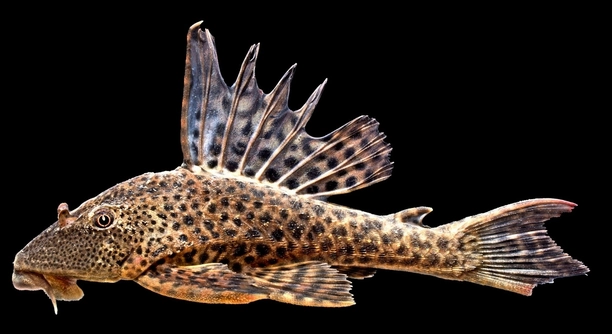
Plecos and crayfish are both popular aquarium pets, known for their unique behaviors and appearance. Many fish enthusiasts often wonder whether these two species can coexist peacefully in a shared tank.
Although plecos and crayfish can technically live in the same tank, it’s crucial to understand their behavior. Plecos are peaceful bottom dwellers, while crayfish are more aggressive and may attempt to attack the pleco, especially when they molt.
Knowing how these two species interact is essential for a successful tank setup. This article will explore the compatibility of plecos and crayfish in more detail.
Can Plecos and Crayfish Live Together?
When it comes to keeping plecos and crayfish together, several factors must be considered. Plecos, particularly the popular species like the common pleco, are generally peaceful fish. They prefer to stay at the bottom of the tank, often hiding in caves or behind decorations. Crayfish, on the other hand, are more territorial and can be quite aggressive, especially when they are molting or during feeding times. This behavior can lead to conflict, as crayfish might try to attack or bully the pleco.
Even though plecos are peaceful creatures, their size and armored bodies can sometimes give them a better chance of avoiding aggression from crayfish. However, this is not always guaranteed. The risk of injury or stress is high, as crayfish will sometimes harass plecos if given the opportunity. It’s important to monitor their interactions closely, especially in a shared tank with limited hiding spots.
Choosing the right tankmates for plecos and crayfish is crucial. In some cases, it may be best to separate them or provide a large enough tank with plenty of hiding spots for both species. This will give each animal the space they need to thrive without constant confrontation.
Tank Setup for Plecos and Crayfish
A well-planned tank setup is essential for reducing potential aggression. A tank that is spacious with plenty of hiding spots will give both the pleco and the crayfish a sense of security.
It’s also important to include decorations that are easy to rearrange. This allows both animals to create their own territories. The pleco will appreciate the hiding spots, while the crayfish can retreat to a separate area when needed. Moreover, a tank with multiple levels or vertical space is helpful, as plecos tend to be bottom dwellers, while crayfish like to climb and explore different areas of the tank. Providing these different zones can ease tension between the two species.
Behavior Differences Between Plecos and Crayfish
Plecos are calm and mostly stay hidden, focusing on grazing algae and cleaning the tank. They’re more passive and tend to avoid confrontation. Crayfish, however, are territorial and can be aggressive, especially when it comes to defending their space or food.
Because of this difference, plecos may not stand up to the more aggressive behavior of crayfish. Crayfish can also become more aggressive during molting, which is when they shed their old exoskeleton. At this time, they are vulnerable, and plecos may not recognize this and could be targeted. Plecos should be able to retreat to their hiding places to avoid this, but only if they have enough space.
To minimize the risk of aggression, it’s important to provide enough hiding spaces for both species. This reduces stress and gives each animal a safe spot to retreat to. Without these safe zones, the interaction between plecos and crayfish can become dangerous for both.
Managing Tankmates with Crayfish
Crayfish are not the easiest animals to keep with other species. They are known for their aggressiveness and will likely attack any tankmate that gets too close. The size and temperament of the other species are essential factors to consider.
While plecos are less aggressive, they can still become stressed if a crayfish constantly invades their space or attacks them. Over time, the stress can lead to health issues for the pleco, including a weakened immune system or a shortened lifespan. To avoid this, it’s a good idea to choose tankmates that can defend themselves if necessary or create a buffer between the pleco and crayfish.
In addition, crayfish can be prone to aggression during feeding time, so it’s important to ensure they’re not overly territorial around food. Ensuring enough space for each animal to eat separately can minimize conflict and help maintain a peaceful tank environment.
Risks of Keeping Plecos and Crayfish Together
The main risk when keeping plecos and crayfish together is the possibility of aggression. Crayfish may view plecos as a threat or prey, especially if the pleco is smaller or in a vulnerable state. This can lead to injury or even death.
Another risk is the stress that results from constant tension. Plecos may become stressed by the crayfish’s territorial behavior, which could weaken their immune system. Long-term stress can also cause plecos to stop eating, affecting their health. Both animals need a peaceful environment to thrive, which can be hard to achieve in a shared tank.
Crayfish are known for being opportunistic feeders, and they may try to pinch the pleco if the fish gets too close during feeding. This behavior can result in physical harm, and the pleco could also become stressed from constantly trying to avoid the crayfish’s reach.
Pleco and Crayfish Tank Size
The size of the tank plays a crucial role in whether plecos and crayfish can coexist. A larger tank with plenty of space helps reduce territorial disputes, giving both species room to move freely.
In a small tank, however, plecos and crayfish might constantly cross paths, leading to increased stress. Ideally, the tank should be at least 30 gallons to ensure that both species have enough space. Having extra hiding spots and separate areas within the tank can also help each animal feel secure. The more room you can give them, the better their chances for peaceful coexistence.
Providing Hiding Spots for Both Species
Hiding spots are essential for the well-being of both plecos and crayfish. Plecos enjoy hiding in caves, plants, and behind decorations to feel secure, while crayfish need hiding spots to avoid confrontations with other tankmates.
Providing multiple hiding spots is the key to keeping these two species in a shared tank. This will allow each animal to have its own safe space, reducing the chances of aggression. Adding plants, rocks, or driftwood to the tank gives both animals the option to retreat when necessary. It’s important that both species feel they have enough personal space to avoid conflict.
FAQ
Can plecos and crayfish coexist in the same tank?
Yes, plecos and crayfish can live together in the same tank, but it’s not always ideal. Crayfish tend to be more aggressive and may harm plecos, especially during molting or feeding times. Plecos are peaceful creatures, but they can become stressed if they feel threatened by a crayfish. It’s essential to monitor their behavior closely and provide enough hiding spots for both species to reduce tension. If you do keep them together, make sure the tank is large enough and well-planted to provide ample space for both animals.
What are the best tank conditions for plecos and crayfish?
Both plecos and crayfish thrive in tanks with stable water conditions. A tank temperature between 70°F and 78°F is suitable for both species. Water hardness should range from 6 to 10 dGH, and the pH should be between 7.0 and 8.0. It’s crucial to maintain a clean tank with proper filtration since both animals can produce a significant amount of waste. Regular water changes are necessary to keep the environment healthy for both species. The tank should also include plenty of hiding spots, rocks, and plants to give each animal a place to retreat.
Do plecos and crayfish eat the same food?
Plecos are primarily herbivores, feeding on algae and vegetables, but they may also eat detritus and leftover food. Crayfish, on the other hand, are omnivores and will consume a variety of foods, including small fish, plants, and invertebrates. While both species may scavenge for food, their diets differ. Plecos should be provided with algae wafers, blanched vegetables, and some protein-rich foods, while crayfish can be fed a mix of plant material, sinking pellets, and occasional protein sources like shrimp. It’s essential to feed them separately to ensure both species get the right nutrients and reduce competition.
How can I tell if my pleco is stressed by the crayfish?
A stressed pleco may show signs such as hiding more frequently, not eating, or displaying erratic swimming behavior. You might also notice that the pleco is constantly fleeing or staying at the top of the tank to avoid the crayfish. If the pleco’s fins are damaged or it seems to be losing weight, this may be a sign of aggression from the crayfish. It’s important to monitor the pleco’s behavior closely and check for any signs of physical harm or stress. Providing extra hiding spots and rearranging the tank may help reduce stress.
What should I do if the crayfish is attacking the pleco?
If a crayfish is attacking the pleco, you should immediately intervene by separating them. Move the pleco to a different tank or create a barrier within the tank to keep the two species apart. In some cases, it may be necessary to rehome one of the animals to prevent further stress or injury. Additionally, ensure the tank is large enough and provides adequate hiding spots for both species to reduce aggression. If possible, try to keep the crayfish well-fed and distracted to prevent it from being overly territorial.
Can plecos and crayfish live together in a smaller tank?
A smaller tank increases the risk of aggression and stress for both species. In a cramped space, plecos and crayfish may not have enough room to establish their own territories, which can lead to constant conflict. While it’s possible for them to live together in a smaller tank, it’s not recommended. A tank of at least 30 gallons is ideal for keeping both species, as it gives them enough space to thrive and reduces the likelihood of aggression. The larger the tank, the more hiding spots and territories can be created, improving the chances of peaceful coexistence.
Are there any pleco species that are better suited for tankmates like crayfish?
Some pleco species are more resilient than others when it comes to tankmates. For example, the bristlenose pleco is smaller and more agile, which might help it avoid crayfish aggression better than larger species like the common pleco. However, regardless of the pleco species, providing enough hiding spots and a large tank is crucial for reducing the risk of aggression. Smaller plecos might also be more vulnerable to being attacked by crayfish, especially if the crayfish is larger and more aggressive. The key is to ensure both species have the space and safety they need to coexist.
Can a pleco defend itself from a crayfish?
While plecos are generally peaceful and don’t tend to fight back, their armor-like body can provide some protection from crayfish attacks. However, plecos are not equipped to defend themselves aggressively against a crayfish. Crayfish have strong pincers and will typically try to use these to grab or pinch the pleco. If the pleco is small or unable to escape, it could suffer injury. Plecos may have some ability to avoid confrontation by hiding, but without enough space or hiding spots, they are more vulnerable to crayfish aggression.
What are some good alternatives to keeping plecos and crayfish together?
If you want to keep a pleco and crayfish but are worried about aggression, consider separating them into different tanks or providing a species-specific setup. For example, you could keep a pleco with other peaceful fish species that won’t threaten it, such as tetras or gouramis. Alternatively, crayfish can be kept with other species of fish that are more robust or territorial, like cichlids. Choosing tankmates that can defend themselves will reduce the chances of aggression and create a more balanced ecosystem for all animals involved.
How do I provide enough hiding spots for both plecos and crayfish?
To provide enough hiding spots, use a variety of tank decorations like rocks, driftwood, caves, and plants. Both plecos and crayfish need a safe space to retreat to when they feel threatened. The more hiding spots available, the less likely the pleco and crayfish will have to confront each other. Be sure to arrange the tank in a way that creates distinct areas for each species to retreat to. The use of tall plants and large rocks can also help create vertical space, which is essential since plecos typically stay on the bottom while crayfish like to explore higher levels.
Final Thoughts
When it comes to keeping plecos and crayfish together, the situation requires careful consideration. These two species have very different needs and behaviors, which can make cohabitation a bit tricky. Plecos are peaceful bottom dwellers that enjoy calm, stable environments with plenty of hiding spots. Crayfish, on the other hand, are more active and territorial creatures that can sometimes show aggressive behavior, especially towards smaller tankmates. Understanding these differences is key when deciding whether they should share the same tank.
If you choose to keep both plecos and crayfish together, it’s crucial to provide a large tank with plenty of hiding places. The size of the tank is important because it allows both species to establish their own territories and reduces the likelihood of conflict. In addition, adding plants, rocks, and caves can help create separate spaces for each animal, minimizing the chances of aggression. It’s also essential to monitor the behavior of both species closely. If you notice that one is being stressed or harmed, you may need to separate them for their safety and well-being.
Ultimately, the decision to keep plecos and crayfish together depends on the specific conditions of your tank and the behavior of the animals involved. In some cases, they may peacefully coexist, but in others, the crayfish might be too aggressive for the pleco to feel comfortable. It’s important to be prepared to intervene if necessary, whether by rearranging the tank or moving one of the animals to a different tank. Keeping both species requires careful management, but with the right setup and attention, they can live together peacefully.

Hello,
If you enjoy the content that we create, please consider saying a "Thank You!" by leaving a tip.
Every little bit helps us continue crafting quality advice that supports the health, happiness, and well-being of pets around the world, for pets of all shapes, sizes, and species.
We really appreciate the kindness and support that you show us!