
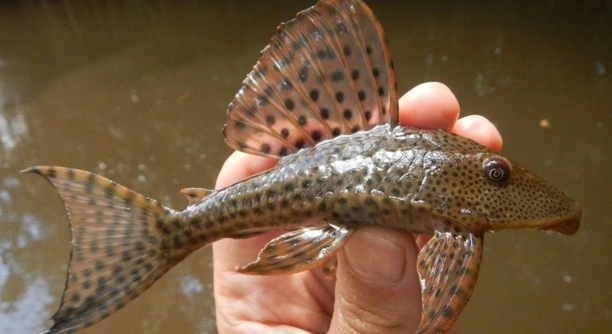
Do you ever find yourself setting up a beautiful planted tank, only to wonder if adding a pleco might cause problems?
Plecos can be kept in planted tanks, but only if the species is compatible with live plants and the tank setup meets their needs. Some plecos may uproot plants or damage delicate leaves while searching for food.
From understanding the behavior of different pleco types to selecting sturdy plants that can handle their activity, there are several key points to consider before making this decision.
Understanding Pleco Behavior in Planted Tanks
Plecos are known for their algae-eating habits, which can make them seem like a perfect match for a planted aquarium. However, not all plecos behave the same way. Some species grow large and become more active, which might disturb your tank’s layout or uproot delicate plants. Others, like the Bristlenose pleco, are smaller and gentler with live plants. It’s also important to know that while they eat algae, plecos still need other food sources, like wafers and vegetables. Without a balanced diet, they may start nibbling on soft leaves. Their natural digging behavior can also cause damage if the tank isn’t designed with this in mind. Consider the substrate, plant choices, and layout when adding a pleco to your planted setup. Rocks, driftwood, and sturdy plants will help keep both the fish and the environment balanced without too much disruption.
Some plecos may behave calmly, while others can make a planted tank feel messy quickly.
If you’re set on keeping a pleco, it’s best to pick hardy plant species that can handle activity around their roots. Anubias, Java Fern, and Amazon Swords are solid choices because they can be attached to hard surfaces, making them harder to uproot. Avoid delicate carpeting plants or those with weak root systems unless they’re fully established and well anchored. A sandy or fine gravel substrate can also reduce the chance of plant damage from digging. You might also want to limit bottom dwellers if you notice too much disruption in one area. Placing rocks and driftwood around the plants gives plecos places to rest and graze without disturbing roots. Observing your pleco’s behavior early on will help you adjust the tank setup and prevent long-term issues.
Picking the Right Pleco for Your Setup
Smaller pleco species are more manageable and less likely to disturb planted tanks compared to their larger relatives.
Some plecos, like the Common Pleco, grow too large for most home aquariums and will likely knock over decorations and uproot plants. These types also produce a lot of waste, which affects water quality and can make plant care harder. In contrast, Bristlenose, Clown, and Rubber Lip plecos are smaller, with calmer habits and more suitable sizes for planted tanks. They are also easier to feed and maintain without causing problems. When selecting a pleco, check the adult size and tank requirements. A 20 to 30-gallon tank is fine for small plecos, but larger species need over 75 gallons. Temperature and pH should also match both the plants and fish. Clean water and stable conditions will help your pleco stay healthy and reduce the chance of unwanted behavior. With the right planning, your planted tank can support both thriving plants and a happy pleco.
Feeding Your Pleco in a Planted Tank
Many people think plecos only eat algae, but that’s not enough for their health. A balanced diet is key to keeping them from nibbling on your live plants.
Plecos need more than just algae to stay healthy. While they may graze on tank surfaces, they should also be fed algae wafers, blanched vegetables like zucchini or cucumber, and occasional protein sources like shrimp pellets. Feeding them properly helps reduce the chance of them turning to your plants as an extra food source. Feed at night or when lights are dim since most plecos are more active then. Be sure to remove uneaten food within a few hours to keep the tank clean. Consistent feeding helps your pleco develop a routine, which is helpful in maintaining harmony with your plants and other tank inhabitants.
If your pleco isn’t getting enough food, it may start eating plant leaves or digging more aggressively. This behavior often shows up when there’s a lack of variety or enough nutrition in its diet. Even with algae present, it’s rarely enough to meet their needs, especially in a clean tank. Over time, a hungry pleco can cause visible damage to broad-leaved plants or freshly rooted stems. If you notice this, increase feeding frequency or adjust the food types. Try offering vegetables clipped to the side of the tank or weighed down near resting spots. Monitoring your pleco’s feeding behavior is a good way to spot early signs of issues and make changes before your plants suffer too much.
Managing Tank Conditions for Plant and Pleco Health
Stable water conditions are important for both plants and plecos. Spikes in ammonia or nitrites can stress your pleco and weaken your plants.
Keep the temperature steady, ideally between 72°F and 82°F, depending on your pleco species. pH levels should stay within 6.5 to 7.5 for most planted tanks. Too much waste from a pleco can raise ammonia, so a good filtration system is a must. Weekly water changes of 20–30% help maintain clean water and lower excess nutrients that might encourage algae growth. Avoid overfeeding to keep waste levels manageable. Use a gravel vacuum during cleaning to remove hidden debris in the substrate without disturbing plant roots. If you have CO₂ injection for your plants, monitor levels closely—some plecos may be sensitive to fluctuations. Light levels should be balanced so algae doesn’t grow faster than your pleco can manage. By controlling these key factors, both your plants and pleco can thrive in the same environment.
Choosing Plants That Can Handle Plecos
Go for sturdy plants that can be tied to rocks or wood. Java Fern, Anubias, and Bolbitis are good options because they don’t need to be planted in the substrate.
Avoid fragile or soft-leaved plants like Cabomba or Baby Tears. These types can be easily damaged or uprooted during feeding or movement.
Watching for Signs of Stress or Damage
If your plants look chewed or keep floating to the top, your pleco might be causing trouble. You may also notice browning leaves or exposed roots, which can mean they’re being disturbed too often. Watch your pleco’s behavior at night if possible, as that’s when most damage usually happens.
Adjusting as Needed
If things aren’t working, try switching to tougher plants or moving decorations to create more hiding spots. Small changes often make a big difference.
FAQ
Can I keep a pleco with all types of plants?
Not all plants are suitable for plecos. Some plecos, especially larger ones, can uproot or damage delicate plants while foraging for food. Plants like Java Fern, Anubias, and Amazon Swords are good choices because they can be attached to rocks or driftwood. Avoid carpeting plants or any plants with weak roots, as these are more likely to be disturbed by plecos. Choosing sturdy plants that can withstand light activity is essential for a healthy tank environment.
Will a pleco eat my plants?
It depends on the species and diet of the pleco. Plecos are generally herbivores, but if they’re not properly fed, they might nibble on plant leaves. Species like Bristlenose Plecos tend to be less damaging to plants compared to larger species like Common Plecos, which may damage plants in their search for food. To prevent this, feed them algae wafers, vegetables, and protein-rich foods to reduce their need to forage on live plants.
How do I prevent my pleco from uprooting my plants?
You can reduce the chance of plant uprooting by anchoring plants properly. Use weights, plant anchors, or even tie plants to rocks or driftwood. Plecos that like to dig or forage in the substrate can disturb plants, but this can be minimized by choosing plants that don’t need to be rooted deeply. You can also try using a fine gravel or sand substrate, which is less likely to get disturbed than larger gravel.
What pleco species are best for a planted tank?
Smaller species like Bristlenose Plecos or Clown Plecos are ideal for planted tanks. These plecos tend to be less destructive to plants and are smaller in size, making them more manageable. Larger species, like the Common Pleco, should be avoided as they grow too large and often uproot plants while searching for food. Always research the adult size and behavior of the pleco species before introducing it to your tank.
Do plecos need algae in a planted tank?
Plecos are often sold as algae-eaters, but they still require a balanced diet to stay healthy. While they may eat some algae in the tank, it’s not enough to sustain them. Supplement their diet with algae wafers, vegetables like zucchini or cucumber, and protein-based foods like shrimp pellets. Without proper feeding, plecos may turn to your plants for food, which can damage them over time.
How much space does a pleco need in a planted tank?
The amount of space needed depends on the pleco species. Smaller species like Bristlenose Plecos do fine in tanks as small as 20 gallons, while larger species, like the Common Pleco, require at least 75 gallons of space. Plecos need room to swim and explore, so providing them with a larger tank will help prevent stress and ensure a healthier environment for both the pleco and your plants.
How often should I feed my pleco in a planted tank?
Feeding your pleco 2-3 times a week is usually sufficient, depending on the species and its size. Offer a variety of foods, including algae wafers, vegetables, and occasional protein-rich foods. Avoid overfeeding, as excess food can degrade water quality and cause algae blooms. Remove any uneaten food after a few hours to prevent it from decomposing in the tank.
What kind of substrate is best for a pleco in a planted tank?
Plecos like to dig and graze along the substrate. A fine gravel or sand substrate works best for them because it’s easier on their barbels (sensory whiskers). It also minimizes the chances of uprooting plants. If you use a coarser gravel, make sure the plants are properly anchored to prevent them from being disturbed. Additionally, a fine substrate helps avoid damaging your pleco’s delicate sensory whiskers.
Are plecos harmful to all plants in a tank?
No, not all plants are at risk. Plecos are more likely to damage soft-leaved plants or those with weak root systems. Plants that are firmly anchored or attached to rocks or driftwood tend to fare better, as plecos don’t usually disturb them as much. Hardy plants like Anubias, Java Fern, and Amazon Swords are more resilient and can withstand pleco activity without significant damage.
Can a pleco live in a tank with other bottom dwellers?
Plecos generally do well with other bottom dwellers, but some species may become territorial. It’s essential to monitor the behavior of your pleco, especially with other bottom feeders like Corydoras or shrimp. Plecos with larger body sizes may bully smaller species for space, but smaller plecos typically coexist peacefully. Providing enough hiding spots and territories can help prevent conflict.
What is the ideal water temperature for a pleco in a planted tank?
Plecos thrive in a temperature range of 72°F to 82°F. Make sure the water temperature matches the species of pleco you have, as some may prefer slightly cooler or warmer conditions. A stable water temperature is crucial for both your pleco’s health and the overall health of your plants. Sudden temperature fluctuations can stress both the pleco and the plants.
Will plecos help control algae in a planted tank?
Yes, plecos can help with light algae control, but they should not be relied upon as the sole method for algae management. Plecos may graze on algae, especially in the early stages of tank setup, but they will not remove all algae. Regular tank maintenance, proper lighting, and a balanced feeding schedule will be more effective at controlling algae growth in the long run.
What should I do if my pleco starts eating my plants?
If your pleco begins eating your plants, it may be a sign that it’s not getting enough food. Make sure you’re providing a varied diet, including algae wafers, vegetables, and protein sources. If the behavior continues, consider adding more robust plant species that can handle some damage or try offering more food at different times of day. It’s important to address the feeding routine before plant damage becomes too severe.
Final Thoughts
When it comes to keeping a pleco in a planted tank, it’s important to consider both the fish’s needs and the health of your plants. Plecos are helpful with algae control but can be disruptive to delicate plants if not properly managed. Some pleco species, like the Bristlenose, are better suited for planted tanks because they are smaller and less likely to damage plants. Others, like the Common Pleco, can become too large and cause significant disruption, uprooting plants or damaging leaves while foraging. Knowing the specific needs of the pleco you choose is crucial for a balanced tank environment.
Feeding your pleco the right diet is also key to preventing it from turning to your plants for food. While plecos will eat some algae, they need additional nutrition to stay healthy. Providing a variety of foods, such as algae wafers, blanched vegetables, and occasional protein sources, will reduce the chance of them nibbling on your plants. If a pleco isn’t getting enough food, it may start to target soft-leaved plants, which could lead to damage over time. Offering food at night when plecos are most active can also help create a more stable environment.
Ultimately, the right setup and care will allow both your pleco and plants to thrive. Choosing hardy, well-rooted plants that can withstand the pleco’s behavior is an important step. Additionally, paying attention to water quality, temperature, and substrate conditions will help ensure that both your pleco and your plants remain healthy. If you notice any problems with plant damage or pleco behavior, adjusting the diet or tank setup can usually resolve the issue. With proper planning and observation, a planted tank with a pleco can be a successful and beautiful setup.

Hello,
If you enjoy the content that we create, please consider saying a "Thank You!" by leaving a tip.
Every little bit helps us continue crafting quality advice that supports the health, happiness, and well-being of pets around the world, for pets of all shapes, sizes, and species.
We really appreciate the kindness and support that you show us!