
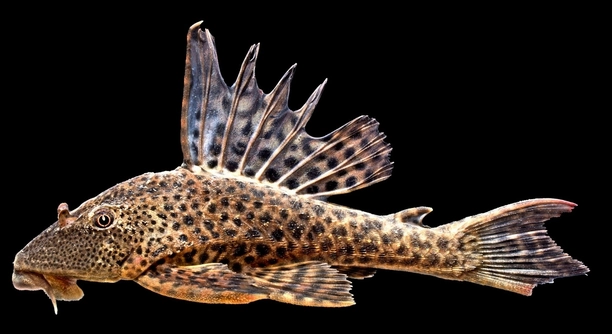
Have you ever set up a new aquarium and felt excited to add your favorite fish right away, like a pleco?
Adding a pleco to a freshly set tank is not recommended. These fish require stable, established water conditions to thrive, which new tanks typically lack. Introducing them too early can lead to stress, illness, or even death.
Learning the right time and conditions for adding a pleco helps support both their health and your tank’s success.
Why Timing Matters for Plecos
Adding a pleco to a new tank too soon often leads to avoidable problems. These fish need clean, stable water with proper filtration and a strong bacterial base. A freshly set tank hasn’t completed the nitrogen cycle, which means ammonia and nitrite levels may spike. Plecos are sensitive to poor water quality, especially when young. Waiting at least four to six weeks allows time for beneficial bacteria to develop and keep the water safe. Using test kits to monitor ammonia, nitrites, and nitrates helps you know when the tank is ready. Rushing this process might save time upfront but can cause stress, health issues, and extra work later.
Plecos thrive in established tanks where fluctuations are rare. Their health depends on stability.
If you add a pleco before the tank cycles, you may notice it acting sluggish or not eating. Some may develop skin irritation or infections due to poor conditions. To avoid this, let the tank run with just the filter, heater, and ammonia source for several weeks. Monitor water parameters every few days, and wait until ammonia and nitrite levels drop to zero. Add hardy fish first, then wait another week or two. Only once the environment is stable should you consider adding a pleco.
What to Do Instead
Start with hardy fish like zebra danios or white cloud minnows. These help cycle the tank safely.
Once the tank is cycled, test the water one last time. If parameters are safe, slowly introduce your pleco. Make sure it has enough space, smooth hiding spots, and driftwood to graze on. Young plecos especially need a well-balanced diet, not just algae. Offer sinking wafers and blanched vegetables. Avoid overfeeding to maintain clean water. Keep up with regular water changes and filter maintenance. Watch how your pleco behaves over time. A healthy one will be active, alert, and have a full, rounded body. Be patient, and your tank will be ready for long-term success.
Choosing the Right Pleco
Plecos come in different sizes and care levels. Common types like the Bristlenose are better for beginners, while species like the Common Pleco grow too large for most tanks. Pick one that fits your setup.
Bristlenose plecos usually stay under six inches and adapt well to various freshwater setups. They are peaceful, easy to feed, and don’t require much space. Avoid the Common Pleco unless you have a tank over 100 gallons. Other types like Clown or Rubber Lip plecos are also manageable but may need specific water parameters. Before buying, research the pleco’s adult size and tank requirements. Avoid impulse purchases, especially at chain pet stores where care guidance may be limited. Choose a pleco that matches your tank’s size, temperature range, and pH levels. A good match helps ensure long-term health and avoids having to rehome the fish later.
Smaller plecos are also less likely to disturb other tankmates or uproot plants. Their waste output is more manageable, making it easier to maintain good water quality. Since plecos are bottom dwellers, look for signs of healthy behavior—like grazing on driftwood or aquarium glass. A good pet store will let you observe them before purchase. Healthy plecos should have a rounded belly, steady movement, and no signs of fin damage or clamped fins.
Feeding Your Pleco Properly
Plecos can’t live on algae alone. They need a balanced diet of sinking pellets, vegetables like zucchini or cucumber, and occasional protein sources. Feed in the evening when they’re more active. Remove uneaten food to keep the water clean.
Offer a variety of foods every few days to meet their needs. Blanched vegetables should be soft enough to chew but not overcooked. Driftwood is also important for many species, especially Bristlenose, as it helps with digestion. Keep food portions small to avoid overfeeding.
Monitoring Tank Conditions
Check water parameters at least once a week. Ammonia and nitrite levels should always be zero, and nitrates should stay below 40 ppm. A pH between 6.5 and 7.5 suits most plecos, though this can vary slightly by species. Water changes, done weekly, help keep conditions steady.
Keeping Stress Levels Low
Provide shaded areas and hiding spots using driftwood, caves, or plants. Calm surroundings help plecos stay healthy and less reactive to sudden changes.
FAQ
Can I add a pleco during a fish-in cycle?
It’s not a good idea to add a pleco during a fish-in cycle. These fish are sensitive to poor water quality, especially spikes in ammonia or nitrites. During a fish-in cycle, these levels are unstable and can be harmful. Plecos often show signs of stress in these conditions, including reduced appetite and hiding more than usual. If you’re cycling with fish, use hardy species like zebra danios first. Once the tank stabilizes and test results show zero ammonia and nitrites, then it’s safer to introduce a pleco.
Do plecos help cycle a new tank?
Plecos do not help cycle a new tank. They produce waste like other fish, which contributes ammonia to the water, but they are not suitable for cycling due to their sensitivity. Beneficial bacteria need time to develop and break down ammonia and nitrites safely. Introducing a pleco before this process is complete can cause health problems for the fish. Instead, focus on letting the tank fully cycle before adding them. Consider using bottled bacteria starters or ammonia sources without fish for a safer cycling process.
What signs show my tank is ready for a pleco?
The most reliable sign is water testing. When ammonia and nitrite levels are both zero for at least a full week, and nitrates are present but under control, your tank is likely ready. The water should be clear, temperature stable, and pH within range for your pleco species. If your tank has consistent readings over time and no foul smells or cloudiness, it’s a good sign the biological filter is working. Make sure you also have hiding spots and food ready before bringing the pleco home.
How big of a tank do I need for a pleco?
It depends on the species. Bristlenose plecos do well in tanks that are at least 20 gallons. Rubber Lips and Clown Plecos need similar space. However, Common Plecos can reach over a foot long and need a tank over 100 gallons. Always check the expected adult size before choosing a pleco. Many grow slowly, but they still require enough room to turn around, graze, and stay active. A cramped tank can lead to stress and increased waste buildup, which affects water quality and overall health.
How often should I feed my pleco?
Feed your pleco once a day, ideally in the evening when they are most active. Offer small portions of sinking wafers or pellets, and supplement with blanched vegetables a few times a week. Overfeeding can cause poor water quality and health issues. Watch to see if food is eaten within a few hours, and remove anything left behind. If your pleco is gaining too much weight or your tank gets dirty quickly, reduce the feeding amount. It’s better to underfeed slightly than to overfeed regularly.
Can plecos live with other fish?
Yes, plecos can live with other peaceful fish. They usually keep to themselves at the bottom of the tank. Avoid keeping them with aggressive species that may nip at their fins or compete for the same space. Tankmates like tetras, rasboras, guppies, or gouramis generally do well with plecos. Be cautious with multiple bottom-dwellers, as plecos may become territorial, especially in smaller tanks. Provide enough hiding places so each fish can claim its own spot. This helps reduce stress and keeps tank behavior calm and balanced.
Do plecos clean the tank?
Plecos are often seen as algae-eaters, but they won’t keep your tank clean on their own. They help with light algae buildup on glass and decorations, but they also produce a lot of waste. You’ll still need to clean the tank regularly, including vacuuming the substrate and doing water changes. Feeding your pleco adds more food to the tank, which can increase waste. Think of them as part of your tank’s balance, not a solution to cleaning. Proper filtration and routine care are always necessary.
Final Thoughts
Adding a pleco to a new tank might seem simple, but timing matters. These fish need stable conditions to stay healthy. A freshly set tank usually lacks the necessary bacteria to handle waste, which leads to spikes in ammonia and nitrites. Even if the water looks clean, it can still be unsafe. Plecos are sensitive to poor water quality and can quickly become stressed or sick. Waiting for the tank to fully cycle ensures a better start. Test your water regularly and look for signs of stability before introducing a pleco.
Choosing the right pleco for your tank size is also important. Some stay small, like Bristlenose or Clown Plecos, while others, such as Common Plecos, grow too large for most home aquariums. It’s best to plan ahead and avoid having to rehome a fish that outgrows the space. Proper tank setup includes not just the size but also the right decorations. Plecos need hiding spots, driftwood, and a soft substrate. These things help them feel safe and support their natural behavior. A tank that meets their needs will make care easier and more enjoyable.
Feeding, tank mates, and water care all play a part in keeping a pleco healthy long term. They need more than algae to stay strong, so offering vegetables and sinking pellets is essential. Regular water changes and keeping the tank clean will also prevent health issues. While plecos can be shy, they’re active at night and become more visible in calm, stable environments. Giving them time to adjust and space to explore helps them thrive. Patience, planning, and consistency go a long way when keeping a pleco. Taking the extra time to get everything right before adding one will lead to a healthier tank and a better experience for both you and your fish.

Hello,
If you enjoy the content that we create, please consider saying a "Thank You!" by leaving a tip.
Every little bit helps us continue crafting quality advice that supports the health, happiness, and well-being of pets around the world, for pets of all shapes, sizes, and species.
We really appreciate the kindness and support that you show us!