
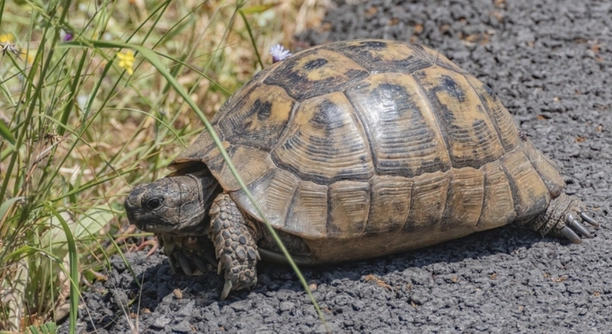
Greek tortoises are herbivores that require a balanced diet for their health. Knowing what to feed them is essential for their well-being. One common question is whether turnip greens are a suitable food option for these reptiles.
Greek tortoises can safely eat turnip greens in moderation. These leafy vegetables provide essential nutrients, including calcium, fiber, and vitamins, contributing to a balanced diet. However, excessive consumption may lead to an imbalance in their nutritional intake.
Properly feeding your tortoise ensures long-term health. Keep reading to learn more about their dietary needs and how to include turnip greens in their meals.
Are Turnip Greens Good for Greek Tortoises?
Turnip greens are rich in vitamins A and C, calcium, and fiber, which can be beneficial for Greek tortoises. These vegetables are known to aid in digestion and promote overall health. However, it is important to ensure that turnip greens are not the primary food source. Offering variety in their diet is key to meeting their nutritional needs. Overfeeding turnip greens may lead to an imbalance in their calcium-to-phosphorus ratio, which can affect bone health. Therefore, these greens should be offered as part of a varied diet, along with other leafy vegetables and grasses.
Greek tortoises can thrive on a diet that includes turnip greens, but moderation is essential. Offering them once or twice a week, alongside other suitable vegetables, is a good way to include turnip greens without overloading their system with too much phosphorus.
A balanced diet also ensures that Greek tortoises receive the right nutrients for their growth and development. It is important to focus on providing a range of leafy greens, flowers, and grasses. Adding calcium-rich vegetables like dandelion greens, along with proper UVB lighting, supports healthy shell and bone development. As with any pet, consistency and variety in their diet will help them stay healthy for years.
Tips for Feeding Greek Tortoises Turnip Greens
When feeding turnip greens, ensure they are washed thoroughly to remove any pesticides or chemicals. A clean diet is essential for keeping your tortoise healthy.
Nutritional Benefits of Turnip Greens
Turnip greens are a source of essential vitamins, including A and C, which support immune function and vision. They also contain calcium, which helps with shell and bone health, as well as fiber for digestion. The vitamins in turnip greens can support your tortoise’s overall well-being and help maintain a healthy weight.
In addition to the primary nutrients, turnip greens contain antioxidants, which help reduce inflammation and support cellular function. They also have a decent amount of magnesium, which is important for muscle and nerve function. Offering these greens, in moderation, can be a great way to ensure your tortoise is receiving a variety of nutrients.
When feeding turnip greens, it is essential to vary the diet to avoid over-reliance on any one vegetable. Greek tortoises benefit from a diverse range of leafy greens and vegetables. Offering turnip greens alongside other vegetables helps provide a balanced nutritional profile, preventing potential issues with nutrient imbalance.
How to Prepare Turnip Greens for Your Tortoise
Always wash turnip greens thoroughly before feeding them to your tortoise. This removes any harmful pesticides or chemicals that may be present on the leaves. After washing, you can chop the greens into smaller pieces, which makes it easier for your tortoise to eat them. Offering a variety of food textures can also make mealtime more enjoyable.
Potential Risks of Overfeeding Turnip Greens
Feeding too many turnip greens to your tortoise can cause an imbalance in calcium and phosphorus levels. Too much phosphorus can prevent proper calcium absorption, leading to weak bones and shell problems. It’s crucial to offer these greens in moderation to avoid this issue.
Additionally, while turnip greens are nutritious, they are not enough to meet all your tortoise’s dietary needs. Relying too heavily on them can lead to nutritional deficiencies. Ensure variety in their diet by including other leafy greens, grasses, and flowers to maintain a balanced intake of nutrients.
Other Vegetables to Include in Your Tortoise’s Diet
To support your tortoise’s health, include other leafy greens like collard greens, dandelion greens, and kale. These vegetables provide a broader range of nutrients and help balance their diet. Combining different greens ensures that your tortoise gets all the vitamins and minerals it needs to stay healthy.
Offering Fresh Water Alongside Greens
Always provide fresh water when offering turnip greens to your tortoise. Proper hydration is important for digestion and overall health. Clean, fresh water helps support healthy kidney function and keeps your tortoise hydrated, especially when consuming high-fiber foods like turnip greens.
FAQ
Can Greek tortoises eat turnip greens every day?
Turnip greens should not be fed to Greek tortoises every day. While they are nutritious, they should only be offered in moderation due to their high phosphorus content. Consistently feeding turnip greens can lead to a calcium-to-phosphorus imbalance, which can affect bone health. A varied diet is key to ensuring your tortoise gets a balanced intake of nutrients.
What other vegetables can Greek tortoises eat?
Greek tortoises can eat a variety of vegetables, such as dandelion greens, collard greens, mustard greens, kale, and romaine lettuce. These offer different vitamins and minerals to complement turnip greens in their diet. Avoid iceberg lettuce, as it lacks nutritional value. Aim for diversity in their greens to maintain overall health.
Are turnip greens high in calcium?
Turnip greens are a good source of calcium, which is vital for your tortoise’s shell and bone health. However, they are also relatively high in phosphorus, so it’s important to balance turnip greens with other calcium-rich foods, like dandelion greens, to avoid calcium deficiency or excess phosphorus.
Can Greek tortoises eat turnip roots?
While Greek tortoises can eat the roots of turnips, they should be offered in moderation. The roots are higher in starch, which can be more difficult to digest for tortoises. Stick with the leafy greens as the main food source and only offer turnip roots as an occasional treat.
How do I know if I’m feeding my tortoise too much turnip greens?
If you notice signs like soft or malformed shells, lethargy, or poor growth in your tortoise, it may be a sign of an imbalance in their diet, such as too much phosphorus. Monitoring their overall health and adjusting their diet accordingly can help avoid such issues. Always aim for variety.
Should I feed my Greek tortoise organic turnip greens?
Organic turnip greens are a better option for your tortoise, as they are less likely to contain harmful pesticides or chemicals. While non-organic greens may also be fine when washed thoroughly, organic vegetables offer peace of mind when it comes to reducing the risk of exposure to harmful substances.
How much turnip green should I feed my tortoise?
A good guideline is to offer turnip greens as part of a varied diet, making up about 10-20% of their overall food intake. For an adult Greek tortoise, a few leaves of turnip greens a couple of times a week should be sufficient. Adjust according to your tortoise’s size and health.
Can turnip greens help with my tortoise’s digestion?
Yes, turnip greens can aid in digestion due to their high fiber content. Fiber helps move food through the digestive system, preventing constipation and ensuring proper nutrient absorption. As part of a balanced diet, turnip greens contribute to the digestive health of your tortoise.
Can I feed my tortoise turnip greens if they have digestive issues?
If your tortoise has digestive issues, it’s best to consult with a veterinarian before making changes to their diet. Turnip greens may help with digestion due to their fiber, but excessive fiber in some cases can worsen digestive problems. A vet can guide you in adjusting their diet properly.
Are there any vegetables Greek tortoises should avoid?
Yes, there are certain vegetables that should be avoided, including lettuce varieties like iceberg lettuce, which lacks nutrients. Also, avoid feeding your tortoise foods like potatoes, tomatoes, and onions, which are toxic to them. Stick to leafy greens, grasses, and safe vegetables for the best nutrition.
How often should I change my tortoise’s diet?
It’s a good idea to introduce new vegetables every few days to ensure your tortoise gets a broad range of nutrients. You can rotate through different types of greens and vegetables to offer variety. Be mindful to observe your tortoise’s health and energy levels for any signs of dietary imbalances.
Final Thoughts
Feeding your Greek tortoise turnip greens can be a healthy addition to its diet when given in moderation. These greens provide valuable vitamins like A and C, which support immunity and eye health. They also contain calcium, which is essential for bone and shell strength. However, turnip greens also have a high phosphorus content, which can cause an imbalance if fed too often. To ensure your tortoise thrives, it’s important to offer a variety of vegetables and leafy greens.
A balanced diet for your Greek tortoise should include more than just turnip greens. Incorporating other vegetables, such as dandelion greens, collard greens, and kale, can help provide a broader range of nutrients. Each type of green offers different vitamins, minerals, and fiber that contribute to overall health. By rotating these vegetables, you can avoid nutritional imbalances that may arise from feeding too much of one type of food.
Ultimately, providing a diverse and well-rounded diet is key to maintaining your tortoise’s health and well-being. Fresh, clean water should always accompany their meals to ensure proper hydration, especially when feeding high-fiber foods. Turnip greens, when offered alongside other vegetables, can be a valuable part of your Greek tortoise’s diet, but variety and moderation are crucial. Regularly assessing your tortoise’s overall health and adjusting its diet as needed will help it live a long, healthy life.

Hello,
If you enjoy the content that we create, please consider saying a "Thank You!" by leaving a tip.
Every little bit helps us continue crafting quality advice that supports the health, happiness, and well-being of pets around the world, for pets of all shapes, sizes, and species.
We really appreciate the kindness and support that you show us!