
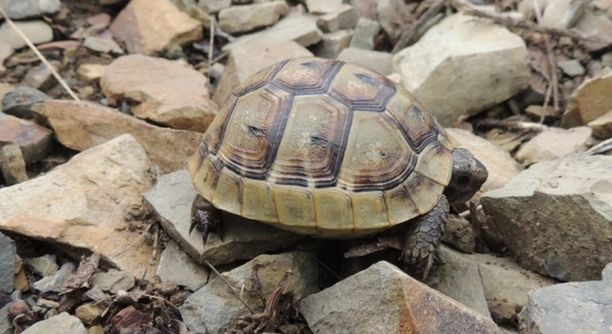
Greek tortoises are known for their herbivorous diet, but it can be unclear whether they can safely eat certain foods like pumpkin. While some foods are safe for these reptiles, it’s important to understand what’s best for their diet.
Pumpkin is generally safe for Greek tortoises in moderation. Rich in fiber and nutrients, it can offer occasional benefits such as improved digestion. However, its high water content means it should not be a regular part of their diet, as it can cause digestive upset.
Understanding the effects of pumpkin on your tortoise’s health can help maintain a balanced diet for them. Keep reading to explore both the pros and cons of including pumpkin in their meals.
Nutritional Benefits of Pumpkin for Greek Tortoises
Pumpkin is packed with nutrients like fiber, vitamin A, and potassium, all of which can support a Greek tortoise’s health when offered in moderation. The high fiber content helps with digestion, promoting a healthy gut. Vitamin A is essential for maintaining good vision and overall immunity, while potassium supports muscle and heart health. If your tortoise is struggling with constipation, small pieces of pumpkin can provide relief due to its high water content. However, while the nutrients in pumpkin are beneficial, too much of it can upset the delicate balance in their digestive system.
Though pumpkin offers some nutritional advantages, it should not become a staple of your tortoise’s diet. These reptiles thrive on a diet rich in leafy greens and other vegetables, so pumpkin should only be offered as an occasional treat. A balanced diet is key to ensuring your tortoise stays healthy and active.
Incorporating a variety of vegetables and fruits, rather than relying heavily on pumpkin, will provide your tortoise with the diverse nutrients they need. Offering pumpkin every few weeks is sufficient for reaping its benefits without risking digestive issues.
Potential Risks of Pumpkin for Greek Tortoises
While pumpkin can be beneficial, overfeeding it can cause digestive problems for Greek tortoises. The high water content, though good for hydration in moderation, may lead to diarrhea or bloating if consumed in excess. This can result in dehydration, which is harmful to tortoises.
Tortoises have a slow metabolism, so it’s crucial to avoid foods that could disrupt their digestion. A pumpkin-heavy diet can cause an imbalance, making it harder for them to process other foods they eat. Too much pumpkin can also cause an increase in the intake of sugar, which can affect their overall health. Keeping their meals varied is essential for their well-being.
How to Safely Feed Pumpkin to Greek Tortoises
When feeding pumpkin to your tortoise, it’s important to keep the portions small. A few bite-sized pieces are enough to offer the benefits without overdoing it. Remove seeds and skin to make it easier to digest. Always wash the pumpkin thoroughly before serving to ensure it’s free of pesticides or chemicals.
Cut the pumpkin into small, manageable pieces, and offer it alongside other foods in their diet, like leafy greens. Avoid making pumpkin the main feature of their meal. Mixing it with fibrous plants helps keep your tortoise’s digestive system functioning properly. It’s a treat, not a staple.
Too much pumpkin can cause your tortoise to develop loose stools, so be mindful of how often you offer it. Keep an eye on how they respond to pumpkin in their diet. If you notice any digestive upset, remove it from their meals for a while and consult with a vet if necessary.
Alternative Vegetables for Greek Tortoises
Greek tortoises thrive on a variety of leafy greens, such as dandelion greens, collard greens, and kale. These vegetables offer the essential nutrients they need without the potential digestive risks that come with pumpkin. Providing a mix of these vegetables ensures a balanced intake of vitamins and minerals.
It’s best to rotate their vegetables to prevent nutritional imbalances and give them a range of textures and flavors. Along with leafy greens, you can also include some non-leafy vegetables like zucchini, bell peppers, and squash. Always make sure the veggies are clean and free of harmful chemicals.
Feeding a diverse selection of vegetables supports the tortoise’s overall health and helps prevent them from getting bored with their meals. Regularly changing their food options ensures they get the necessary nutrients for growth and energy. Rotate your options, and keep their diet varied and exciting for them.
How Often Should You Offer Pumpkin?
Pumpkin should be fed to Greek tortoises occasionally, around once every two weeks. This ensures they enjoy the benefits without overloading their digestive system. Offering it too frequently can lead to digestive upset or imbalance in their diet. Stick to moderation.
The key is balance. While pumpkin has its benefits, it shouldn’t replace their regular diet of leafy greens and other vegetables. Offering a small portion every two weeks is a good rule of thumb. If your tortoise shows any signs of discomfort, adjust accordingly and consult a vet.
Signs of Digestive Upset in Greek Tortoises
If your tortoise consumes too much pumpkin, signs of digestive upset can include diarrhea, bloating, or loss of appetite. These symptoms indicate that their digestive system may be struggling. If they exhibit any of these signs, it’s important to remove pumpkin from their diet immediately.
A sudden change in their stool consistency or a lack of interest in food should be addressed. Monitor their condition closely for the next few days. If symptoms persist or worsen, a trip to the vet may be necessary to ensure they recover without further issues.
Other Foods to Avoid for Greek Tortoises
While some foods are safe for Greek tortoises, there are several that should be avoided. Iceberg lettuce, for example, offers little nutritional value and can cause digestive upset. Foods high in oxalates, like spinach, should be fed sparingly due to their potential to interfere with calcium absorption.
FAQ
Can Greek tortoises eat pumpkin seeds?
No, it’s best to avoid feeding Greek tortoises pumpkin seeds. While seeds are not toxic, they can be difficult for tortoises to digest and may cause blockages or other digestive issues. Always remove the seeds before offering pumpkin. This helps ensure that the pumpkin is safe and easy for your tortoise to eat.
Can pumpkin be a regular part of their diet?
No, pumpkin should not be a regular part of a Greek tortoise’s diet. It’s best as an occasional treat due to its high water content and sugar levels. A varied diet of leafy greens, flowers, and other vegetables should make up the majority of their meals. Pumpkin can occasionally be included in moderation to avoid digestive upset.
Is pumpkin good for the digestive health of Greek tortoises?
Yes, in moderation, pumpkin can support digestive health. Its high fiber content helps prevent constipation and promotes smoother digestion. The moisture in pumpkin can also assist with hydration. However, too much pumpkin can cause diarrhea or bloating, so it’s essential to control the amount offered.
What are the signs that a tortoise has eaten too much pumpkin?
If your Greek tortoise has eaten too much pumpkin, you may notice symptoms like loose stools, bloating, or reduced appetite. These are signs of digestive discomfort or imbalance. If any of these signs appear, remove pumpkin from their diet and observe them for a few days to ensure they return to normal.
Are there any other fruits or vegetables that should be avoided?
Yes, some fruits and vegetables should be avoided or fed in moderation to Greek tortoises. High-oxalate foods, like spinach, can interfere with calcium absorption. Iceberg lettuce offers little nutritional value and may cause digestive issues. Avoid feeding your tortoise these foods regularly, as they can harm their health over time.
Can pumpkin help with hydration?
Yes, pumpkin’s high water content can help with hydration. While it is not a substitute for drinking water, it can provide additional moisture. This is particularly helpful for tortoises who may not drink water frequently. However, always ensure fresh water is available for your tortoise at all times.
Is pumpkin safe for baby Greek tortoises?
Yes, baby Greek tortoises can eat pumpkin, but only in small amounts. Their digestive systems are more delicate than adults, so it’s crucial to avoid overfeeding. Offer small portions and observe their digestion. It’s always a good idea to consult with a vet when introducing new foods to young tortoises.
What other foods can help Greek tortoises stay hydrated?
In addition to pumpkin, you can offer watery vegetables like cucumbers and zucchini to help with hydration. These are good alternatives to pumpkin and can be served in small quantities. It’s important to offer a variety of hydrating foods alongside leafy greens for a balanced diet.
How do I know if my Greek tortoise is eating too much pumpkin?
Monitor your tortoise’s behavior and stool consistency. If they show signs of bloating, diarrhea, or lose interest in their usual food, it’s a sign they may be eating too much pumpkin. Always keep portions small and offer pumpkin less frequently to avoid these issues.
Can I feed cooked pumpkin to my Greek tortoise?
It’s not necessary to cook pumpkin for Greek tortoises. Raw pumpkin is perfectly safe and offers more nutrients in its natural form. Cooking may reduce the nutritional value, and the texture can be harder for your tortoise to digest. Stick with raw pumpkin and ensure it’s chopped into small, manageable pieces.
Should pumpkin be mixed with other foods?
Yes, pumpkin can be mixed with other safe vegetables, such as leafy greens or herbs. Mixing pumpkin with other foods ensures your tortoise gets a variety of nutrients. Always maintain a balance, offering pumpkin as a side dish rather than the main food item. This helps prevent overfeeding and maintains a healthy diet.
Can pumpkin be harmful if fed with too many other treats?
Yes, combining pumpkin with too many other treats, such as sugary fruits, can lead to digestive upset. Treats should be offered sparingly and in moderation. Overloading your tortoise’s diet with high-sugar foods like pumpkin, even in small amounts, can disrupt their digestion and overall health.
What’s the best way to store pumpkin for my tortoise?
To store pumpkin, keep it in a cool, dry place, or refrigerate any leftover portions. It’s best to keep it fresh and discard any uneaten pumpkin after 24 hours to avoid spoilage. Always check for any mold or signs of rot before offering it to your tortoise.
Can Greek tortoises eat canned pumpkin?
No, canned pumpkin should be avoided. It may contain added sugars, preservatives, or spices that are not safe for tortoises. Always opt for fresh, plain pumpkin to ensure the safety and health of your pet. Canned pumpkin does not offer the same nutritional benefits as fresh pumpkin.
Final Thoughts
Feeding Greek tortoises pumpkin can be a nutritious treat when offered in moderation. Its high fiber and water content can aid in digestion and hydration. However, it is important not to overdo it. Too much pumpkin can upset their digestive system, causing issues like diarrhea or bloating. Therefore, it is recommended to offer pumpkin no more than once every two weeks, ensuring it does not replace their regular diet of leafy greens and other vegetables. Providing a balanced diet is essential for their overall health and well-being.
In addition to the benefits, there are some precautions to take when feeding your tortoise pumpkin. Always remove the seeds and avoid offering cooked pumpkin, as raw pumpkin is easier for them to digest and offers more nutrients. Pay attention to your tortoise’s response after eating pumpkin. If you notice any signs of discomfort, such as changes in their stool or a lack of appetite, reduce the frequency of pumpkin servings or eliminate it from their diet. It’s always important to adjust the diet based on their individual needs and consult a vet if necessary.
Overall, pumpkin can be a healthy and enjoyable treat for Greek tortoises, as long as it is served in moderation. It provides a good source of hydration and fiber, which are beneficial for their digestion. Remember to offer a variety of other vegetables and greens to ensure they get a well-rounded diet. By sticking to a balanced feeding routine and keeping an eye on their health, you can help your Greek tortoise thrive while enjoying occasional pumpkin as a treat.

Hello,
If you enjoy the content that we create, please consider saying a "Thank You!" by leaving a tip.
Every little bit helps us continue crafting quality advice that supports the health, happiness, and well-being of pets around the world, for pets of all shapes, sizes, and species.
We really appreciate the kindness and support that you show us!