
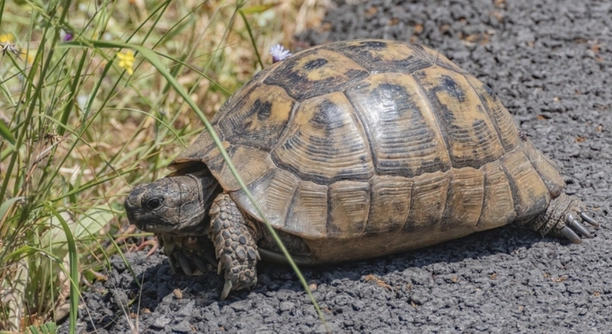
Greek tortoises are known for their varied diet, but many wonder if they can safely enjoy pumpkin. This orange vegetable is not only tasty but also packed with nutrients, making it a potential treat for your pet tortoise.
Greek tortoises can safely eat pumpkin in moderation. It provides essential nutrients, including fiber and vitamins. However, pumpkin should not be a daily food; too much can lead to digestive issues, so it should be given as an occasional treat.
Understanding how much pumpkin to offer is crucial to maintaining a balanced diet for your tortoise. Proper portioning ensures they enjoy the benefits without any risks to their health.
Benefits of Pumpkin for Greek Tortoises
Pumpkin is packed with nutrients that can be beneficial to your Greek tortoise. It is a good source of fiber, which aids in digestion, and it also provides vitamins A and C, which are important for their overall health. These nutrients can help support a healthy immune system and skin. The high water content in pumpkin can also contribute to hydration, especially for tortoises that may not drink as much water on their own. When fed in moderation, pumpkin can be a healthy addition to your tortoise’s diet.
Pumpkin also offers some essential antioxidants that help fight free radicals and may reduce the risk of disease. While it’s not a staple food for tortoises, occasional treats like pumpkin can enhance their diet and add variety.
Including pumpkin occasionally in their diet will help keep things fresh and nutritious. Just remember, balance is key. Too much pumpkin can lead to digestive problems, so a small portion once in a while is enough to reap the benefits.
How Much Pumpkin Should You Feed?
Feeding your tortoise pumpkin is great, but moderation is essential. Too much can cause digestive issues. Limit pumpkin to small portions, and always ensure it’s a part of a well-rounded diet.
Pumpkin should only be given as a treat, not a daily food. The general recommendation is to offer a piece about the size of your tortoise’s shell, once or twice a week. This keeps them from becoming over-reliant on one food and ensures they are still receiving other necessary nutrients from their regular diet. When preparing pumpkin for your tortoise, ensure it is peeled, and remove the seeds, as they can be difficult to digest and might pose a choking hazard. Serve it fresh or cooked, but avoid using any added spices or seasonings, which can be harmful to your tortoise. Always introduce any new food gradually, and monitor your tortoise for any signs of adverse reactions like diarrhea.
Overfeeding pumpkin can also lead to an imbalance in calcium and phosphorus intake, so be mindful of the portion sizes.
Preparing Pumpkin for Your Greek Tortoise
Before feeding pumpkin to your Greek tortoise, proper preparation is essential. Remove the skin, as it can be difficult to digest, and avoid leaving any seeds behind. Cut the pumpkin into small, manageable pieces that your tortoise can easily nibble on. This helps prevent choking and makes it easier for your tortoise to enjoy their treat. You can serve pumpkin raw, but lightly steaming or baking it without any seasoning can also be beneficial.
Fresh pumpkin is always the best option, but if you choose to cook it, ensure that it remains unseasoned. Spices, butter, or sugar can cause digestive issues or harm your tortoise’s health. Once prepared, offer small portions and remove any uneaten pumpkin after a few hours to prevent spoilage and maintain a clean habitat.
Always keep in mind that while pumpkin is healthy, it should be given as part of a well-balanced diet with a variety of vegetables and leafy greens. Too much of any one food can cause digestive upsets, so variety and moderation are key.
Signs Your Tortoise is Enjoying Pumpkin
When your Greek tortoise eats pumpkin, it should seem excited and actively nibble on the pieces you provide. If they eat the pumpkin eagerly, it’s a good sign that they enjoy the taste and texture. However, if they seem disinterested or refuse to eat it, don’t be discouraged. Tortoises can be picky eaters, and some may not prefer pumpkin as much as others. You can try offering different types of pumpkin, such as cooked versus raw, or even mix it with their favorite leafy greens to entice them.
Monitor your tortoise’s behavior after feeding pumpkin. If they show any signs of discomfort, like lethargy or upset stomach, it may indicate they had too much or didn’t digest it well. Some tortoises may experience mild bloating or loose stools after eating pumpkin, which is why portion control is so important. Always remove uneaten food after a few hours to prevent contamination in their habitat.
Feeding a variety of foods will ensure that your tortoise remains healthy. If pumpkin is well received, it can be a fun and healthy addition to their diet, offering them a break from their usual meals.
Potential Risks of Overfeeding Pumpkin
Overfeeding pumpkin to your tortoise can cause digestive issues. The high water and fiber content may lead to diarrhea or bloating, which can be uncomfortable for your pet. It’s important to offer pumpkin in moderation to avoid such problems.
When fed too often, pumpkin may disrupt the balance of other nutrients in your tortoise’s diet. Overconsumption can lead to an imbalance of calcium and phosphorus, which affects shell health and growth. Always ensure that pumpkin remains an occasional treat, not a regular part of their meals, to maintain a healthy diet.
Combining Pumpkin with Other Foods
Pumpkin can be paired with other vegetables like leafy greens, such as collard greens or dandelion leaves, to create a balanced meal. This combination provides a variety of vitamins and minerals, which helps support your tortoise’s overall health. Adding small amounts of fruits like berries or melon can also introduce more variety to their diet.
By mixing pumpkin with other safe foods, you ensure that your tortoise gets the nutrients they need without over-relying on one food. Just remember to keep portions appropriate for their size and age, and always avoid any harmful ingredients like dairy or processed foods.
When to Avoid Pumpkin
If your Greek tortoise has any known health issues, such as kidney disease or digestive disorders, it’s best to avoid feeding them pumpkin. These conditions can be aggravated by certain foods, including pumpkin, which can cause further complications. Always consult with a veterinarian before introducing new foods to their diet.
FAQ
Can Greek tortoises eat pumpkin seeds?
While pumpkin seeds are not toxic to Greek tortoises, they should not be fed regularly. The seeds can be difficult for them to digest, and in large amounts, they could cause digestive issues. It’s better to remove the seeds before offering the pumpkin to your tortoise. If you choose to feed seeds occasionally, ensure they are thoroughly cleaned and offered in small amounts.
How often can I feed pumpkin to my Greek tortoise?
Pumpkin should be treated as an occasional treat rather than a regular part of their diet. Offering pumpkin once or twice a week is a good guideline. This helps ensure your tortoise enjoys the nutritional benefits without overloading their system with too much fiber or water content. Consistency in moderation is key.
What is the best way to store leftover pumpkin for my tortoise?
If you have leftover pumpkin, it should be stored in the refrigerator to keep it fresh. Place it in an airtight container or wrap it tightly with plastic wrap to prevent it from drying out or spoiling. Leftover pumpkin can be stored for about 3-4 days. Be sure to check for any signs of spoilage before offering it to your tortoise again. If in doubt, throw it out.
Can pumpkin help with my tortoise’s hydration?
Yes, pumpkin can assist with hydration due to its high water content. This can be especially beneficial for tortoises that don’t drink enough water on their own. While pumpkin isn’t a substitute for fresh water, it can be a good supplement for hydration. However, it should still be offered in moderation.
Should I feed pumpkin with the skin on?
No, the skin of pumpkin can be difficult for your tortoise to digest and may cause gastrointestinal issues. Always peel the pumpkin before offering it to your tortoise. This will make it easier for them to eat and digest the fruit. Removing the seeds is also recommended for the same reason.
Is pumpkin safe for baby Greek tortoises?
Yes, baby Greek tortoises can eat pumpkin, but it should be offered in smaller portions. Young tortoises have more sensitive digestive systems, so it’s important to avoid overfeeding them. Offer tiny pieces of pumpkin mixed with their usual diet of leafy greens. Monitor them for any digestive issues after feeding.
Can pumpkin cause shell rot in Greek tortoises?
No, pumpkin itself won’t cause shell rot, but if your tortoise eats too much pumpkin or doesn’t have access to a balanced diet, it could lead to other health problems, such as obesity or digestive issues. Always ensure that pumpkin is part of a varied diet and that your tortoise gets plenty of calcium and other nutrients to support healthy shell growth.
What other foods can I feed my Greek tortoise along with pumpkin?
In addition to pumpkin, Greek tortoises enjoy a variety of leafy greens such as dandelion greens, collard greens, and mustard greens. You can also offer them non-leafy vegetables like squash, bell peppers, and carrots. Fruits like berries, melon, and strawberries can be given in moderation as occasional treats. Always avoid feeding them high-calcium foods like spinach or kale too often, as they may interfere with calcium absorption.
Can I feed canned pumpkin to my Greek tortoise?
It’s best to avoid canned pumpkin, as it often contains preservatives and added sugar, both of which are not healthy for your tortoise. If you need to use canned pumpkin, choose the unsweetened, plain variety with no added ingredients. However, fresh pumpkin is always the better option because it is free from unnecessary additives.
Can pumpkin help with my tortoise’s constipation?
Yes, pumpkin can help relieve mild constipation in tortoises due to its high fiber content. If your tortoise is having trouble passing waste, you can offer a small portion of pumpkin to aid digestion. However, if constipation persists or worsens, it’s best to consult with a veterinarian.
Final Thoughts
Incorporating pumpkin into your Greek tortoise’s diet can be a beneficial treat when given in moderation. The high water content in pumpkin helps with hydration, which is essential for tortoises, especially if they are not drinking enough on their own. It’s also packed with fiber, which can support digestion when fed occasionally. However, it is important to remember that pumpkin should not be a regular part of their diet but rather an occasional treat. Overfeeding pumpkin can lead to digestive problems, like diarrhea or bloating, and upset the balance of their overall nutrition.
When feeding pumpkin to your tortoise, make sure to remove the seeds and peel off the skin, as these can be difficult to digest and may cause health issues. The flesh of the pumpkin is the safest and most nutritious part, offering the benefits of fiber, vitamins, and hydration without posing a risk. Additionally, pumpkin should be stored properly to avoid spoilage and should be used within a few days of cutting. It is always a good idea to offer fresh pumpkin, rather than canned, to avoid added sugars and preservatives that could harm your tortoise’s health.
Lastly, every tortoise is different, and some may have more sensitive stomachs than others. Always introduce new foods slowly and watch for any signs of discomfort or digestive issues. While pumpkin can be a great addition to their diet, it is important to keep a balanced meal plan that includes a variety of leafy greens, vegetables, and appropriate fruits. If you are ever in doubt about what to feed your tortoise or if you notice any health concerns, consulting a veterinarian is always the best course of action.

Hello,
If you enjoy the content that we create, please consider saying a "Thank You!" by leaving a tip.
Every little bit helps us continue crafting quality advice that supports the health, happiness, and well-being of pets around the world, for pets of all shapes, sizes, and species.
We really appreciate the kindness and support that you show us!