
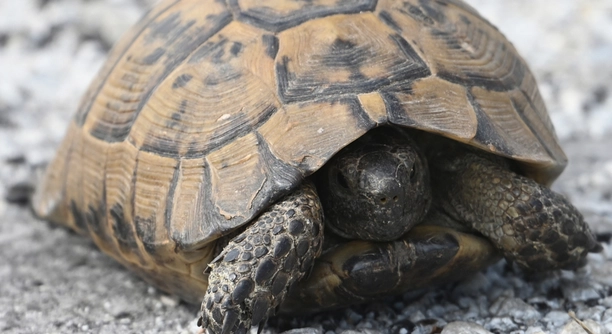
Greek tortoises are known for their healthy appetites and simple diets. If you’re wondering whether oats can be part of their meals, you’re not alone. Many tortoise owners look for safe food options to enhance their pets’ nutrition.
Greek tortoises can eat oats in moderation, but it should not be a regular part of their diet. Oats are high in fiber and carbohydrates, which can lead to digestive issues or weight gain if fed too frequently.
Offering oats occasionally can be a nice treat, but balance is key to keeping your tortoise happy and healthy.
Why Oats Aren’t Ideal for Greek Tortoises’ Regular Diet
Oats are high in fiber, which sounds good, but they also contain more carbohydrates than Greek tortoises typically need. These tortoises thrive on a diet that mimics their natural grazing habits, consisting mainly of grasses, leafy greens, and some flowers. While oats won’t harm them if offered in small amounts, overfeeding can lead to digestive issues and even obesity. The extra carbohydrates can contribute to weight gain, which isn’t ideal for these small, active creatures. Their digestive system is designed to handle more fibrous, low-carb foods, not grains like oats.
It’s easy to think oats are harmless, but moderation is crucial. A small amount won’t hurt, but excessive servings can be problematic.
If you’re trying to mix up your tortoise’s diet, it’s best to stick to foods they would naturally encounter in the wild. Think of leafy vegetables, weeds, and grasses, as these provide the necessary nutrients without adding excess carbs. A variety of safe foods, when given in the right amounts, will keep your Greek tortoise happy and healthy.
The Risks of Overfeeding Oats
Feeding oats too frequently can lead to bloating and other digestive problems. Their diet should remain fiber-rich and low in sugars, which oats don’t fit.
Offering a balanced diet that suits their natural eating habits can prevent health problems like obesity and dehydration. Always remember to serve oats in small quantities and focus more on leafy greens and grasses for long-term health.
Moderation Is Key When Feeding Oats
When giving oats to Greek tortoises, moderation matters. Too much can upset their digestion or lead to weight gain, but a little here and there won’t hurt. Think of oats as a treat, not a staple in their diet.
Tortoises don’t require grains to stay healthy, and their natural diet is much more focused on plants that are low in carbohydrates and high in fiber. Oats, with their high carb content, can cause issues if served too frequently. A small handful once in a while is enough to offer a bit of variety, but should never replace their regular diet of leafy greens and vegetables.
It’s also important to remember that Greek tortoises in the wild forage for grasses and other plant matter. Their digestive system isn’t built to handle excess grains, which is why careful portion control when offering oats is crucial. Stick to a well-rounded diet to avoid unwanted health problems.
Alternatives to Oats for Greek Tortoises
Instead of oats, consider offering your tortoise foods that better suit their dietary needs, like dandelion greens, collard greens, and plantains. These offer more of the nutrition they require.
Greek tortoises benefit from a variety of dark leafy greens, which should be the cornerstone of their diet. They can also have flowers like hibiscus, and some fruits as a rare treat. By offering different plants, you can make mealtime more interesting without risking their health. Stick to foods that are high in fiber and low in sugar for the best results.
How to Safely Introduce Oats to a Greek Tortoise’s Diet
If you want to offer oats, start slow. A small pinch mixed in with their usual food is a safe way to introduce oats without overwhelming their digestive system. Monitor for any signs of discomfort.
Watch for any changes in their stool or behavior after offering oats. If everything seems normal, you can continue offering it occasionally. However, always prioritize their regular diet of leafy greens. Over time, your tortoise will be healthier and happier if oats remain a rare treat rather than a regular meal.
The Importance of Hydration for Greek Tortoises
Hydration is crucial for Greek tortoises. Ensure your tortoise always has access to clean, fresh water, especially if you’re feeding dry foods like oats. Dehydration can lead to serious health issues.
Water is vital for digestion, and providing it regularly will help with the breakdown of food, especially fiber-heavy meals like the leafy greens they rely on. Keep the water bowl in a safe, easy-to-access spot. This will encourage your tortoise to drink and stay hydrated for optimal health.
FAQ
Can Greek tortoises eat oats every day?
No, Greek tortoises should not eat oats every day. Oats are high in carbohydrates and can upset their digestive system if fed too frequently. A balanced diet that mimics what they would naturally eat in the wild is ideal for their health. Stick to grasses, leafy greens, and occasional flowers to provide a more suitable nutritional profile.
Are oats bad for Greek tortoises?
Oats are not inherently bad, but they are not the best food for Greek tortoises either. When given in moderation, oats can be a harmless treat, but their high carbohydrate content makes them unsuitable for regular consumption. Overfeeding oats could lead to digestive problems, weight gain, and imbalance in their diet.
How much oats can I feed my Greek tortoise?
A small pinch of oats, mixed in with their regular food, is enough. You should only give oats occasionally as a treat, no more than once or twice a week. It’s essential to focus on their primary food sources, such as leafy greens, to meet their nutritional needs.
Can oats be harmful to baby Greek tortoises?
Yes, oats can be particularly harmful to baby tortoises. Their digestive system is still developing, and they require a more specialized diet that focuses on fiber and low carbohydrates. Offering oats to a baby tortoise could disrupt their digestive processes and lead to health problems. It’s best to avoid oats entirely for babies.
What is the best diet for a Greek tortoise?
The best diet for a Greek tortoise consists primarily of high-fiber, low-carb foods such as dandelion greens, collard greens, clover, and various weeds. Leafy greens should make up most of their food intake. Occasional treats, like flowers and some fruits, are fine but should never be the focus of their diet.
Can I feed my Greek tortoise oats if it has other foods with them?
If you decide to feed oats alongside other foods, make sure it is in small amounts. For example, a pinch of oats mixed with leafy greens or other safe plants can be an occasional addition. The main focus, however, should always remain on providing them with natural, plant-based foods that support their health.
Are oats more nutritious than other foods for Greek tortoises?
No, oats are not more nutritious than other foods like leafy greens or grasses, which offer more balanced nutrients. While oats contain fiber, they don’t provide the essential vitamins and minerals that tortoises need for proper growth and health. Foods like dandelion greens, clover, and edible flowers are far superior in nutrition.
Can oats help with my tortoise’s digestion?
Oats do contain fiber, which can aid digestion in some cases. However, they are not ideal for Greek tortoises. High-fiber foods from their natural diet, such as grasses and leafy greens, provide the best digestive support. Oats should only be fed occasionally to avoid digestive upset.
Can I feed oats to a sick Greek tortoise?
It’s best not to feed oats to a sick tortoise. If your tortoise is unwell, offering foods that are high in fiber, low in carbohydrates, and easy to digest is essential. It’s always best to consult with a veterinarian to determine the best food for your tortoise during illness.
Are oats a good source of calcium for Greek tortoises?
No, oats are not a significant source of calcium. Greek tortoises need foods rich in calcium for healthy shell and bone development. Greens like kale, collard greens, and dandelion greens are better choices for calcium. You can also supplement their diet with calcium powder if needed.
How do I know if oats are upsetting my tortoise’s digestion?
If your tortoise’s stool becomes loose or unusually soft after eating oats, or if it seems lethargic, these are signs that the oats might be upsetting its digestion. Monitor your tortoise closely after introducing new foods, and if any adverse symptoms appear, discontinue feeding oats and revert to their regular diet.
Can oats be part of a tortoise’s varied diet?
Yes, oats can be part of a varied diet as long as they are given in moderation. They should not replace the staple foods that your tortoise relies on for proper nutrition. Offering a variety of safe plants and greens will ensure that your tortoise’s diet remains balanced and healthy.
Final Thoughts
In conclusion, Greek tortoises can eat oats, but they should be offered in moderation. Oats are not a natural part of their diet, and while they may provide some fiber, they are high in carbohydrates, which could lead to digestive problems or weight gain if fed too often. It’s important to remember that Greek tortoises thrive on a diet focused on leafy greens, grasses, and other plant matter that is low in carbohydrates. Offering oats as a rare treat, no more than once or twice a week, is the best approach to keep your tortoise healthy without overloading them with unnecessary nutrients.
When introducing new foods like oats into a tortoise’s diet, it’s always wise to start small and observe how they react. Look out for signs of digestive upset, such as loose stool or changes in behavior. If any issues arise, remove oats from their diet and return to foods that are more suitable for their nutritional needs. Greek tortoises need a variety of greens and occasional flowers to stay healthy, and these should be the main focus of their meals. A well-rounded diet can prevent long-term health problems and keep your tortoise active and content.
Ultimately, the goal is to provide a balanced diet that mimics the natural foods Greek tortoises would find in the wild. While oats can be a fun, occasional addition to their meals, they should never replace the nutritious plants that support their overall well-being. By understanding the importance of moderation and focusing on the right types of food, you’ll help ensure your tortoise stays healthy and happy for many years to come.

Hello,
If you enjoy the content that we create, please consider saying a "Thank You!" by leaving a tip.
Every little bit helps us continue crafting quality advice that supports the health, happiness, and well-being of pets around the world, for pets of all shapes, sizes, and species.
We really appreciate the kindness and support that you show us!