
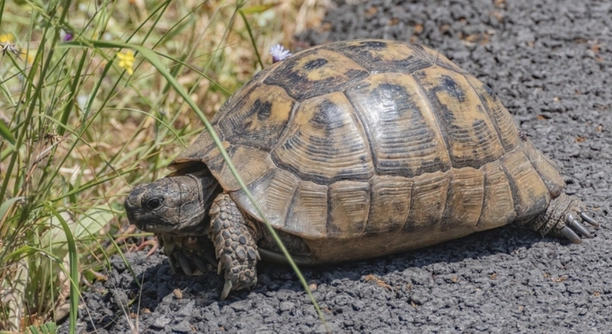
Are you wondering whether Greek tortoises can safely eat mushrooms or if they pose a risk to their health? Understanding what foods are suitable for your tortoise is essential to maintaining a balanced diet and preventing potential health issues from toxic foods.
Greek tortoises should not eat wild mushrooms due to the risk of toxicity. While some store-bought varieties may be safe in small amounts, mushrooms offer little nutritional value and could contain harmful compounds that negatively affect a tortoise’s digestive system.
Feeding Greek tortoises the right diet ensures their long-term health. Learning which foods to avoid will help you make better dietary choices for your pet.
Are Mushrooms Safe for Greek Tortoises?
Mushrooms are not a recommended food for Greek tortoises. While some store-bought varieties may not be immediately toxic, they offer little nutritional value. Many wild mushrooms contain harmful compounds that could negatively affect a tortoise’s health. Even safe mushrooms can be difficult to digest, leading to potential digestive discomfort. Greek tortoises thrive on a diet rich in leafy greens, flowers, and occasional fruits. Including foods that lack essential nutrients could lead to imbalances over time. When introducing new foods, it is important to research their safety and monitor any potential reactions. A tortoise’s digestive system is sensitive, and certain foods that are safe for humans or other pets may not be suitable. Since mushrooms do not provide any significant benefits, it is best to avoid them entirely. Instead, focus on offering a variety of fresh vegetables, safe plants, and calcium-rich foods to support overall health.
Feeding Greek tortoises properly helps them stay active and healthy. Avoiding unnecessary risks by eliminating mushrooms from their diet ensures their well-being.
If you are unsure about a specific food, consulting a reptile veterinarian can provide clarity. Observing natural feeding habits and sticking to recommended foods will help maintain a balanced and nutritious diet.
What Should Greek Tortoises Eat Instead?
A Greek tortoise’s diet should consist mainly of leafy greens, flowers, and occasional fruits. These foods provide essential vitamins and minerals to support their growth and overall well-being. Avoid foods that are high in oxalates or phosphorus, as they can interfere with calcium absorption.
Leafy greens like dandelion greens, collard greens, and mustard greens should make up the majority of their diet. Edible flowers such as hibiscus and rose petals offer variety and additional nutrients. Some fruits, like berries or melons, can be given in moderation but should not be a primary food source. High-fiber plants like cactus pads and certain weeds are excellent additions. Fresh, clean water should always be available. Avoid feeding foods high in protein, processed items, or anything that may cause digestive distress. By offering a variety of safe, nutrient-rich foods, you can help your Greek tortoise maintain a healthy and balanced diet.
Risks of Feeding Mushrooms to Greek Tortoises
Mushrooms can contain toxins that affect a tortoise’s digestive system and overall health. Some varieties produce harmful compounds that may lead to digestive distress or long-term health problems. Even store-bought mushrooms, while not always toxic, provide no real nutritional benefit for Greek tortoises.
Toxic mushrooms can cause symptoms like lethargy, vomiting, diarrhea, and lack of appetite. If a tortoise consumes a wild mushroom, it may experience serious health issues that require immediate veterinary attention. Some toxins can affect internal organs, leading to long-term damage. Since it is difficult to identify safe mushrooms without expert knowledge, it is best to avoid them entirely. Sticking to a diet of known, safe foods helps reduce unnecessary risks and supports a tortoise’s well-being.
Even non-toxic mushrooms can be hard to digest. A tortoise’s digestive system is adapted to processing fibrous plant matter, not fungi. Consuming mushrooms could lead to bloating, discomfort, or indigestion. Over time, improper foods may contribute to deficiencies or imbalances that affect their overall health. By focusing on nutrient-rich greens and flowers, you can ensure that your tortoise gets everything it needs without unnecessary risks.
How to Ensure a Healthy Diet for Your Greek Tortoise
A balanced diet should consist mainly of leafy greens, edible flowers, and some fibrous plants. These provide essential vitamins and minerals needed for growth and long-term health. Avoid foods that contain high oxalates, excessive sugars, or proteins, as they can interfere with calcium absorption or digestion.
Calcium is essential for shell and bone health, so providing cuttlebone or calcium-rich foods is important. Safe options include dandelion greens, mustard greens, and hibiscus flowers. Fruits like strawberries or melons should only be given occasionally due to their sugar content. Avoid feeding processed foods, dairy, or high-protein items, as they can lead to health complications. Fresh water should always be available, and food should be offered in moderation to prevent overeating. Following these guidelines helps keep your tortoise strong and active.
Signs of Toxic Mushroom Ingestion
A tortoise that has eaten a toxic mushroom may show symptoms like lethargy, loss of appetite, diarrhea, or vomiting. In severe cases, toxins can affect the liver or nervous system, leading to tremors, seizures, or paralysis. Immediate veterinary care is necessary if poisoning is suspected.
Mushroom toxicity symptoms can appear within hours or take days to develop. Some toxins cause gradual organ damage, making early detection crucial. If a tortoise exhibits unusual behavior, weakness, or difficulty moving, removing any remaining food and seeking veterinary guidance can prevent further complications. Monitoring their diet closely helps prevent accidental ingestion.
What to Do if Your Tortoise Eats a Mushroom
If a tortoise eats a mushroom, remove any remaining pieces immediately. Take note of any symptoms and try to identify the mushroom if possible. Contact a reptile veterinarian as soon as possible, as early treatment can prevent serious health issues. Do not wait for symptoms to worsen before seeking help.
Preventing Accidental Mushroom Consumption
Checking your tortoise’s enclosure for wild mushrooms regularly can prevent accidental ingestion. Mushrooms often grow in damp environments, so removing excess moisture and keeping the habitat clean can reduce their appearance. Supervised outdoor time and a controlled diet ensure your tortoise stays safe from harmful foods.
FAQ
Can Greek tortoises eat store-bought mushrooms?
Store-bought mushrooms are generally safer than wild ones, but they still offer little nutritional value for Greek tortoises. While some varieties are not toxic in small amounts, it’s best to avoid mushrooms altogether. A tortoise’s diet should primarily consist of leafy greens, edible flowers, and fibrous plants, all of which provide more essential nutrients for overall health. Even safe mushrooms can cause digestive issues, so sticking to well-known, safe foods is a safer option.
How do I know if a mushroom is toxic to my tortoise?
Identifying toxic mushrooms can be difficult without expert knowledge. Some mushrooms are poisonous to tortoises, and even non-toxic varieties may cause digestive discomfort. Since it is challenging to tell whether a mushroom is safe or harmful, it is best to avoid feeding mushrooms altogether. If your tortoise eats a mushroom, closely monitor for symptoms like lethargy, loss of appetite, or digestive upset. If any unusual signs appear, seek veterinary assistance immediately.
What are the signs of mushroom poisoning in Greek tortoises?
Signs of mushroom poisoning include lethargy, vomiting, diarrhea, and lack of appetite. In more severe cases, toxic mushrooms can cause neurological symptoms like tremors, seizures, or difficulty moving. If poisoning is suspected, contact a reptile veterinarian immediately for guidance and treatment. Early intervention is critical to preventing long-term damage.
What should I do if my tortoise eats a mushroom?
If your tortoise eats a mushroom, remove any remaining pieces immediately and monitor for signs of poisoning. Contact a veterinarian to identify the mushroom and assess whether it poses a risk to your tortoise. Do not wait for symptoms to appear; prompt action can make a significant difference in recovery.
Can mushrooms cause long-term damage to my tortoise’s health?
Yes, consuming toxic mushrooms can cause long-term health issues. Some mushroom toxins affect the liver and other organs, leading to chronic health problems. Early symptoms might not seem severe, but the toxins can accumulate, causing internal damage over time. It’s important to get a tortoise checked by a veterinarian if they ingest mushrooms, even if they seem fine initially.
Are there any safe mushrooms for tortoises?
Even though some store-bought mushrooms may not be immediately toxic, there are no mushrooms that are considered safe for Greek tortoises. Mushrooms provide minimal nutritional value and may cause digestive issues. To keep your tortoise healthy, avoid offering mushrooms and focus on a balanced diet of fresh vegetables, fruits in moderation, and edible plants.
Can I feed my tortoise mushrooms in moderation?
Mushrooms should not be fed to Greek tortoises, even in moderation. They don’t contribute significant nutritional benefits, and even small amounts can cause digestive problems. Since mushrooms can be difficult to digest and might lead to long-term health issues, it is best to avoid them completely and focus on more suitable foods for your tortoise’s diet.
How do mushrooms affect a tortoise’s digestion?
Mushrooms are hard for a tortoise to digest due to their composition. A tortoise’s digestive system is designed for plant-based, fibrous foods, and mushrooms don’t provide the necessary nutrients. They may cause digestive upset, leading to symptoms such as bloating, discomfort, and diarrhea. In some cases, mushrooms can lead to more serious internal issues.
What are the best foods for a Greek tortoise?
The best foods for a Greek tortoise include a variety of leafy greens like dandelion greens, mustard greens, and collard greens. Flowers such as hibiscus, dandelion, and clover are also great additions. High-fiber plants like cactus pads, weeds, and certain edible grasses can be included for variety. Avoid foods that are high in protein, phosphorus, or sugars. Fruits should be given sparingly, while fresh water should always be available.
Can I feed mushrooms to my tortoise if they are cooked?
It is not recommended to feed mushrooms to your Greek tortoise, even if they are cooked. While cooking mushrooms might reduce the risk of some toxins, they still offer no nutritional benefit and can cause digestive problems. Greek tortoises need a diet rich in fibrous plants and leafy greens to thrive. It’s best to stick to safe, healthy food options to ensure your tortoise stays healthy.
What other foods should I avoid feeding my tortoise?
There are several foods that should be avoided when feeding a Greek tortoise. These include iceberg lettuce, which lacks nutritional value, as well as foods high in oxalates like spinach and rhubarb. Avoid feeding your tortoise dairy products, processed foods, or anything high in fats or sugars. Foods with high protein levels, like meats, should also be kept away from tortoises. Stick to plant-based, high-fiber foods for a balanced diet.
Final Thoughts
Greek tortoises are sensitive to their diet, and feeding them the wrong foods can lead to serious health problems. While mushrooms may seem like a harmless snack, they do not provide the necessary nutrients for a tortoise and can pose risks. Even though store-bought mushrooms might not be as harmful as wild ones, it is best to avoid them altogether. Mushrooms do not fit into the balanced diet that Greek tortoises need to thrive. A healthy diet includes a variety of leafy greens, flowers, and fibrous plants, which provide essential vitamins and minerals.
Understanding what foods are safe and beneficial for your tortoise is key to ensuring their long-term health. It is important to focus on what tortoises naturally eat in the wild, such as grasses and edible plants. In their natural habitat, they consume high-fiber plants that help with digestion and overall well-being. Providing a diet based on these foods will help maintain their health, reduce the risk of obesity, and support a proper digestive system. Avoiding risky foods like mushrooms can help prevent unnecessary health issues.
Lastly, monitoring your tortoise for any signs of illness after eating something new is always a good practice. If your tortoise accidentally eats a mushroom or any other potentially harmful food, watch for changes in behavior, appetite, or energy levels. Early detection and intervention are important for minimizing any health risks. Taking the time to provide a proper diet, ensuring their environment is safe, and staying informed about what they can and cannot eat will help your tortoise live a healthy and happy life.

Hello,
If you enjoy the content that we create, please consider saying a "Thank You!" by leaving a tip.
Every little bit helps us continue crafting quality advice that supports the health, happiness, and well-being of pets around the world, for pets of all shapes, sizes, and species.
We really appreciate the kindness and support that you show us!