
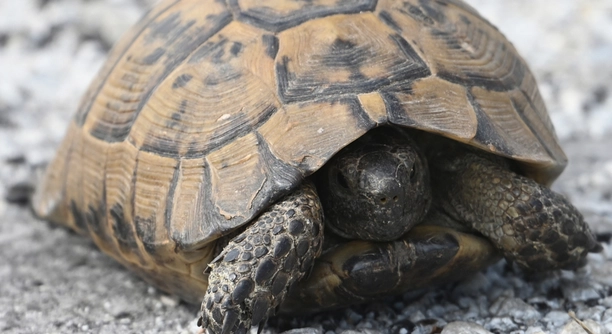
Greek tortoises are known for their varied diet, which includes a range of vegetables. However, it’s important to be aware of which foods are safe and beneficial for them. One such food to consider is leek.
Greek tortoises should avoid leeks due to the presence of compounds that can be harmful to their health. The high levels of sulfur and oxalates in leeks can cause digestive issues, kidney problems, and other health concerns if consumed regularly.
There are better food options for Greek tortoises that offer the nutrients they need without the risks associated with leeks. Understanding these dietary choices will help maintain their health and longevity.
Why Leeks Can Be Dangerous for Greek Tortoises
Leeks, while a healthy vegetable for humans, can pose risks for Greek tortoises. Their high levels of sulfur and oxalates make them unsuitable for your pet’s diet. Greek tortoises are herbivores and thrive on leafy greens, grasses, and certain vegetables, but leeks can cause digestive upset. The oxalates in leeks can interfere with calcium absorption, leading to kidney problems or metabolic issues. Over time, regular consumption could result in more severe health problems, including kidney damage. Avoiding leeks is essential to ensure your tortoise stays healthy and comfortable.
Leeks, while nutritious for humans, aren’t suitable for Greek tortoises. Their components can create significant health problems, which is why it’s best to keep them off your tortoise’s menu.
Instead of leeks, offering your Greek tortoise vegetables like dandelion greens, collard greens, and parsley can provide the necessary vitamins and minerals. These are better options that support the digestive system and calcium absorption. Additionally, a diet rich in these vegetables can promote healthy growth and shell development. Offering a variety of safe vegetables also keeps meals interesting and balanced for your tortoise.
The Importance of a Balanced Diet
A balanced diet for your tortoise is crucial in maintaining its overall health. Greek tortoises, in particular, require a variety of greens and vegetables to thrive. Leafy greens, such as kale and turnip greens, provide essential vitamins and fiber. While fruits are occasionally acceptable, they should be limited as they are high in sugars. It’s also essential to offer a mix of grasses like Timothy hay, which is a great source of fiber and aids in digestion. By avoiding harmful vegetables like leeks, you can provide your tortoise with the necessary nutrients for optimal health.
A varied and balanced diet ensures your tortoise gets everything it needs without the risks of harmful foods. Make sure to include a mix of greens, grasses, and safe vegetables.
Introducing a healthy diet early on can prevent problems down the line. Greek tortoises are prone to shell deformities and metabolic bone disease if they don’t get the proper nutrition. Providing them with the right diet also supports their immune system, making them less susceptible to infections. This proactive approach can improve your tortoise’s quality of life. Just like humans, tortoises need a balanced intake of vitamins, minerals, and fiber. It’s important to research and provide what’s best for them to live long and healthy lives. Keeping them away from unsafe foods like leeks will make all the difference.
What Happens If Your Tortoise Eats Leeks?
If a Greek tortoise eats leeks, the immediate concern is digestive discomfort. The sulfur compounds in leeks can cause stomach upset, which leads to bloating, diarrhea, and a general feeling of discomfort. Over time, this could result in more severe health issues if it becomes a regular part of their diet.
Consuming leeks can also interfere with calcium absorption due to the high levels of oxalates. This reduces the tortoise’s ability to maintain healthy bones and shells. Over time, this might lead to metabolic bone disease, which is a serious condition that affects tortoise growth and overall health. Keeping leeks out of their diet helps avoid these long-term problems.
It’s important to watch for any signs of distress after feeding a tortoise something new. If they’ve eaten leeks by mistake, keep a close eye on their behavior and health. Any signs of discomfort should be addressed with proper veterinary care. It’s always best to consult with a reptile vet if you suspect something might be wrong.
Safe Vegetables for Greek Tortoises
Greek tortoises thrive on leafy greens and a variety of vegetables, which provide necessary nutrients. Dandelion greens, kale, and collard greens are some of the safest options. They are rich in vitamins A, C, and K, and also provide essential fiber that supports digestive health.
These vegetables should be a regular part of their diet, offering both nutritional balance and variety. You can also include other safe vegetables like zucchini and bell peppers in small amounts. However, keep in mind that vegetables like spinach and kale should be fed in moderation due to their oxalate content.
Providing fresh vegetables, along with a variety of grasses like hay, ensures a well-rounded diet for your tortoise. Avoid feeding fruits and high-sugar vegetables too often, as these can cause digestive upset. Instead, focus on greens that are high in fiber and low in harmful compounds.
How to Safely Introduce New Foods
When introducing new foods, do so gradually to avoid digestive issues. Start with small portions and monitor your tortoise’s reaction over several days. This ensures that any new vegetable is well tolerated. If no negative symptoms appear, it can become a regular part of their diet.
Remember to always wash vegetables thoroughly to remove pesticides or chemicals. This is especially important when feeding store-bought greens. Organic options are preferred, but make sure they’re free from harmful additives. A clean diet is essential for a healthy tortoise, and fresh food is always the safest choice.
Monitoring Your Tortoise’s Health
Regular check-ups with a reptile vet help monitor your tortoise’s overall health. Keeping track of their weight and shell condition is key to identifying any issues early. This proactive approach can catch health problems before they become serious.
It’s important to make adjustments to their diet if you notice signs of weight loss or changes in activity. Healthier tortoises are more active, with bright eyes and a well-maintained shell. Keep a consistent feeding schedule and avoid overfeeding, as obesity can also lead to other health issues like respiratory problems.
FAQ
Can Greek tortoises eat onions?
Onions are also harmful to Greek tortoises, much like leeks. They contain compounds that can damage the digestive system and lead to kidney problems. Avoid feeding onions altogether to ensure your tortoise’s health remains stable.
What vegetables can Greek tortoises eat every day?
Greek tortoises can eat leafy greens such as dandelion greens, collard greens, and turnip greens every day. These vegetables provide essential nutrients and fiber. You can also offer them occasional additions like bell peppers and zucchini, but stick primarily to high-fiber greens for the best results.
Is it safe to feed Greek tortoises fruits?
Fruits should only be given to Greek tortoises in moderation. While some fruits, like strawberries and melon, are safe, they are high in sugar. Overfeeding fruits can cause digestive issues and obesity. Stick to small amounts and make sure vegetables form the majority of their diet.
Can Greek tortoises eat tomatoes?
Tomatoes can be fed to Greek tortoises, but only in small quantities. They should be treated as a treat rather than a regular part of their diet. Tomatoes are high in moisture and can cause diarrhea if overfed, so limit their intake.
How often should Greek tortoises eat?
Greek tortoises should be fed daily, but their portions should be adjusted based on their age and size. Juveniles tend to eat more frequently, while adults may only need food every other day. Always provide fresh, varied meals and clean water daily.
What are signs that my tortoise is not eating enough?
Signs of inadequate nutrition in Greek tortoises include weight loss, lethargy, and a decrease in activity. A poorly maintained shell or soft, weakened limbs can also be signs that your tortoise isn’t getting enough nutrients. If you notice any of these signs, consult a vet.
How much water do Greek tortoises need?
Greek tortoises need access to fresh water at all times. They may not drink much, but hydration is still crucial for proper digestion and overall health. You can also soak your tortoise in a shallow water dish for 10-15 minutes once or twice a week to encourage drinking.
Is it okay to feed Greek tortoises flowers?
Certain edible flowers, such as hibiscus, dandelions, and clover, are safe for Greek tortoises. Always make sure the flowers are pesticide-free. Avoid flowers from unknown sources as they may be toxic to your tortoise.
Can Greek tortoises eat lettuce?
Lettuce, particularly iceberg lettuce, is not ideal for Greek tortoises due to its low nutritional value. While it won’t harm them in small amounts, it should not be a primary food source. Opt for more nutrient-dense greens like kale or collard greens instead.
How can I ensure my Greek tortoise is getting enough calcium?
To ensure adequate calcium intake, provide a calcium supplement or offer cuttlebone in your tortoise’s enclosure. Calcium is crucial for healthy shell growth and bone development. Pair this with a proper diet high in calcium-rich vegetables, such as dandelion greens, for the best results.
Are there any foods I should avoid feeding my Greek tortoise?
In addition to leeks, onions, and high-oxalate foods like spinach, avoid feeding your tortoise processed foods, dairy, and meat. Greek tortoises are herbivores and do not require animal protein in their diet. Stick to fresh, natural foods for optimal health.
How can I tell if my Greek tortoise is healthy?
A healthy Greek tortoise should have clear, bright eyes, a firm and smooth shell, and active, strong limbs. It should be eating regularly and moving around in its enclosure. If you notice any changes in behavior, appearance, or eating habits, consult a vet.
Can Greek tortoises eat carrots?
Carrots can be offered to Greek tortoises, but only in small amounts. They are high in sugar, which can cause digestive issues if overfed. It’s best to use carrots as an occasional treat rather than a regular part of their diet.
Is it necessary to supplement my Greek tortoise’s diet with vitamins?
In most cases, a well-balanced diet with a variety of greens and vegetables should provide your Greek tortoise with the necessary vitamins. However, if your tortoise shows signs of deficiencies, such as soft shell or lethargy, consider adding a reptile multivitamin supplement under the guidance of a vet.
How do I know if my Greek tortoise is dehydrated?
Signs of dehydration in Greek tortoises include sunken eyes, lethargy, and a dry or cracked shell. You may also notice a lack of appetite or difficulty passing stool. If you suspect dehydration, soak your tortoise in shallow water and offer fresh, clean water daily.
Can Greek tortoises eat bell peppers?
Bell peppers are safe for Greek tortoises and can be included in their diet in moderation. They are a good source of vitamin C and other nutrients. Just remember to remove any seeds and feed them in small amounts to avoid digestive upset.
Can I feed my Greek tortoise wild plants?
Wild plants can be a great addition to a Greek tortoise’s diet, but they must be carefully identified to ensure they are safe. Avoid plants near roadsides or those that may have been exposed to pesticides. Research any wild plant before offering it to your tortoise.
Final Thoughts
Feeding your Greek tortoise a balanced and varied diet is essential for its overall health and longevity. While there are many food options available, it is important to focus on foods that are both nutritious and safe. Offering a mix of leafy greens, occasional fruits, and edible flowers ensures that your tortoise receives the proper nutrients. Be cautious with certain vegetables, such as leeks and onions, as they can be harmful to your tortoise’s health. Consistency in offering fresh, high-quality food will contribute significantly to maintaining a healthy and active tortoise.
Monitoring your tortoise’s health is key to ensuring that it thrives. Always pay attention to its behavior, weight, and the condition of its shell. If any unusual signs appear, such as loss of appetite, lethargy, or changes in stool, it may indicate a dietary or health issue that needs attention. Regular check-ups with a vet will help detect any potential problems early on. A healthy tortoise should have clear eyes, a firm shell, and be active within its enclosure. Make sure to adjust its diet as needed based on age, activity level, and any specific health concerns.
Overall, Greek tortoises are relatively easy to care for when their dietary and environmental needs are met. Proper hydration, a consistent feeding schedule, and a safe, clean environment are essential. Providing calcium supplements, like cuttlebone, and ensuring access to fresh water are also important. It’s crucial to avoid overfeeding, as obesity can lead to various health issues. By following these guidelines and being mindful of what your tortoise eats, you will help create a healthy, thriving companion.

Hello,
If you enjoy the content that we create, please consider saying a "Thank You!" by leaving a tip.
Every little bit helps us continue crafting quality advice that supports the health, happiness, and well-being of pets around the world, for pets of all shapes, sizes, and species.
We really appreciate the kindness and support that you show us!