
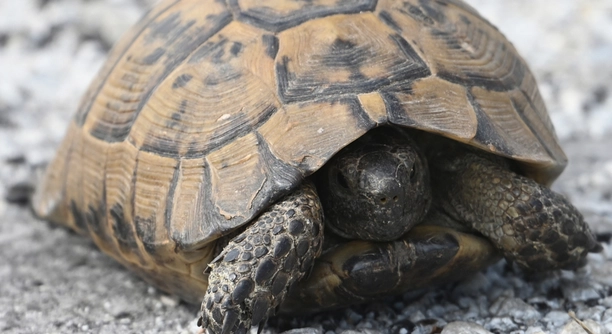
Greek tortoises are known for their curious eating habits, often munching on plants and grasses found in their environment. But can they eat ferns? Many owners wonder if these plants are safe for their shelled companions.
Greek tortoises can eat ferns, but some species may be harmful. It’s important to know which ferns are safe and avoid toxic varieties. While most ferns are not toxic to tortoises, it’s always best to research before feeding them.
Understanding what your tortoise can and cannot eat is key to ensuring their health. The right diet contributes greatly to their well-being, so be sure to check what plants they can safely enjoy.
Can Greek Tortoises Eat All Types of Ferns?
Not all ferns are suitable for Greek tortoises. While most ferns are non-toxic, some can cause problems for them. It’s important to identify the right types of ferns and avoid those that may be harmful. For example, ferns like bracken can be toxic to many reptiles, including tortoises. Always double-check the fern species before offering it to your tortoise. Certain ferns might cause digestive issues or even pose a risk to their health in the long run. By researching specific plants and knowing which ones are safe, you can avoid unnecessary harm and keep your tortoise healthy.
It’s essential to be cautious when offering new plants to your tortoise. If you’re unsure, consult a reliable source to ensure that the fern is safe for them. The right fern can offer variety in their diet.
If you decide to give your tortoise a fern, always monitor their reaction to the plant. Some tortoises may have sensitivities to certain types, leading to stomach upset or changes in behavior. To be extra cautious, avoid overfeeding ferns. A balanced diet with grasses, leafy greens, and safe vegetables is always a better choice. If you’re growing ferns at home, it’s best to confirm the species before including them in your tortoise’s meals.
Are Ferns Part of a Greek Tortoise’s Natural Diet?
While ferns aren’t typically part of their wild diet, Greek tortoises may nibble on them if available. In their natural habitats, these tortoises focus more on grasses, leaves, and flowers. Some wild tortoises do consume small amounts of ferns, especially during the warmer months when food sources are more varied.
Greek tortoises have evolved to eat a variety of plant-based foods, with a preference for vegetation like grasses and weeds. Though not a major part of their diet, ferns can occasionally be consumed in the wild if they come across them. However, in captivity, it’s better to stick with more common foods that are specifically suited to their nutritional needs. Greek tortoises thrive on a high-fiber, low-protein diet that mimics their natural intake. Ferns should be seen as an occasional treat, rather than a staple. The focus should remain on safe leafy greens, dandelion leaves, and other suitable plants that provide the proper nutrients.
Toxic Ferns to Avoid for Greek Tortoises
Not all ferns are safe for Greek tortoises. Some, like bracken fern, contain compounds that can be toxic to them. These compounds can cause long-term health issues, such as liver damage. It’s crucial to know which ferns are dangerous and to avoid them completely. Always double-check before feeding any fern to your tortoise.
Bracken fern, in particular, is a common toxic fern that should never be offered. It contains carcinogenic properties that can harm the liver over time, leading to serious health problems. While it may seem harmless, regular exposure to this fern can lead to irreversible damage. Many tortoises may nibble on ferns in the wild, but it’s best to keep them away from bracken and other harmful species. Always research the ferns you come across, especially if you’re unsure about the species. When in doubt, it’s safer to stick with known, safe plants.
It’s essential to be vigilant about the types of ferns and other plants your tortoise has access to. Even seemingly harmless plants can cause serious damage in the long term. To protect your tortoise, avoid foraging wild ferns unless you can identify them with certainty. It’s better to offer them a controlled diet made of safe, reliable greens. Knowing the difference between safe and toxic plants can ensure your tortoise remains healthy and happy.
Identifying Safe Ferns for Greek Tortoises
Identifying safe ferns can be tricky, but it’s worth the effort. The key is to ensure the fern doesn’t contain toxic compounds that could harm your tortoise. Many safe varieties of ferns, such as maidenhair ferns, are generally non-toxic. However, always research the species you plan to feed.
Safe ferns can provide your tortoise with variety, but they should still be fed in moderation. A tortoise’s diet should consist mostly of grasses, leaves, and other plants that offer the right nutrients for long-term health. Even safe ferns should only be offered occasionally as part of a well-rounded diet. Too much of any one food can upset their digestive balance. So, while offering a safe fern now and then is fine, make sure to focus on a variety of other plants that are known to be safe for tortoises. Always err on the side of caution when adding new foods.
Can Ferns Cause Digestive Problems in Greek Tortoises?
Ferns, even the safe varieties, can sometimes cause digestive issues if eaten too often. Greek tortoises have sensitive digestive systems, and introducing new foods, including ferns, may upset their stomachs. It’s important to avoid feeding too many ferns at once.
A sudden change in diet, including the introduction of ferns, can lead to loose stools or discomfort in your tortoise. If you notice any signs of digestive distress, such as diarrhea or lack of appetite, it’s best to stop offering the ferns. A slow, balanced introduction to new plants is always recommended.
How Often Can You Feed Ferns to Greek Tortoises?
Ferns should be treated as an occasional treat, not a regular part of your tortoise’s diet. Even safe varieties should only be given once or twice a week. This ensures that they get the right balance of nutrients without overloading on any particular plant.
Feeding ferns too often could throw off your tortoise’s natural balance. Stick to a variety of greens, grasses, and occasional vegetables that provide the vitamins and minerals needed for their overall health. By mixing up their diet, you avoid potential problems and keep them satisfied.
Are There Alternatives to Ferns for Greek Tortoises?
If you’re looking for alternatives to ferns, there are many safe plants for Greek tortoises to enjoy. Dandelion leaves, clover, and hibiscus flowers are all great options. These plants are safe, nutritious, and much easier to find.
Switching to safe, alternative plants ensures your tortoise gets variety without the risks associated with ferns. Always stick with plants that are proven safe and available from trusted sources to maintain their health and wellness.
Can Greek Tortoises Eat Ferns Every Day?
It’s not recommended to feed Greek tortoises ferns every day. While safe ferns can occasionally be part of their diet, they shouldn’t be a daily staple. Greek tortoises thrive on a variety of plants, mainly grasses and leafy greens, which provide the proper nutrients they need. Overfeeding ferns, even safe varieties, could lead to digestive problems or imbalanced nutrition. A healthy tortoise diet should focus on high-fiber, low-protein plants that mimic their natural food sources. Ferns, when fed in moderation, are fine, but they should not replace essential greens like dandelion leaves or clover.
Are Ferns Safe for Baby Greek Tortoises?
Baby Greek tortoises are more sensitive to their diet than adults, so caution is needed when feeding them ferns. While safe ferns are not inherently harmful, it’s best to avoid offering them until your tortoise is older. Baby tortoises require a carefully balanced diet with foods that support their growth and development. At this stage, focus on high-quality leafy greens like kale, collard greens, and grasses, which provide essential nutrients for their bones and overall health. Once your tortoise reaches adulthood, you can consider offering ferns as an occasional treat.
Can Greek Tortoises Eat Ferns from the Wild?
If you’re considering feeding your Greek tortoise ferns from the wild, you need to be very careful. While some ferns are safe, others may contain harmful chemicals or toxins. Wild plants are unpredictable, and you may unintentionally offer a toxic fern, like bracken, which can cause long-term damage. Always research the ferns you plan to pick from the wild to ensure they are safe. If you’re uncertain, it’s safer to avoid foraging wild ferns and instead buy plants from reputable sources. Wild plants can also carry pesticides or parasites that could harm your tortoise.
How Can I Tell if a Fern is Safe for My Tortoise?
The safest way to identify a safe fern is to do thorough research. Look for common fern species that are known to be non-toxic to tortoises, such as maidenhair ferns. Avoid ferns like bracken, which contain toxic compounds. When in doubt, consult a plant identification guide or seek advice from a veterinarian or reptile expert. If you are still unsure, consider sticking to other safer plant options, such as dandelions, clover, and hibiscus flowers. It’s always better to be cautious, as certain species can have harmful effects even if they appear harmless.
What are the Risks of Feeding Tortoises Toxic Ferns?
Feeding Greek tortoises toxic ferns can lead to severe health problems. Toxic ferns, like bracken, contain carcinogenic compounds that can cause liver damage, digestive distress, or even death if consumed in large quantities. Long-term exposure to toxic plants can lead to irreversible organ damage. If you suspect your tortoise has eaten a toxic fern, contact a veterinarian immediately. Signs of poisoning may include lethargy, lack of appetite, and abnormal behavior. To avoid these risks, always ensure that the plants you’re feeding are identified as safe for your tortoise.
Can Ferns Help with a Tortoise’s Digestive Health?
Ferns don’t offer significant benefits to Greek tortoises’ digestive health compared to other plants. While some ferns are high in fiber, they don’t provide the same nutritional value as grasses or leafy greens. Fiber from grasses and weeds is more beneficial for digestion, helping to maintain regular bowel movements and proper gut health. Ferns can occasionally offer variety in their diet but should not be relied upon for digestive benefits. Instead, focus on plants that are high in fiber, such as dandelion greens or grasses, to ensure optimal digestive function.
Can Greek Tortoises Eat Ferns if They Are Dried?
Dried ferns may lose some of their nutritional value, but they can still be offered to Greek tortoises in small amounts. However, it’s essential to ensure that the ferns have been properly dried and are free from mold, pesticides, or harmful chemicals. Dried ferns should not make up a large portion of the diet, as they won’t provide the same level of hydration as fresh greens. They can be given occasionally as a treat, but fresh, safe plants should still be the primary source of nutrition for your tortoise.
What Other Plants Can Greek Tortoises Eat Instead of Ferns?
Instead of ferns, Greek tortoises can enjoy a variety of other safe, nutritious plants. Dandelion leaves, clover, hibiscus flowers, and kale are all great options. These plants are rich in the vitamins and minerals that tortoises need for strong bones and a healthy immune system. You can also offer them grasses, prickly pear cactus pads, and some vegetables like squash or bell peppers. Be sure to rotate different plants regularly to provide variety and ensure your tortoise gets a balanced diet. Stick to foods that are high in fiber and low in protein for the best health outcomes.
Can Greek Tortoises Eat Ferns with Flowers?
While most ferns don’t produce flowers, some varieties may have reproductive structures that resemble flowers. If you come across a fern with flowers, it’s still important to check whether it’s safe for your tortoise. In general, tortoises should avoid consuming plants with flowers if you’re unsure about their safety. While flowers from non-toxic plants, like dandelions, can be safe, those from unknown species may contain toxins. Always identify the species thoroughly before offering any fern or flower to your tortoise to avoid potential risks.
When it comes to feeding Greek tortoises, it’s important to focus on providing a balanced and varied diet. While ferns can be an occasional treat, they shouldn’t make up a large part of their meals. Safe ferns, like maidenhair ferns, are generally okay in moderation, but some species, like bracken, can be harmful. Knowing the difference between the safe and toxic varieties is key to keeping your tortoise healthy. Always research the plants you plan to feed and avoid any that might pose a risk to your tortoise’s health. It’s better to err on the side of caution, as some harmful ferns may cause long-term damage.
The best approach to feeding Greek tortoises is offering a mix of safe, nutritious plants. Dandelions, clover, and leafy greens are excellent choices that provide essential vitamins and minerals. These plants are high in fiber and low in protein, which is ideal for Greek tortoises. By sticking to well-known, safe plants and avoiding risky ones like certain ferns, you can ensure your tortoise gets the right nutrients. A varied diet will help support their digestive system and overall well-being. It’s also important to monitor their health and look for signs of digestive issues or discomfort after introducing new foods.
Lastly, it’s essential to understand that Greek tortoises are herbivores with specific dietary needs. Their diet should closely resemble what they would eat in the wild, with a heavy emphasis on grasses and leaves. While occasional fern treats are fine, their primary food sources should be high in fiber. As you feed your tortoise, always ensure you’re offering a variety of safe options and avoid overfeeding any one type of plant. By staying informed about what’s safe and what’s not, you’ll help your tortoise live a healthy and happy life.

Hello,
If you enjoy the content that we create, please consider saying a "Thank You!" by leaving a tip.
Every little bit helps us continue crafting quality advice that supports the health, happiness, and well-being of pets around the world, for pets of all shapes, sizes, and species.
We really appreciate the kindness and support that you show us!