
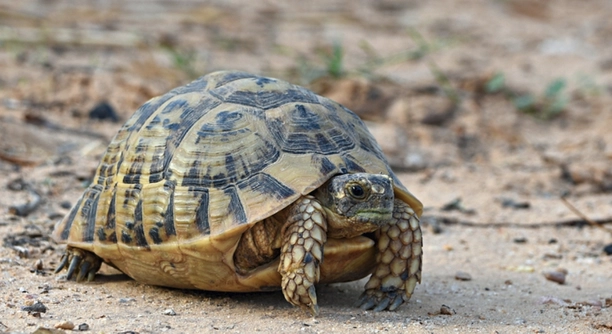
Greek tortoises are popular pets, known for their friendly nature and unique appearance. If you’re a proud tortoise owner, you might wonder about their diet. One common question is whether Greek tortoises can eat cucumber.
Greek tortoises can eat cucumber in moderation. While it is safe for them, cucumbers have high water content and little nutritional value, so they should not be the main food source for your tortoise.
Understanding the role of cucumbers in your tortoise’s diet will help you ensure they are getting the nutrients they need for a long, healthy life.
Why Cucumbers Are Safe for Greek Tortoises
Cucumbers are safe for Greek tortoises to eat in small amounts. They are made up of mostly water, which can help keep your tortoise hydrated. However, cucumbers offer very little nutritional value. Your tortoise requires a variety of vegetables, fruits, and other foods to meet its dietary needs. Feeding too many cucumbers can fill them up without giving them the essential nutrients they need for proper growth and health.
It is essential to include more nutrient-dense foods in their diet, like leafy greens and plants high in fiber, calcium, and vitamins. Cucumbers should just be an occasional treat or supplement.
You may also notice that cucumbers are low in fiber, which is important for digestion in tortoises. While hydration is vital, it is crucial that cucumbers do not replace other, more beneficial foods in your tortoise’s regular meals. A balanced diet will help them grow and stay healthy in the long run.
When to Limit Cucumber Intake
There are times when you should limit cucumber intake for your Greek tortoise. The high water content can lead to loose stools if they eat too much.
A balanced diet that includes a variety of veggies is key. Giving cucumbers too often can make your tortoise too full without providing enough of the vitamins and minerals they need.
The Best Vegetables for Greek Tortoises
Leafy greens like dandelion, collard greens, and mustard greens are among the best vegetables for Greek tortoises. These greens are high in fiber, calcium, and other essential nutrients.
In addition to leafy greens, you can feed your tortoise other vegetables like bell peppers, zucchini, and carrots in moderation. Avoid foods high in oxalates, like spinach and beet greens, as they can interfere with calcium absorption. A variety of vegetables ensures that your tortoise is getting a balanced mix of nutrients.
Fresh, pesticide-free vegetables are the best choice. Organic options are ideal, but if you use store-bought produce, always wash it thoroughly to remove any harmful chemicals. Providing your tortoise with a wide range of vegetables helps keep them healthy and active.
Hydration and its Role in Their Diet
Hydration is important for Greek tortoises, and cucumbers can contribute to their water intake due to their high water content. However, it is not the only source you should rely on.
A shallow water dish should always be available for your tortoise to drink from. In addition to cucumbers, you can offer moist foods like watermelon, tomatoes, and leafy greens to keep them hydrated. Avoid relying too much on watery foods, as they should be part of a balanced diet and not the main hydration source.
Regular soaking in lukewarm water for 15-20 minutes once a week is also a good practice to ensure proper hydration. Just be sure to dry them off afterward to prevent any skin issues.
Avoiding Harmful Foods for Greek Tortoises
Certain foods are harmful to Greek tortoises and should be avoided entirely. These include iceberg lettuce, high-fat foods, and anything too acidic.
Iceberg lettuce has little nutritional value and can cause digestive issues. Foods like avocado and rhubarb are toxic to tortoises and should never be fed to them.
The Importance of Calcium and Vitamin D3
Calcium is crucial for Greek tortoises, as it helps build strong bones and prevents metabolic bone disease. To ensure they get enough, offer calcium-rich foods and supplements.
Vitamin D3 plays an important role in calcium absorption. Without it, your tortoise may struggle to process calcium properly. Exposure to natural sunlight or UVB lighting is essential for their health.
FAQ
Can Greek tortoises eat cucumbers every day?
Cucumbers should not be a daily food for Greek tortoises. While cucumbers are safe, they offer little nutritional value and contain mostly water. Feeding them too often can lead to a lack of essential nutrients. They should be offered as an occasional treat, not as a main part of the diet.
Are cucumbers bad for Greek tortoises?
Cucumbers are not harmful in small amounts. However, they are low in fiber and nutrients, meaning they don’t provide much for the tortoise’s overall health. Overfeeding cucumbers can cause them to feel full without gaining any nutritional benefits. It’s best to offer them in moderation.
Can Greek tortoises eat other fruits and vegetables?
Yes, Greek tortoises can eat a variety of fruits and vegetables, but it’s important to focus on those that provide essential nutrients. Leafy greens like dandelion greens, kale, and collard greens are ideal. Vegetables like zucchini, bell peppers, and carrots are good options, while fruits like strawberries or melon can be offered occasionally in small amounts.
What fruits are safe for Greek tortoises?
Greek tortoises can safely eat a few fruits, but they should be fed sparingly due to their sugar content. Safe fruits include strawberries, raspberries, melon, and papaya. Avoid high-sugar fruits like bananas and grapes, as they can cause digestive issues. Always feed fruits in moderation and with variety.
How do I know if my Greek tortoise is eating enough?
A healthy Greek tortoise will have a good appetite and should be eating a variety of leafy greens, vegetables, and occasional fruits. If your tortoise isn’t eating much, it could be a sign of health issues like digestive problems or an imbalance in their diet. Monitoring their weight and activity levels is important. If you notice any sudden changes, consult a vet.
Can Greek tortoises eat spinach?
Spinach contains high levels of oxalates, which can bind to calcium and prevent its absorption. While spinach is not toxic, feeding it regularly can lead to calcium deficiency. It’s best to limit spinach in their diet and offer other, more calcium-rich greens instead, like dandelion greens or collard greens.
Is it necessary to give Greek tortoises supplements?
Supplements can be necessary, especially if your tortoise isn’t getting enough calcium or vitamin D3 from their food. A calcium supplement with vitamin D3 is often recommended, particularly if your tortoise isn’t getting enough natural sunlight or UVB light. However, it’s important not to over-supplement, as this can lead to other health issues.
Can Greek tortoises eat flowers?
Yes, many flowers are safe for Greek tortoises to eat. Safe options include dandelions, hibiscus, clover, and marigolds. Make sure the flowers are free from pesticides or chemicals before feeding them to your tortoise. Flowers can provide a tasty and nutritious treat for your tortoise, but should not be the main part of their diet.
Should I provide my Greek tortoise with a water dish?
Yes, Greek tortoises need access to clean water at all times. They will drink from a shallow dish or even soak in it. Soaking them occasionally is also helpful to ensure proper hydration. It’s important to clean the water dish regularly to avoid bacterial growth.
How can I make sure my Greek tortoise stays hydrated?
Greek tortoises can stay hydrated through regular access to fresh water and moist vegetables. While cucumbers can help with hydration, it’s best to soak your tortoise once a week in lukewarm water to ensure they’re getting enough moisture. Offering water-rich foods like watermelon and leafy greens is also beneficial.
Can Greek tortoises eat lettuce?
Not all lettuce is suitable for Greek tortoises. Iceberg lettuce, in particular, provides little nutritional value and can cause digestive issues. Romaine lettuce can be offered in small amounts, but it should not be the main part of their diet. Stick to nutrient-dense greens like kale or dandelion greens instead.
Can Greek tortoises eat kale?
Yes, kale is a good option for Greek tortoises. It is rich in calcium, fiber, and other essential nutrients. However, it should be offered in moderation because kale contains goitrogens, which can interfere with thyroid function if eaten in excess. Offering a variety of leafy greens is always a good practice.
Final Thoughts
When it comes to feeding your Greek tortoise, variety is key. While cucumbers can be a safe and hydrating treat, they should not be the main part of their diet. Greek tortoises thrive on a range of leafy greens, vegetables, and occasional fruits. Offering a balanced mix of foods that provide essential nutrients like calcium, fiber, and vitamins is important for their overall health. Feeding them too many cucumbers or other water-rich foods could lead to digestive issues or nutrient deficiencies over time.
Maintaining a healthy diet for your tortoise means being mindful of what they eat and how much. While cucumbers may seem harmless, they offer very little in terms of nutrition, so they should only be given in moderation. It’s important to focus on high-fiber greens and other vegetables that contribute to their well-being. Avoiding harmful foods like iceberg lettuce or high-oxalate greens can also help keep your tortoise healthy. Be sure to include a calcium supplement if your tortoise doesn’t have access to natural sunlight or UVB lighting to support proper bone health.
Overall, understanding the nutritional needs of your Greek tortoise is crucial. By offering a variety of nutrient-dense foods and making sure they stay hydrated, you can ensure they live a long and healthy life. It’s not just about what they eat, but how you balance their diet to prevent any health issues. Keeping track of their eating habits and making adjustments when needed will help your tortoise thrive for years to come.

Hello,
If you enjoy the content that we create, please consider saying a "Thank You!" by leaving a tip.
Every little bit helps us continue crafting quality advice that supports the health, happiness, and well-being of pets around the world, for pets of all shapes, sizes, and species.
We really appreciate the kindness and support that you show us!