
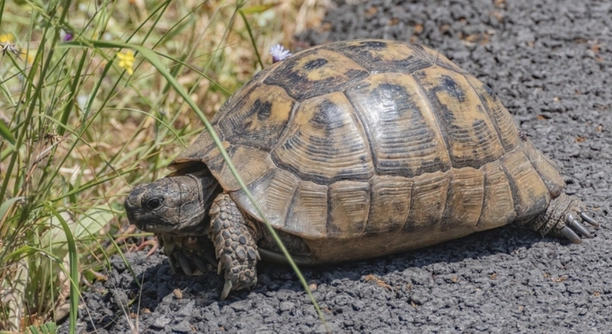
Greek tortoises are popular pets, and many owners love to feed them fresh vegetables. Among the many options available, broccoli is often considered. But before serving it to your tortoise, it’s important to understand whether it’s truly safe.
Greek tortoises can eat broccoli, but it should only be offered in moderation. Broccoli contains goitrogens, which, if consumed excessively, can interfere with thyroid function and overall health. It’s important to maintain variety in their diet.
Broccoli is just one of the many vegetables Greek tortoises can enjoy, but too much of it can cause problems. We’ll explore how to include it safely and when to avoid it altogether.
Can Greek Tortoises Safely Eat Broccoli?
Broccoli is a common vegetable that many pet owners want to share with their tortoises. While it’s not toxic, it can be harmful in large amounts. The main concern with broccoli for Greek tortoises is its high levels of goitrogens. These compounds can interfere with iodine absorption and cause thyroid problems when consumed excessively. As a result, it’s important to balance broccoli with other vegetables to ensure your tortoise’s diet is healthy and diverse. Offering broccoli too often can also lead to digestive upset due to its high fiber content, so moderation is key.
Broccoli provides vitamins A and C, which are beneficial for Greek tortoises, but too much of it can cause harm. A varied diet that includes other leafy greens and vegetables will support their overall health better.
It’s also worth noting that different tortoises may react differently to certain foods. Some might tolerate small amounts of broccoli without any issues, while others could show signs of digestive distress. Always monitor your tortoise for any changes in behavior or health after feeding new foods. Keeping a balance in their diet ensures they stay active and healthy.
When Should You Avoid Giving Broccoli?
If your tortoise is already showing signs of thyroid issues, it’s best to avoid broccoli altogether.
Broccoli should be avoided if your Greek tortoise has any thyroid or digestive problems. In these cases, broccoli can make things worse by affecting iodine absorption, potentially leading to more serious health issues. If your tortoise has been diagnosed with thyroid problems, consult your vet before offering broccoli or other goitrogenic vegetables. Even if your tortoise is healthy, it’s still important to offer broccoli sparingly. As mentioned, too much can disrupt the balance of their diet, and regularly giving them the same foods can lead to nutritional imbalances. Be sure to rotate the vegetables you feed your tortoise to keep their diet as varied as possible. Always remember that moderation and variety are the key to keeping your tortoise healthy.
The Benefits of Broccoli for Greek Tortoises
Broccoli offers some nutritional benefits for Greek tortoises, including vitamins A and C. These nutrients help support their immune system and promote healthy skin. However, these benefits can only be enjoyed when given in moderation. Too much broccoli could upset the balance of their diet, so variety is essential.
In addition to vitamins, broccoli contains fiber, which is important for digestion. Fiber helps keep their digestive system moving and prevents constipation. However, it’s important not to rely on broccoli alone for fiber, as it can be harsh in large amounts. Offering a mix of other leafy greens and vegetables will ensure your tortoise gets all the necessary nutrients for overall health.
The calcium-to-phosphorus ratio in broccoli isn’t ideal for Greek tortoises. High amounts of phosphorus can interfere with calcium absorption, which is crucial for shell and bone health. While broccoli does provide some calcium, it’s best to pair it with other foods that have a better calcium-to-phosphorus ratio.
How to Safely Introduce Broccoli
When introducing new foods to your Greek tortoise, it’s important to do so slowly. Start with small pieces of broccoli and observe how your tortoise reacts. If they show no signs of digestive upset or changes in behavior, you can gradually offer more.
Introducing broccoli slowly ensures that your tortoise’s digestive system can adjust. It’s also a good opportunity to check for any adverse effects. If your tortoise seems to have trouble digesting the broccoli, reduce the amount you offer or avoid it altogether. Consistency in their diet helps keep them healthy and happy, so keep track of the foods that work well for your tortoise.
If you’re unsure whether broccoli is a good option for your tortoise, consider speaking with a veterinarian. They can provide specific advice tailored to your pet’s health needs. It’s important to know what works best for your tortoise’s unique situation, as different animals may have different nutritional requirements.
Other Vegetables to Offer Greek Tortoises
While broccoli can be a part of your tortoise’s diet, it should not be the only vegetable offered. Leafy greens like dandelion greens, collard greens, and kale provide a better balance of nutrients without the risks associated with broccoli. Offering a variety of vegetables helps prevent dietary imbalances.
Greek tortoises also enjoy certain grasses and weeds, which are often high in fiber and calcium. These can be a great addition to their diet. Always ensure that the plants you offer are safe and free from pesticides. Variety is key to keeping your tortoise healthy.
The Importance of Moderation
Feeding your tortoise a variety of vegetables in moderation is essential for their well-being. Too much of any one food, including broccoli, can cause digestive issues or other health problems. This balance helps to avoid overloading them with nutrients that their body might not handle well.
Overfeeding can also lead to obesity, which is common in tortoises if they are not given a balanced diet. Keeping track of portions and offering a mix of vegetables, greens, and occasional fruits ensures that your tortoise stays active and healthy.
How to Monitor Your Tortoise’s Health
Watching your Greek tortoise closely after introducing new foods can help spot any issues early. Look for signs of discomfort, such as lack of appetite or changes in stool. If something doesn’t seem right, reduce or remove the food and consult a vet. Monitoring their health is essential.
It’s also important to observe your tortoise’s behavior. A healthy tortoise will be active, alert, and eating well. If they seem sluggish or refuse to eat, it could indicate an issue with their diet. Regular check-ups with a veterinarian can also help catch any health concerns early.
FAQ
Can Greek tortoises eat broccoli every day?
No, Greek tortoises should not eat broccoli every day. While it’s not toxic, broccoli contains goitrogens, which can interfere with thyroid function if consumed excessively. Offering broccoli once or twice a week is a safer option, alongside a variety of other vegetables for balance.
What vegetables are safe for Greek tortoises?
Safe vegetables for Greek tortoises include dandelion greens, collard greens, mustard greens, and kale. You can also offer vegetables like bell peppers, zucchini, and squash. These provide a good range of vitamins and minerals. However, avoid high-oxalate foods, such as spinach, which can hinder calcium absorption.
Can Greek tortoises eat cauliflower instead of broccoli?
Yes, Greek tortoises can eat cauliflower, but like broccoli, it should be given in moderation. Cauliflower, while rich in vitamins, also contains compounds that can interfere with iodine absorption. A varied diet is key to keeping your tortoise healthy, so try offering cauliflower occasionally instead of frequently.
How much broccoli should I feed my Greek tortoise?
Feed your Greek tortoise a small amount of broccoli—about the size of a grape or a small leaf—once or twice a week. This will allow them to enjoy the nutritional benefits without overloading their system. The rest of their diet should be made up of other greens and vegetables to ensure variety.
What happens if I feed my Greek tortoise too much broccoli?
Feeding your Greek tortoise too much broccoli can lead to digestive issues, including bloating and diarrhea. It can also disrupt the absorption of iodine and calcium, leading to thyroid problems and weak bones. To avoid these issues, keep broccoli as an occasional treat and offer a well-rounded diet.
Can Greek tortoises eat raw broccoli?
Yes, Greek tortoises can eat raw broccoli. Raw vegetables are generally better for them, as cooking can reduce the nutrient content. However, always wash the broccoli thoroughly to remove any pesticides or chemicals. Raw broccoli provides fiber and important vitamins, but moderation is still important.
Is it safe to feed my Greek tortoise broccoli stems?
Yes, you can feed your Greek tortoise broccoli stems, but they are tougher to digest than the florets. Chop them into smaller pieces to make it easier for your tortoise to eat. Just like with the florets, only offer stems occasionally and in small amounts.
Can Greek tortoises eat broccoli leaves?
Broccoli leaves are safe for Greek tortoises to eat in moderation. The leaves contain nutrients, such as vitamin A, but should not be their main food source. Offering leaves from various plants will give them a well-rounded diet that supports their health.
Are there any vegetables I should avoid feeding my Greek tortoise?
Yes, there are several vegetables you should avoid feeding your Greek tortoise. These include spinach, beet greens, and Swiss chard, which are high in oxalates and can interfere with calcium absorption. Also, avoid vegetables high in phosphorus, such as sweet potatoes, which can disrupt calcium balance.
Can I feed my Greek tortoise fruit along with broccoli?
Fruit should only be given in small amounts, as it is high in sugar and can upset the digestive system of a Greek tortoise. When paired with broccoli, a small piece of fruit can add variety, but fruits should never make up a large portion of their diet. Stick to fruits like berries, melon, and apples.
Can Greek tortoises eat broccoli if they have thyroid issues?
No, Greek tortoises with thyroid issues should avoid broccoli. The goitrogens in broccoli can worsen thyroid problems, so it’s best to keep it out of their diet. Consult with a veterinarian for dietary recommendations tailored to your tortoise’s health condition.
How do I know if my Greek tortoise is allergic to broccoli?
Signs of an allergy to broccoli in Greek tortoises may include swelling, redness, or unusual behavior such as refusal to eat or lethargy. If you notice any of these signs after feeding your tortoise broccoli, remove it from their diet and consult a veterinarian.
How often should I rotate the vegetables I feed my Greek tortoise?
It’s a good idea to rotate the vegetables you feed your Greek tortoise every few days. This helps ensure they receive a balanced diet and prevents them from becoming dependent on one food. Offering a variety of leafy greens, vegetables, and grasses will provide a broader range of nutrients.
Can Greek tortoises eat broccoli in their salad mix?
Yes, you can include small amounts of broccoli in a salad mix for your Greek tortoise. However, balance it with other greens such as dandelion greens, collard greens, and parsley. It’s important not to make broccoli the main ingredient in the salad to prevent overconsumption.
What should I do if my Greek tortoise refuses to eat broccoli?
If your Greek tortoise refuses to eat broccoli, don’t be concerned. Some tortoises are picky eaters, and it may simply not be to their taste. Try offering other vegetables, and keep their diet varied to encourage healthy eating habits. Don’t force them to eat it, as they will eventually try other options.
Can I feed my Greek tortoise broccoli and other vegetables together?
Yes, you can feed your Greek tortoise broccoli along with other vegetables, but again, moderation is important. Combining different types of veggies ensures a well-rounded diet. Just be sure not to overdo it with any particular vegetable, including broccoli. A diverse mix is best for their health.
Final Thoughts
Greek tortoises can enjoy broccoli as part of a varied diet, but it’s important to feed it in moderation. Broccoli offers some health benefits, such as vitamins A and C, and can be a good source of fiber for your tortoise. However, it also contains goitrogens, which can interfere with thyroid function if consumed in large quantities. To avoid potential health issues, it’s best to offer broccoli once or twice a week and pair it with other vegetables that provide a wider range of nutrients. This balanced approach ensures that your tortoise receives the vitamins and minerals they need while avoiding any negative effects.
When feeding your Greek tortoise, variety is key. A diet based on different leafy greens, vegetables, and grasses will provide the right mix of nutrients and help prevent any imbalances. Offering a variety of vegetables also helps avoid the risks associated with overfeeding one particular type of food, such as broccoli. It’s important to keep track of what your tortoise is eating and introduce new foods gradually. This gives you the chance to observe how they react and make adjustments as needed to ensure they stay healthy.
Remember to always monitor your tortoise’s behavior and health after introducing new foods like broccoli. Signs of digestive upset or changes in activity levels may indicate that the food isn’t agreeing with them. If you notice anything concerning, consult with a veterinarian to get tailored advice for your tortoise. By offering a balanced, varied diet and paying attention to your tortoise’s reactions, you can help them live a long and healthy life.

Hello,
If you enjoy the content that we create, please consider saying a "Thank You!" by leaving a tip.
Every little bit helps us continue crafting quality advice that supports the health, happiness, and well-being of pets around the world, for pets of all shapes, sizes, and species.
We really appreciate the kindness and support that you show us!