
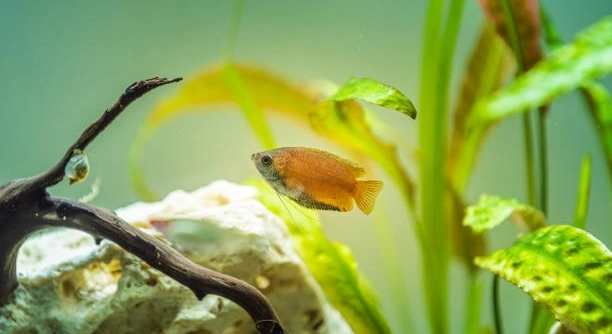
Do you ever notice your gourami gliding near the front of the tank, pausing, and staring in your direction for no clear reason? These small, colorful fish often display curious behaviors that can catch your attention easily.
Gouramis are capable of sensing when they are being observed, responding to human presence with subtle changes in movement and posture. Studies suggest this behavior reflects their awareness of environmental changes rather than simple reflexive actions.
Observing these reactions can reveal more about their habits and social behaviors, offering insight into their daily life and interactions.
How Gouramis React to Your Presence
Gouramis often change their behavior when someone is nearby. They may slow down, hover in place, or shift closer to the tank glass. These fish rely heavily on sight and can detect movement outside the tank, which triggers subtle reactions. Observing them over time makes it clear they notice when someone is watching. Some gouramis become more active, while others retreat to plants or decorations. These behaviors are part of their natural instincts to stay aware of potential threats or changes in their environment. Unlike some fish that ignore external movement, gouramis seem particularly sensitive to visual stimuli, often following motions with their eyes. This sensitivity allows them to respond to feeding cues or unusual disturbances. Understanding these responses can improve your interaction with them and ensure a calmer, less stressful habitat. Noticing these small cues can help create a more comfortable space for your fish.
Their reactions are usually subtle, but consistent. Over time, they learn patterns in human behavior and adjust accordingly.
Watching these cues closely can help you predict how your gourami will behave, from feeding times to moments of rest. Recognizing their visual awareness allows for better tank management and ensures their environment is stimulating yet secure. This knowledge also helps you introduce new tank elements or companions more smoothly. Gouramis are intelligent enough to distinguish between harmless daily movements and potential threats, showing an ability to adapt. By observing consistently, you may notice differences between individual fish, as some are bolder while others are naturally cautious. Providing hiding spots and varied terrain in the tank can reduce stress when they feel observed. Over time, your gouramis may even begin to anticipate feeding based on your presence, demonstrating learning and memory. These patterns emphasize the importance of careful, calm interactions to maintain their well-being and encourage natural behavior in captivity.
Visual Cues and Communication
Gouramis communicate a lot through body movements and fin displays. They may flare fins or change color slightly when they notice someone.
These visual signals are part of how they interact with both other fish and their environment. Subtle gestures indicate curiosity, alertness, or caution. Understanding these cues allows you to respond appropriately, whether giving space or providing attention. Observing fin flares, gill movements, or even changes in swimming speed can reveal a lot about their comfort level. Some gouramis use these gestures to establish territory, while others signal readiness to feed or interact socially. Over time, consistent observation can help you identify each fish’s unique signals, creating a clearer picture of their communication patterns. This awareness also helps in preventing stress-related issues, as you can intervene before anxiety escalates. Paying attention to these visual cues makes tank care more intuitive, strengthening your ability to provide an environment that meets their needs. Recognizing how they communicate visually can also enhance interactions during feeding or when introducing new elements to the tank, ensuring a smoother and more harmonious habitat.
Learning From Observation
Gouramis often adjust their behavior based on what they see. They can recognize repeated movements or routines, reacting differently depending on familiarity and perceived safety.
Over time, these fish can learn patterns in human actions. For example, they may anticipate feeding when someone approaches the tank or become calmer during quiet periods. This learning shows that gouramis are not purely instinct-driven—they observe, process, and respond. Their ability to adapt makes caring for them more rewarding, as small changes in behavior reveal intelligence and awareness. Observing consistently allows you to notice these subtle learning behaviors, improving interaction and tank management.
Gouramis also pick up on the behavior of other fish in the tank. They watch for signs of stress or excitement, often mimicking or adjusting their own actions. This social observation helps maintain harmony in their environment and reduces conflicts. Understanding these dynamics helps create a calmer, more structured tank, supporting both the mental and physical health of your fish. Their awareness of surroundings extends beyond humans, emphasizing the importance of monitoring tankmates and maintaining a balanced environment for all inhabitants.
Recognizing Stress and Comfort
Gouramis display clear signs when they are stressed, including hiding, rapid swimming, or color changes. Watching these cues helps manage their well-being.
Stress in gouramis can result from sudden movements, loud noises, or aggressive tankmates. They often use visual cues to communicate discomfort, like flaring fins or staying in shaded areas. Recognizing these signals early allows adjustments in lighting, tank decor, or placement of new fish. Comfort behaviors include leisurely swimming, interacting with tank mates, and approaching humans during feeding. Understanding both stress and comfort cues ensures a healthier environment, reducing risks of illness or behavioral issues. Paying attention to these patterns strengthens your ability to maintain a stable, safe habitat.
Feeding Responses
Gouramis often react immediately when someone approaches with food. They may swim closer, hover near the surface, or follow movements outside the tank.
These fish quickly associate human presence with feeding routines. Over time, they learn to anticipate meals and may become more alert or excited as feeding time nears.
Interaction Patterns
Gouramis exhibit distinct interaction patterns with both humans and other fish. They may mirror movements, maintain distance, or signal with fins and body posture. Observing these patterns helps understand their comfort levels, social hierarchy, and reactions to changes in the environment, which is useful for daily care.
Tank Environment Preferences
Gouramis prefer areas with plants, hiding spots, and clear swimming space. Proper tank setup reduces stress and encourages natural behavior.
FAQ
Can gouramis recognize their owners?
Yes, gouramis can learn to recognize the people who regularly interact with them. They respond to familiar movements or patterns, such as feeding times or tank maintenance routines. Over time, they may approach the glass when their owner is nearby, indicating recognition and learned association.
Do gouramis become stressed if watched too much?
Excessive or sudden attention can cause stress in gouramis. Signs of stress include rapid swimming, hiding, color changes, or staying in shaded areas. Maintaining a calm environment and observing from a distance helps reduce anxiety while still allowing you to monitor their behavior.
How can I tell if my gourami is comfortable?
Comfortable gouramis display relaxed swimming, interact with tank mates, and approach humans during feeding. They explore plants and decorations, remain near the middle or surface of the tank, and show normal coloration without sudden darkening. These are good indicators of a balanced, low-stress environment.
Do gouramis react differently to different people?
Yes, gouramis can respond differently based on past experiences. They may approach some people more readily while keeping distance from others. The fish rely on repeated patterns of interaction, so consistency in movements, handling, and feeding helps build trust and reduces hesitation.
Can gouramis learn tricks or routines?
Gouramis are intelligent enough to learn simple routines, such as coming to the surface for food at certain times. Repetition and positive reinforcement help them anticipate actions. While they do not perform tricks like dogs, their learning ability allows them to adapt to daily interactions and environmental changes.
Why do gouramis stare at me sometimes?
Staring is often a sign of curiosity or observation. Gouramis watch movements outside the tank to assess their surroundings. It is not a defensive behavior but rather an instinct to monitor changes, detect feeding opportunities, or understand potential threats in their environment.
Do gouramis communicate with each other visually?
Yes, visual communication is common. Fin flares, body movements, and changes in swimming speed are ways gouramis signal alertness, aggression, or readiness to feed. Observing these behaviors helps maintain harmony in a multi-fish tank and prevents conflicts by recognizing early signs of stress.
How long does it take for a gourami to recognize me?
Recognition depends on interaction frequency and consistency. Some gouramis may respond to humans within a week, while others may take several weeks. Daily, calm interaction and predictable routines accelerate the process, helping the fish associate your presence with safety and feeding.
Can gouramis distinguish between feeding times and casual observation?
Yes, gouramis learn to distinguish between casual presence and feeding cues. They respond more actively when they detect behaviors associated with food, such as hand movements or tank tapping, compared with passive observation, showing their ability to learn and anticipate specific outcomes.
Is it safe to tap on the tank to get attention?
Tapping on the tank is generally discouraged as it can startle or stress the fish. Gentle hand movements or approaching calmly work better. Creating consistent, low-stress cues for interaction encourages positive responses without causing fear or anxiety.
Do gouramis react to my facial expressions or gestures?
While they do not understand facial expressions like humans, gouramis can detect movement patterns, hand gestures, and posture changes. These visual cues allow them to associate specific actions with feeding or interaction, demonstrating awareness of their environment and the people around them.
How can I encourage positive interaction with my gourami?
Consistency, patience, and calm movements are key. Approach the tank slowly, maintain regular feeding times, and avoid sudden gestures. Providing hiding spots, plants, and open swimming space reduces stress and encourages natural curiosity, allowing the fish to interact comfortably with humans over time.
Will gouramis ever ignore me completely?
Occasionally, gouramis may ignore interaction if they feel stressed, tired, or unwell. Health issues, environmental changes, or aggressive tank mates can affect their responsiveness. Monitoring behavior and ensuring a stable, clean, and safe tank environment helps maintain interest and comfort with human presence.
Can multiple gouramis recognize the same person differently?
Yes, individual differences affect responses. Some gouramis are naturally bolder and may approach more readily, while shy fish stay hidden. Each fish builds its own experience with humans, creating unique recognition patterns that depend on personality, past interactions, and perceived safety.
Are there long-term benefits to regular observation?
Regular observation helps detect stress, illness, or unusual behavior early. It also strengthens the fish’s familiarity with human presence, making feeding and tank maintenance smoother. Consistent interaction promotes mental stimulation and encourages natural behaviors, contributing to overall health and a more harmonious tank environment.
How do gouramis react to new objects in the tank?
Gouramis often approach or inspect new items cautiously, using visual cues to assess safety. They may hide initially or swim slowly around the object. Over time, curiosity usually replaces caution, showing their ability to learn and adapt to changes in their surroundings.
Can observing gouramis improve tank care?
Yes, watching their responses provides insight into water quality, tank setup, and social dynamics. Behavior changes often indicate issues such as poor water conditions, illness, or incompatible tank mates, allowing for proactive adjustments that improve their environment and overall well-being.
Do gouramis remember past interactions?
Gouramis have memory for routines and repeated interactions. They can recall feeding times, human presence, and environmental changes. This memory influences their comfort level, anticipation of food, and responses to familiar people, showing a level of intelligence often underestimated in small fish.
Can stress from watching affect health long-term?
Chronic stress can impact growth, immunity, and behavior. Minimizing sudden disturbances, maintaining stable routines, and observing calmly helps prevent prolonged anxiety. Recognizing signs early ensures a healthier life and encourages natural, relaxed behavior in the tank.
How can I tell if my gourami is curious or stressed?
Curiosity involves slow, deliberate movements, inspecting objects or humans. Stress shows as rapid swimming, hiding, or color changes. Differentiating these behaviors helps respond appropriately, improving care, interactions, and overall well-being while encouraging positive exploration without causing fear.
Do gouramis interact with reflections of people or objects?
Yes, gouramis may respond to reflections, interpreting them as movement in their environment. They may investigate or display flaring behaviors, indicating awareness of visual stimuli. Observing these reactions can provide insight into their sensory perception and intelligence.
Gouramis are small but observant fish that notice changes in their environment and the people around them. Their responses to movement, presence, and feeding routines show that they are more aware than many assume. Watching a gourami closely reveals subtle behaviors like slowing down, flaring fins, or hovering near the glass. These actions are not random but reflect how the fish perceives its surroundings and reacts to potential threats or opportunities. Understanding these behaviors helps in creating a tank that supports both their physical and mental well-being. Providing a stable environment, with adequate plants, hiding spaces, and open swimming areas, ensures that gouramis feel safe while still allowing them to display natural behaviors. Observing them consistently allows owners to notice patterns and individual differences, which makes caring for them more rewarding and informed.
Gouramis also demonstrate learning and memory through their interactions with humans and other fish. They can associate specific movements or cues with feeding times and adjust their behavior accordingly. Some gouramis may approach the glass at certain times, while others may watch quietly before moving. This ability to recognize patterns shows intelligence and awareness, which is often underestimated in small freshwater fish. Social behaviors within the tank also reflect their observational skills. Gouramis watch other fish for signs of stress, aggression, or curiosity and may respond by mirroring or adjusting their own actions. These interactions highlight the importance of maintaining a balanced tank, where each fish has sufficient space and resources. By paying attention to these cues, owners can prevent conflicts and support the natural behaviors of their fish, ultimately creating a calmer and healthier environment.
Finally, recognizing how gouramis respond to observation and environmental changes improves the overall care experience. Knowing when they are comfortable, curious, or stressed allows for better interaction, feeding routines, and tank management. It also encourages more thoughtful placement of new objects or tank mates, reducing unnecessary stress. Taking the time to notice individual differences in personality and responsiveness strengthens the relationship between the fish and the owner, even in a subtle way. While they may not show affection like mammals, their curiosity and awareness demonstrate a unique form of intelligence that can be appreciated through careful observation. Supporting this awareness with consistent routines, clean water, and enriched environments promotes both health and well-being. Observing gouramis becomes not just an activity but a way to understand and respect the small, intelligent creatures in the tank, making ownership more engaging and fulfilling.

Hello,
If you enjoy the content that we create, please consider saying a "Thank You!" by leaving a tip.
Every little bit helps us continue crafting quality advice that supports the health, happiness, and well-being of pets around the world, for pets of all shapes, sizes, and species.
We really appreciate the kindness and support that you show us!